



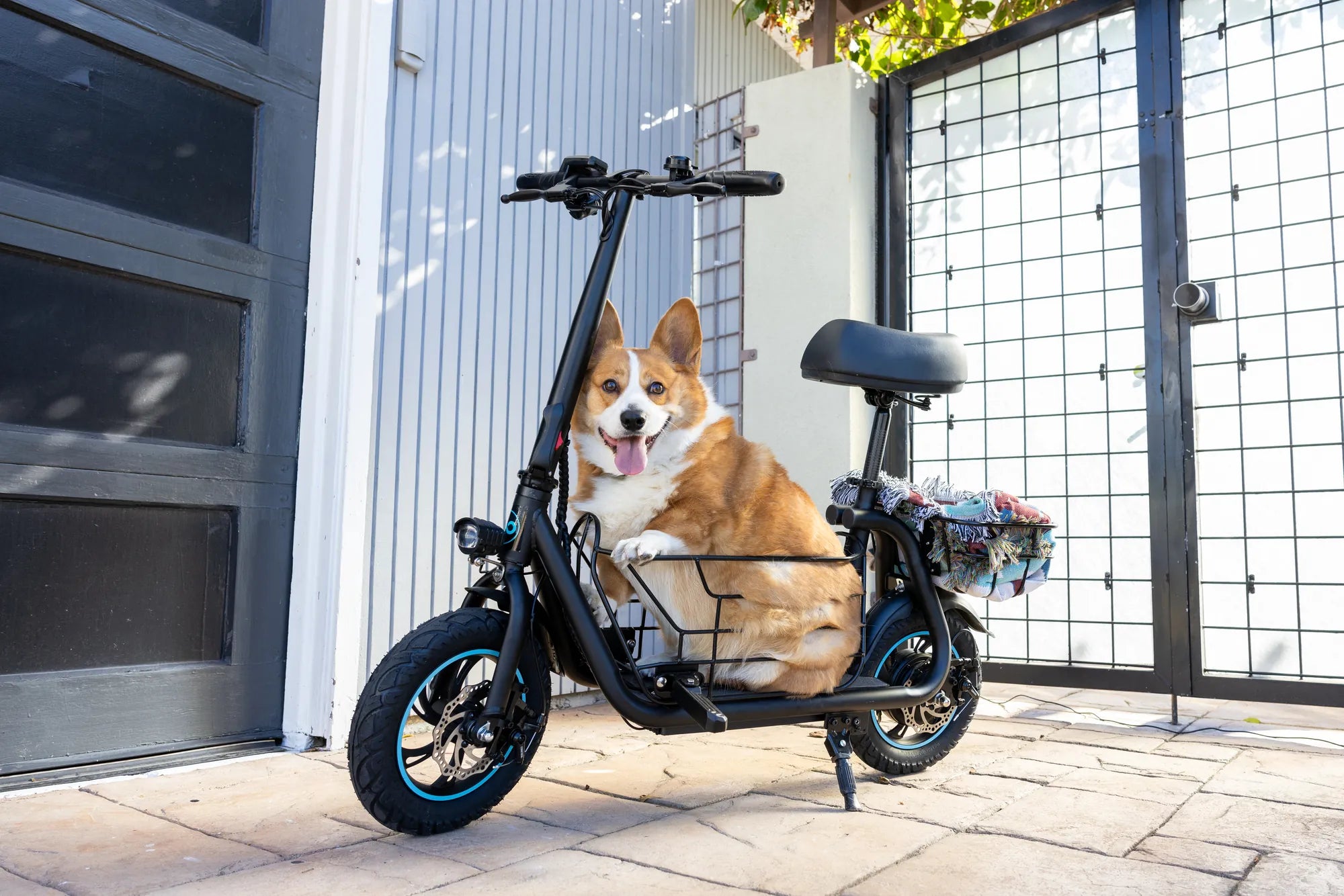
Introduction to Travel Trikes: The Ultimate Fusion of Comfort and Adventure
Imagine a vehicle that combines the effortless glide of an electric scooter with the unwavering stability of a tricycle, then adds practical cargo space for daily life. This is the travel trike. Distinct from standard e-bikes and scooters, a travel trike is a three-wheeled, electrically assisted personal transporter designed for stability, comfort, and utility. It represents the ideal solution for anyone seeking a reliable, car-alternative for commuting, running errands, or exploring their neighborhood without the balancing act required by two-wheeled options. This guide will unpack everything you need to know about this transformative mode of transport. You'll learn why its design is revolutionary, how leading brands like Gyroor engineer them for real-world durability, and how to select the perfect model for your lifestyle. The travel trike is not just a vehicle; it's a gateway to a more connected, efficient, and enjoyable way to move through your world.
Why Choose a Travel Trike? Key Benefits Over Two-Wheeled Options
The fundamental advantage of a three-wheeled configuration is innate stability. Unlike bicycles or e-scooters, a travel trike does not require the rider to balance at stops or during low-speed maneuvers. This eliminates the primary anxiety for new riders and those concerned about falls, making personal electric transport accessible to a vastly wider audience, including seniors and individuals with certain mobility considerations. The stability is not just about comfort; it's a critical safety feature that allows riders to focus on the road and their surroundings.
This stable platform unlocks unparalleled practicality, particularly for cargo capacity. The design inherently supports the integration of large front baskets, sturdy rear racks, and even integrated storage compartments. Carrying multiple bags of groceries, a work bag, or a pet carrier becomes simple and secure, as the trike remains upright when loaded and stationary. For daily errands, this utility is a game-changer, effectively replacing many short car trips.
From a performance perspective, travel trikes offer a uniquely comfortable and controlled ride. The wider wheelbase and lower center of gravity provide superior traction and a smoother ride over uneven urban surfaces like cobblestones, brick paths, or cracked pavement. The seated position is ergonomic and sustainable for longer journeys, reducing fatigue compared to standing on a scooter. This combination of stability, cargo utility, and comfort positions the travel trike as a superior choice for utilitarian urban travel and leisurely exploration alike.
The Gyroor Travel Trike Advantage: Engineered for Real-World Use
While the travel trike concept is powerful, its execution defines the experience. Gyroor brings over a decade of micro-mobility engineering excellence to this category, trusted by over 100,000 riders across North America and Europe. The brand's philosophy centers on reliability, safety, and rider support, translating into specific advantages for the travel trike format. When your vehicle is intended for daily use and carrying cargo, the underlying technology must be uncompromising.
Safety is paramount, starting with the battery. All Gyroor models utilize UL-certified battery packs, rigorously tested for over 500 charge cycles. This certification is a critical benchmark, ensuring protection against overheating, short-circuiting, and other failure modes—a non-negotiable feature for a vehicle you'll charge regularly at home. Furthermore, Gyroor designs its travel trikes with IPX5 water resistance. This rating means the electrical components can withstand water jets from any direction, providing all-weather reliability for commuters caught in a sudden downpour.
Finally, ownership peace of mind is sealed with a robust 1-year comprehensive warranty and accessible, US-based customer support. This commitment stands behind the durability of the frame, motor, electronics, and battery. For a product designed as a workhorse, this warranty is not just a promise; it's an essential part of the value proposition, ensuring your investment is protected as you integrate the travel trike into your daily routine.
Core Features for the Modern Commuter
The modern commuter faces specific challenges: traffic, hills, limited parking, and the need to arrive presentable and unflustered. A well-designed travel trike addresses these directly. A motor with sufficient torque (often in the 500W to 750W range) is crucial for tackling inclines without strain, while multiple pedal-assist levels (e.g., 3 to 5 levels) allow the rider to choose their exertion, from a gentle boost to full electric throttle mode for a sweat-free commute.
Battery range is a practical concern. Look for models with a battery capacity of at least 10Ah (approx. 360Wh) to ensure a reliable 20-35 mile range per charge, covering most round-trip commutes and errand runs. Integrated features like bright LED headlights, brake lights, and turn signals are essential for visibility and safety in traffic, not optional accessories. A clear digital display showing speed, battery level, assist mode, and trip distance keeps the rider informed and in control, completing the modern commuting package.
Design Built for Utility and Comfort
The physical design of a travel trike dictates its ease of use. A step-through frame is almost universal, allowing riders of all ages and flexibility to mount and dismount easily, even with a loaded basket. Adjustable, padded seating is critical for proper leg extension and long-ride comfort, while wide, air-filled tires (often 20 inches) absorb shocks and provide a stable contact patch on various surfaces from asphalt to hard-packed trails.
Utility is designed into the frame. A large, integrated front wire basket offers immediate, easy-access storage. Many models include a robust rear cargo rack capable of holding panniers or bungee-corded loads, effectively doubling cargo capacity. The overall layout prioritizes a low center of gravity, with the battery and motor weight distributed to enhance the stable, planted feel of the ride, whether the baskets are empty or full.
Travel Trike in Action: Ideal Use Cases and Scenarios
The true value of a travel trike is revealed in daily life. For the urban or suburban commuter facing a 3-10 mile journey, it offers a predictable, park-anywhere alternative to a car or crowded bus. The cost savings are substantial: at an average electricity cost of $0.12 per kWh, a 20-mile trip costs mere pennies, compared to the several dollars in fuel, parking, and depreciation for a car. It turns a stressful commute into an enjoyable, fresh-air experience.
Grocery getting is transformed. A travel trike can easily carry a week's worth of groceries for a small family in its front basket and rear rack, eliminating the need for a car for this frequent errand. For seniors or those seeking gentle recreation, it provides a stable platform for neighborhood tours, park visits, and staying active without joint stress. The electric assist ensures hills and distances are not barriers.
As a car replacement for short trips under 10 miles—which constitute a massive percentage of household vehicle use—the travel trike excels. Trips to the post office, library, cafe, or friend's house become opportunities for enjoyment rather than chores. It also serves niche commercial uses: for vendors at farmers' markets, campus security, or facility maintenance personnel, it offers an efficient, zero-emission tool for patrolling or transporting light tools and supplies.
Choosing Your Travel Trike: A Practical Buyer's Guide
Selecting the right travel trike requires matching specifications to your primary needs. Start by assessing your most common use-case: is it heavy cargo hauling, long leisure rides, or a hilly daily commute? Your answer will prioritize different specs. For cargo, focus on weight capacity (look for 300+ lbs total) and rack strength. For distance, battery capacity (measured in Watt-hours or Ah) is king. For hills, motor torque and wattage are paramount.
Consider your local terrain and storage space. Measure doorways and storage areas to ensure the trike's dimensions fit. If you have stairs or need to lift it, weight becomes a critical factor—some models are lighter with aluminum frames. Test ride if possible, paying attention to seat comfort, control intuitiveness, and overall stability at low and cruising speeds. Don't overlook the less glamorous specs: braking system (disc brakes offer superior stopping power), tire type, and the quality of the warranty and customer support network.
| Specification | Entry-Level / Leisure Focus | Mid-Range / Commuter Focus | High-Capacity / Utility Focus |
|---|---|---|---|
| Motor Power | 350W - 500W | 500W - 750W | 750W+ |
| Battery Range | 15-25 miles | 25-40 miles | 30-50+ miles |
| Max Load Capacity | 250 - 300 lbs | 300 - 350 lbs | 350 - 400+ lbs |
| Key Features | Basic display, front basket, coaster brakes | LCD display, multiple PAS, disc brakes, lights | Advanced display, dual cargo racks, high-torque motor, premium components |
| Ideal For | Flat neighborhood rides, light errands | Daily commuting, moderate hills, regular grocery trips | Heavy cargo, hilly terrain, commercial use, longest range |
Safety, Maintenance, and Riding Tips for Your Travel Trike
While stable, a travel trike is a vehicle and demands responsible operation. Always wear a helmet. Use the integrated lights day and night to maximize visibility to drivers. Obey all local traffic laws applicable to bicycles or electric bicycles. Practice riding in a safe, empty area like a parking lot to get accustomed to the turning radius (which is wider than a bicycle) and the feel of the electric assist. Use hand signals to indicate turns and stops.
Regular maintenance ensures longevity and safety. Monthly, check tire pressure—properly inflated air-filled tires are essential for range and handling. Inspect brakes for wear and ensure they engage smoothly and firmly. Keep the chain clean and lubricated if it's a chain-drive model. Wipe down the frame and electrical connections periodically, and avoid spraying high-pressure water directly at the motor or display to maintain the IPX5 water resistance.
For battery care, avoid completely draining it. Try to recharge after each use or when it drops below 20-30% capacity. Store the trike and battery in a cool, dry place, away from extreme temperatures. If storing for an extended period (e.g., over winter), charge the battery to about 50-60% and check its charge every few months. Following these simple practices will protect your investment and ensure your travel trike is ready for adventure whenever you are.
Frequently Asked Questions About Travel Trikes
Q1: Do I need a license, insurance, or registration to ride a travel trike?
A: In most jurisdictions in the US and Canada, electric bicycles and trikes with motors under 750W and a top assisted speed of 20 mph (Class 1 and 2) are regulated as bicycles. They typically do not require a license, registration, or insurance. However, laws vary by state, province, and municipality, so it is crucial to check your local regulations before riding.
Q2: How do I store and charge it if I live in an apartment?
A>Many travel trikes have removable batteries, allowing you to take the compact battery pack upstairs to charge indoors. The trike itself can often be stored in a ground-floor locker, a secure bike room, or even in a corner of a living space if space allows. Folding models offer even greater storage flexibility, though they are less common in the trike format.
Q3: Can a travel trike handle moderate hills or light trail paths?
A>Yes, models with motors of 500W or higher, especially those with geared hub motors or mid-drives, are quite capable on moderate hills. The electric assist compensates for the trike's additional weight. For light, hard-packed trails or gravel paths, the wide tires provide good stability and traction. They are not designed for rugged mountain biking terrain.
Q4: What is the true real-world range I can expect?
A>Manufacturer ranges are tested under ideal conditions. Real-world range is affected by rider weight, cargo load, terrain, wind, tire pressure, and the level of pedal assist used. A good rule of thumb is to expect 70-80% of the advertised maximum range under average conditions (mixed terrain, moderate assist). Using throttle-only will significantly reduce range.
Q5: How does Gyroor's warranty and customer support work?
A>Gyroor offers a 1-year warranty covering defects in materials and workmanship for the frame, motor, battery, and electronic components. The process typically involves contacting their US-based support team via email or phone to diagnose the issue. For many components, they will ship replacement parts directly to you. Their high 4.5/5 average customer rating reflects a commitment to resolving issues post-purchase.
Conclusion: Redefining Personal Travel with Confidence
The travel trike represents a significant evolution in personal electric transportation, moving beyond novelty to genuine utility. It solves real-world problems of stability, cargo carrying, and accessible, enjoyable mobility. By choosing a model from a brand like Gyroor, you invest in the safety certifications, weather-resistant engineering, and reliable support that make daily use practical and worry-free. This isn't just about buying a product; it's about adopting a tool that can increase your independence, reduce your environmental footprint, and reintroduce joy to everyday journeys. Whether your goal is to simplify errands, reclaim your commute, or explore your community with newfound freedom, a well-chosen travel trike is a key that unlocks a more active and connected lifestyle. Ready to experience the stability and freedom for yourself? Browse the full Gyroor collection at gyroorboard.com to find the travel trike engineered for your next adventure.
Mens Tricycle Bike for Adults: The Ultimate Guide to Stability & Utility
Ebike Bike Shop: Your Guide to Finding Expert Local Service & Support