

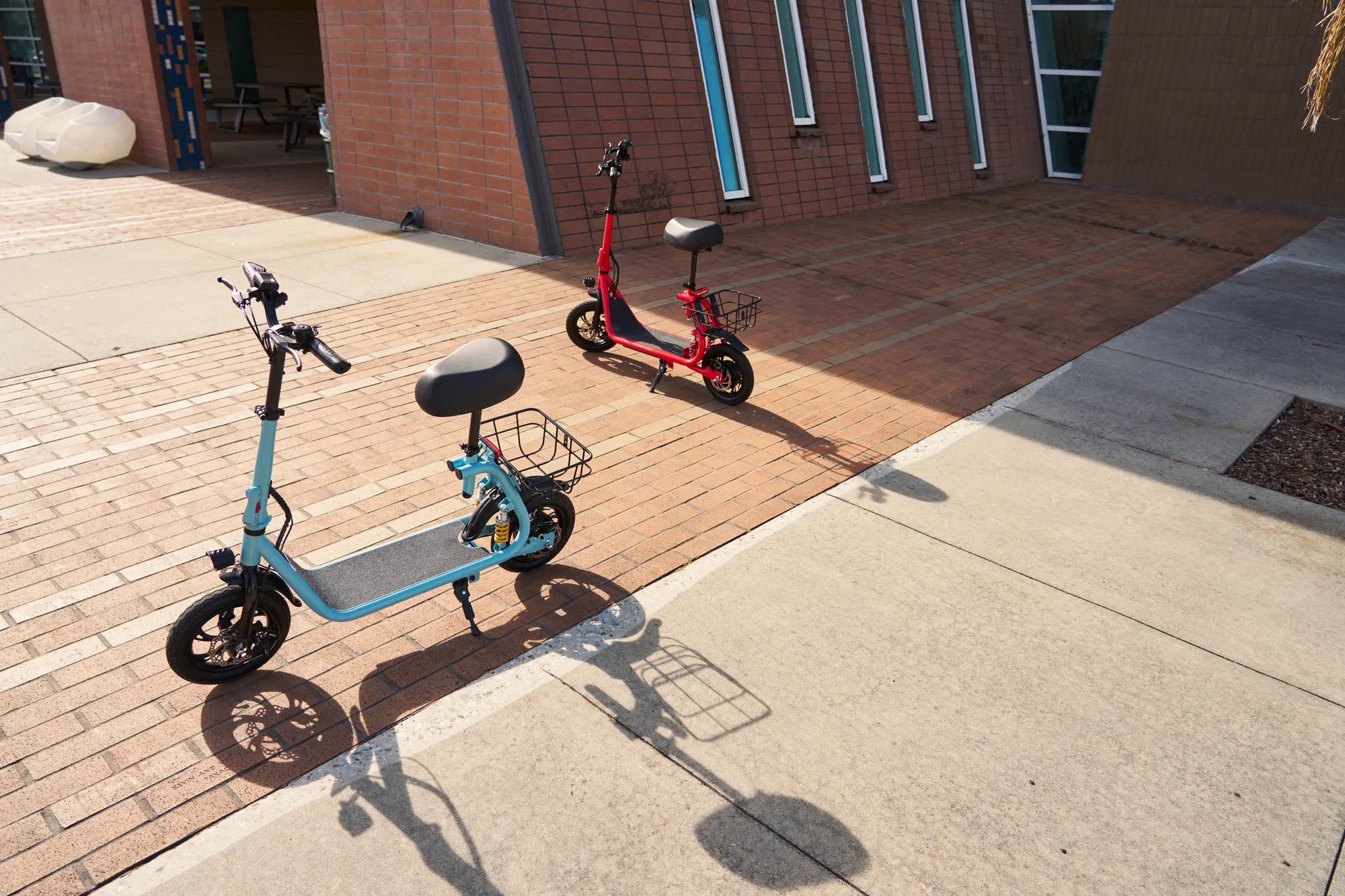
The modern tricycle is no longer just a child's first bike. Today's tricycle news headlines are filled with electric cargo haulers, stable commuter vehicles, and adaptive mobility solutions that are reshaping how we move people and goods. This comprehensive guide will explore the booming three-wheeled market, analyze the key trends and technologies, and provide the data you need to understand this significant shift in personal and commercial transportation.
Introduction to the Modern Tricycle Market
The contemporary tricycle encompasses a wide range of sophisticated vehicles designed for utility, stability, and accessibility. Moving beyond basic pedal-powered models, the current market is experiencing a significant boom driven largely by electrification and a growing demand for car-alternative transportation. This segment of tricycle news focuses on adult e-trikes, heavy-duty cargo trikes, and specialized adaptive cycles.
This resurgence is fueled by several societal shifts, including urbanization, a focus on sustainable logistics, and an aging population seeking active, stable mobility options. The three-wheeled format offers inherent advantages in balance and load-carrying capacity that two-wheelers cannot match, making them ideal for specific, growing use cases. Understanding this market requires looking at the engineering and design innovations that make these vehicles practical for daily use.
From last-mile delivery fleets to families replacing a second car, the applications are expanding rapidly. The global market for electric trikes is projected to grow at a compound annual growth rate (CAGR) of over 6% in the coming years, signaling sustained interest and development. This guide will dissect the trends, specifications, and leading brands defining this exciting space.
Key Trends Shaping Tricycle Design and Use
The evolution of the tricycle is being shaped by clear, powerful trends that respond to modern transportation challenges. Electrification is the most dominant force, adding power to overcome the traditional drawbacks of weight and hill-climbing. Alongside this, there is a strong push towards utility-focused design, with modular cargo systems and ergonomic frames built for adult riders.
Another major trend is the integration of smart technology. Modern e-trikes often feature digital displays, Bluetooth connectivity, app integration for diagnostics, and advanced lighting systems. This technological layer enhances safety, user experience, and maintenance tracking, bringing the tricycle in line with other modern electric vehicles.
Furthermore, design philosophy has shifted towards creating multi-purpose platforms. A single trike model may now serve as a grocery getter, a child transporter, and a recreational vehicle with interchangeable accessories. This versatility is a key selling point for consumers looking to maximize the value of their investment. The following sections break down the specific categories where these trends are most evident.
The Rise of Electric Cargo Trikes (E-Cargo Trikes)
Electric cargo trikes are revolutionizing urban logistics and family transportation. These workhorses are designed to carry substantial loads—often between 100 to 400 pounds (45-180 kg) in their integrated cargo boxes or platforms—making them genuine car replacements for local errands. For businesses, they offer a silent, zero-emission solution for last-mile delivery, avoiding traffic and parking fees common in dense city centers.
The typical e-cargo trike features a robust frame, a low center of gravity for stability when laden, and a powerful hub or mid-drive motor ranging from 500W to 750W or more. Battery packs are large, often 48V 15Ah or greater, to provide a practical range of 30-50 miles per charge under load. This segment generates significant tricycle news as cities and companies pilot delivery fleets to reduce congestion and carbon emissions.
Real-world applications are diverse. Small businesses use them for local product deliveries, postal services employ them for neighborhood routes, and families utilize them for school runs and weekly shopping. The cargo area can be customized with weatherproof boxes, child seats, or flatbed configurations, highlighting the platform's adaptability. The operational cost savings compared to a van or truck are substantial, often cited as a key driver for adoption.
Adult Tricycles for Recreation and Commuting
Adult tricycles cater to riders seeking stability without sacrificing the joy and utility of cycling. This category is particularly popular among older adults, individuals with balance concerns, and commuters who need to arrive at their destination without worry. The classic delta design (one wheel in front, two in the rear) provides a stable, easy-to-mount platform, often with a step-through frame for easy access.
Key features include upright, comfortable seating to reduce strain on the back and wrists, wide, cushioned saddles, and frequently, integrated rear storage baskets or panniers. Many models are now electrified, with pedal-assist systems that make longer commutes or hilly terrain manageable. These trikes are ideal for paved paths, neighborhood streets, and park trails, offering a low-impact form of exercise and reliable transportation.
The market for these trikes is expanding as baby boomers seek active lifestyles and urban planners prioritize safe, accessible micro-mobility options. They represent a significant portion of consumer-focused tricycle news, with reviews often highlighting ease of use, comfort, and the regained freedom of independent mobility. Manufacturers are responding with improved gearing, better suspension on the front wheel, and more refined designs.
Adaptive & Therapeutic Tricycles
Adaptive tricycles play a crucial role in providing mobility and therapeutic benefits to riders with physical challenges, rehabilitation needs, or developmental differences. These are not standard trikes with minor modifications; they are often purpose-built with input from occupational therapists. Designs include recumbent trikes for lower body support, handcycles for upper-body propulsion, and tandem models for assisted riding.
Features can include specialized seating with torso support, adjustable crank arms, easy-to-reach steering, and safety harnesses. For therapeutic use, the reciprocal motion of pedaling can help improve motor skills, range of motion, and cardiovascular health in a controlled, stable environment. This niche but vital segment of the market underscores the tricycle's fundamental benefit: stable, accessible motion.
News in this area often focuses on charitable initiatives, custom fabricators, and the profound impact these machines have on individual independence and quality of life. The development in this category highlights the industry's growing understanding of diverse user needs and its commitment to inclusivity in personal mobility.
Micro-Mobility and Shared Tricycle Programs
Tricycles are increasingly being integrated into formal micro-mobility and shared transportation systems. Their inherent stability makes them ideal for bike-share programs in tourist areas, university campuses, and flat urban centers where safety and ease of use are paramount. Shared tricycle programs reduce the learning curve for casual users and can serve a broader demographic than traditional two-wheeled bike shares.
These programs often utilize durable, pedal-powered trikes with simple locking mechanisms and cargo baskets. In some European cities, electric cargo trike shares are being tested for community use, allowing residents to borrow a vehicle for large shopping trips or moving small items. This trend points to a future where three-wheeled vehicles are a standard, accessible part of the public transportation ecosystem, a frequent topic in municipal tricycle news.
The advantages for cities include reduced traffic congestion, lower emissions, and providing an equitable mobility option for those who may not be comfortable on a standard bicycle. As shared mobility evolves, the tricycle's role is likely to expand due to its unique combination of capacity, stability, and user-friendliness.
In-Depth Review: What to Look for in a Quality Tricycle
Selecting the right tricycle requires careful consideration of its intended use and key performance metrics. A quality model is an investment in reliable, safe transportation. The core components—motor, battery, frame, and braking system—must be evaluated as an integrated system designed for the specific demands of three-wheeled, often laden, operation.
Beyond basic specs, consider the manufacturer's reputation for durability and customer support. A tricycle, especially an e-cargo model, is a vehicle that may be used daily for essential tasks. Warranty terms, availability of replacement parts, and the quality of the assembly are critical factors that separate a long-term asset from a short-lived novelty. This buyer's guide breaks down the essential elements.
Motor and Battery Performance Metrics
The heart of an electric trike is its drive system. Motor wattage indicates potential power, with 250W-350W suitable for light assist on flat terrain, 500W providing good all-around performance for commuting, and 750W+ recommended for cargo hauling or hilly areas. Torque, measured in Newton-meters (Nm), is equally important as it determines hill-climbing ability and acceleration under load; look for motors with at least 50Nm for utility applications.
The battery is your fuel tank. Capacity is measured in Watt-hours (Wh), calculated as Voltage (V) x Amp-hours (Ah). A 48V 15Ah battery offers 720Wh. For practical tricycle news and reviews, real-world range is more telling than theoretical maximums. Expect 20-40 miles per charge for a cargo e-trike used actively, depending on load, terrain, and assist level. Battery quality is paramount; UL-certified cells from reputable manufacturers ensure safety and longevity over hundreds of charge cycles.
Drive system placement matters. Hub motors (in the wheel) are common and provide direct drive, often at a lower cost. Mid-drive motors, located at the crank, leverage the trike's gearing for superior efficiency and hill-climbing, making them an excellent choice for heavy-duty or mountainous use, though they are typically more expensive.
Frame Design, Load Capacity, and Stability
Frame geometry and material dictate strength, weight, and handling. Aluminum alloy frames offer a good balance of strength and light weight, resisting rust. Steel frames are extremely robust and durable, often used on heavy-duty cargo models, but are heavier. The wheelbase—the distance between the front and rear axles—affects stability and maneuverability; a longer wheelbase increases stability at speed and when loaded but makes turning slower.
Load capacity is a critical specification, comprising the weight of the rider and the cargo. Consumer models may support 250-300 lbs total, while commercial-grade cargo trikes can handle 400-500 lbs or more. Always check the manufacturer's gross vehicle weight rating (GVWR) and factor in a safety margin. The stability of a trike comes from its low center of gravity and track width (the distance between the two rear wheels). A wider track resists tipping during turns.
There are two primary configurations: Delta (one front wheel, two rear) and Tadpole (two front wheels, one rear). Delta trikes are more common, simpler, and often more affordable. Tadpole trikes, frequently seen in recumbent designs, can offer superior braking dynamics and a more aerodynamic profile, but are often more complex and costly.
Essential Safety and Utility Features
Safety on a three-wheeled vehicle is non-negotiable. Braking is the top priority. Hydraulic disc brakes offer the strongest, most consistent stopping power in all weather conditions and are highly recommended for any e-trike, especially those carrying cargo. Mechanical disc brakes are a good secondary option. A parking brake is an essential utility feature for preventing roll-away when loading or stopped on an incline.
Integrated lighting is a must for visibility. Look for bright LED headlights and taillights, often powered by the main battery on e-models, along with reflectors. For utility, consider the cargo system: are baskets included? Is the cargo box lockable and weatherproof? What is its volume? Other features like fenders, a chain guard, a kickstand (or multiple stands), and a comfortable, adjustable seat all contribute to daily usability and satisfaction.
| Feature | Entry-Level/Recreational Trike | Performance Commuter/Cargo E-Trike |
|---|---|---|
| Motor Power | 250W - 350W Hub Motor | 500W - 750W+ Mid-drive or High-Torque Hub |
| Battery Capacity | 36V 10Ah (360Wh) | 48V 15Ah+ (720Wh+) |
| Estimated Range | 15-25 miles | 30-50 miles (varies with load) |
| Frame Material | Hi-Ten Steel or Basic Aluminum | 6061 Aluminum or Reinforced Steel |
| Max Load Capacity | 250 - 300 lbs | 350 - 500+ lbs |
| Braking System | Mechanical Disc or V-Brakes | Hydraulic Disc Brakes (Dual) |
| Key Features | Basic Basket, Kickstand | Locking Cargo Box, Parking Brake, Full Lighting, Display |
Industry Spotlight: Gyroor's Approach to Three-Wheeled Innovation
As a leader in personal electric mobility, Gyroor's engineering philosophy aligns directly with the demands of the modern trike market. While currently renowned for its electric scooters and e-bikes, the brand's core principles of safety, reliability, and performance provide a blueprint for quality three-wheeled design. Gyroor's approach centers on building trust through robust specifications and rider-focused support.
The brand's insistence on UL-certified lithium-ion battery packs is perhaps the most critical point of alignment with the e-trike sector. For a high-capacity vehicle that may be charged daily and carry valuable cargo or a rider, battery safety is paramount. UL certification involves rigorous testing for overcharge, short circuit, and thermal stability, mitigating the primary risks associated with high-energy-density batteries. This is non-negotiable tricycle news for informed buyers.
Furthermore, Gyroor's standard IPX5 water-resistant rating on its core models speaks to the all-weather, real-world reliability required by commuters and cargo haulers. A trike is a utility vehicle that cannot be sidelined by a rain shower. This level of protection for electrical components ensures consistent performance and longevity, whether navigating wet city streets or encountering unexpected weather.
Finally, Gyroor's commitment to a comprehensive 1-year warranty backed by US-based customer support establishes a framework of accountability essential for a high-utility product. For a trike rider, whether using it for business or essential family transport, knowing that technical support and critical parts are accessible provides peace of mind. This model of safety-focused engineering, weatherproof durability, and strong post-purchase support sets a benchmark that defines quality in the evolving three-wheeled mobility space.
Frequently Asked Questions (FAQ)
Q: Are adult tricycles difficult to ride or maneuver?
A: Adult tricycles are generally easier to ride than bicycles in terms of balance, as they do not require you to stabilize them at a stop. The primary learning curve involves turning, as trikes cannot lean into a turn like a bike. They have a wider turning radius and you must slow down for corners to avoid the risk of tipping. With a short practice session, most riders adapt quickly. Maneuvering in tight spaces, like a narrow garage, requires more planning due to the width.
Q: What is the typical price range for a good quality electric cargo trike?
A: Pricing varies significantly based on specifications. A basic, light-duty electric trike with a small cargo basket can start around $1,500. A fully-featured, medium-duty e-cargo trike with a locking box, hydraulic brakes, and a 500W+ motor typically ranges from $2,500 to $4,000. Commercial-grade models with larger batteries, higher payloads, and custom configurations can cost $5,000 to $8,000 or more. It's a significant investment comparable to a high-end e-bike, justified by its unique utility.
Q: How does maintenance differ from a standard bicycle?
A> Tricycle maintenance shares similarities but has key differences. The drivetrain (chain, gears) requires similar care. However, you have three wheels with tires to maintain and check for pressure. Brake systems may be more complex, especially if dual hydraulic brakes are fitted. The rear axle and differential (if present) are unique components that may require periodic inspection. For e-trikes, maintaining the battery (proper charging habits) and checking electrical connections are added responsibilities. Overall, the maintenance is not necessarily more difficult, but it involves more components.
Q: Are tricycles allowed on bike paths and in bike lanes?
A: In the vast majority of jurisdictions in North America and Europe, tricycles are legally classified as bicycles, provided they meet size and speed limits (e.g., motor output not exceeding 750W in the US). Therefore, they are permitted anywhere bicycles are allowed: bike paths, bike lanes, and multi-use trails. Their width (usually under 3 feet) is designed to fit within standard bike infrastructure. It is always prudent to check local ordinances, but generally, they are a welcome and legal form of active transportation.
Q: Can a tricycle handle hills, especially with a load?
A> A non-electric tricycle can be very challenging on hills due to its weight and lack of ability to lean and weave. However, a modern electric trike is specifically engineered for this task. The key is sufficient motor torque (Nm) and appropriate gearing. A mid-drive motor system paired with a wide-range gear cassette is most effective, as it uses the mechanical advantage of the gears. For moderate hills with a load, a 500W motor with 60+Nm of torque is a good minimum. For steep, sustained hills, a 750W+ mid-drive is recommended. Always check the manufacturer's hill-climb rating.
The Future on Three Wheels: Conclusion
The tricycle has undergone a remarkable transformation, emerging as a serious tool for sustainable urban mobility, accessible recreation, and efficient logistics. The latest tricycle news reflects a market that is maturing, innovating, and finding its essential place in the transportation ecosystem. From the silent, emission-free delivery of packages to the joyful independence it provides for riders of all abilities, the three-wheeled format solves real-world problems with elegant simplicity.
This evolution is driven by tangible improvements in battery technology, motor efficiency, and thoughtful design that prioritizes safety and utility. As cities become denser and the need for alternatives to car-centric travel grows, the stable, capacious, and accessible tricycle is poised for even greater adoption. It represents a pragmatic convergence of low-impact mobility and practical utility.
For anyone considering this form of transportation, the key is to match the vehicle's specifications to your specific needs, prioritize safety certifications, and choose a brand that stands behind its product with reliable support. The future of mobility is diverse, and the tricycle has firmly secured its role as a versatile, stable, and empowering option. Explore how innovative engineering can enhance your commute, your business, or your leisure time by browsing the full collection of advanced personal electric vehicles at gyroorboard.com.
Can a 14 Year Old Ride a Dirt Bike on Road? The Legal & Safety Guide
Best Long Range Ebike 2025: The Ultimate Guide to Maximum Miles