



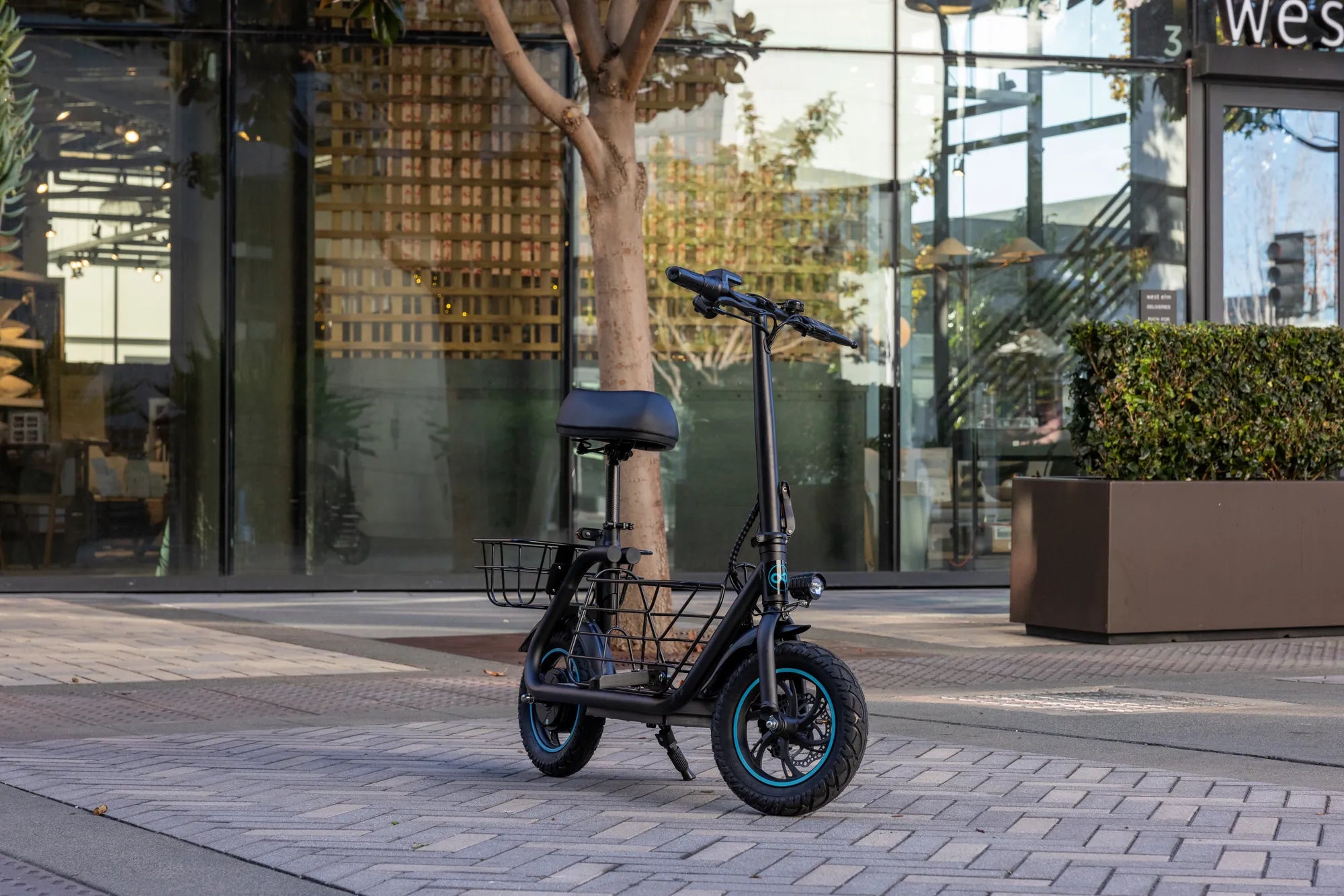
Your electric tricycle is a significant investment in mobility, cargo hauling, or simply joyful riding. When a component wears out or fails, knowing how to source the right tricycle replacement parts is crucial for safety, performance, and protecting your investment. This comprehensive guide provides the factual, data-driven knowledge you need to maintain your e-trike with confidence. We'll break down every major system, explain how to identify and source compatible parts, and offer clear guidance on maintenance and warranty support to keep you riding smoothly for years.
Introduction to Electric Tricycle Maintenance and Parts
Regular maintenance and the use of correct replacement parts are non-negotiable for vehicle safety. This is especially true for electric tricycles, which combine structural, mechanical, and complex electrical systems. Using generic, non-certified parts can lead to catastrophic failures, void warranties, and significantly reduce your vehicle's lifespan.
As a rider, your priority should be sourcing genuine or OEM-equivalent parts designed for your specific model. Brands like Gyroor engineer their vehicles as integrated systems. Their commitment to quality, evidenced by UL-certified battery packs and IPX5 water-resistant designs, extends to their replacement components. With over 100,000 riders trusting their products, this support network is essential for long-term ownership.
This guide will empower you to understand your tricycle's anatomy. You will learn to distinguish between simple wear items you can replace and complex components that require expert service. We prioritize factual information to help you make informed decisions, avoid common pitfalls, and ensure every replacement part enhances your ride's safety and reliability.
Understanding Your E-Trike: Key Components and Systems
An electric tricycle is built around several interdependent systems. Identifying a failed part starts with knowing which system it belongs to. The primary systems are the drivetrain (motor and controller), the power system (battery and wiring), the braking system, structural elements, and comfort components.
Each system has a distinct role. The drivetrain converts electrical energy into motion. The power system stores and delivers that energy safely. The braking system ensures controlled deceleration, while the frame provides the foundational integrity. Comfort parts like the seat and handlebars connect you to the machine.
A failure in one system often impacts another. A failing battery can cause erratic controller behavior. Worn brakes increase strain on the motor during regenerative braking. Understanding these relationships helps in diagnosing issues accurately before seeking tricycle replacement parts.
The Power Core: Battery, Motor, and Controller
The electrical heart of your e-trike consists of three critical components. The battery stores energy, the motor consumes it to create torque, and the controller manages the entire process. These parts must be precisely matched for voltage, current, and communication protocols.
Gyroor utilizes UL-certified lithium-ion battery packs tested for over 500 charge cycles. This certification is a critical safety benchmark, indicating rigorous testing for short-circuit, overcharge, and thermal stability. Replacing a battery with a non-UL-certified unit poses a serious fire risk and will void any existing warranty.
The motor, typically a rear-hub design on tricycles, is rated for specific wattage and torque. The controller acts as the brain, regulating power from the battery to the motor based on throttle input. Using an incompatible controller can lead to motor burnout or battery damage. Always source these tricycle replacement parts as matched sets or exact OEM equivalents.
Safety First: Braking and Structural Components
Braking systems on e-trikes handle greater weight and momentum than standard bicycles. Common setups include mechanical disc brakes, hydraulic disc brakes, or drum brakes. Key wear parts are brake pads, rotors (discs), and cables. Regular inspection for pad thickness and rotor warping is essential for safety.
Structural components include the steel or aluminum frame, the front fork, and the wheel rims. Integrity here is paramount. Cracks, significant dents, or bends in these parts often require complete replacement rather than repair. The IPX5 water-resistant rating on Gyroor controllers and connectors helps protect these electrical interfaces from corrosion, preserving long-term structural safety by preventing electrical failure that could lead to sudden stops or loss of power.
Wheels and tires are also structural safety items. Tricycles use heavier-duty tires to support the load. Ensure any replacement tire has an adequate load rating and the correct size designation (e.g., 20" x 4.0"). A mismatch can affect stability and handling.
Sourcing the Right Replacement Parts: A Practical Guide
Finding the correct part requires accurate information. Start by locating your tricycle's model name and serial number, usually found on the frame near the headset or bottom bracket. This is the first step in any parts search or warranty claim.
Use the manufacturer's official parts catalog or website. For Gyroor owners, this means visiting gyroorboard.com and using their support resources. Authorized dealers also have access to genuine parts diagrams and inventories. These diagrams are invaluable for identifying part numbers for specific components.
Avoid the temptation of generic parts from unknown sellers, especially for critical components. A "universal" 48V battery may physically connect, but its Battery Management System (BMS) might not communicate correctly with your controller, leading to poor performance or damage. The risks of counterfeit electrical components cannot be overstated.
When ordering, double-check compatibility. Verify voltage (e.g., 48V), wattage (e.g., 750W), physical dimensions (e.g., rotor size), and connection types. Keeping a log of part numbers you've replaced can simplify future purchases.
Common Replacement Scenarios and DIY Tips
Most owners will encounter wear-and-tear part replacements during their e-trike's life. Understanding which tasks are manageable and which require a professional is key to safe maintenance. Always disconnect the battery before attempting any repair, even on purely mechanical parts.
Simple diagnostics can save time and money. Reduced range points to battery aging or tire pressure issues. Squealing brakes usually indicate worn pads. A wobbly wheel may need a spoke tightening or bearing replacement. Systematic troubleshooting prevents replacing the wrong tricycle replacement parts.
For any repair, use the proper tools. Torque wrenches ensure bolts are tightened to specification without stripping. Tire levers for fat tires prevent rim damage. Having a clean, organized workspace improves safety and outcomes. Consult your owner's manual for specific disassembly sequences.
Wear-and-Tear Parts You Can Replace Yourself
Several components are designed for user replacement. Brake pads are a prime example. Once pads wear below 1-2mm, they should be replaced. The process typically involves removing a retention pin, sliding out old pads, retracting the piston (often with a tool), and inserting new pads.
Tires and inner tubes are also user-serviceable. Ensure the new tire has the same diameter and width marking as the old one. When installing, avoid pinching the tube with tire levers. Inflate to the PSI rating on the tire sidewall, which is often higher for load-bearing e-trikes.
Comfort parts like saddles, grips, and even throttles usually attach with standard bolts or clamps. Throttle replacement involves disconnecting the old unit (often a simple plug) and attaching the new one. Always ensure the new throttle matches the voltage and connector type of the old one. These are straightforward tricycle replacement parts swaps.
When to Seek Professional Service
Certain repairs should be left to certified technicians. Battery pack replacement is the most critical. Handling high-voltage lithium-ion packs requires specific knowledge to avoid short circuits. Professional service ensures proper BMS calibration and safe installation.
Motor and controller issues almost always require a pro. Diagnosing a faulty hall sensor inside a motor or a blown MOSFET in a controller requires specialized tools. Attempting these repairs can compound the problem. Gyroor's 1-year comprehensive warranty covers these components, and unauthorized repair attempts will void it.
Any work involving the frame integrity—such as welding a crack or straightening a fork—must be performed by a professional frame builder. Structural failures while riding can cause severe accidents. Similarly, complex wheel truing or bearing press work is best handled by a bike shop with the correct stands and tools.
Maximizing Your Investment: Maintenance and Warranty Insights
Proactive maintenance drastically reduces the frequency of part failures. A simple, regular checklist can extend the life of all components. This care protects your investment and ensures safer rides.
Battery care is paramount. Store and charge the battery in a dry, temperate environment (ideally between 50-77°F). Avoid draining it to 0% regularly; try to recharge when it reaches 20-30%. For long-term storage, charge to about 60%. These habits help maximize the 500+ cycle life of UL-certified packs.
General maintenance includes keeping the drivetrain clean and lubricated, checking tire pressure weekly, and periodically inspecting all bolts for tightness. Use the IPX5 rating to your advantage by gently rinsing off mud and salt, but avoid high-pressure sprays directly on bearings or electrical connectors. A well-maintained trike needs fewer tricycle replacement parts over time.
Comparison of Common Tricycle Replacement Parts
| Component | Typical Lifespan | DIY Difficulty | Criticality | Genuine Part Importance |
|---|---|---|---|---|
| Brake Pads | 500-1,000 miles | Low | High (Safety) | Medium (Must match caliper) |
| Tire / Tube | 1,000-2,000 miles | Low-Medium | High (Safety) | Low (Size-specific) |
| Lithium-Ion Battery | 3-5 years / 500+ cycles | High (Professional) | Very High (Safety/Performance) | Very High (UL-Cert, BMS Compatibility) |
| Brushless Hub Motor | 5,000+ miles | High (Professional) | Very High (Performance) | Very High (Voltage/Wattage Match) |
| Controller | Lifelong (if protected) | High (Professional) | Very High (System Brain) | Very High (Exact OEM Spec Required) |
| Throttle | 2,000+ miles | Low | Medium (Operation) | Medium (Connector/Voltage Match) |
Frequently Asked Questions (FAQ) About Tricycle Replacement Parts
Q: How do I know if I need a new battery vs. just a charge?
A: Signs of battery degradation include a significantly reduced range (e.g., 50% of original), drastically increased charging time, or the battery cutting out under load despite showing charge. If proper charging habits don't restore performance, the battery may be aging. Only replace with a UL-certified battery from your manufacturer.
Q: Can I use any 48V battery on my Gyroor tricycle?
A> No. Using a non-OEM battery is dangerous and will void your warranty. Even if the voltage matches, the Battery Management System (BMS) must communicate with the controller. Physical connector type, amp-hour (Ah) rating, and discharge rate (C-rate) must also be compatible. Mismatches can cause failure or fire.
Q: Are Gyroor parts interchangeable between different tricycle models?
A> Not always. While some wear items like grips or certain brake pads may be similar, critical components like motors, controllers, and frame parts are often model-specific due to different geometries and performance specs. Always check the part number against your specific model's diagram before purchasing.
Q: What should I do if a part fails under warranty?
A> Contact Gyroor's US-based customer support immediately. Have your model number, serial number, and proof of purchase ready. Provide a clear description and photos/video of the issue. Do not disassemble the component further, as this may void the warranty. Their 1-year comprehensive warranty covers defects in materials and workmanship.
Q: How often should I check my tricycle's critical components?
A> Perform a quick visual check before every ride (tires, brakes). A more thorough inspection, checking bolt tightness, brake pad thickness, and tire pressure, should be done every 2-4 weeks with regular use. A full professional tune-up is recommended annually or every 500-750 miles.
Ride with Confidence and Genuine Support
Maintaining your electric tricycle with the correct tricycle replacement parts is the foundation of safe, reliable, and enjoyable riding. By understanding your vehicle's systems, sourcing genuine components, and knowing when to call a professional, you protect both your investment and your well-being. The data is clear: certified parts from reputable manufacturers like Gyroor, backed by robust warranties and engineering standards like UL certification, deliver superior safety and longevity.
Your e-trike is built for the long haul. Support that longevity with parts and service that match its original quality. With a community of over 100,000 riders and a commitment to support, you have the resources to keep exploring for years to come. For genuine parts, detailed manuals, and expert support, browse the full Gyroor collection and parts resources at gyroorboard.com.
Best E-Bike for Touring: The Ultimate Guide to Long-Distance Electric Adventure
How Much E-Bike Cost: A Complete 2024 Price Breakdown