

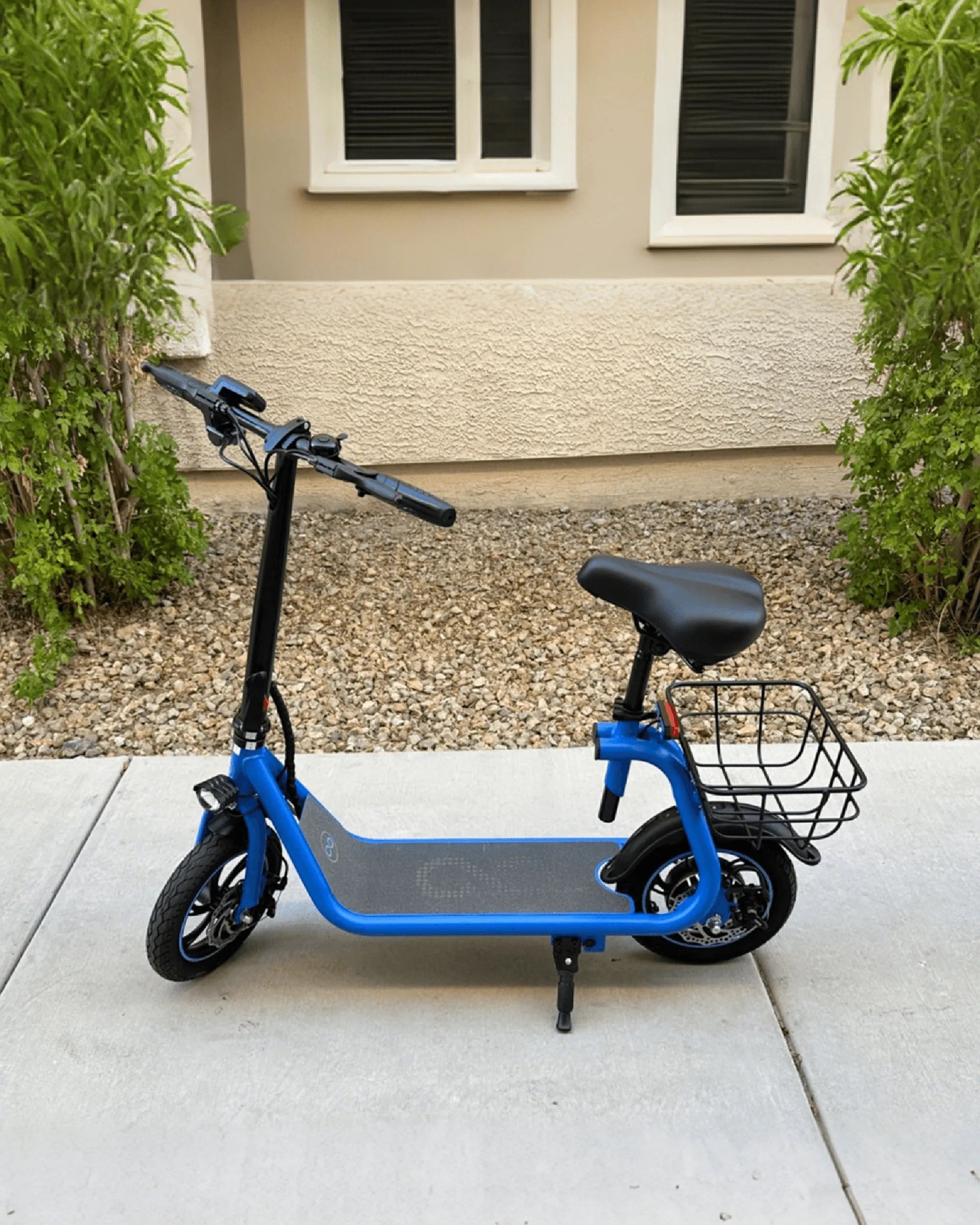
When it comes to tricycles, the tires are often the unsung heroes of the ride. They bear the weight, absorb the shocks, and keep you rolling smoothly—whether you're cruising through the park or tackling rough terrain. But with so many options available, how do you choose the right tricycle tires for your needs? This comprehensive guide dives deep into the world of tricycle tires, covering everything from materials and tread patterns to maintenance and performance tips. By the end, you'll be equipped with the knowledge to make the best choice for your ride.
Types of Tricycle Tires
Tricycle tires come in various types, each designed for specific riding conditions and preferences. Here are the most common ones:
- Pneumatic Tires: These are air-filled tires, similar to those on bicycles. They offer excellent shock absorption and a smooth ride, making them ideal for uneven surfaces.
- Solid Tires: Made from durable rubber or foam, these tires are puncture-proof and require no maintenance. However, they provide less cushioning than pneumatic tires.
- Semi-Pneumatic Tires: A hybrid between pneumatic and solid tires, these offer some shock absorption while being more resistant to punctures.
Materials and Construction
The material and construction of tricycle tires play a crucial role in their performance and durability. Common materials include:
- Rubber: The most common material, offering a good balance of grip, durability, and comfort.
- Foam: Lightweight and puncture-proof, but less comfortable on rough terrain.
- Polyurethane: Durable and resistant to wear, often used in high-performance tires.
Tread Patterns and Their Importance
The tread pattern on tricycle tires affects traction, stability, and handling. Here's what to consider:
- Smooth Treads: Best for indoor or smooth pavement riding, offering minimal rolling resistance.
- Knobby Treads: Designed for off-road or uneven surfaces, providing superior grip.
- Ribbed Treads: A middle ground, offering decent traction on both smooth and slightly rough surfaces.
Size and Fit
Choosing the right tire size is essential for optimal performance. Tricycle tires are typically measured by diameter and width. Common sizes include 12-inch, 16-inch, and 20-inch diameters. Always check your tricycle's specifications to ensure a proper fit.
Maintenance Tips
Proper maintenance can extend the life of your tricycle tires and improve your riding experience. Follow these tips:
- Check Air Pressure: For pneumatic tires, maintain the recommended air pressure to avoid flats and ensure a smooth ride.
- Inspect for Wear: Regularly check for cracks, punctures, or uneven wear, and replace tires as needed.
- Clean Regularly: Remove dirt and debris to prevent premature wear and maintain traction.
Performance Factors
Several factors influence how well your tricycle tires perform:
- Load Capacity: Ensure the tires can support the combined weight of the rider and any cargo.
- Rolling Resistance: Lower resistance means easier pedaling, especially on smooth surfaces.
- Grip and Traction: Choose tires with the right tread pattern for your typical riding conditions.
When to Replace Your Tricycle Tires
Even the best tires wear out over time. Look for these signs that it's time for a replacement:
- Visible cracks or splits in the rubber
- Frequent flats (for pneumatic tires)
- Reduced traction or handling
- Uneven wear patterns
Upgrading your tricycle tires can transform your riding experience, offering better comfort, performance, and safety. Whether you're a casual rider or a dedicated enthusiast, investing in the right tires will pay off in miles of smooth, enjoyable rides. Ready to hit the road with confidence? Your perfect tricycle tires are just a decision away.
Enclosed Mobility Scooter Nearby: The Ultimate Guide to Safe and Comfortable Travel
Enclosed Mobility Scooter Nearby: The Ultimate Guide to Safe and Comfortable Travel