


Introduction to Trike Bikes with Baskets
Forget the balancing act. A trike bike with basket, or adult tricycle, represents a fundamental shift in personal mobility, prioritizing stability, utility, and accessibility above all else. This is not a child's toy but a serious vehicle designed for adults who value practicality and confidence on two—or rather, three—wheels. The core appeal lies in its simple, brilliant design: a stable three-point contact with the ground and integrated cargo solutions that transform it from a mere recreational item into a daily tool.
You will learn what makes a trike bike uniquely suited for a wide demographic, from seniors and individuals with balance concerns to eco-conscious commuters and weekend market-goers. We will dissect the ergonomic design, explore the transformative utility of baskets and cargo systems, and provide a detailed checklist for selecting the right model. By the end, you'll understand how a trike bike with basket can seamlessly integrate into your life, offering a liberating blend of independence and function.
The Unmatched Stability & Comfort of a Trike
The defining characteristic of any trike bike is its three-wheel configuration. This design eliminates the need for dynamic balancing, a primary barrier to cycling for many. The rider is supported at a standstill and in motion, providing an immediate sense of security. This inherent stability is the foundation upon which all other benefits are built, allowing riders to focus on the journey rather than their equilibrium.
Complementing this stability is an ergonomic design philosophy centered on comfort. Most trike bikes feature a low-step or step-through frame, making mounting and dismounting effortless. The seating position is upright, promoting a natural spine alignment and offering a commanding view of the road. This relaxed geometry reduces strain on the back, neck, and wrists, making longer rides not just possible but pleasant.
The riding experience is fundamentally different from a traditional bicycle. There's no wobble at low speeds or when starting and stopping. This makes a trike bike with basket exceptionally forgiving, ideal for navigating parking lots, crowded park paths, or busy suburban streets where frequent stops are necessary. The peace of mind this stability affords cannot be overstated.
Who Benefits Most from a Trike's Design?
The user base for a trike bike is remarkably broad. Seniors are primary beneficiaries, as the design directly addresses common age-related concerns like diminished balance, joint stiffness, and reduced core strength. It allows them to maintain an active, mobile lifestyle safely.
Individuals with physical limitations, whether temporary from an injury or more permanent, find trikes offer a path back to cycling. Conditions affecting balance, leg strength, or coordination are mitigated by the stable platform. Furthermore, casual riders and hobbyists who prioritize a stress-free, scenic ride over speed or athleticism appreciate the comfort and simplicity.
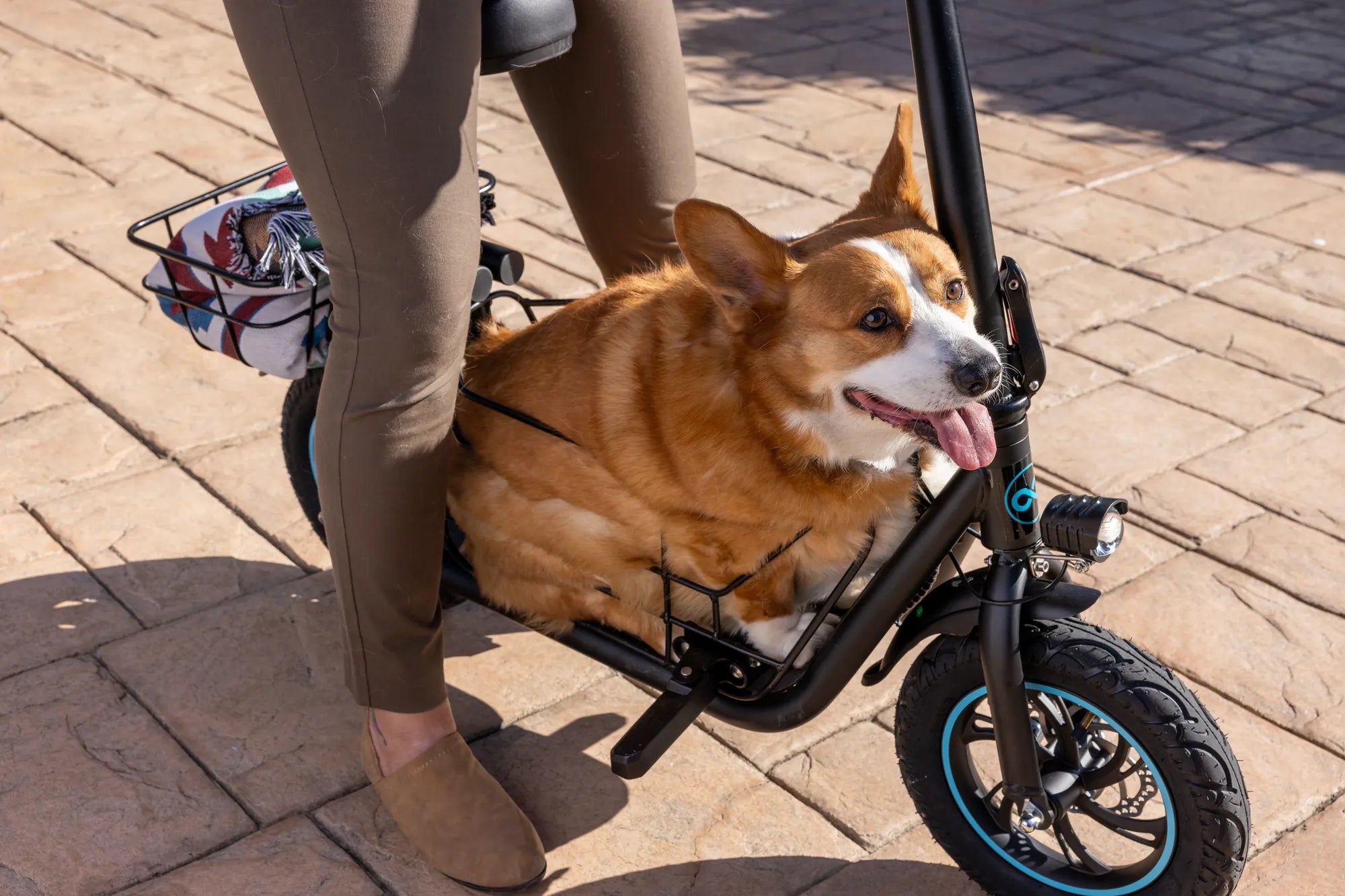
Finally, anyone who needs to transport heavy, bulky, or unstable loads benefits from the trike's stable base. The basket provides a secure platform for groceries, packages, or even small pets, without the worry of tipping over that accompanies a standard two-wheeled bicycle.
The Utility Powerhouse: Baskets, Cargo, and Customization
While the third wheel provides stability, the basket unlocks true utility. On a trike bike, the basket is not a mere accessory; it is an essential feature that redefines the vehicle's purpose. It transforms the trike from a personal transporter into a practical cargo hauler, enabling car-free errands and adding a layer of convenience to every trip.
The presence of a basket fundamentally changes riding behavior. Spontaneous stops at the farmers' market, library, or hardware store become simple affairs. There's no need to plan around carrying capacity or juggle bags on handlebars. This utility empowers riders to replace short car trips, reducing emissions and fostering a deeper connection with their local community.
The utility of a trike bike with basket extends beyond the basket itself. The stable frame is a perfect platform for customization. Many riders add secondary baskets, pannier bags, rear racks, or even small trailers, creating a modular cargo system tailored to their specific needs, from grand grocery hauls to gardening supplies.
Front vs. Rear Baskets: Choosing Your Configuration
Most trike bikes come with a front-mounted basket as standard. This configuration offers excellent accessibility and visibility. You can easily see and reach your belongings while riding or stopped. It's ideal for items you need frequent access to, like a purse, map, or small purchases.
However, a heavily loaded front basket can slightly affect steering feel due to the weight on the steering mechanism. For larger, heavier loads, rear baskets, panniers, or a rear rack are superior. They keep the weight centered over the rear axle, improving weight distribution and handling. Many trikes offer mounting points for both, allowing you to use a front basket for daily essentials and add rear capacity for big shopping trips.
Beyond the Basket: Expanding Your Trike's Capacity
To maximize your trike's potential, consider these additions. A sturdy rear rack can hold bungee-corded boxes or a large, removable basket. Pannier bags slung over the rear wheel provide balanced, waterproof storage for groceries or work gear. For the ultimate cargo solution, a small bicycle trailer hitched to the rear can turn your trike into a mini freight vehicle, capable of carrying multiple bags of soil, a large cooler, or even a child.
This expandability positions a well-equipped trike bike with basket as a legitimate car replacement for urban and suburban dwellers. The combination of stability and cargo space solves the two biggest practical hurdles of utility cycling.
Key Features to Consider When Choosing Your Trike Bike
Selecting the right trike requires careful evaluation of several key features. Your choice will depend on your primary use case, physical needs, local terrain, and budget. This checklist will guide you toward an informed decision that ensures long-term satisfaction and safety.
First, assess the frame material and construction. Steel frames offer durability and a smooth ride but are heavier. Aluminum frames are lighter and rust-resistant, making them easier to maneuver and store. Look for welded joints that appear clean and robust, indicating quality manufacturing.
Next, examine the braking system. Common options include coaster brakes (pedal backward to brake), which are simple and low-maintenance, and hand-operated caliper or disc brakes, which offer more modulated stopping power. For heavier riders or those in hilly areas, a dual-brake system or disc brakes are highly recommended for consistent, reliable stopping.
Motor and Battery: Electric Trike (E-Trike) vs. Traditional
This is a critical decision. A traditional pedal-powered trike is sufficient for flat terrain and short distances. However, an electric trike (e-trike) with pedal assist is a game-changer. A small electric motor provides boost when you pedal, helping you conquer hills, combat headwinds, and travel longer distances without fatigue.
For an e-trike, the battery is paramount. Insist on models with UL-certified battery packs, like those used by trusted brands such as Gyroor. These batteries undergo rigorous testing for safety, performance, and longevity, often rated for 500+ charge cycles. This certification is a non-negotiable safety feature, protecting against overheating and ensuring reliable power delivery for years.
Build Quality and Safety Components
Scrutinize the components. A comprehensive warranty (e.g., 1-year on frame and components) is a strong signal of brand confidence. Check the gear system if you have hills; a 7-speed internal or external gear hub provides necessary range. Ensure the trike has proper reflectors and consider adding lights for visibility. The quality of the seat, grips, and basket attachment points also speaks to the overall build.
The Practical Details: Weight Capacity, Assembly, and Adjustability
Always check the total weight capacity, which includes the rider and all cargo. Exceeding this limit compromises safety and can damage the frame. Consider assembly requirements; some trikes ship 90% assembled, while others require more work. Professional assembly is often advisable.
Finally, look for adjustability. An adjustable seat post and handlebar stem allow you to fine-tune the riding position for optimal comfort and efficient pedaling. A proper fit reduces strain and makes the trike enjoyable for riders of different heights.
Trike Bike with Basket in Action: Real-World Use Cases
Theoretical benefits are one thing; practical application is another. Here’s how a trike bike with basket integrates into daily life, providing tangible value and enhancing independence across various scenarios.
The Grocery Getter and Errand Runner
This is the quintessential use case. A weekly grocery run becomes a simple, car-free mission. The large basket holds multiple reusable bags. The stability means you can load it to capacity without fear of tipping. Post office trips, pharmacy pickups, and library visits are all streamlined. The trike eliminates parking hassles, fuel costs, and the stress of navigating crowded lots, turning chores into pleasant outings.
The Leisurely Explorer and Community Connector
For recreational riders, the trike offers a new way to explore. Pack a picnic lunch, a blanket, and a book in the basket and head to the park. Visit a local farmers' market, with ample space for fresh produce and artisan goods. The comfortable, upright position is perfect for sightseeing and socializing. It facilitates connection with neighbors and the local environment at a relaxed, human pace.
The Green Commuter (Especially E-Trikes)
For those with a commute under 5-10 miles, an e-trike is a formidable alternative. The pedal assist ensures you arrive without sweat on hills, while the basket or panniers securely hold a laptop bag, lunch, and a change of clothes. The stability is a major asset in urban stop-and-go traffic. You bypass traffic jams, save on parking fees, and contribute to cleaner air, all while enjoying a stress-free start and end to your workday.
Making the Decision: Is a Trike Bike with a Basket Right for You?
Choosing a trike bike is about prioritizing specific values over others. It is not the right tool for high-speed fitness training or aggressive trail riding. Its domain is practical, confident, and comfortable mobility.
Consider a trike if your top priorities are: stability and safety due to balance concerns; cargo utility for daily tasks; ergonomic comfort for pain-free riding; and accessibility for easy mounting. It is an excellent choice for those seeking to maintain or regain cycling independence without the physical demands of a standard bicycle.
Contrast this with a traditional bicycle, which offers greater speed, agility, and portability but requires balance and provides less inherent cargo stability. A trike bike with basket occupies a unique niche, blending the best aspects of a bicycle, a shopping cart, and a mobility aid into one versatile machine.
Frequently Asked Questions (FAQ)
Q: Are trike bikes difficult to steer or maneuver?
A: They have a wider turning radius than a bicycle and require a bit more space to turn, but they are not difficult to steer. The handling is direct and stable. Most riders adapt within minutes, and the trade-off in maneuverability is far outweighed by the gain in stability, especially at low speeds.
Q: Can I ride a trike bike on hills?
A: A traditional trike requires adequate gearing and leg power for hills. For any significant incline, an electric trike (e-trike) with pedal assist is highly recommended. The motor provides crucial assistance, making hills manageable and preventing strain, which is why brands like Gyroor integrate reliable motors and UL-certified batteries into their designs for such scenarios.
Q: How important is the basket's weight capacity?
A> It is crucial. Always check the manufacturer's specified limit for the basket and the trike's overall cargo capacity. Distribute weight evenly and avoid overloading one side. Placing too much weight in a front basket can make steering heavier, so for heavy loads, using a rear basket or panniers for better weight distribution is advised.
Q: What maintenance does a trike require?
A: Maintenance is similar to a bicycle but often easier due to stability. Key tasks include checking and maintaining proper tire pressure, lubricating the chain (on geared models), and ensuring brakes are functioning correctly. The stable stand makes it easier to perform basic checks without a kickstand. Annual professional tune-ups are recommended.
Q: Can I add a basket to a trike that doesn't come with one?
A: Absolutely. Most trikes have mounting points or frames that can accommodate aftermarket baskets. You can find universal-fit front and rear baskets that attach via straps, clamps, or bolts. Ensure the attachment is secure and does not interfere with steering or brakes.
Comparison: Traditional Trike vs. Electric Trike (E-Trike)
| Feature | Traditional Trike Bike | Electric Trike (E-Trike) |
|---|---|---|
| Primary Power | Pedal-only | Pedal + Electric Motor Assist |
| Ideal For | Flat terrain, short distances, light exercise | Hilly areas, longer commutes, riders seeking assistance |
| Max Range | Limited by rider fitness | 20-50+ miles per charge (varies by battery) |
| Ease on Hills | Challenging, requires gearing & strength | Significantly easier with motor assist |
| Cost | Generally lower upfront cost | Higher upfront cost, but replaces fuel/transit costs |
| Maintenance | Standard bike maintenance | Adds battery care and occasional motor check |
| Best User Profile | Budget-conscious rider on flat ground | Commuter, senior in hilly area, utility rider |
Conclusion: Redefining Freedom on Three Wheels
A trike bike with basket is more than a vehicle; it's an empowerment tool. It returns the simple joy of cycling to those who thought it was lost and grants practical independence to those who need it most. By perfectly blending unwavering stability with genuine cargo utility, it solves real-world problems—how to get groceries without a car, how to stay active despite physical limitations, how to commute without stress.
This unique combination fosters a sustainable, engaged, and healthy lifestyle. Whether you choose a traditional model for leisurely park rides or a robust e-trike for conquering daily hills with a load of cargo, you are choosing confidence and capability. The journey toward a more connected, independent, and practical mode of transport starts on three stable wheels.
Ready to experience this unique blend of stability and utility? Browse the full Gyroor collection, featuring reliable e-bikes and trikes built with UL-certified safety and rider-focused design, at gyroorboard.com.
Motorcycle & Scooter Tires: The Ultimate Guide to Grip, Safety, and Performance
Long Scooter Board: The Ultimate Hybrid for Commuting and Cruising