

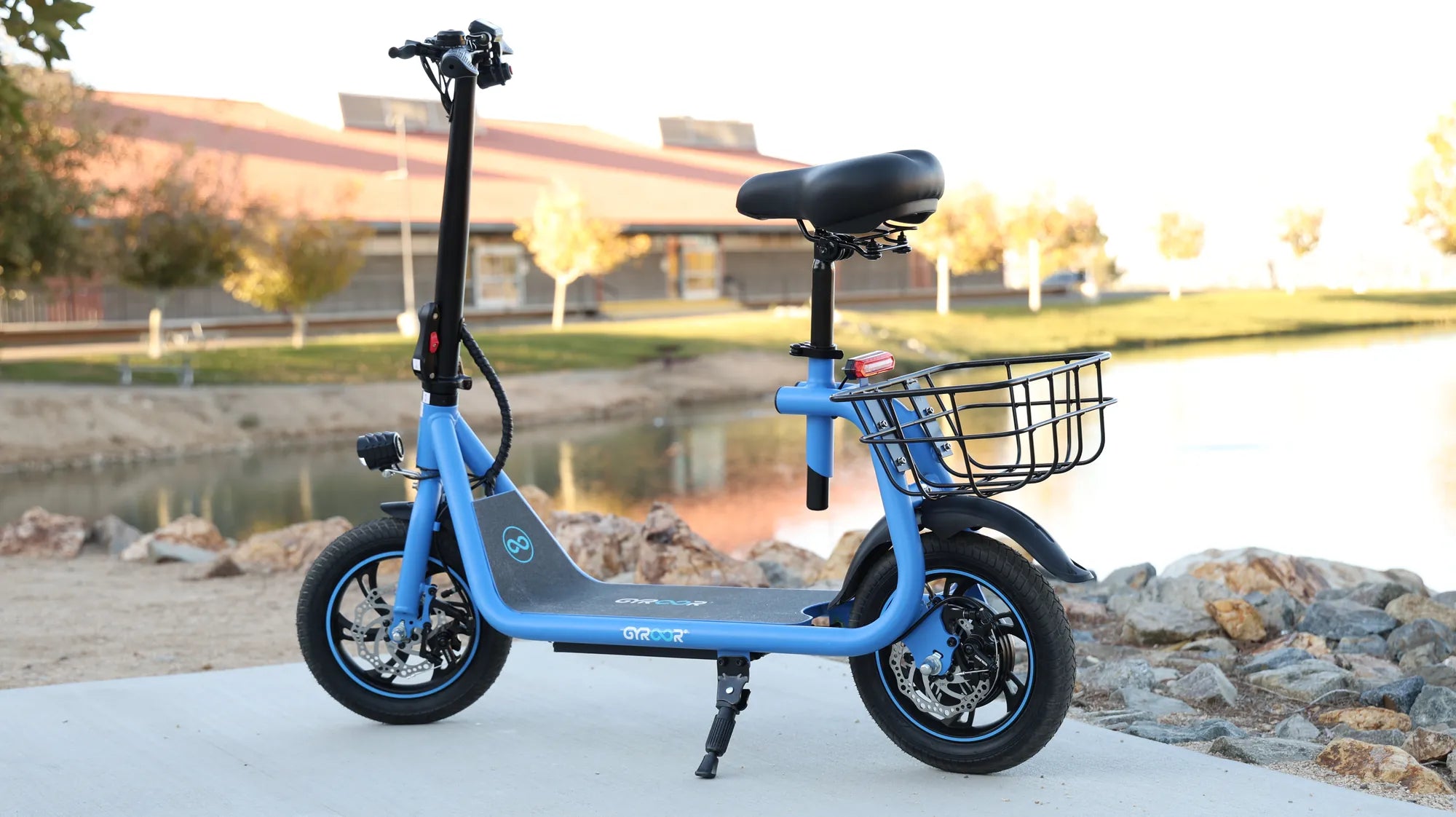
Imagine gliding effortlessly up hills, arriving at your destination without breaking a sweat, and reducing your carbon footprint—all while riding the same bike you love. Turning your bike electric is not just a trend; it’s a game-changer for commuters, fitness enthusiasts, and eco-conscious riders alike. Whether you’re looking to save money on gas, reduce emissions, or simply make your daily ride more enjoyable, converting your bike to electric is a smart and sustainable choice.
Why Turn Your Bike Electric?
Electric bikes, or e-bikes, have surged in popularity for good reason. They offer the perfect blend of pedal power and electric assistance, making cycling accessible to a wider range of people. Here are some compelling reasons to consider converting your bike:
- Eco-Friendly: Reduce your carbon footprint by ditching gas-powered vehicles.
- Cost-Effective: Save money on fuel, parking, and public transportation.
- Health Benefits: Enjoy the flexibility of pedal-assist or full electric mode.
- Convenience: Tackle long distances and steep hills with ease.
How to Turn Your Bike Electric
Converting your bike to electric is easier than you might think. Here’s a step-by-step breakdown of the process:
1. Choose the Right Conversion Kit
Electric bike conversion kits come in various types, including hub motors, mid-drive motors, and friction drives. Each has its pros and cons, so it’s important to select one that matches your riding style and bike frame.
2. Gather the Necessary Tools
You’ll need basic tools like wrenches, screwdrivers, and a torque wrench. Some kits include everything you need, while others may require additional components like a battery mount or throttle.
3. Install the Motor
Depending on your kit, the motor may attach to the front or rear wheel hub or the bike’s bottom bracket. Follow the manufacturer’s instructions carefully to ensure a secure fit.
4. Mount the Battery
The battery is the heart of your electric bike. Choose a location that balances weight distribution and accessibility, such as the downtube or rear rack.
5. Connect the Electronics
Wire the motor, battery, throttle, and controller according to the kit’s instructions. Double-check all connections to avoid malfunctions.
6. Test and Adjust
Take your newly electric bike for a spin in a safe area. Fine-tune the settings, such as pedal-assist levels and throttle sensitivity, to suit your preferences.
Tips for a Successful Conversion
To ensure a smooth transition to electric biking, keep these tips in mind:
- Check Local Laws: E-bike regulations vary by region, so familiarize yourself with local rules.
- Maintain Your Bike: Regular maintenance, such as checking tire pressure and brake function, is crucial.
- Start Slow: Get accustomed to the added power and weight before tackling challenging terrain.
- Invest in Safety Gear: Helmets, lights, and reflective gear are essential for safe riding.
The Future of Electric Biking
As technology advances, electric bikes are becoming more efficient, affordable, and versatile. From urban commuters to off-road adventurers, the possibilities are endless. By turning your bike electric, you’re not just upgrading your ride—you’re joining a movement toward cleaner, smarter transportation.
Ready to revolutionize your commute? With the right tools and a bit of know-how, you can turn your bike electric and enjoy the ride of a lifetime. Say goodbye to traffic jams and hello to a greener, faster, and more enjoyable way to get around.
Cheapest 1000W Electric Bike USA: Affordable Power for Your Commute
Electric Trials Bike Price: What You Need to Know Before Buying