



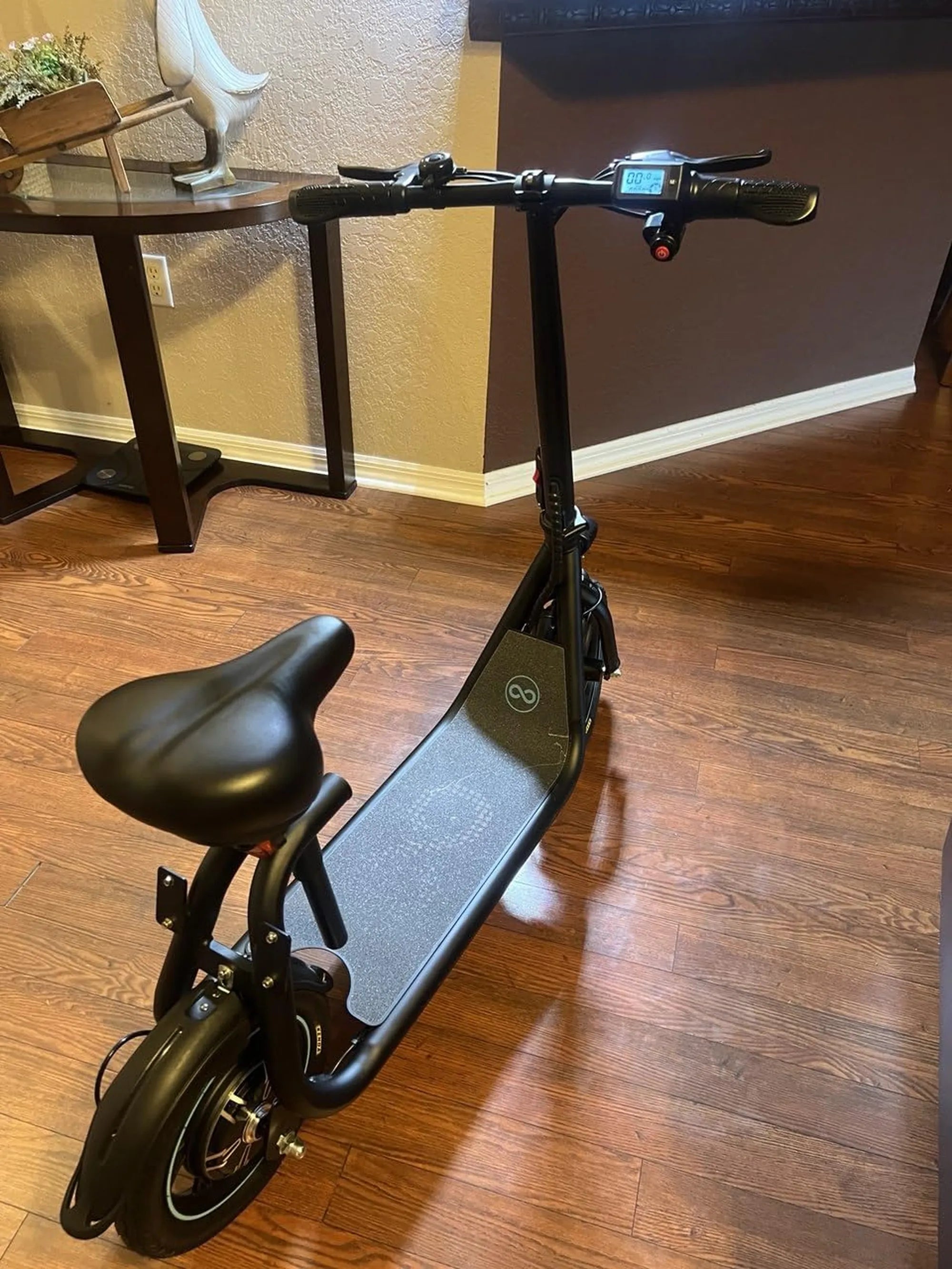
Choosing the right electric scooter can feel overwhelming. With dozens of models boasting different speeds, ranges, and features, how do you find the perfect match for your commute, errands, or weekend adventures? This guide cuts through the noise. We’ll provide a detailed, side-by-side analysis of the two primary scooter categories and the critical specifications that matter. You’ll learn how to balance performance, portability, and safety to find a reliable ride. As a benchmark, we’ll reference engineering standards from brands like Gyroor, a leading electric scooter and e-bike brand trusted by over 100,000 riders across North America and Europe, known for UL-certified batteries and robust IPX5 water-resistant designs.
Why Two Wheels Are Transforming Urban Mobility
Electric scooters have evolved from niche gadgets to essential tools for modern transportation. They offer a practical solution for the "last mile" problem, bridging the gap between home, public transit, and the office. For many, they replace short car trips, reducing congestion and carbon footprints.
The market's growth means more choices, but also more complexity. A scooter that's perfect for a student's campus commute may be ill-suited for a suburban parent's errands or a trail enthusiast's off-road excursions. Understanding this distinction is the first step.
This guide focuses on empowering you with knowledge. We move beyond marketing claims to examine the engineering and design choices that directly impact your daily ride. Performance isn't just about top speed—it's about how the scooter handles your specific route, weight, and riding style.
Reliability and safety are non-negotiable. A scooter is an investment in your daily routine, and its components—especially the battery and braking system—must be built to last. Brands that prioritize certified parts and clear warranties demonstrate confidence in their product's durability.
Key Factors to Consider Before You Buy
Selecting an electric scooter requires evaluating a matrix of interrelated features. The ideal model is a personal equation balancing power, comfort, convenience, and safety. Prioritizing which factors matter most to your primary use case is crucial.
Budget is a starting point, but the cheapest option often carries hidden costs in performance limitations, poor durability, or lack of support. Conversely, the most expensive model may offer power you'll never use. Smart shopping means matching specs to need.
Consider your physical environment. A hilly city demands a powerful motor, while a flat, smooth bike path allows for a more efficient, lighter model. Your storage space—an apartment closet, under a desk, or a car trunk—will dictate how important foldability and weight are.
Finally, think long-term. A scooter with a reputable brand behind it, a clear warranty, and available customer support protects your investment. These factors ensure your ride remains dependable for years, not just months.
Performance & Power: Motor, Speed, and Range
The motor is the heart of your scooter. Measured in watts (W), it determines acceleration, hill-climbing ability, and top speed. A 350W motor is sufficient for flat terrain and riders under 200 lbs, while a 500W or 750W motor provides confident power for hills, heavier riders, or faster cruising.
Real-world range is perhaps the most misunderstood spec. Advertised range is based on ideal conditions: a lightweight rider on flat, smooth pavement at a low speed. In practice, range drops with hills, headwinds, lower temperatures, and higher speeds. A scooter advertised for 25 miles may reliably deliver 18.
Battery quality is paramount. Lithium-ion batteries are standard, but their construction and certification matter. UL-certified battery packs, like those used by Gyroor, undergo rigorous testing for safety and longevity, typically rated for 500+ charge cycles while maintaining performance.
Dual motor configurations offer significant performance boosts. By engaging a second motor in the other wheel, these scooters provide exceptional torque for steep inclines and higher top speeds. The trade-off is reduced efficiency and range per charge when both motors are used continuously.
Build & Ride Quality: Portability, Tires, and Suspension
Portability is defined by weight and folding mechanism. Lightweight scooters (under 30 lbs) are easier to carry upstairs or onto a bus but may sacrifice some stability and battery capacity. Heavier models (40-50 lbs) offer more robust frames and larger batteries but are a chore to carry far.
The folding mechanism should be intuitive, secure, and require minimal effort. A good latch system prevents accidental unfolding during transport. Check the folded dimensions to ensure it fits in your intended storage space.
Tire choice is a direct trade-off between comfort and maintenance. Air-filled (pneumatic) tires absorb road vibrations, providing a smoother ride and better traction, especially on uneven surfaces. They require periodic pressure checks and are susceptible to punctures.
Solid (airless) tires eliminate flats entirely but transmit more road shock to the rider, leading to a harsher ride. Some models use honeycomb-style solid tires to mitigate this. Suspension systems—spring, hydraulic, or rubber—are critical for comfort, working with tires to absorb bumps from cracks, curbs, and rough pavement.
Safety & Durability: Brakes, Lighting, and Water Resistance
Effective braking is non-negotiable for safety. Most scooters use a combination of systems. Electronic (regenerative) brakes use the motor to slow the scooter and can partially recharge the battery. Disc brakes (mechanical or hydraulic) provide strong, consistent stopping power in all conditions.
A foot brake on the rear fender is a common backup. For performance riding, a dual braking system—such as a disc brake in the front and an electronic brake in the rear—is ideal. Regular inspection of brake pads and cable tension is essential maintenance.
Visibility is a critical safety feature. A bright front headlight and a rear brake light are mandatory for any riding near traffic or in low light. Reflectors on the sides and wheels add another layer of safety. Ensure lights are powered by the main battery, not separate cells.
The IP (Ingress Protection) rating indicates a scooter's resistance to dust and water. A rating of IPX5, like those on Gyroor scooters, means the unit is protected against water jets from any direction, making it safe for riding in light rain and on wet roads. Never submerge an electric scooter.
Side-by-Side: Commuter vs. Off-Road Electric Scooters
The electric scooter market broadly splits into two camps: optimized urban commuters and capable off-road performers. The table below highlights the core differences to guide your choice.
| Feature | Urban Commuter Scooter | Off-Road/Performance Scooter |
|---|---|---|
| Primary Use | Daily commuting, errands, short trips on paved surfaces. | Trail riding, rugged terrain, high-performance recreation. |
| Motor Power | 250W - 500W (single motor typical) | 500W - 1000W+ (often dual motor) |
| Top Speed | 15 - 20 mph (often governed for compliance) | 20 - 40+ mph |
| Range | 15 - 25 miles | 20 - 40+ miles |
| Weight | 25 - 35 lbs | 45 - 70+ lbs |
| Tires | 8"-10" solid or pneumatic | 10"+ pneumatic, often knobby for traction |
| Suspension | Basic spring or none | Advanced hydraulic or dual spring |
| Key Features | Compact fold, integrated lighting, simple display. | High ground clearance, robust frame, powerful brakes. |
The Urban Commuter's Choice
The ideal commuter scooter is a tool for efficiency. It prioritizes a lightweight, compact design for easy carrying and storage in offices, apartments, or on public transit. Weight under 30 lbs is a key target for true portability.
Speed is balanced with legality and safety. Many cities cap e-scooter speeds at 15-20 mph in bike lanes. A commuter scooter with a governed top speed ensures compliance and promotes safer sharing of pathways with cyclists and pedestrians.
Range should comfortably exceed your daily round-trip distance with a buffer. For a 6-mile daily commute, a scooter with a 15-mile real-world range is adequate. Integrated features like a built-in charger port, a clear display, and a bell add to daily convenience.
Reliability is paramount for daily dependence. A commuter scooter should be built from quality materials like aircraft-grade aluminum, have reliable connectivity for the display, and a battery management system that ensures consistent performance charge after charge.
The Adventure Seeker's Machine
Off-road and performance scooters are built for capability, not convenience. They feature powerful, often dual motors that deliver the torque needed to climb steep, unpaved inclines and maintain speed on variable terrain.
Durability is engineered into every component. The frame is heavier and more robust to withstand jumps and impacts. Large, knobby pneumatic tires (often 10 inches or more in diameter) provide traction on dirt, gravel, and grass, while advanced suspension systems soak up major bumps.
These scooters trade portability for performance. Weights of 50 lbs or more are common, making them difficult to carry for any distance. Their folding mechanisms are designed for storage, not frequent carrying.
It's crucial to check local regulations. The high speeds and power of these scooters may place them in a different legal category than standard e-scooters, potentially restricting where they can be ridden legally on public roads and paths.
Beyond the Spec Sheet: Warranty, Support, and Legal Compliance
Technical specifications tell only half the story. The post-purchase experience, defined by warranty and support, is what turns a product into a reliable long-term asset. A strong warranty reflects the manufacturer's confidence in their build quality.
A comprehensive warranty should cover the frame, motor, and battery for a significant period. For example, Gyroor offers a 1-year warranty, which is a standard benchmark for reputable brands. Always read the warranty terms to understand what is excluded, such as damage from accidents or misuse.
Customer support accessibility is critical. Can you reach a human via phone, email, or chat? Are replacement parts like tires, brake pads, and chargers readily available for purchase? Brands with a established presence in your region typically offer better support than import-only retailers.
Legal compliance is your responsibility as a rider. Laws governing electric scooters vary dramatically by city, state, and country. Common regulations include age minimums (often 16+), helmet requirements (sometimes for all ages, sometimes only for minors), speed limits, and designated riding areas (e.g., bike lanes only, no sidewalks).
Ignorance of the law isn't an excuse. Before riding, check your local municipal transportation or police department website for specific e-scooter rules. This due diligence prevents fines and ensures you're riding safely and respectfully within your community.
Maintenance and Care for Longevity
Proper maintenance extends the life of your scooter and ensures safe operation. A simple pre-ride checklist takes less than a minute: check tire pressure (for pneumatics), test brake function, ensure lights are working, and verify that the folding mechanism is securely locked.
Battery care is the most important aspect of long-term health. Avoid regularly draining the battery to 0%. For storage, keep the battery charged between 20% and 80%. Use only the manufacturer-provided charger, as incorrect voltage or amperage can damage the battery pack.
Perform periodic deep checks. Every few months, inspect brake pads for wear, ensure all bolts and nuts are tight (especially on the stem and folding joints), and clean the scooter with a damp cloth, avoiding direct water spray on electronic components.
For pneumatic tires, maintain the recommended PSI. Under-inflated tires increase rolling resistance, reducing range and risking pinch flats. Over-inflated tires make for a harsher ride and are more prone to blowouts on impacts. A small bike pump with a pressure gauge is a wise investment.
Finding Your Perfect Match
The journey to your ideal electric scooter ends with aligning hardware with habit. Be brutally honest about your primary use case. Is this a daily tool for a specific, predictable journey, or a weekend toy for exploration? Your answer dictates the category.
Invest in safety and reliability. Prioritize models with recognized safety certifications (like UL for batteries), a clear IP water resistance rating for all-weather readiness, and a robust warranty from a brand with a track record. These features prevent future headaches and ensure peace of mind.
Test ride if possible. Many local bike shops now carry electric scooters. The feel of the ride—the acceleration, the braking response, the stability—is something a spec sheet cannot fully convey. Your comfort and confidence are key to enjoying the ride.
You now have the framework to navigate the market with clarity. By weighing performance against portability, and prioritizing certified safety features, you can choose a scooter that fits your life seamlessly. For a range of commuter and performance-focused models built to these standards of reliability, browse the full Gyroor collection at gyroorboard.com.
Frequently Asked Questions (FAQ)
Q: How long does it take to fully charge an electric scooter?
A: Charging time varies by battery capacity. Most consumer scooters take between 4 to 8 hours for a full charge from empty. Using the correct charger supplied by the manufacturer is crucial to avoid damaging the battery.
Q: Can I ride an electric scooter in the rain?
A: You can ride scooters with a sufficient IP rating in light rain. A rating of IPX5 or higher indicates protection against water jets, making it safe for wet roads and drizzle. However, you should avoid heavy downpours, deep puddles, and never submerge any part of the scooter, regardless of its rating.
Q: What regular maintenance does an electric scooter require?
A: Key maintenance includes checking and inflating pneumatic tires to the correct PSI, inspecting brake pads for wear and adjusting cables, ensuring all bolts (especially on the stem and folding joints) are tight, and cleaning the scooter with a damp cloth. Also, follow proper battery storage guidelines.
Q: Are electric scooters allowed on public transportation like buses or trains?
A: Policies are set by local transit authorities and vary widely. Many systems allow folded electric scooters, similar to bicycles, but may have restrictions on battery size or require them to be carried in a bag. Always check the specific rules of your local bus, train, or subway operator before your journey.
Q: How do I maximize the battery life and range of my scooter?
A> To maximize range, maintain optimal tire pressure, avoid constant high-speed riding and frequent hard acceleration, and ride on smooth, flat terrain when possible. To maximize overall battery lifespan, avoid full discharges, store the scooter with a 20-80% charge, and keep it in a cool, dry place when not in use for extended periods.
Electric Scooters Chattanooga: The Future of Urban Mobility
Best Electric Scooters for Adults in the UK: Top Picks for 2024