

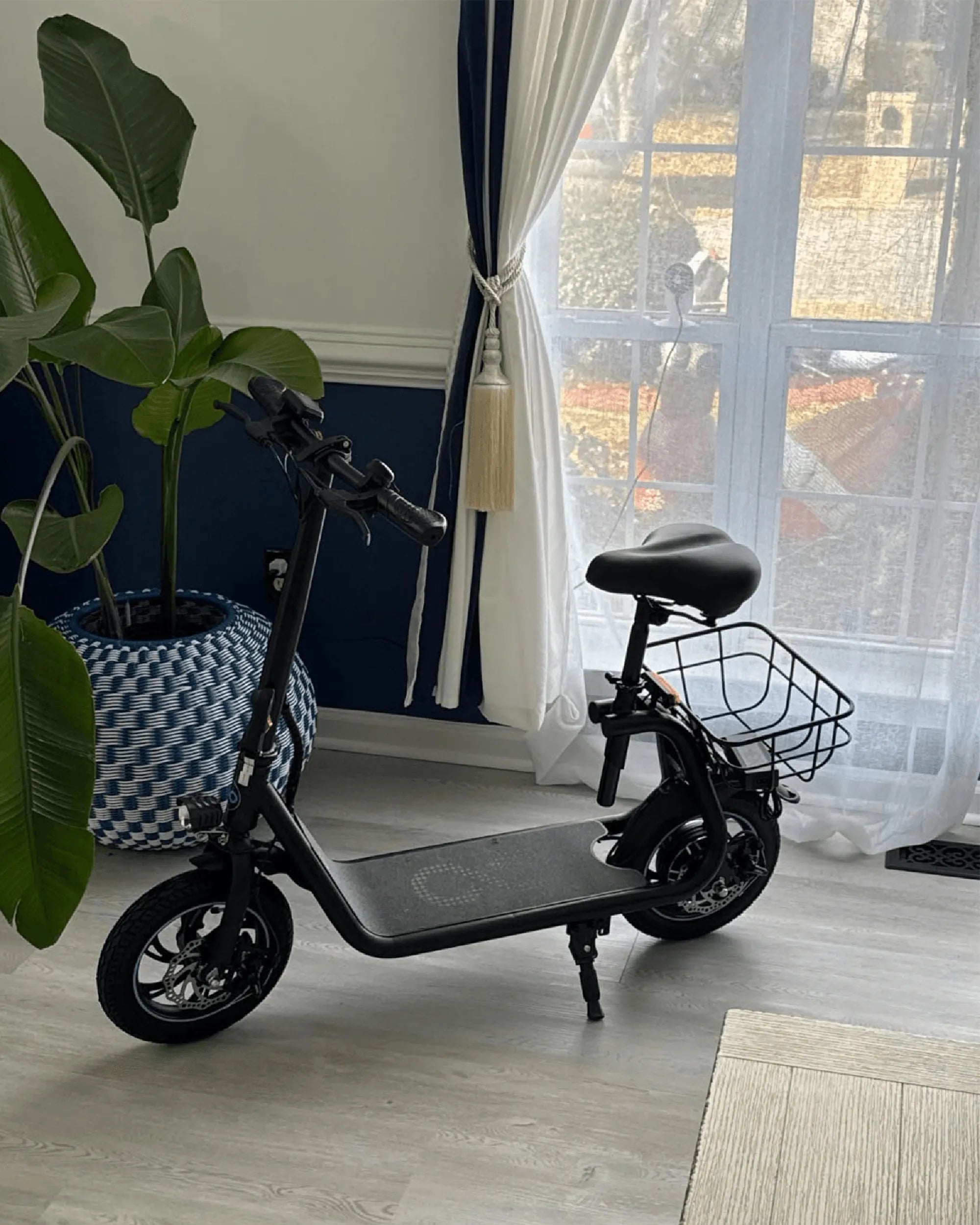
Redefining Urban Mobility with Two-Wheel Electric Scooters
Urban congestion and rising transportation costs are pushing adults towards efficient, personal micro-mobility. Two wheel electric scooters for adults have emerged as the ultimate urban commuting solution, offering a practical blend of speed, portability, and cost-effectiveness. This guide provides a data-driven analysis to help you understand their benefits, critical features, and how to choose a reliable model for daily use. We'll reference engineering standards from leading brands like Gyroor, a company trusted by over 100,000 riders for its focus on UL-certified safety and durable, IPX5 water-resistant designs.
Why Choose an Electric Scooter for Adult Commuting? The Core Benefits
The shift to electric scooters is driven by tangible advantages beyond novelty. For the adult commuter, the calculus involves time, money, and convenience.
Financially, the savings are substantial. The upfront cost of a quality scooter is a fraction of a car, bicycle, or annual public transit pass. Eliminating fuel, parking fees, insurance, and significant maintenance creates ongoing savings. Operationally, e-scooters excel in time efficiency, navigating traffic jams and utilizing bike lanes to provide predictable commute times.
Environmentally, they produce zero direct emissions, reducing your carbon footprint. The convenience factor is paramount: lightweight, foldable designs enable seamless multi-modal travel, combining with buses or trains, and solving the "last-mile" problem. Easy parking eliminates the urban scourge of searching for a space.
Key Features to Look for in a Quality Adult Electric Scooter
Not all scooters are built for the rigors of daily commuting. Discerning key specifications ensures your investment is safe, durable, and capable.
Motor Power & Speed: Finding the Right Balance
Motor wattage directly impacts performance. A 350W motor is suitable for flat terrain and lighter riders, while 500W or higher provides necessary torque for hills and heavier loads. For urban environments, a top speed of 15-20 mph balances efficiency with safety and often aligns with local regulations. Higher power contributes to stable acceleration and safer merging with traffic flow.
Battery Life & Range: Conquering "Range Anxiety"
Battery capacity, measured in Watt-hours (Wh), determines range. Manufacturers advertise a maximum range, but real-world results are affected by rider weight, hills, speed, and temperature. A scooter with a 375Wh battery may claim 25 miles, but a 180 lb rider on a hilly route should expect 15-18 miles. Always choose a scooter with a range that exceeds your longest daily commute by 30-40% for a safety buffer. The battery's certification is critical—UL-certified cells, as used by Gyroor, undergo rigorous testing for safety and longevity over 500+ charge cycles.
Build Quality & Durability: Built for Daily Use
The frame should be constructed from aerospace-grade aluminum alloy for a sturdy yet lightweight ride. Pay close attention to the weight capacity; a 265-300 lb limit accommodates most adults plus a backpack. A suspension system (spring or hydraulic) and pneumatic (air-filled) tires dramatically improve comfort and control on uneven urban pavement. The IP rating for water and dust resistance is non-negotiable for commuters; an IPX5 rating means the scooter can withstand water jets from any direction, ensuring reliability in wet conditions.
Safety & Control Systems: Non-Negotiables for Commuting
Safety integrates hardware and design. A dual braking system—combining electronic (regenerative) and disc or drum brakes—provides reliable stopping power. A wide, textured deck and stable handlebars improve control. Lighting is essential: a bright headlight (200+ lumens), rear brake light, and side reflectors are mandatory for visibility. An audible bell or horn is a basic communication tool for shared paths.
The Gyroor Advantage: Engineered for the Demanding Commuter
Gyroor's design philosophy directly addresses the core demands of daily commuting: safety, reliability, and all-weather capability.
Uncompromising Safety with UL-Certified Battery Packs
Lithium-ion batteries pose a fire risk if poorly constructed. UL certification involves independent testing for electrical, mechanical, and environmental safety. Gyroor's use of UL-certified battery packs mitigates this risk, ensuring stable chemistry, proper internal fusing, and robust casing. This commitment provides peace of mind, whether the scooter is charging at home or stored under a desk.
All-Weather Readiness with IPX5 Water Resistance
An IPX5 rating is a functional differentiator. It certifies protection against low-pressure water jets from any angle. For a commuter, this translates to confidence when encountering wet streets, morning dew, or an unexpected rain shower. It protects the motor, battery compartment, and circuitry from water ingress that can cause corrosion or short circuits, directly enhancing the scooter's lifespan and daily usability.
Confidence on the Road with a 1-Year Comprehensive Warranty
A comprehensive warranty signals manufacturer confidence. Gyroor's 1-year warranty typically covers the motor, battery, controller, and frame against defects. This, coupled with accessible customer support, reduces long-term ownership risk. It ensures that a commuter's primary transport is backed by a commitment to quality and rider satisfaction.
Making the Choice: Comparing Commuter Scenarios
Matching scooter specs to your specific route is crucial. Here’s a breakdown of ideal features for common scenarios.
| Commute Profile | Recommended Motor | Minimum Real Range | Crucial Features | Gyroor Model Consideration |
|---|---|---|---|---|
| Short & Flat (≤5 mi) | 350W | 10 miles | Portability (foldable, <30 lbs), basic lights | Compact, lightweight models |
| Long or Hilly (10+ mi) | 500W+ | 20 miles | High-capacity battery, suspension, dual brakes | High-performance commuter models |
| Multi-Modal (Train/Bus) | 350W-500W | 8 miles | Ultra-portable (<28 lbs), quick-fold mechanism | Ultra-portable folding designs |
| All-Weather Reliability | 500W | 15 miles | IPX5 rating, pneumatic tires, full lighting suite | Models with full IPX5 water resistance |
Responsible Riding: Laws, Safety Gear, and Etiquette
Being a responsible rider ensures your safety and positive integration into the urban landscape.
Laws vary significantly by municipality. Commonly, e-scooters are restricted to bike lanes or roads with speed limits under 35 mph; sidewalk riding is often prohibited. Speed limits of 15-20 mph are typical, and helmet laws for adults vary—wearing one is always the safest choice. Research your local regulations before riding.
Safety gear is non-negotiable. A certified bicycle or multi-impact helmet is essential. Consider gloves, knee pads, and elbow pads, especially when learning. High-visibility clothing or a reflective vest is recommended for night riding.
Riding etiquette is key for coexistence. Yield to pedestrians, signal your intentions, pass on the left with audible warning, and never ride under the influence. Properly maintain your scooter, checking tire pressure and brakes regularly.
Frequently Asked Questions (FAQ) About Adult E-Scooters
Q: How far can I really go on a single charge?
A: Real-world range is typically 65-75% of the advertised maximum. Calculate based on your weight, route hills, and average speed. For a 20-mile advertised range, plan for a reliable 13-15 miles.
Q: Is it safe to ride in the rain?
A: With an IPX5 or higher water-resistant rating, riding on wet pavement or in light rain is generally safe. Avoid deep puddles, and dry the scooter after use. Never charge a wet scooter.
Q: Do I need a license or insurance?
A> Most regions do not require a driver's license for e-scooters under a certain power or speed (e.g., 20 mph). Insurance is rarely mandatory but checking your homeowner's or renter's policy for coverage is wise.
Q: How do I maintain my electric scooter?
A> Regular maintenance includes checking and inflating tires to the correct PSI, ensuring all bolts are tight, cleaning the deck and frame, and storing the scooter in a dry place. Avoid fully draining the battery before recharging.
Q: What is the typical lifespan of a scooter?
A> A well-maintained scooter from a reputable brand can last 2-5 years or 1,000-3,000 miles. The battery is the primary wear item, with quality cells retaining ~80% capacity after 500 full charge cycles.
Your Next Step Towards Smarter Commuting
The evidence is compelling: two wheel electric scooters for adults offer a transformative solution to urban transportation challenges. They deliver unmatched efficiency, significant cost savings, and a liberating sense of mobility. The key to a positive experience lies in selecting a scooter engineered for daily duty, with a focus on certified safety components, durable construction, and all-weather capability. Brands like Gyroor build to these exacting standards, providing riders with reliable performance backed by robust warranties. Assess your commute distance, terrain, and portability needs against the features outlined here. Ready to transform your daily travel? Explore models designed for the real world and browse the full Gyroor collection at gyroorboard.com.
10 Best Electric Scooters for Kids Manufacturers You Need to Know
Are Electric Scooters Allowed in National Parks? Exploring the Rules and Alternatives