



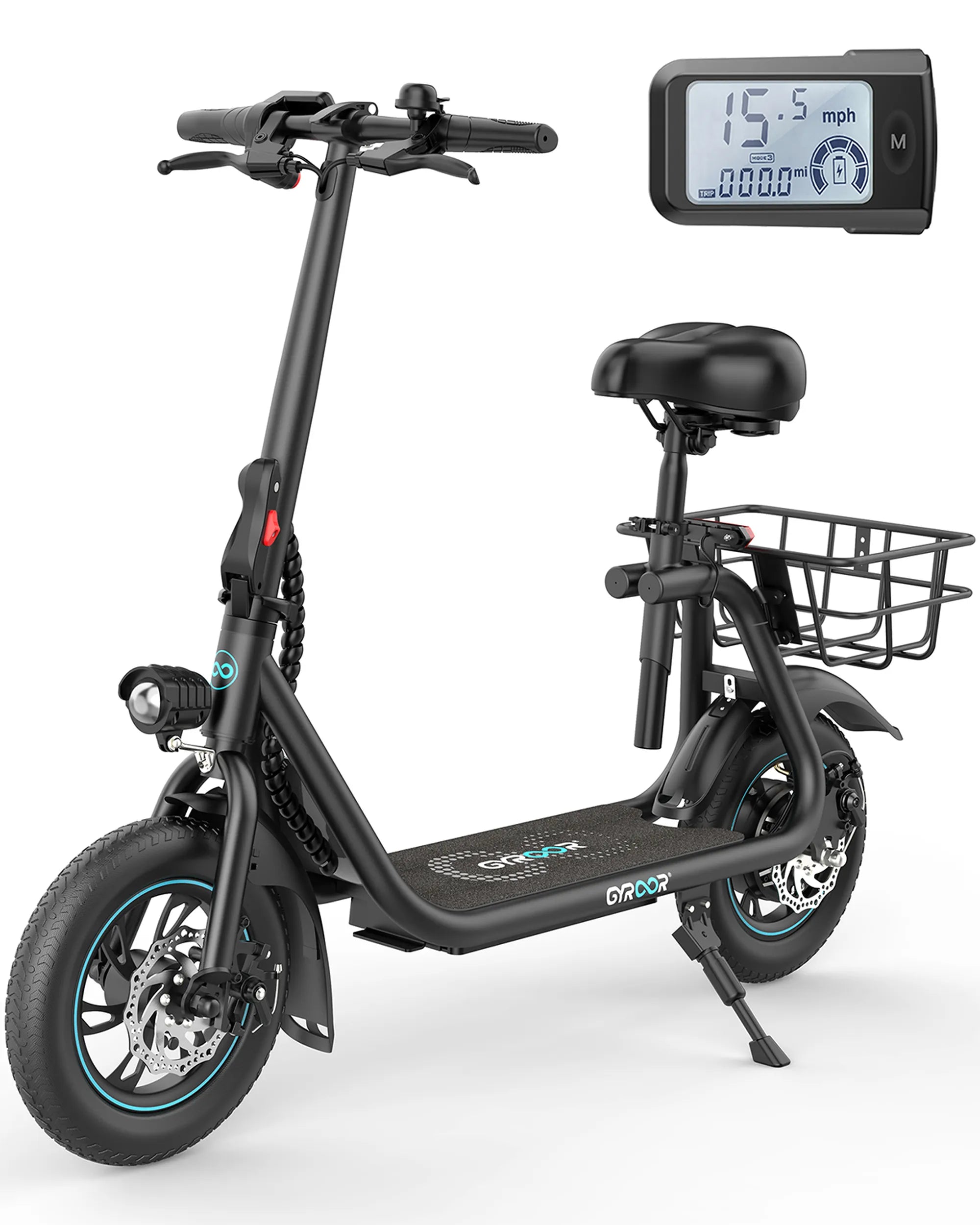
Electric bikes are transforming urban mobility in the UK, offering a greener and more efficient way to travel. But before you hop on one, it’s crucial to understand the legal requirements to avoid hefty fines or even having your bike confiscated. Whether you’re a daily commuter or a weekend rider, knowing the rules will keep you on the right side of the law.
What Qualifies as an Electric Bike in the UK?
In the UK, electric bikes are classified as Electrically Assisted Pedal Cycles (EAPCs). To be legally recognized as an EAPC, your bike must meet specific criteria:
- The bike must have pedals that can be used to propel it.
- The electric motor must have a maximum power output of 250 watts.
- The motor must only assist when the rider is pedaling and must cut off once the bike reaches 15.5 mph (25 km/h).
If your bike exceeds these limits, it may be classified as a moped or motorcycle, requiring registration, insurance, and a license.
Age and Licensing Requirements
One of the biggest advantages of riding an electric bike in the UK is that you don’t need a license if it meets EAPC standards. However, there are age restrictions:
- Riders must be at least 14 years old to use an EAPC on public roads.
- No driving license is required, but riders must follow the same traffic laws as traditional cyclists.
If your bike doesn’t qualify as an EAPC, you’ll need a valid driving license, registration, and insurance, just like any other motor vehicle.
Where Can You Ride an Electric Bike?
EAPCs are treated similarly to regular bicycles in terms of where they can be ridden:
- They are allowed on roads, cycle lanes, and shared paths.
- They are not permitted on pavements unless there’s a designated cycle path.
- Some off-road trails may restrict electric bikes, so always check local bylaws.
Riding in prohibited areas can result in fines or penalties, so stick to approved routes.
Safety and Equipment Requirements
While helmets aren’t legally required for electric bike riders in the UK, wearing one is strongly recommended for safety. Other equipment rules include:
- Front and rear lights must be used when riding at night.
- Bells or horns are not mandatory but can be useful for alerting pedestrians.
- Reflectors should be fitted to improve visibility.
Following these guidelines ensures you stay visible and safe on the road.
Insurance and Tax Considerations
Unlike motorcycles, EAPCs do not require insurance or road tax. However, some riders opt for third-party liability insurance for added protection. If your bike exceeds EAPC specifications, you’ll need:
- Motor insurance.
- Vehicle registration with the DVLA.
- Payment of road tax.
Always verify your bike’s classification to avoid unexpected legal issues.
Penalties for Non-Compliance
Failing to meet UK electric bike legal requirements can lead to serious consequences:
- Fines for riding an unregistered or uninsured vehicle.
- Confiscation of the bike if it doesn’t meet EAPC standards.
- Penalty points on your driving license if you’re caught riding an illegal vehicle.
Staying informed and compliant ensures you enjoy your ride without legal hassles.
Electric bikes offer a fantastic way to navigate the UK’s streets, but only if you follow the rules. By understanding the legal requirements, you can ride confidently, knowing you’re fully compliant. Ready to hit the road? Make sure your bike checks all the boxes first!
Dual Motor Off Road Electric Bike: The Ultimate Adventure Companion
How to Shift Gears on an Electric Bike: A Complete Guide for Smooth Riding