



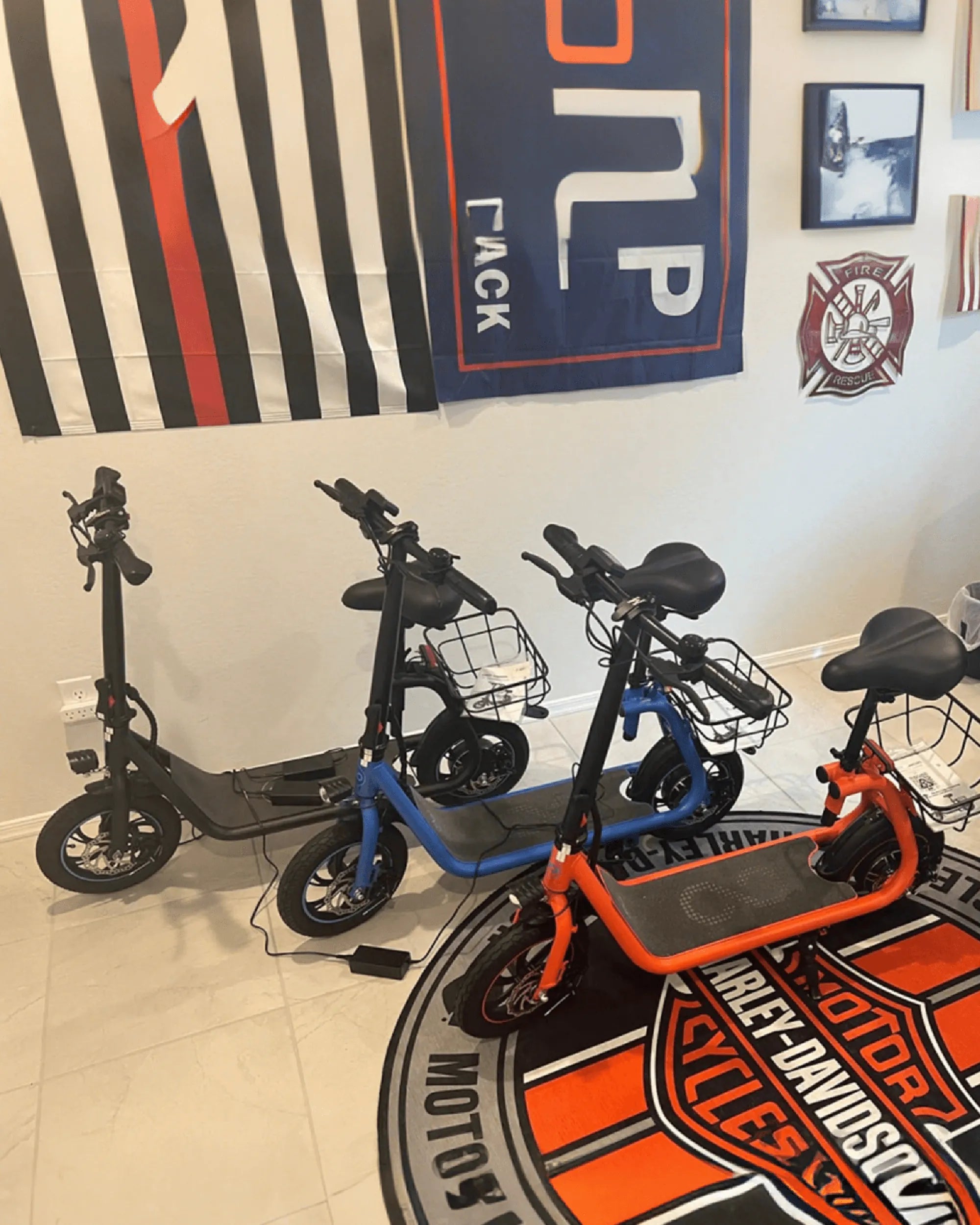
Electric scooters have taken India by storm, offering an eco-friendly and cost-effective alternative to traditional fuel-powered vehicles. Among the many factors buyers consider, the weight of electric scooters plays a crucial role in determining performance, portability, and compliance with local regulations. Whether you're a daily commuter or an occasional rider, understanding how weight affects your electric scooter experience is essential for making an informed purchase.
Why Electric Scooter Weight Matters in India
The weight of an electric scooter influences several aspects of its functionality and usability. In India's diverse urban and rural landscapes, where road conditions vary dramatically, the right scooter weight can make all the difference in your riding experience.
Performance and Battery Life
Heavier scooters typically require more power to move, which can impact battery life and overall performance. Lighter models may offer better acceleration and range, while heavier ones might provide more stability at higher speeds.
Portability and Storage
For urban dwellers with limited parking space or those who need to carry their scooters upstairs, weight becomes a critical factor. Lighter models are easier to maneuver in tight spaces and simpler to transport if needed.
Safety and Stability
While lighter scooters are easier to handle, heavier models often offer better stability, especially on uneven Indian roads or during windy conditions. The ideal weight balances maneuverability with road stability.
Typical Weight Ranges for Electric Scooters in India
Electric scooters in India generally fall into three weight categories, each suitable for different types of riders and usage patterns.
Lightweight Models (Under 50 kg)
These scooters are ideal for students, young professionals, and those who need to frequently move or transport their vehicle. They're perfect for short commutes and city riding but may lack some features found in heavier models.
Mid-range Models (50-80 kg)
Offering a balance between portability and performance, these scooters suit most urban commuters. They typically have better battery capacity and more features while remaining manageable for most riders.
Heavy-duty Models (Over 80 kg)
Designed for longer commutes and carrying capacity, these scooters often have powerful motors and extended range. They're suitable for riders who prioritize comfort and performance over portability.
Factors Contributing to Electric Scooter Weight
Understanding what makes an electric scooter heavy or light can help you choose the right model for your needs.
Battery Size and Type
The battery is often the heaviest component. Larger capacity batteries provide longer range but add significant weight. Lithium-ion batteries are lighter than lead-acid alternatives but more expensive.
Frame and Body Construction
Materials used in construction greatly affect weight. Aluminum frames are lighter than steel but may cost more. Plastic body panels keep weight down while metal components add durability but increase mass.
Motor Power
More powerful motors tend to be heavier, though advancements in motor technology are reducing this correlation. Consider whether you need extra power for hilly areas or if a lighter motor would suffice for flat city roads.
Regulatory Considerations for Scooter Weight in India
Indian regulations classify electric vehicles based on several factors, including weight, which affects where and how you can ride your scooter.
Registration Requirements
Heavier scooters may require registration and insurance, while lighter models might be exempt. Check local regulations as these vary by state and scooter specifications.
Speed Limitations
Weight classifications often correlate with speed limits. Understanding these can help you choose a scooter that meets your speed requirements without unnecessary weight.
Safety Standards
Heavier scooters may need to meet different safety standards than lighter ones. Ensure any model you consider complies with Indian safety regulations for its weight class.
Choosing the Right Weight for Your Needs
Selecting the ideal scooter weight depends on your specific circumstances and riding habits.
Commuting Distance
For short daily commutes, a lighter scooter may be sufficient. Longer distances might require a heavier model with better battery life and comfort features.
Rider's Physical Capability
Consider your ability to handle the scooter's weight, especially when parking or moving it manually. Elderly riders or those with physical limitations might prefer lighter models.
Storage and Parking Situation
If you need to carry the scooter upstairs or have limited parking space, weight becomes a crucial factor. Apartment dwellers might prioritize lightweight options.
Future Trends in Electric Scooter Weight
As technology advances, we can expect changes in how weight affects electric scooter performance and usability.
Material Innovations
New composite materials and manufacturing techniques promise lighter yet stronger frames, potentially revolutionizing scooter design.
Battery Technology
Advances in battery chemistry and design are leading to lighter, more energy-dense power sources that could significantly reduce overall scooter weight without sacrificing range.
Smart Weight Distribution
Future designs may focus on optimizing weight distribution rather than just reducing overall mass, improving handling and performance.
Finding the perfect electric scooter in India involves balancing weight with all other important factors. The ideal choice depends on your unique needs, riding conditions, and personal preferences. With this comprehensive guide to electric scooter weights, you're now equipped to make an informed decision that will keep you riding happily for years to come. Remember, the best scooter isn't necessarily the lightest or heaviest - it's the one that fits your lifestyle perfectly.
Mountain Biking Sydney: The Ultimate Guide to Trails, Tips, and Thrills
Mountain Biking Sydney: The Ultimate Guide to Trails, Tips, and Thrills