


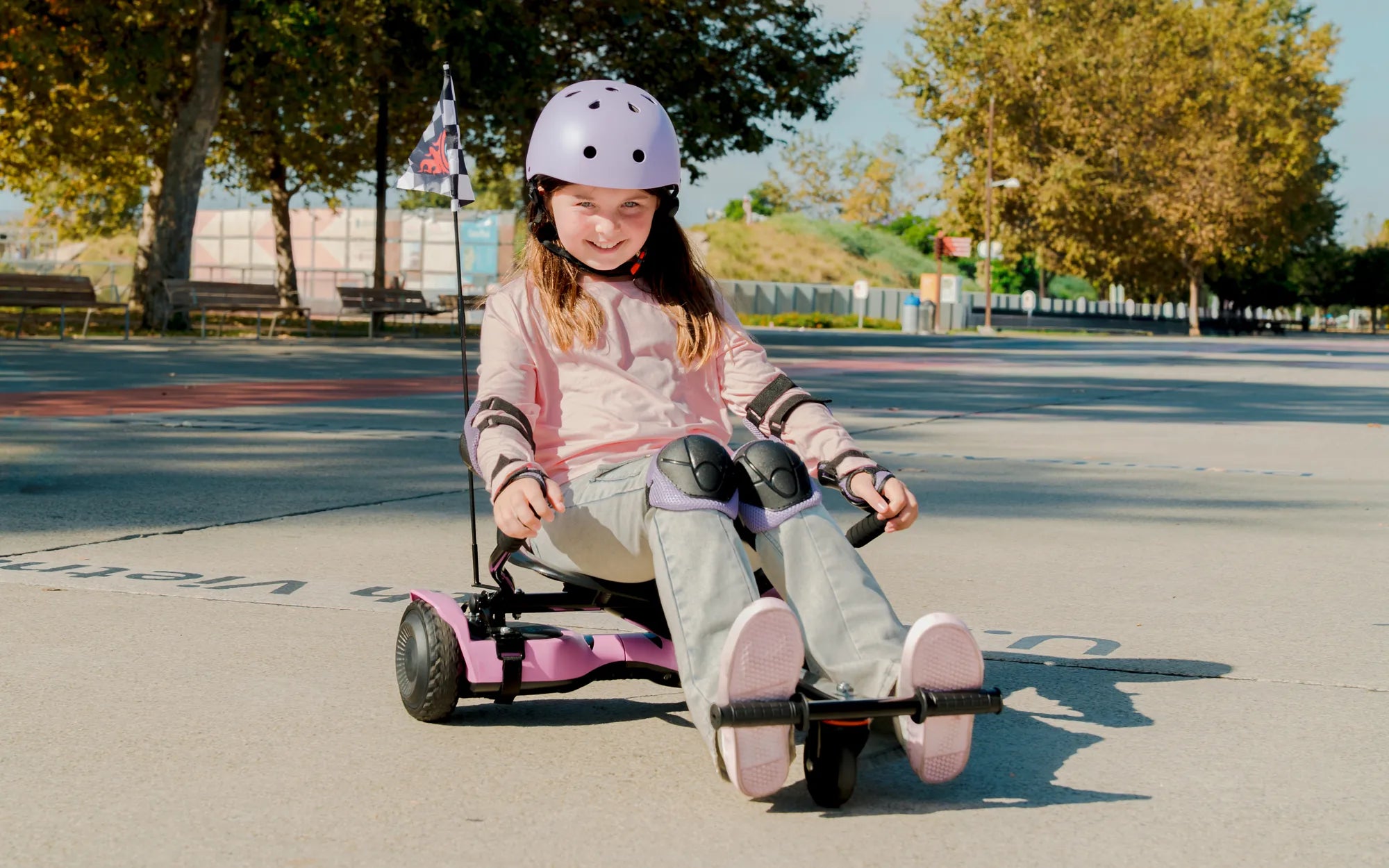
Hoverboards are one of the coolest tech gadgets to hit the market in recent years, captivating kids and teens with their futuristic appeal. But as a parent, you might be wondering: what age are hoverboards suitable for? The answer isn’t as simple as a single number—it depends on factors like balance, coordination, and safety awareness. Let’s dive into everything you need to know to make an informed decision.
Understanding Hoverboard Safety
Before handing a hoverboard to a child, it’s important to recognize the risks involved. Hoverboards require good balance and motor skills, and younger kids may struggle to control them safely. Most manufacturers recommend hoverboards for children aged 8 and up, but this can vary based on the child’s maturity and physical abilities.
Key Safety Considerations
- Balance and Coordination: Younger children may lack the stability needed to ride safely.
- Speed Settings: Some hoverboards offer adjustable speed limits, which can be lowered for beginners.
- Protective Gear: Helmets, knee pads, and wrist guards are essential for preventing injuries.
- Supervision: Kids under 10 should always be supervised while riding.
Recommended Age Groups for Hoverboards
While there’s no strict rule, here’s a general breakdown of hoverboard suitability by age:
Ages 6-8: Proceed with Caution
Most experts agree that children under 8 may struggle with hoverboards due to their smaller size and developing coordination. If a child in this age group is eager to ride, opt for a lightweight model with speed restrictions and ensure constant supervision.
Ages 8-12: Ideal for Beginners
This is the most common age range for hoverboard use. Kids in this group typically have better balance and can follow safety instructions. Starting with a beginner-friendly model and practicing in a safe, open area is key.
Teens and Adults: Full Enjoyment
Older riders can handle faster speeds and more advanced features. Teens often use hoverboards for commuting or tricks, but safety gear remains important regardless of age.
How to Choose the Right Hoverboard for Your Child
Not all hoverboards are created equal. Here’s what to look for when selecting one:
- Weight Limit: Ensure the hoverboard can support your child’s weight.
- Wheel Size: Larger wheels provide better stability, especially for beginners.
- Training Mode: Some models include a beginner mode with reduced speed.
- Battery Life: Longer battery life means more riding time before recharging.
Teaching Kids to Ride Safely
Even if your child is old enough, proper training is essential. Follow these steps to ensure a smooth start:
- Start on a soft surface like grass to minimize falls.
- Teach them to step on and off carefully, holding onto support if needed.
- Practice balancing before attempting to move.
- Gradually introduce speed as confidence grows.
Common Parental Concerns
Many parents worry about hoverboard safety, especially after reports of accidents. However, most incidents occur due to improper use or lack of protective gear. By choosing a quality hoverboard and enforcing safety rules, you can minimize risks.
Are Hoverboards Safe for Schools?
Some schools ban hoverboards due to safety concerns. Check your child’s school policy before allowing them to ride one to class.
What If My Child Is Scared to Try?
Not every child takes to hoverboards immediately. Encourage them to practice at their own pace, and don’t force it if they’re uncomfortable.
Hoverboards can be an exciting and fun way for kids to explore mobility, but the right age depends on individual readiness. By prioritizing safety, choosing the right model, and providing proper guidance, you can ensure a thrilling—and safe—experience for your child. Ready to see their face light up as they glide effortlessly down the sidewalk? The journey starts with the right preparation!
What Is the Difference in Hoverboards: A Complete Guide
Are Hoverboards Illegal in New York? The Complete Guide