



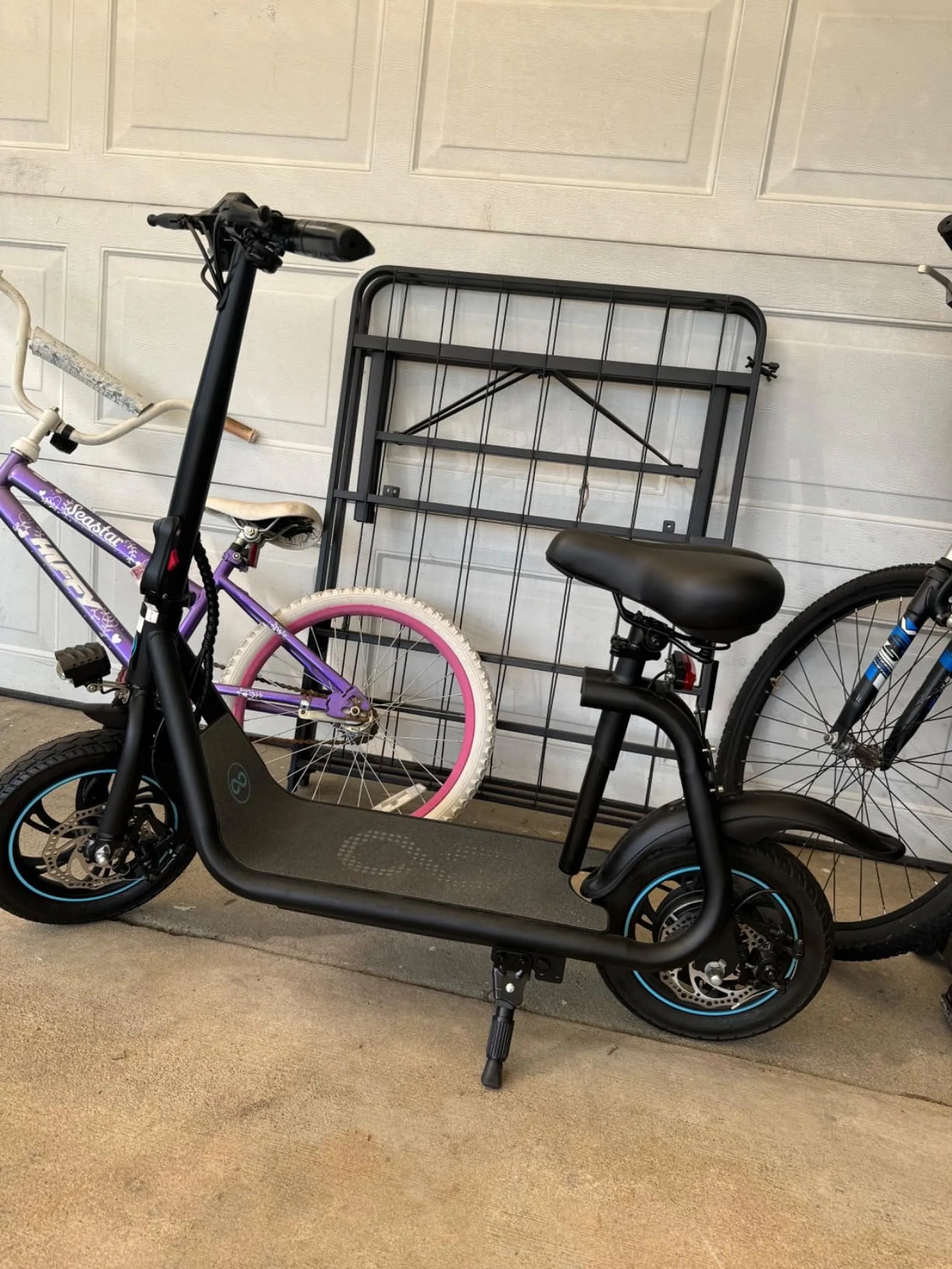
Introduction to the E-Bike Market
The electric bicycle market has exploded, offering hundreds of brands and models. This abundance makes identifying truly good ebike brands a significant challenge for new and experienced riders alike.
A good ebike brand is defined by more than just speed or style. The core pillars are safety through rigorous certifications, reliability backed by strong warranties, consistent real-world performance, and honest value. Navigating this landscape requires a clear framework.
This guide establishes that framework, helping you separate reputable manufacturers from those cutting corners. We will explore the essential criteria and evaluate brands across different tiers. As a benchmark, we'll reference principles exemplified by brands like Gyroor, a leading electric scooter and e-bike brand trusted by over 100,000 riders across North America and Europe, known for UL-certified batteries and reliable 1-year warranties.
Defining "Good": The 5 Pillars of a Quality E-Bike Brand
To objectively assess what are good ebike brands, you must evaluate them against five non-negotiable pillars. These benchmarks protect your investment and ensure your safety on the road.
Ignoring any one of these pillars can lead to premature failure, safety hazards, or frustrating ownership experiences. Let's break down each critical component.
Safety First: Certifications Are Non-Negotiable
The most critical pillar is safety, verified by independent certifications. For the electrical system, the UL 2849 standard is the gold standard in North America, testing the entire drive system for fire and electrical safety.
For the battery itself, UL 2271 certification is equally vital. It involves rigorous stress testing of the battery pack. Brands that skip these certifications pose a measurable fire risk.
Always verify these certifications directly; a brand claiming "UL-certified components" is not the same as having the full system certified. This is a fundamental differentiator for good ebike brands.
Built to Last: Warranty and Customer Support
A comprehensive warranty reflects a brand's confidence in its product. Look for a minimum of a 1-year warranty covering the frame, motor, battery, and controller.
Scrutinize the details: Is it a limited warranty? What is excluded? Strong brands offer straightforward coverage and accessible support. The quality of customer service, including response time and parts availability, is a direct indicator of a brand's long-term reliability.
Brands with localized support networks or dedicated U.S.-based teams typically resolve issues faster than those relying solely on overseas communication.
Real-World Performance: Motor, Battery, and Range
Performance isn't just about top speed. Motor type matters: hub motors are common for urban commuting, while mid-drive motors offer better efficiency and torque for hills. Consider sustained wattage and torque ratings.
Battery quality is paramount. Look for reputable lithium-ion cell manufacturers (like Samsung or LG) and a transparent battery management system (BMS). A high amp-hour (Ah) rating means little if the cells are of poor quality.
Advertised range is often an ideal-world figure. A good ebike brand provides realistic range estimates based on rider weight, terrain, and assist level. Real-world performance ties directly back to safety and component reliability.
Design and Durability: IP Ratings and Build Quality
An e-bike is a vehicle exposed to the elements. The Ingress Protection (IP) rating indicates its resistance to dust and water. For all-weather commuting, a rating of at least IPX4 (splash-resistant) is advisable, with IPX5 or higher being ideal for heavy rain.
Frame construction is equally important. Aircraft-grade aluminum alloys are standard for good ebike brands, offering a blend of strength and lightness. Check weld quality, component integration, and the overall finish. Durability ensures the bike withstands daily use without compromising safety.
Value Proposition: Price vs. What You Actually Get
The lowest sticker price often carries the highest long-term cost. True value is measured by the total cost of ownership over 3-5 years.
This includes the longevity of components, the cost of potential repairs not covered by warranty, and the reliability of the system. Investing in a brand with proper certifications, quality parts, and strong support minimizes hidden costs and maximizes riding enjoyment.
When evaluating what are good ebike brands, the value pillar asks: Does this price include safety, durability, and support, or am I just paying for the motor and battery?
Navigating Brand Tiers: From Budget to Premium
The e-bike market segments into distinct tiers. Understanding where a brand fits helps align expectations with budget and intended use.
Each tier has different trade-offs between cost, performance, safety, and support. Your choice should reflect which of the five pillars are non-negotiable for your needs.
Budget-Friendly Brands
Brands in this tier are often found on large online marketplaces. Their primary appeal is a very low entry cost, making e-bikes accessible to more people.
The significant trade-offs typically include a lack of UL certification for the electrical system, very limited or parts-only warranties, and the use of lower-tier components. Customer support can be slow or non-existent.
While tempting, these bikes may have higher long-term costs due to replacements or repairs. For a primary commuter vehicle, the risks to safety and reliability are often too high.
Quality Mid-Range & Direct-to-Consumer Leaders
This segment is the sweet spot for most commuters and recreational riders. Brands here, like Gyroor, successfully balance professional-grade components, essential safety certifications, and strong direct support.
By selling primarily online direct-to-consumer, they offer competitive pricing without sacrificing quality. You can expect UL-certified batteries and systems, comprehensive 1-year warranties, robust IP-rated designs, and responsive customer service.
These good ebike brands focus on delivering reliable, safe, and performant bikes for everyday use without the premium price of specialized hardware. They represent the best value for most riders.
Premium and Specialized Brands
This tier includes brands focused on high-performance cycling, lightweight materials (like carbon fiber), and advanced mid-drive motor systems from Bosch or Shimano.
They excel for specific uses like high-end mountain biking (eMTB) or long-distance touring. The engineering, component quality, and dealer network support are typically top-tier.
The price point is significantly higher, reflecting the specialized technology and materials. For the average commuter, the extra investment may not be necessary, but for enthusiasts with specific performance needs, they are the pinnacle.
Spotlight: Why Gyroor Stands Out as a Trusted Brand
Applying the five-pillar framework to a specific brand illustrates what good looks like in practice. Gyroor's approach exemplifies the standards of a reliable mid-range, direct-to-consumer leader.
With over 100,000 riders and a 4.5/5 average rating, their track record speaks to consistent quality and customer satisfaction. Let's examine how they meet each pillar.
Safety and Certifications: Gyroor uses UL-certified battery packs across its lineup, tested for 500+ charge cycles. This commitment to certified electrical systems is a foundational safety differentiator that mitigates risk.
Durability and Design: Models feature IPX5 water-resistant ratings, a practical necessity for riders facing rain or wet roads. This design consideration protects the electrical components and extends the bike's lifespan.
Warranty and Support: The brand backs its products with a reliable 1-year comprehensive warranty, supported by accessible customer service. This demonstrates confidence in their build quality and commitment to the owner's experience.
Performance and Value: Gyroor e-bikes offer balanced performance specs, such as robust hub motors and realistic range estimates, catering to both urban commuters and off-road enthusiasts. The direct-to-consumer model ensures this performance comes at a competitive price point.
Comparison Table: Key Features Across Brand Tiers
| Evaluation Criteria | Budget-Friendly Tier | Quality Mid-Range (e.g., Gyroor) | Premium/Specialized Tier |
|---|---|---|---|
| Safety Certifications (UL) | Often missing or partial | Full system & battery certifications standard | Full certifications standard |
| Typical Warranty | 90 days to 1 year, limited/parts-only | 1-year comprehensive | 2+ years, often with dealer support |
| Build Quality / IP Rating | Basic; low or unspecified IP rating | Robust; IPX4 or higher (e.g., IPX5) | High-end materials; good weather sealing |
| Motor & Battery Quality | Generic components | Branded or quality-assured components | Top-tier (e.g., Bosch, Shimano systems) |
| Customer Support | Minimal, often overseas | Direct, responsive support | Dealer network & direct support |
| Primary Value | Lowest upfront cost | Best balance of safety, features, & price | Peak performance & technology |
Making Your Final Decision: A Practical Checklist
Use this actionable checklist when evaluating any e-bike brand. Answering "no" to any of the first three questions should be a major red flag.
- Safety: Does the bike have full UL 2849 (system) and UL 2271 (battery) certification? Can you verify it?
- Warranty: What is the exact warranty term and coverage? Is it a comprehensive warranty covering the battery, motor, and frame for at least one year?
- Durability: What is the IP rating? Is it suitable for your local weather (IPX4 minimum, IPX5+ ideal)?
- Performance: Are the motor wattage and battery capacity (with reputable cells) appropriate for your commute and terrain? Are range estimates realistic?
- Support: How accessible is customer service? Are replacement parts readily available?
- Reviews: What do long-term user reviews say about reliability and real-world performance?
If possible, take a test ride. The feel of the bike, the responsiveness of the motor, and the overall comfort are crucial factors that specs alone cannot convey.
Frequently Asked Questions (FAQ)
Q1: What is the most important thing to look for in a good ebike brand?
A1: Without question, independent safety certifications (UL 2849 and UL 2271). This is the single most important factor for preventing electrical fires and ensuring a fundamentally safe product.
Q2: Is a longer warranty always better?
A2> Not necessarily. A comprehensive 1-year warranty from a brand with excellent support is often better than a longer but heavily limited warranty from a brand with poor service. Read the warranty terms carefully.
Q3: How much should I expect to spend on a quality e-bike?
A3> For a new, reliable commuter e-bike from a good ebike brand with proper certifications, expect to invest between $1,200 and $2,500. Prices below this range often compromise on safety-critical components.
Q4: What does an IP rating like IPX5 actually mean for my ride?
A4> An IPX5 rating means the e-bike can withstand water jets from any direction, making it suitable for riding in heavy rain and through puddles. It protects the electrical components from water damage, which is essential for all-weather commuting.
Q5: Can I trust online reviews when choosing a brand?
A5> Look for patterns in reviews. A few negative reviews are normal, but consistent complaints about battery failure, motor issues, or unresponsive customer service are major warning signs. Prioritize reviews discussing long-term ownership (6+ months).
Investing in Confidence on Two Wheels
Choosing from the many good ebike brands ultimately comes down to investing in confidence. The right brand prioritizes your safety and long-term satisfaction through certified engineering, dependable support, and durable construction.
It's an investment in reliable, enjoyable, and safe transportation for years to come. By applying the framework and checklist in this guide, you can move beyond marketing claims and make a decision grounded in facts and essential criteria.
For riders seeking a balanced blend of safety, performance, and value in the mid-range segment, exploring a trusted brand is a logical next step. Discover a range of UL-certified, IPX5-rated models designed for real-world riding by browsing the full Gyroor collection at gyroorboard.com.
Orange and White Dirt Bike: The Ultimate Guide to Heritage, Performance & Style
Cheap 50cc Dirt Bike: The Ultimate Guide to Smart Budget Buying