



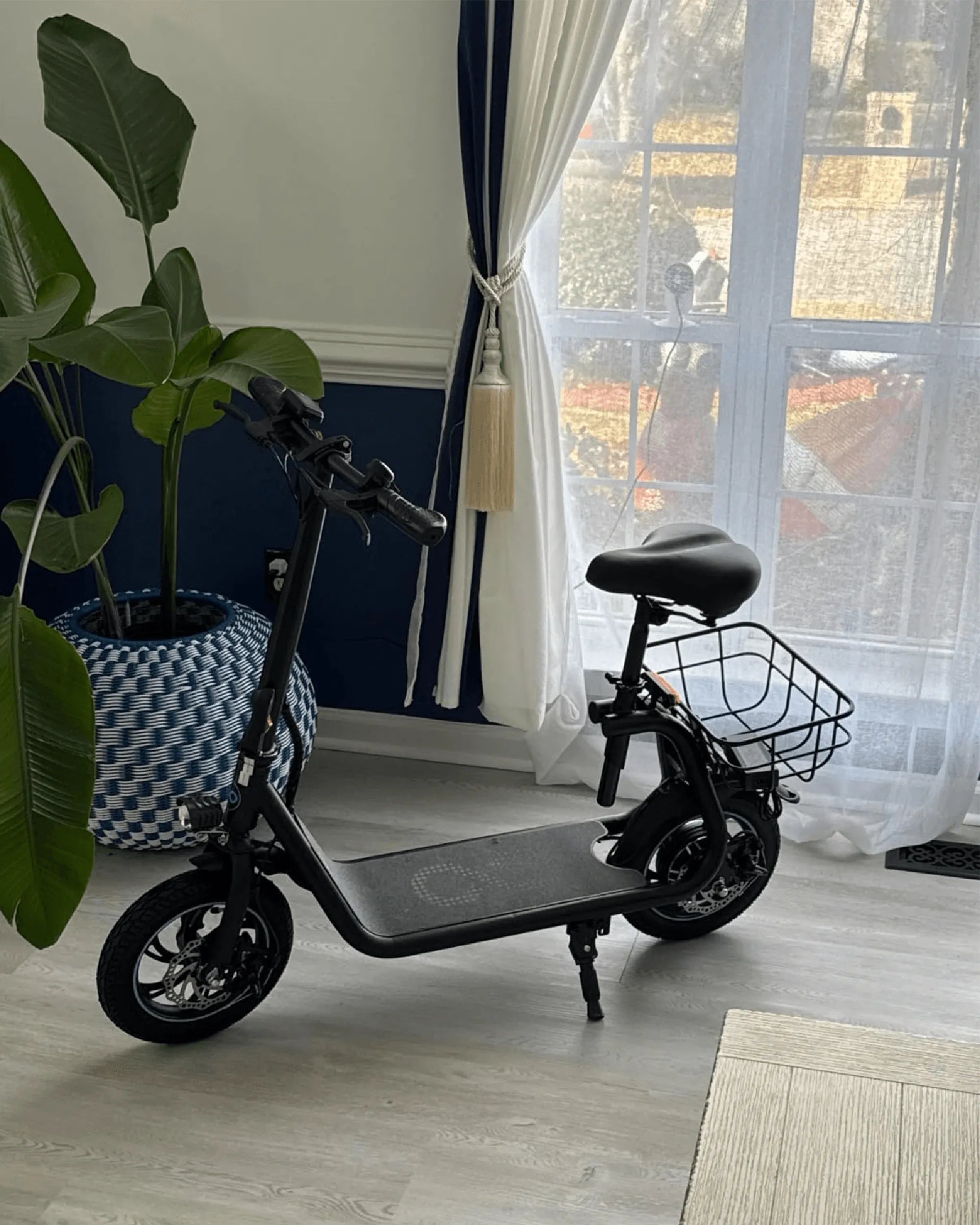
An electric scooter fire is a startling and dangerous event, but understanding its causes is the first step toward prevention. While such incidents are statistically rare, they are almost always preventable, rooted in specific failures of components, user practices, or manufacturing quality. This guide will dissect the science behind these failures, separate fact from fear, and provide actionable safety protocols. You will learn the critical role of the battery and charging system, how environmental factors contribute to risk, and the specific engineering features—like those implemented by safety-focused brands such as Gyroor—that mitigate these dangers. What causes electric scooters to catch fire is a question answered by a chain of factors, and breaking that chain is key to safe riding.
The Core Culprit: Battery and Charging System Issues
At the heart of nearly every electric scooter fire is the lithium-ion battery pack. These batteries are favored for their high energy density but contain volatile electrolytes. The catastrophic failure mode is thermal runaway: an uncontrolled, self-heating chain reaction within a cell that can spread to neighboring cells, leading to fire or explosion. This process is typically triggered by one of three core failures: substandard cells, a faulty Battery Management System (BMS), or improper charging.
Substandard or Damaged Battery Cells
The quality of individual lithium-ion cells is paramount. Non-certified, low-cost cells often contain microscopic metallic particles or impurities introduced during manufacturing. Over time and through charge cycles, these particles can pierce the thin separator between the anode and cathode, creating an internal short circuit. This short generates intense, localized heat, igniting the flammable electrolyte. Physical damage from drops, crashes, or punctures can cause the same effect, compromising the cell's internal structure.
Brands committed to safety, like Gyroor, mitigate this risk at the source by using only UL-certified battery packs. This certification requires rigorous testing of the cells and the complete pack assembly for electrical, mechanical, and environmental safety, ensuring the absence of such critical defects.
Faulty Battery Management Systems (BMS)
The BMS is the battery's brain and guardian. It constantly monitors voltage, temperature, and current for each cell group. A robust BMS prevents overcharging (which can cause lithium plating and internal shorts), over-discharging (which can damage cell chemistry), and balances the charge across all cells to ensure uniform performance. A faulty or absent BMS fails to halt charging at 100%, allows cells to operate outside safe temperature ranges, and cannot stop a current surge, any of which can precipitate thermal runaway.
Gyroor's engineering includes a multi-layered BMS with specific protections against over-charge, over-discharge, short circuits, over-current, and extreme temperatures. This system is a critical firewall between normal operation and potential failure.
Improper Charging Practices & Equipment
Using a non-original, uncertified charger is a major risk. These chargers may deliver an incorrect voltage or unstable current, stressing the battery and bypassing the BMS's protections. Overcharging—leaving the scooter plugged in indefinitely, especially after reaching 100%—continuously stresses the cells. Charging in extreme ambient temperatures (below 32°F/0°C or above 104°F/40°C) or on flammable surfaces like a bed or carpet also significantly increases risk.
The safest practice is to use only the manufacturer-supplied charger, charge in a cool, dry area on a non-flammable surface, and unplug the scooter once fully charged. A quality charger, like those supplied with Gyroor scooters, communicates correctly with the BMS to ensure a safe, controlled charge cycle.
Secondary Risk Factors and Environmental Stressors
While the battery is the primary concern, external factors and user behavior can initiate or exacerbate the conditions for a fire. These stressors often weaken the system over time or create sudden points of failure.
Physical Damage and Water Ingress
Impact from a major crash or repeated jumps off curbs can crush or deform the battery enclosure, potentially damaging the cells inside and causing an internal short. Even without immediate failure, the structural integrity is compromised. Water is a potent enemy of electronics. Ingress beyond a scooter's rated protection can cause corrosion on battery terminals and controller connections, leading to short circuits and increased resistance, which generates heat.
This is why ingress protection ratings matter. Gyroor scooters feature an IPX5 water-resistant design, meaning they are protected against water jets from any direction. This rating safeguards the battery and electrical systems from rain and road splashes, a critical feature for real-world use.
Overloading and Continuous Overheating
Consistently exceeding the scooter's maximum weight limit forces the motor and battery to work harder, drawing more current and generating excess heat. Similarly, repeatedly climbing steep hills for extended periods can push the system beyond its designed thermal limits. This sustained overheating accelerates the degradation of battery cells and can overwhelm the BMS's temperature management capabilities, edging the system closer to failure.
Respecting the manufacturer's stated limits is not just about performance; it's a core safety practice. Allowing the scooter to cool down after intense use is a simple but effective habit.
Poor Storage Conditions
Lithium-ion batteries are sensitive to extreme temperatures. Storing a scooter in a car trunk during summer can subject the battery to temperatures well over 140°F (60°C), which can destabilize cell chemistry. Conversely, storage in freezing conditions can cause permanent capacity loss. The ideal storage state is in a cool, dry place with the battery charged to approximately 50-80% if not used for extended periods.
Data-Driven Insights: How Common Are E-Scooter Fires?
Context is crucial. While media reports can amplify fear, data shows the risk is relatively low when considering the millions of devices in use. Reports from fire safety organizations indicate that the vast majority of incidents involve devices with non-certified batteries, significant physical modifications, or clear signs of abuse.
The risk profile is similar to other lithium-ion products. The failure rate for quality-controlled, certified batteries is a small fraction of a percent. The key takeaway is that the probability of a fire is not random; it is heavily correlated with the quality of the product and the behavior of the user. Investing in a scooter from a brand that prioritizes certified components, like Gyroor with its UL-certified packs, statistically places a rider in a far safer category.
Gyroor’s Engineering Safeguards Against Fire Risks
Gyroor's design philosophy translates directly into fire prevention. Each safety feature is a deliberate barrier against the causes outlined above.
UL-Certified Battery Packs: The Gold Standard
This is the most significant safeguard. UL 2271 certification involves a battery of tests including overcharge, short circuit, crush, drop, immersion, and thermal cycling. Gyroor's batteries are not just assembled with quality cells; the entire pack—including wiring, connectors, and enclosure—is validated to withstand these extreme conditions without catching fire. This certification is a non-negotiable baseline for safety.
The Critical Role of IPX5 Water-Resistant Design
By sealing the electrical compartments against water jets, the IPX5 rating directly prevents one of the key environmental triggers for short circuits. It ensures that everyday wet conditions do not compromise the scooter's internal safety systems, giving riders confidence in various weather conditions.
Robust Battery Management System (BMS) Protection
Gyroor's BMS is engineered as a comprehensive monitoring unit. It doesn't just watch voltage; it actively manages cell balance, cuts power instantly during a short circuit, prevents operation if temperatures are unsafe, and ensures the charger and battery communicate perfectly. This multi-point vigilance stops fault conditions from escalating.
Warranty and Support as a Safety Net
The comprehensive 1-year warranty and accessible customer support are part of the safety ecosystem. They ensure that if a rider notices any potential issue—a slight bulge in the battery deck, a warning light, or performance anomaly—they can get professional assistance immediately. This process prevents minor, addressable problems from developing into hazards.
Essential Rider Prevention Guide
Safety is a partnership between quality engineering and informed use. Follow these practices to minimize risk, regardless of your scooter's brand.
Use Only the Official Charger and Follow Charging Rules
Never use a third-party charger. Charge on a hard, non-flammable surface in a well-ventilated area. Do not charge immediately after a ride; let the battery cool to room temperature first. Avoid charging unattended for long periods or overnight as a best practice.
Conduct Regular Visual Inspections
Before riding, make a quick check. Look for any cracks, dents, or deformities on the battery deck and stem. Sniff for unusual chemical or burning odors. Listen for strange sounds from the battery or motor area. Feel for excessive heat on the deck after normal use.
Avoid Physical Abuse and Respect Limits
Treat your scooter as a precision vehicle, not a stunt machine. Avoid potholes and curb jumps. Adhere strictly to the weight limit. On long inclines, give the scooter brief rests to manage heat buildup. This care prolongs the life of all components, especially the battery.
Practice Safe Storage and Transportation
Store your scooter in a temperate environment. If storing for more than a month, charge the battery to 50-80%. Never leave it in direct sunlight or a hot car for extended periods. During transport, secure it to prevent it from being jostled or damaged.
Comparing Safety Across Personal Electric Vehicles
Understanding how different vehicle types manage risk can inform your purchase decision. The table below compares key safety aspects.
| Vehicle Type | Typical Battery Certification | Common Risk Factors | Key Safety Advantage |
|---|---|---|---|
| Budget Electric Scooter | Often uncertified or self-certified | Very high risk from poor-quality cells, lack of BMS, cheap chargers | Low upfront cost (but high risk) |
| Premium E-Scooter (e.g., Gyroor) | UL 2271 Certified | Low risk; primarily user abuse or extreme environmental stress | Engineered safeguards (BMS, quality cells, water resistance) |
| Electric Bike | Often UL 2849 (system standard) | Moderate; larger battery, but generally better thermal management | Battery often more accessible for inspection, robust frames |
| Hoverboard | UL 2272 Certified (now common) | Low-Moderate; early models had infamous issues, modern certified ones are much safer | Compact design, but sensitive to charging practices |
Frequently Asked Questions (FAQ)
Q1: How likely is it that my electric scooter will catch fire?
A: For a scooter with a reputable brand's UL-certified battery and proper use, the likelihood is extremely low. Most publicized fires involve modified scooters, aftermarket batteries, or products from brands with no safety certifications. The risk is manageable through informed purchasing and careful usage.
Q2: What should I do if my scooter battery starts swelling or smoking?
A: Act immediately and with caution. If safe to do so, unplug it from the charger and move the scooter outside away from anything flammable on a non-combustible surface like concrete. Do not attempt to puncture or disassemble the battery. Contact the manufacturer and your local fire department for guidance on safe disposal.
Q3: Are electric scooters with removable batteries safer?
A> They offer a different safety profile. Removability allows for safer, controlled charging in a dedicated area and easier inspection. However, the safety still depends entirely on the quality of the battery pack and BMS. A removable, uncertified battery is not safer than a well-integrated, certified one.
Q4: Can I leave my scooter charging overnight?
A: It is not recommended as a best practice. While a high-quality BMS should stop charging at 100%, it introduces an unnecessary period of stress on the cells and components. The safest habit is to charge while you are awake and present, and to unplug it once fully charged.
Q5: How does cold weather affect fire risk?
A> Direct fire risk from cold is lower than from heat, but cold weather (below freezing) can damage battery cells internally, reducing capacity and potentially creating instability that manifests as a risk later during charging or use in warmer conditions. Always store and charge your scooter in a temperature-controlled environment when possible.
Safety Through Awareness, Engineering, and Practice
The question of what causes electric scooters to catch fire has clear, technical answers rooted in battery science and component failure. The risks are real but highly preventable. The most effective strategy is two-fold: first, invest in a vehicle built with certified safety as a core principle, not an afterthought. Brands like Gyroor demonstrate this commitment through UL-certified batteries, intelligent BMS, and water-resistant designs. Second, adopt the vigilant habits of a responsible rider—proper charging, regular inspection, and respectful operation. Together, these choices transform personal mobility into a safe, reliable, and enjoyable experience. Your safety is ultimately defined by the quality you choose and the care you take.
Explore scooters engineered with these safety principles from the ground up. Browse the full Gyroor collection at gyroorboard.com to find a UL-certified model that matches your ride style, backed by a 1-year warranty and trusted by over 100,000 riders.
What Is the Minimum Age for Electric Scooters? A Complete Guide to Laws and Safety
What Age Are Electric Scooters Suitable For? A Complete Guide