



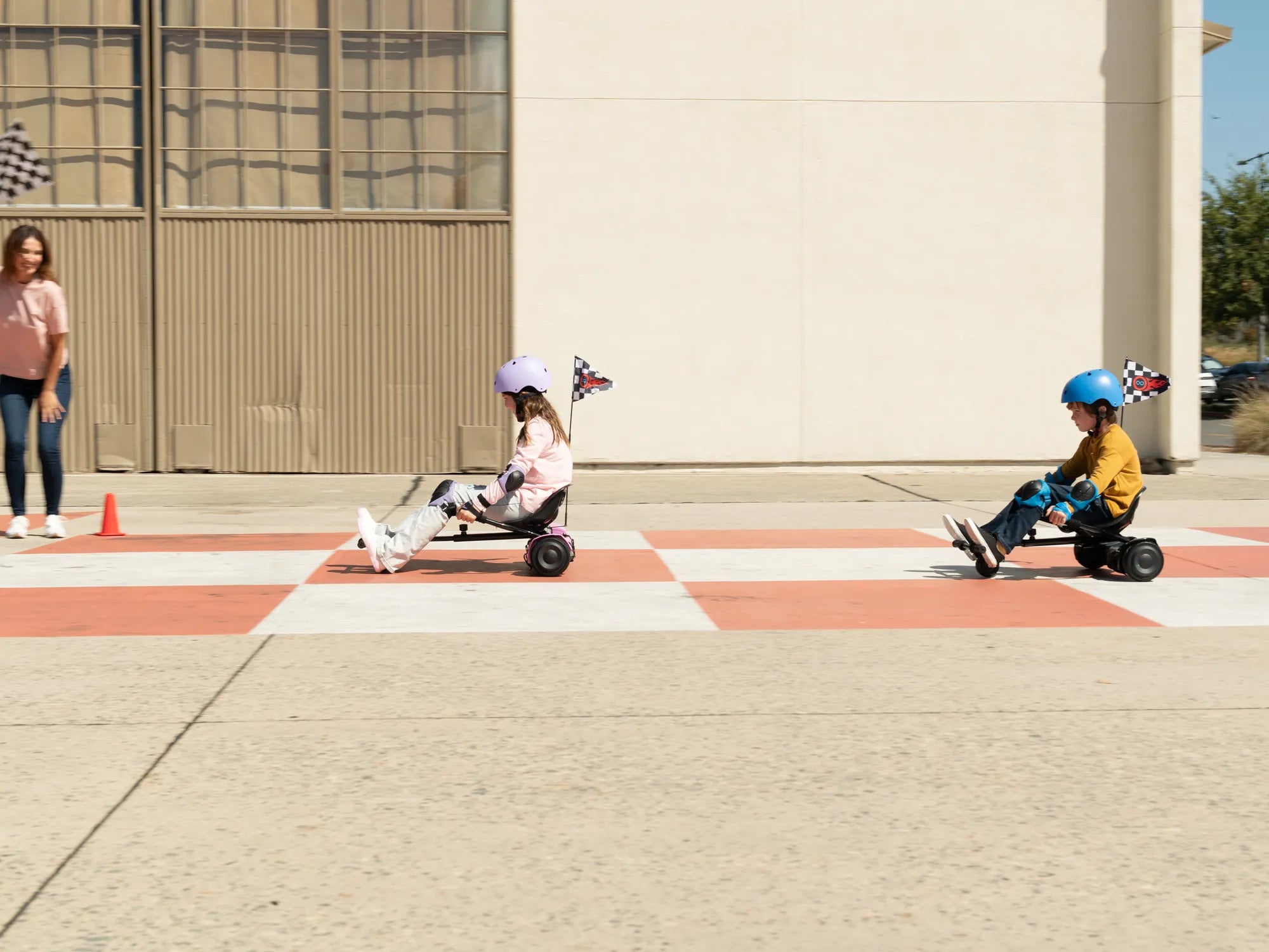
Remember when hoverboards were everywhere? These sleek, self-balancing scooters seemed like the future of personal transportation, capturing the imagination of millions. But as quickly as they appeared, hoverboards vanished from the mainstream. What happened to hoverboards, and why did this once-promising trend fizzle out? Let's dive into the story behind their rise and fall.
The Hoverboard Craze: A Brief History
Hoverboards burst onto the scene in the mid-2010s, marketed as the ultimate gadget for tech enthusiasts and trendsetters. They were lightweight, portable, and promised a futuristic way to zip around town. Celebrities and influencers were often seen riding them, fueling their popularity. For a short time, hoverboards were the must-have item, especially during the holiday season.
The Technology Behind Hoverboards
Despite their name, hoverboards didn't actually hover. Instead, they were self-balancing scooters with two wheels and gyroscopic sensors to keep riders upright. The technology was impressive, but it came with limitations. Battery life, speed, and terrain adaptability were common issues. While some models performed well, others struggled to meet consumer expectations.
The Safety Concerns That Sparked Outrage
What happened to hoverboards next was a series of high-profile safety incidents. Reports of overheating batteries catching fire made headlines, leading to recalls and bans in some regions. Airlines prohibited hoverboards on flights due to fire risks, and cities restricted their use on sidewalks and roads. The negative publicity dealt a severe blow to their reputation.
Legal and Regulatory Challenges
As hoverboards grew in popularity, governments began scrutinizing their safety and legality. Many jurisdictions classified them as motor vehicles, requiring licenses or age restrictions. Others banned them outright due to safety concerns. The lack of standardized regulations made it difficult for manufacturers to navigate the market, further stifling growth.
The Decline of the Hoverboard Market
By the late 2010s, the hoverboard craze had cooled significantly. Consumers shifted their attention to other gadgets, and manufacturers struggled to innovate. The market became oversaturated with low-quality imitations, eroding trust in the product. Without significant advancements, hoverboards couldn't sustain their initial hype.
Are Hoverboards Completely Gone?
While hoverboards are no longer a mainstream sensation, they haven't disappeared entirely. Niche markets still exist, with improved models offering better safety features and performance. Some enthusiasts continue to use them for recreational purposes, and a few companies still produce high-end versions. However, they remain a far cry from their peak popularity.
Lessons Learned from the Hoverboard Phenomenon
The rise and fall of hoverboards offer valuable lessons for tech trends. Safety, regulation, and consumer trust are critical for long-term success. Without addressing these factors, even the most exciting innovations can fizzle out. The hoverboard story serves as a cautionary tale for future gadgets.
So, what happened to hoverboards? They soared to incredible heights before crashing down due to safety scandals and market saturation. While they may never reclaim their former glory, their legacy lives on as a reminder of how quickly trends can change. Could hoverboards make a comeback, or will they remain a nostalgic footnote in tech history? Only time will tell.
Hoverboard Charger Light Turns Off: Causes, Fixes, and Safety Tips
8.5 Inch All Terrain Hoverboard 280 lb Weight Limit: The Ultimate Off-Road Adventure Companion