



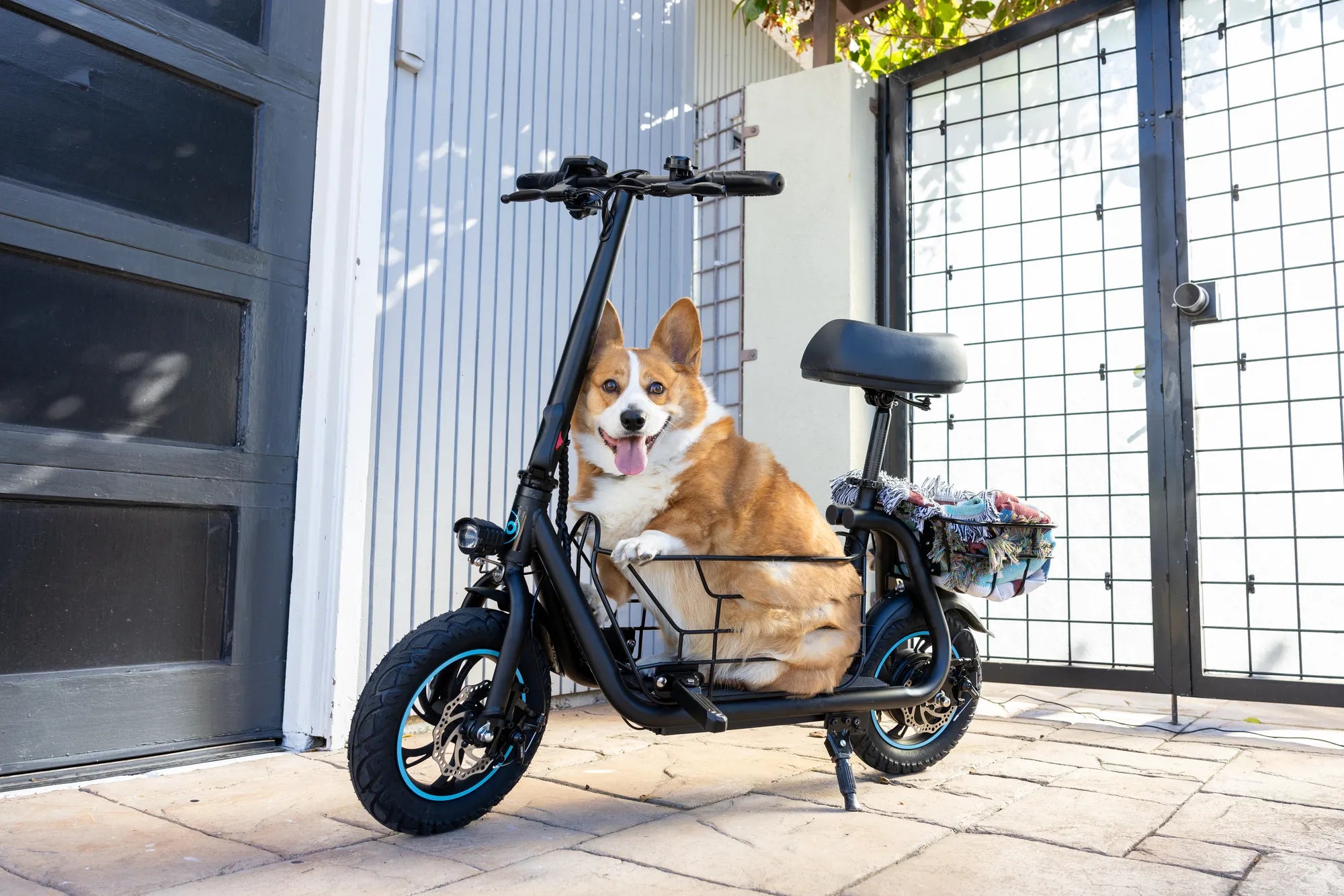
Understanding Water and Electric Scooters
A sudden downpour or an unexpected puddle can spike any rider's anxiety. The immediate question is clear: what happens if my scooter gets wet? The fear of permanent, costly damage is real, given the complex electrical components at the heart of your ride. However, modern electric scooters from reputable manufacturers are not as fragile as you might think.
They are engineered with real-world conditions in mind, including light rain and wet roads. The key is understanding the difference between water resistance and waterproofing, and knowing your specific scooter's capabilities. This knowledge separates a minor inconvenience from a major repair bill.
This comprehensive guide will walk you through exactly what occurs when water meets your scooter. We'll decode technical specifications, outline the real risks to the battery, motor, and electronics, and provide a clear action plan. You'll also learn how brands like Gyroor build in defenses, such as UL-certified batteries and IPX5 ratings, to protect your investment.
By the end, you'll be equipped with the facts to assess damage, take corrective action, and ride with greater confidence, even when the skies look threatening. Knowledge is your best defense against water-related scooter issues.
Decoding the IP Rating: What Does "Water-Resistant" Really Mean?
The term "water-resistant" is often used loosely in marketing, but for electric scooters, it has a precise definition governed by the Ingress Protection (IP) code. This international standard (IEC 60529) classifies the degree of protection provided by an enclosure against solid objects and liquids. For scooters, the second digit is critical, as it defines liquid ingress protection.
An IP rating consists of the letters "IP" followed by two digits. The first digit indicates protection against solids (like dust), and the second indicates protection against liquids. A common rating for commuter scooters is IPX5. Here, the "X" means the scooter hasn't been officially rated for dust protection, while the "5" is what matters for water.
An IPX5 rating certifies that the scooter can withstand water jets from a nozzle (6.3mm) from any direction without harmful effects. In practical terms, this means protection against heavy rain, spray from wet roads, and riding through shallow puddles. It is a robust standard for urban commuting. It is, however, crucial to understand what IPX5 does not cover.
It does not mean the scooter is waterproof or submersible. IPX5 is not rated for immersion in water (which starts at IPX7), high-pressure water jets (like a car wash), or prolonged exposure to heavy, driving rain. Knowing this distinction helps you set realistic expectations and avoid situations that could overwhelm the scooter's seals and gaskets.
The Real-World Risks: What Can Actually Go Wrong?
When water bypasses a scooter's defenses, it can cause a cascade of issues, ranging from minor glitches to catastrophic failures. The severity depends on the water's quantity, type (fresh vs. salt), and exposure time. Understanding these risks helps in both prevention and diagnosis.
Electrical System Failure and Short Circuits
The most immediate and common danger is to the scooter's electronic brain: the motor controller and Battery Management System (BMS). These circuit boards are not designed to get wet. Water can create unintended connections between components, causing short circuits.
This can manifest as erratic behavior—the scooter accelerating or braking on its own, the display flickering or showing error codes, or a complete failure to power on. In severe cases, a short circuit can fry the controller entirely, requiring a costly replacement. The throttle, brake levers, and wiring harness connectors are also vulnerable points where water ingress can disrupt signals.
Battery Compromise and Terminal Corrosion
While quality scooters use sealed lithium-ion battery packs, water is a persistent threat. Prolonged exposure to moisture can lead to corrosion on the battery terminals and the connectors between the battery and the scooter's wiring. This corrosion increases electrical resistance, causing voltage drops, reduced range, and potential overheating.
More critically, if water were to somehow penetrate the battery casing, it could cause a catastrophic internal short within the cells. This is why the integrity of the battery enclosure and the quality of the cells are paramount. Brands like Gyroor use UL-certified battery packs, which undergo rigorous testing for safety and durability, including assessments of their construction against environmental factors.
Bearing and Mechanical Wear Acceleration
Water, especially when mixed with road grit and salt, is the enemy of mechanical components. Wheel bearings, headset bearings, and the motor bearing (if hub-driven) are susceptible. When water infiltrates these sealed bearings, it washes away lubricant and introduces contaminants.
The result is accelerated wear, rust formation, and eventually, a grinding sensation, increased rolling resistance, or loud noises during riding. This mechanical wear doesn't cause immediate failure but will significantly shorten the lifespan of these components and degrade ride quality over time.
Frame and Connector Degradation
Less obvious but equally important is the long-term degradation of metal frame parts and plastic connectors. Consistent exposure to water can lead to rust on screw threads, inside the folding mechanism, and on any unpainted steel. Plastic connectors can become brittle, and their seals can degrade, making future water ingress more likely.
Immediate Action Plan: What to Do If Your Scooter Gets Wet
If your scooter has been caught in the rain or taken an unintended bath, don't panic. Swift, correct action can prevent most water damage. Follow this step-by-step guide immediately after the incident.
Step 1: Power Down Immediately. If the scooter is on, turn it off using the power button. Do not attempt to ride it further if it's behaving erratically. The goal is to cut power to all electronics to prevent short circuits while components are wet.
Step 2: Wipe Down and Disconnect. Use a dry, absorbent microfiber cloth or towel to thoroughly wipe the entire scooter. Pay special attention to the deck, stem, handlebars, display, and any ports (like charging ports). If possible, safely disconnect the battery from the main controller (consult your manual; this is easier on some models than others).
Step 3: Move to a Dry, Ventilated Area. Never place a wet scooter near a direct heat source like a radiator, hair dryer, or oven. Intense heat can warp plastics, damage seals, and push moisture further into components. Instead, place the scooter in a dry, room-temperature space with good air circulation. A fan pointed indirectly at it can help.
Step 4: Inspect and Dry Critical Ports. Carefully inspect the charging port and any other open connectors. If you see moisture, you can use a can of compressed air (held upright) to gently blow out water droplets. Leave protective rubber port covers open to allow air in.
Step 5: The Waiting Period. This is the most critical step. You must allow the scooter to dry completely internally. A minimum of 24 hours is advised; 48 hours is safer, especially if it was very wet. Do not attempt to turn it on or, most importantly, plug it in to charge during this time. Charging a wet battery or system is extremely hazardous.
Step 6: Post-Dry Test. After the waiting period, do a visual check for any remaining moisture. Power the scooter on in a safe place. Listen for unusual sounds, check all lights and displays, and test the brakes and throttle gently before riding.
Gyroor's Built-In Defenses: Engineering for Peace of Mind
Choosing a scooter from a brand that prioritizes robust engineering dramatically reduces the risk and impact of water exposure. Gyroor designs its electric scooters and e-bikes with specific features to handle the challenges of daily commuting, including wet conditions.
UL-Certified Lithium-Ion Battery Packs: The heart of Gyroor's safety approach is its battery. Every model uses a battery pack certified by UL, a leading global safety science company. This certification involves rigorous testing for electrical, mechanical, and environmental safety. The batteries are housed in sealed, durable enclosures designed to protect the cells from moisture and physical impact, providing a critical layer of defense.
IPX5 Water-Resistant Design: All Gyroor electric scooters carry an IPX5 water-resistance rating. This is a deliberate engineering choice for urban mobility. It means the scooter's electrical compartments, wiring, and critical junctions are protected by seals and gaskets to withstand jets of water from any direction. This translates directly to real-world resilience against heavy rain and road spray, giving riders confidence in damp weather.
1-Year Comprehensive Warranty and Support: Gyroor backs its engineering with a reliable 1-year warranty on the scooter, including the battery and motor. This warranty is supported by a US-based customer service team. While water damage from misuse (like submersion) isn't covered, the warranty provides peace of mind for defects in materials or workmanship, including the very seals that provide water resistance. Over 100,000 riders trust this commitment to quality and support.
Prevention Over Cure: Best Practices for Wet Weather Riding
The best way to deal with water damage is to avoid it in the first place. Adopting smart riding and maintenance habits will extend your scooter's life and keep it performing reliably.
Know Your Limits: Respect your scooter's IPX5 rating. It's fine for rain, but avoid deliberate riding through deep puddles (generally anything over 2 inches). Never submerge any part of the scooter. Avoid high-pressure washers when cleaning.
Adjust Your Riding Style: Wet roads mean less traction. Slow down, brake earlier and more gently, and avoid sharp turns. Be extra cautious on painted road markings and metal surfaces like manhole covers, which become extremely slippery.
Post-Ride Care is Key: After riding in wet conditions, take two minutes to perform a quick dry-off. Wipe down the scooter with a towel, paying attention to the deck and wheels. This simple habit prevents water from sitting and seeping into small gaps over time.
Proper Storage: Always store your scooter in a dry place. If it's wet from your ride, let it air dry fully before folding it up and putting it away in a closet or car trunk, as trapped moisture can lead to mildew and corrosion.
Regular Maintenance Checks: Periodically inspect your scooter's condition. Check that rubber port covers are intact and seated correctly. Listen for new sounds from the wheels or motor that might indicate bearing wear. A well-maintained scooter maintains its defensive seals better.
Scooter Water Resistance Comparison
Not all scooters offer the same level of protection. Here’s how different design philosophies and price points typically handle water exposure.
| Scooter Type / Brand Focus | Typical IP Rating | Real-World Protection Level | Best Use Case |
|---|---|---|---|
| Budget/Toys (Unbranded) | Often Unrated or IPX4 | Minimal. Light drizzle only. High risk of failure in rain. | Dry days only, casual use on perfectly clean paths. |
| Standard Commuter (Many Brands) | IPX4 | Protected against splashing from any direction. Okay for very light rain. | Short commutes with fair weather forecasts. |
| Robust Commuter (Gyroor Standard) | IPX5 | Protected against water jets. Safe for heavy rain and wet roads. | Reliable daily commuting in all but extreme conditions. |
| High-Performance/Off-Road | IPX5 to IPX6 | Very good protection against powerful jets. Can handle trails and mud. | Adventure riding, variable terrain, all-weather enthusiasts. |
| Fully Waterproof (Rare) | IPX7 | Can withstand temporary immersion (e.g., 30 mins at 1m depth). | Specialized use cases, extreme environments. |
FAQ: Your Top Questions on Scooters and Water, Answered
Q1: Can I ride my Gyroor scooter in the rain?
A: Yes, you can. Gyroor scooters are rated IPX5, which is designed to protect against heavy rain and road spray. However, you should exercise caution: slow down, avoid deep puddles, and perform a post-ride dry-off.
Q2: What happens if I accidentally go through a deep puddle?
A: Follow the Immediate Action Plan outlined above. Power off, dry thoroughly, and allow a full 48 hours to dry in a ventilated area before attempting to power on. Inspect for any debris that may have been forced into the wheel or brake areas.
Q3: Does the warranty cover water damage?
A> Warranties, including Gyroor's 1-year coverage, protect against defects in materials and workmanship. Damage caused by misuse, neglect, or exceeding the scooter's rated specifications (like submerging an IPX5 scooter) is typically not covered. The IPX5 rating is a performance specification, not a warranty for all water exposure.
Q4: How should I clean my electric scooter?
A> Use a damp cloth with mild soap for the body and deck. Avoid spraying water directly at the scooter, especially near the display, charging port, or deck seams. Never use a pressure washer. For wheels, a brush can help remove grime after the ride.
Q5: How long should a scooter last if ridden occasionally in the rain?
A> A well-built scooter with an IPX5 rating like Gyroor's, when cared for properly (dried after wet rides, stored indoors), should last for its full intended lifespan—often several years and hundreds of charge cycles—even with regular wet-weather use. Neglect is a bigger factor than occasional rain.
Q6: Are the brakes less effective when wet?
A> Yes, especially drum or disc brakes. They need a moment to wipe water off the rotor or drum, so braking distance increases. Electronic brakes may also have reduced regenerative power on a wet surface. Always brake earlier and more progressively in wet conditions.
Ride Confidently, Rain or Shine
Understanding what happens if your scooter gets wet empowers you to be a better, safer rider. The key takeaways are straightforward: know your scooter's official IP rating, respect its limits, and act quickly and correctly if it gets overly wet. Modern engineering from trusted brands provides significant protection for the realities of urban commuting.
With features like UL-certified batteries, IPX5 water-resistant construction, and strong warranty support, you don't have to let a forecast of rain ground your plans. By combining smart riding habits with a scooter built for durability, you can navigate wet conditions with confidence and extend the life of your investment for thousands of enjoyable miles.
Ready for a scooter that can handle your daily commute, come rain or shine? Explore the full range of robust, water-resistant electric scooters and e-bikes engineered for real-world reliability. Browse the full Gyroor collection at gyroorboard.com and find your perfect ride today.
Scooter Winter Tires: The Essential Guide for Safe Cold-Weather Riding
120 90-10 Scooter Tire: The Complete Guide to Performance & Safety