


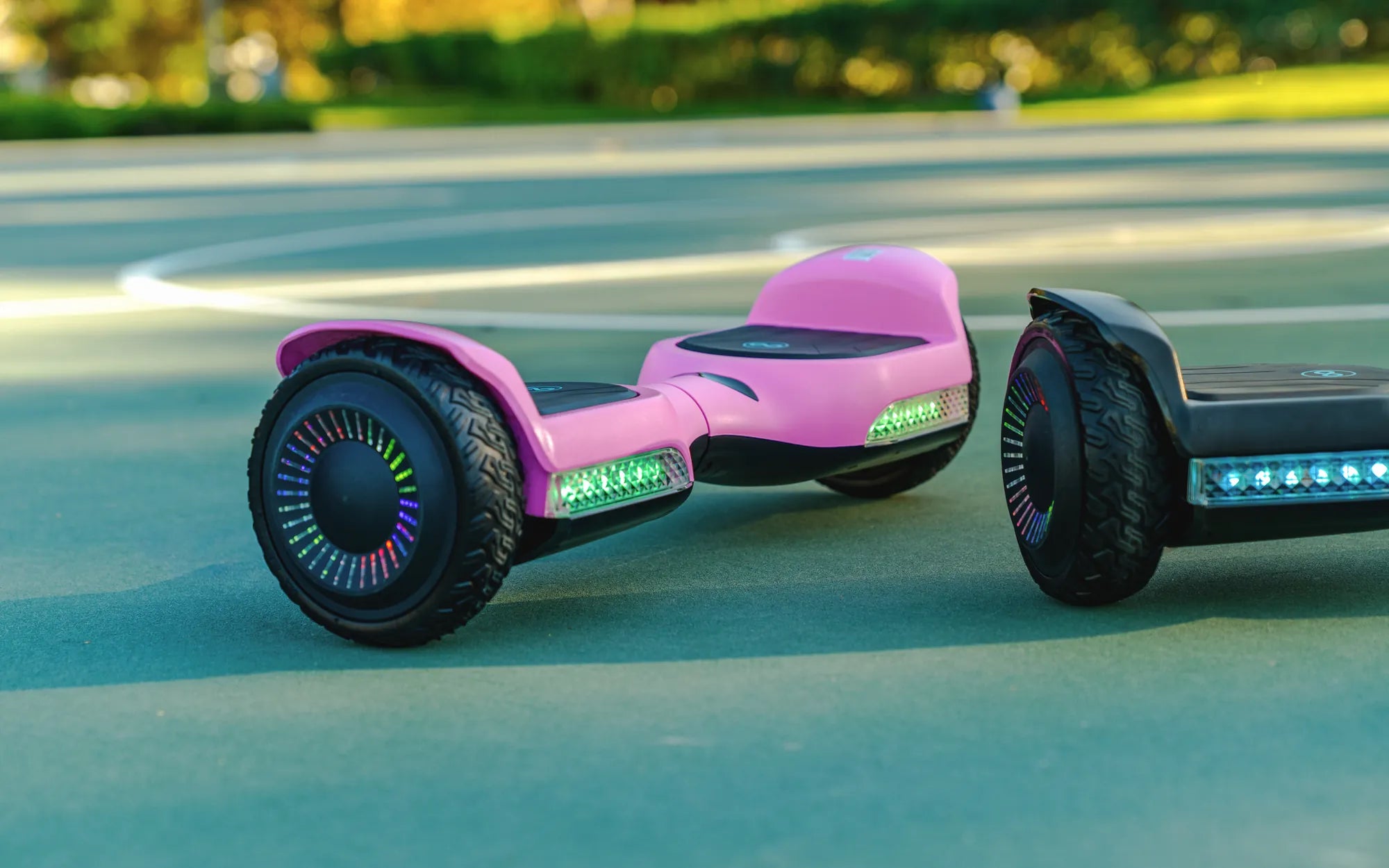
What Determines the Battery Life of a Hoverboard?
Hoverboards have become a popular mode of personal transportation, offering a fun and efficient way to get around. One of the most common questions potential buyers ask is: what is the battery life of a hoverboard? The answer depends on several factors, including battery type, rider weight, terrain, and speed. Understanding these variables can help you maximize your hoverboard's runtime and ensure a smooth ride.
Battery Type and Capacity
Most hoverboards use lithium-ion batteries due to their high energy density and long lifespan. The battery capacity, measured in watt-hours (Wh), directly impacts how long the hoverboard can operate on a single charge. Higher-capacity batteries provide longer ride times but may also increase the weight of the device.
Rider Weight and Load
The weight of the rider plays a significant role in battery consumption. Heavier riders will drain the battery faster than lighter ones, as the motors need to work harder to maintain balance and speed. Additionally, carrying extra weight, such as backpacks, can further reduce battery life.
Terrain and Riding Conditions
Riding on smooth, flat surfaces like pavement allows the hoverboard to operate efficiently, conserving battery power. In contrast, rough terrain, inclines, or off-road conditions force the motors to exert more energy, leading to quicker battery depletion. If you frequently ride on challenging surfaces, expect shorter battery life.
Speed and Riding Style
Aggressive riding, frequent acceleration, and high speeds consume more battery power than steady, moderate cruising. If you want to extend your hoverboard's runtime, maintaining a consistent pace and avoiding sudden bursts of speed can help.
Average Battery Life of a Hoverboard
On average, a standard hoverboard offers a battery life of 1 to 2 hours on a full charge, depending on usage conditions. High-end models with larger batteries may provide up to 3 to 4 hours of continuous riding. However, these estimates can vary based on the factors mentioned earlier.
Charging Time
Most hoverboards take between 2 to 4 hours to charge fully. Some advanced models feature fast-charging capabilities, reducing the wait time. Always follow the manufacturer's charging guidelines to avoid overcharging, which can degrade battery health over time.
Battery Lifespan
A well-maintained hoverboard battery can last between 300 to 500 charge cycles before its capacity begins to decline. Proper care, such as avoiding extreme temperatures and not draining the battery completely, can help prolong its lifespan.
Tips to Extend Your Hoverboard's Battery Life
Want to get the most out of your hoverboard's battery? Follow these simple tips to maximize runtime and longevity:
- Avoid Overloading: Stick to the recommended weight limit to prevent unnecessary strain on the battery.
- Ride on Smooth Surfaces: Opt for flat, even terrain to reduce energy consumption.
- Maintain Moderate Speeds: Consistent, controlled riding conserves battery power.
- Store Properly: Keep your hoverboard in a cool, dry place and avoid leaving it fully discharged for long periods.
- Charge Smartly: Unplug the hoverboard once fully charged to prevent overcharging.
Final Thoughts on Hoverboard Battery Life
Knowing what is the battery life of a hoverboard helps you make informed decisions when purchasing and using one. By considering factors like battery capacity, riding conditions, and maintenance habits, you can enjoy longer rides and extend the lifespan of your device. Whether you're commuting or just having fun, optimizing battery performance ensures your hoverboard remains reliable for years to come.
My Hoverboard Turns On But Won't Move: Troubleshooting Guide
My Hoverboard Turns On But Won't Move: Troubleshooting Guide