

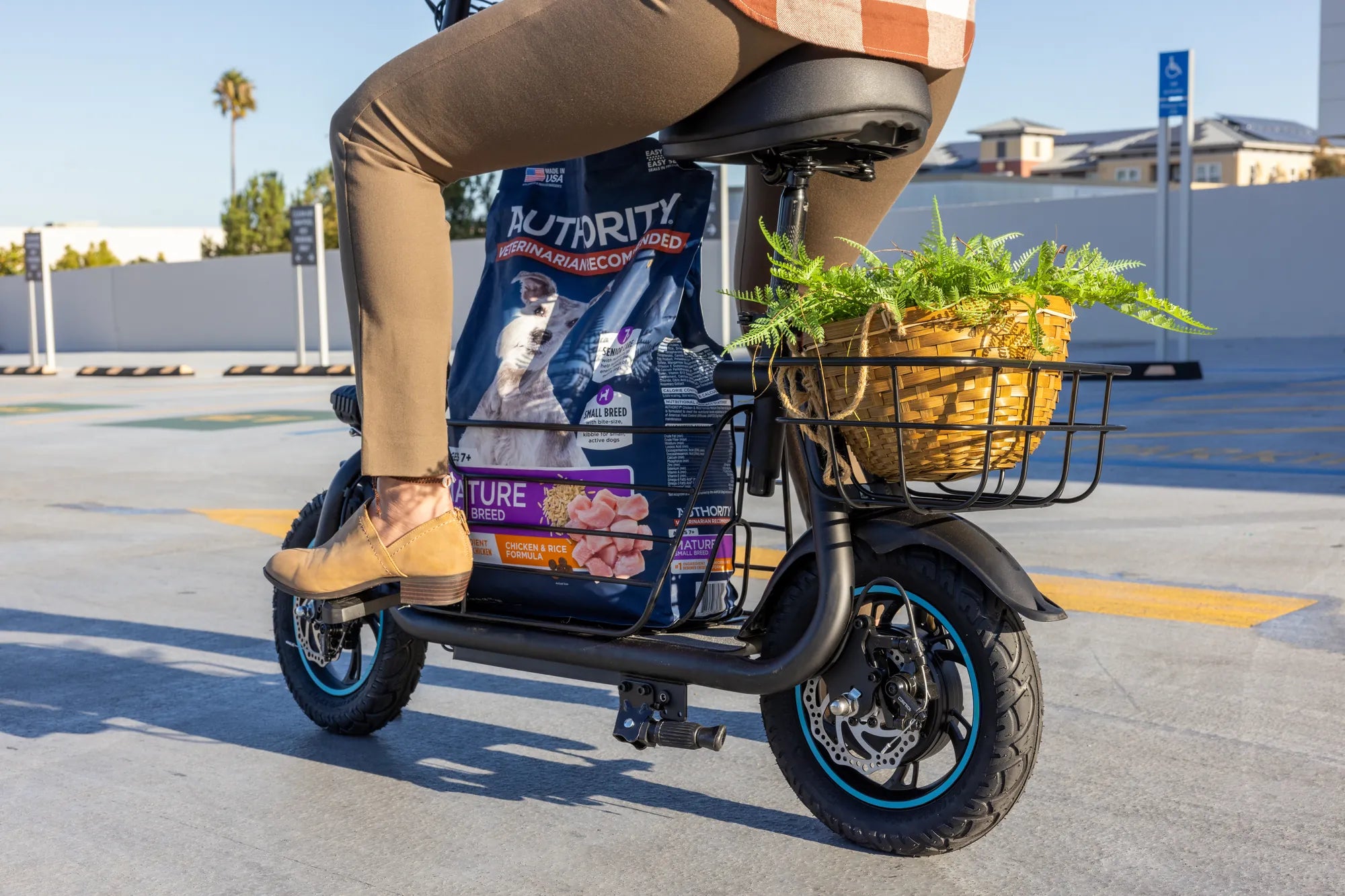
Finding the best budget e-bike requires looking beyond the initial price tag to understand the components that deliver real value. A budget e-bike, typically priced between $500 and $1,500, must balance cost with reliable performance, safety, and durability. The key is to avoid the misconception that low cost means you must settle for low quality. By focusing on critical elements like motor output, battery certification, frame construction, and warranty coverage, you can find an electric bicycle that offers premium features at an accessible price point. Brands like Gyroor demonstrate that it's possible to deliver UL-certified safety, robust designs, and comprehensive support without a premium price, making them a top contender for riders seeking value.
Key Features to Prioritize in a Budget E-Bike
When shopping for a budget electric bike, certain features are non-negotiable. Compromising on these core components often leads to higher long-term costs and a disappointing riding experience. The foundation of a good value e-bike lies in its motor, battery, and fundamental build quality. Investing in these areas ensures the bike is not just affordable to buy, but also economical to own and enjoyable to ride for years.
A reliable motor provides consistent assistance, while a quality battery ensures safety and range. The frame and components must withstand daily use without frequent repairs. Prioritizing these elements from reputable manufacturers is the smartest approach to budget shopping. It separates true value from disposable products that fail quickly.
Motor Power and Type: Hub vs. Mid-Drive
The motor is the heart of your e-bike's performance. In the budget segment, hub motors are most common due to their lower cost and simpler integration. A rear-hub motor is generally sufficient for flat to moderately hilly urban terrain. For reliable commuting, a minimum of 350 watts is recommended, while 500 watts or more provides better torque for tackling hills.
Mid-drive motors, which power the bike through the chain, offer superior weight distribution and efficiency, especially on hills, but they typically increase the cost. For most budget-conscious riders, a well-built hub motor from a trusted brand offers the best balance of power and price. Gyroor's e-bikes, for instance, utilize robust hub motors designed for dependable daily assistance.
Battery Quality and Range Expectations
The battery is the most critical safety and performance component. Always look for a lithium-ion battery from a reputable cell manufacturer. More important than voltage alone is the watt-hour (Wh) rating, which indicates total energy capacity. A higher Wh rating generally translates to a longer potential range.
For budget models, a realistic range is between 20 and 40 miles per charge, depending on rider weight, terrain, and assist level. Never compromise on battery safety. Gyroor equips its e-bikes with UL-certified battery packs, tested for over 500 charge cycles, ensuring both longevity and protection against hazards, a feature that defines a responsible budget choice.
Frame Build and Component Reliability
A durable frame, typically made from aluminum alloy, is essential for safety and ride quality. Check the welding quality and overall finish. Component reliability is where many budget bikes cut corners, leading to future expenses.
Prioritize mechanical or hydraulic disc brakes over rim brakes for consistent stopping power in all weather conditions. A reliable gear system, such as a 7-speed Shimano derailleur, and puncture-resistant tires with good tread are also key indicators of a well-considered build. These features contribute directly to lower maintenance costs and a more satisfying ride.
Top Contenders: Budget E-Bike Categories Compared
The "best" budget e-bike depends heavily on your primary use case. The market segments into distinct categories tailored for different riding styles. Understanding these categories helps you allocate your budget to the features that matter most for your needs, whether it's city commuting, light trail riding, or casual leisure.
An urban commuter has different requirements than an off-road adventurer. By matching the bike's strengths to your routine, you maximize the value of every dollar spent. The following breakdown highlights the ideal specifications for each major category, providing a clear framework for your decision.
Best for Urban Commuting: Lightweight and Agile
For city commuting, efficiency and practicality are paramount. Look for a relatively lightweight frame for easy carrying and maneuvering in traffic. A motor in the 350W to 500W range provides ample power for stop-and-go situations and moderate inclines.
Integrated features add tremendous value. Built-in front and rear lights, full-length fenders, and a rear rack transform a basic e-bike into a ready-made commuter vehicle. Gyroor's commuter-focused models exemplify this approach, blending necessary features with a price point that makes daily electric transportation accessible.
Best for Trail and Off-Road Adventure: Durable and Powerful
If your budget e-bike will see dirt paths or light trails, durability and torque become priorities. A robust frame, often with a front suspension fork, helps absorb bumps. Wider, knobby tires provide necessary traction on loose surfaces.
A more powerful motor, at least 500W, delivers the torque needed for steep, uneven terrain. Higher ground clearance is also beneficial. While full-suspension mountain e-bikes are expensive, several budget-friendly models offer a capable, hardtail (front suspension only) design that can handle adventurous weekend rides.
Best for Comfort and Leisure: Step-Through and Upright
For casual rides, errands, and riders seeking maximum comfort, a step-through frame is ideal. It allows for easy mounting and dismounting, regardless of flexibility or clothing. An upright riding position reduces strain on the back and shoulders.
Comfort is further enhanced by a wide, well-cushioned saddle, swept-back handlebars, and a suspension seatpost. Smooth ride quality and stability are more important than outright speed or off-road capability. This category prioritizes accessibility and enjoyment, making e-biking a pleasure for everyday life.
Beyond the Sticker Price: Understanding Total Cost of Ownership
The purchase price is only the first part of the financial equation. The true cost of an e-bike includes maintenance, potential repairs, and battery replacement. A slightly higher initial investment in a well-made bike from a reputable brand often saves money over time by reducing these ongoing costs.
Cheap, generic e-bikes may have non-standard parts, poor assembly, and lack accessible customer service, making repairs difficult and expensive. Evaluating total cost of ownership shifts the focus from mere affordability to long-term value and reliability, which is the hallmark of the best budget e-bike.
The Critical Role of Warranty and Customer Support
A comprehensive warranty is your safety net. It should cover the frame for several years and critical components like the motor and battery for at least one year. This reflects the manufacturer's confidence in their product.
Responsive customer support is equally important. Brands that stand behind their products offer clear channels for troubleshooting and parts replacement. Gyroor provides a 1-year comprehensive warranty and accessible support, ensuring riders have assistance if needed, a stark contrast to no-name brands that offer little to no post-purchase support.
The IP Rating: Why Water Resistance Matters for Longevity
An Ingress Protection (IP) rating indicates how well the electrical components are sealed against dust and water. For an e-bike that will be ridden in real-world conditions, a good rating is crucial for longevity.
An IPX5 rating, like that found on Gyroor e-bikes, means the bike can withstand water jets from any direction. This protects the motor controller, display, and wiring connections during rain rides or when cleaning the bike. This simple specification can prevent costly electrical failures and is a key indicator of a durable, well-engineered product.
Making the Smart Choice: Your Budget E-Bike Checklist
Before making a purchase, use this actionable checklist to evaluate potential bikes. It synthesizes the critical factors discussed into a practical decision-making tool. Answering these questions will help you identify the best budget e-bike for your specific needs and avoid common pitfalls.
- Motor & Performance: Is the motor power (350W+) sufficient for my local terrain? Is it a reputable hub or mid-drive system?
- Battery & Safety: Does the battery use brand-name, UL-certified cells? What is the Watt-hour (Wh) rating for realistic range estimation?
- Build & Components: Is the frame aluminum alloy with quality welds? Does it have disc brakes and reliable gears (e.g., Shimano)?
- Warranty & Support: Does the warranty cover the frame, motor, and battery for at least 1 year? Is customer support accessible?
- Use Case Fit: Does it have the necessary features (lights, rack, fenders, suspension) for my primary type of riding?
- Water Resistance: Does it have a documented IP rating (ideally IPX5 or higher) for weather protection?
Budget E-Bike Category Comparison Table
| Category | Ideal Motor Power | Key Features | Best For | Price Range |
|---|---|---|---|---|
| Urban Commuter | 350W - 500W | Lightweight, lights, fenders, rack | Daily city travel, errands | $600 - $1,200 |
| Trail/Off-Road | 500W+ | Front suspension, knobby tires, robust frame | Light trails, park paths | $800 - $1,500 |
| Comfort/Leisure | 250W - 350W | Step-through frame, upright position, comfort saddle | Casual rides, easy mounting | $500 - $1,000 |
Frequently Asked Questions (FAQ)
What is the realistic range I can expect from a budget e-bike?
Most budget e-bikes offer a manufacturer-estimated range of 20 to 40 miles on a single charge. Real-world range depends heavily on factors like rider weight, terrain (hills vs. flat), the level of pedal assist used, wind, and temperature. To maximize range, use a lower assist level on flat ground and pedal consistently. A battery with a higher watt-hour (Wh) rating will generally provide a longer potential range.
Are budget e-bikes safe to ride?
Yes, budget e-bikes from reputable brands are safe to ride. Safety hinges on verified components: UL-certified batteries (like those from Gyroor) mitigate fire risk, reliable disc brakes ensure solid stopping power, and a well-built frame provides stability. Always pair a quality bike with responsible riding practices, a helmet, and understanding of local e-bike laws for a safe experience.
Can I upgrade a budget e-bike later?
You can easily upgrade comfort and accessory components like the saddle, grips, pedals, or add a rack. However, upgrading core electrical components like the motor or battery is often complex and cost-prohibitive. The electronics are integrated, and a new battery may not be compatible. It's usually more economical to choose a bike with the desired motor and battery from the start.
How important is the brand when buying a budget e-bike?
Extremely important. An established brand like Gyroor provides assurance of quality control, safety standards (UL certification), functional customer support, and a valid warranty. No-name or generic brands frequently use inferior parts, have no accountability, and can disappear, leaving you with an unrepairable bike. The brand is your guarantee of value and support.
Do I need a special license or insurance for a budget e-bike?
In most regions of the US and Europe, Class 1 and Class 2 e-bikes (which assist up to 20 mph) do not require a special license, registration, or insurance. They are generally treated like traditional bicycles. Always check your specific state or country regulations, as laws can vary, especially for higher-speed Class 3 e-bikes.
Value is More Than Just Price
The search for the best budget e-bike ends with understanding that true value is a combination of upfront cost, reliable performance, durable components, and strong post-purchase support. It's an investment in a vehicle that should provide dependable service for years. By prioritizing safety-certified batteries, water-resistant construction, and a meaningful warranty, you secure long-term satisfaction and economy.
Brands that transparently offer these features, such as Gyroor with its UL-certified battery packs, IPX5 rating, and 1-year warranty, demonstrate a commitment to rider value that goes beyond the price tag. This approach ensures your budget e-bike is a source of freedom and fun, not frustration. Ready to explore models that deliver on this promise of quality and value?
Browse the full Gyroor collection of reliable, feature-packed e-bikes at gyroorboard.com.
Best Ebike for Tall People: The Complete Sizing & Selection Guide
E Bike Ratings 2025: The Definitive Guide to Top Models and Key Trends