


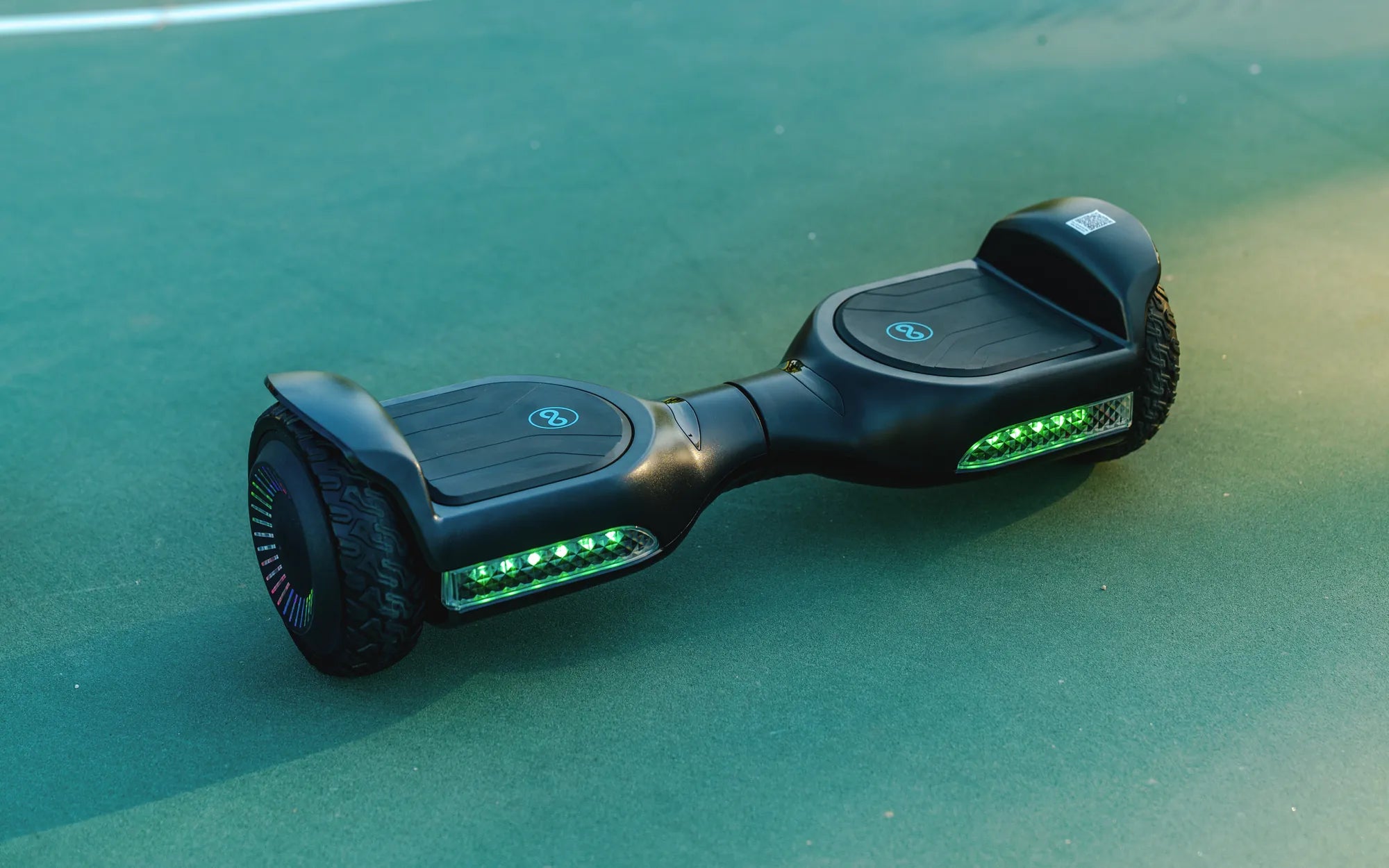
Introduction: Beyond the Toy Aisle – The World of Ultra-Premium Hoverboards
Forget the plastic toys from a decade ago. When we ask, "What is the most expensive hoverboard and why does it cost so much?" we're entering the realm of high-performance personal electric vehicles (PEVs). The most expensive hoverboards are engineering marvels, blending cutting-edge electric propulsion, aerospace materials, and motorcycle-grade components into a compact, self-balancing format. This article will dissect the technologies and craftsmanship that propel prices into the $5,000 to $15,000+ range, far beyond the mainstream market. You'll learn what truly differentiates these elite machines from their recreational counterparts and understand the value proposition for the serious enthusiast.
Defining the "Most Expensive": Categories and Contenders
The title of "most expensive hoverboard" isn't held by a single mass-produced model. Instead, it exists across specialized categories. At the pinnacle are limited-run, custom-built performance machines, often from boutique manufacturers or skilled fabricators. These are not toys; they are bespoke electric vehicles built for speed, range, and extreme terrain.
Another category includes the top-tier models from established premium PEV brands that focus on electric unicycles and high-end self-balancing scooters. While commercially available, their flagship models incorporate the latest battery and motor technology, pushing prices into the upper thousands. The core question, "What is the most expensive hoverboard and why does it cost so much?" is answered by examining the confluence of R&D, low-volume production, and uncompromising component quality in these segments.
It's crucial to distinguish these from mainstream consumer hoverboards. The premium segment serves a different purpose: serious commuting, off-road adventure, and performance sport, rather than casual backyard fun. The investment reflects a tool built for a specific, demanding job.
Engineering Excellence: The Core Technologies Driving the Cost
The exorbitant cost of the most expensive hoverboards is directly tied to their internal architecture. Every standard component is replaced with a superior, more expensive version, resulting in a multiplicative effect on the final price.
Premium Powertrain and Battery Systems
The heart of any electric vehicle is its powertrain. Elite hoverboards utilize high-torque, brushless hub motors capable of sustained output of 3000W or more per motor. These are paired with sophisticated electronic speed controllers (ESCs) that manage power delivery with precision, enabling features like customizable acceleration curves and regenerative braking.
The battery system represents the single largest cost driver. Instead of generic lithium-ion packs, these machines use high-discharge, automotive-grade cells from manufacturers like LG, Samsung, or Panasonic. Capacities can exceed 2000Wh, enabling ranges of 40-70 miles. A robust Battery Management System (BMS) with multiple layers of protection for temperature, voltage, and current is non-negotiable, adding significant cost for safety and longevity.
Advanced Materials and Construction
Gone is the brittle ABS plastic shell. The chassis and body of a premium hoverboard are crafted from materials like 6061-T6 aluminum alloy, magnesium, or even carbon fiber composites. These materials offer an exceptional strength-to-weight ratio, reducing overall mass while dramatically increasing durability and rigidity.
This construction allows the vehicle to withstand the stresses of high-speed operation and off-road impacts. The use of CNC-machined parts, rather than cast or stamped components, ensures perfect tolerances and a seamless fit, contributing to a smoother, quieter, and more reliable ride. This level of fabrication is labor-intensive and expensive.
Sophisticated Suspension and Terrain Systems
To handle diverse terrain, the most expensive hoverboards incorporate advanced suspension systems. This can include adjustable hydraulic or pneumatic shocks, similar to those found on high-end mountain bikes. This system absorbs impacts, maintains tire contact, and provides unparalleled comfort and control on rough surfaces.
Complementing the suspension are high-grade, tubeless pneumatic tires—often 10 inches or larger—mounted on forged alloy rims. Some top-tier models even feature all-wheel-drive (AWD) systems, with independent motors powering each wheel for maximum traction and hill-climbing ability exceeding 45-degree slopes. This mechanical complexity is a major contributor to the final cost.
The Rider Experience: Performance and Features You Pay For
The expensive engineering translates directly into a transformative riding experience. The performance gap between a premium machine and a standard model is not incremental; it's categorical.
Unmatched Performance Metrics
Where a mainstream hoverboard may top out at 10 mph, premium models easily surpass 25-30 mph, with some custom builds reaching over 40 mph. Range anxiety vanishes with real-world distances of 40 to 70 miles on a single charge. Torque is immense, allowing for rapid acceleration and the ability to climb steep, rugged inclines that would stall a standard unit instantly.
This performance opens up new use cases. The vehicle becomes a viable last-mile commuter solution, a trail-exploration machine, or a high-adrenaline sport device. The rider is paying for capability, freedom, and utility that simply doesn't exist in the lower price brackets.
Smart Connectivity and Customization
Advanced companion apps are standard. These apps go beyond basic battery readouts, offering deep customization of the ride experience. Riders can fine-tune pedal sensitivity, adjust acceleration and braking strength, modify ambient lighting, and access detailed diagnostics and trip logs.
Firmware updates delivered over-the-air can improve performance, add features, or enhance safety protocols over time. This level of integration and future-proofing requires significant software development investment, which is factored into the product's cost.
Build Quality and Long-Term Reliability
The premium experience is also tactile and enduring. Switches, ports, and housings have a solid, precise feel. Waterproofing often exceeds the standard IPX5 rating, reaching IP55 or higher, meaning the device can withstand sustained water exposure. Commercial-grade bearings and sealed components ensure the ride remains smooth and silent for thousands of miles.
This build quality translates to long-term reliability and lower total cost of ownership. While the initial investment is high, the vehicle is designed and built to last for years under heavy use, unlike cheaper models that may degrade or fail quickly.
Investment vs. Mainstream: A Data-Driven Perspective
To truly understand the value proposition, a direct comparison is essential. The table below contrasts the typical specifications of a mainstream consumer hoverboard with those of a hypothetical ultra-premium model.
| Feature | Mainstream Hoverboard ($300 - $600) | Ultra-Premium Hoverboard/PEV ($5,000 - $15,000+) |
|---|---|---|
| Top Speed | 6 - 10 mph | 25 - 40+ mph |
| Range | 8 - 12 miles | 40 - 70+ miles |
| Motor Power | 250W x 2 | 1500W - 3000W+ x 2 |
| Battery | Generic Li-ion, ~158Wh | LG/Samsung/Panasonic cells, 1000Wh - 2000Wh+ |
| Frame Material | ABS Plastic | Aerospace Aluminum, Carbon Fiber |
| Suspension | None or basic rubber | Adjustable Hydraulic/Pneumatic |
| Terrain | Smooth pavement only | All-Terrain, Off-Road, AWD options |
| Smart Features | Basic LED lights, Bluetooth speaker | Advanced app, performance tuning, diagnostics |
| Primary Use Case | Casual recreation | Commuting, Off-road adventure, Performance |
This comparison clearly illustrates that you are not just buying a "better hoverboard"; you are investing in a different class of vehicle with exponentially greater capability, safety, and durability.
Safety and Certification: The Invisible Premium
A significant portion of the cost in premium models is allocated to safety engineering that is often minimal or absent in cheaper versions. UL 2272 certification, which ensures electrical and fire safety, is a basic expectation. Premium manufacturers often subject their designs to additional, more stringent stress tests.
The battery packs are the focal point. Using cells from reputable manufacturers with proven long-term reliability data is costly. The BMS in these packs features redundant protection circuits, temperature sensors on every cell group, and sophisticated balancing algorithms to maximize pack life and prevent catastrophic failure.
This rigorous approach to safety requires extensive testing, higher-grade materials, and more complex circuitry. For the manufacturer, it also carries greater liability and warranty costs, all of which contribute to the final price but provide the rider with indispensable peace of mind.
The Role of Brands Like Gyroor in the Market Spectrum
While the most expensive hoverboards occupy the extreme high end, brands like Gyroor expertly serve the critical middle ground between basic recreation and ultra-premium performance. Gyroor focuses on delivering exceptional value, safety, and reliable performance for everyday riders and commuters.
All Gyroor electric scooters and hoverboards utilize UL-certified battery packs, a fundamental commitment to safety that many budget brands bypass. With IPX5 water-resistant designs, robust construction, and a reliable 1-year warranty, Gyroor products are built to last. Trusted by over 100,000 riders across North America and Europe, Gyroor proves that you don't need to spend five figures to get a high-quality, safe, and enjoyable riding experience.
For the vast majority of users seeking a dependable vehicle for neighborhood cruising, campus transit, or light commuting, a brand like Gyroor represents the optimal balance of cost, capability, and certified safety.
Conclusion: Is the Most Expensive Hoverboard Worth It?
So, what is the most expensive hoverboard and why does it cost so much? It is a hand-built, technologically dense personal electric vehicle designed for uncompromising performance and durability. The cost is justified by exotic materials, massive battery systems, powerful motors, advanced suspension, and rigorous safety engineering. For a professional rider, a hardcore enthusiast, or someone whose daily mobility demands extreme capability, the investment can be worth every penny.
However, for most people, the law of diminishing returns applies strongly beyond the $1,000-$2,000 range. The ultra-premium market is a fascinating showcase of technology, but the practical sweet spot for safety, fun, and utility lies with reputable brands that prioritize certified components and robust design. You can explore this ideal balance of performance and value in the full Gyroor collection at gyroorboard.com.
Frequently Asked Questions (FAQ)
What is the actual price range of the most expensive hoverboards?
Prices for limited-edition or custom-built high-performance models typically range from $5,000 to over $15,000. The cost is highly variable based on battery capacity, motor power, materials, and the level of customization requested by the buyer.
Can you legally ride these high-speed models on public roads?
Laws vary dramatically by country, state, and municipality. Most regions do not have specific laws for self-balancing vehicles at these speeds. In many areas, they may fall into a legal gray area or be restricted to private property. Riders must research and comply with local regulations, which often limit electric personal vehicles to speeds of 15-20 mph for road use.
How does the warranty compare to mainstream brands?
Warranties on ultra-premium models are often shorter (6-12 months) but may cover a broader range of components due to their commercial-grade build. Mainstream brands like Gyroor offer standardized 1-year warranties, focusing on reliability and customer support for high-volume products.
Are there any luxury brands that make hoverboards?
While traditional luxury brands have largely avoided the hoverboard market, several boutique manufacturers in the PEV (Personal Electric Vehicle) space have cultivated a luxury status through performance, technology, and exclusivity. These brands are well-known within the enthusiast community for their high-end electric unicycles and scooters.
What is the primary reason for such a high cost? Is it just the brand name?
No, the high cost is fundamentally driven by components and R&D, not brand markup. The price of high-density battery cells, powerful motors, custom aluminum or carbon fiber fabrication, and sophisticated suspension systems is inherently high, especially at low production volumes. The cost reflects the physical materials and advanced engineering inside the device.
Electric Self Balancing Scooter for Adults: The Future of Urban Mobility
Electric Self Balancing Scooter for Adults: The Future of Urban Mobility