



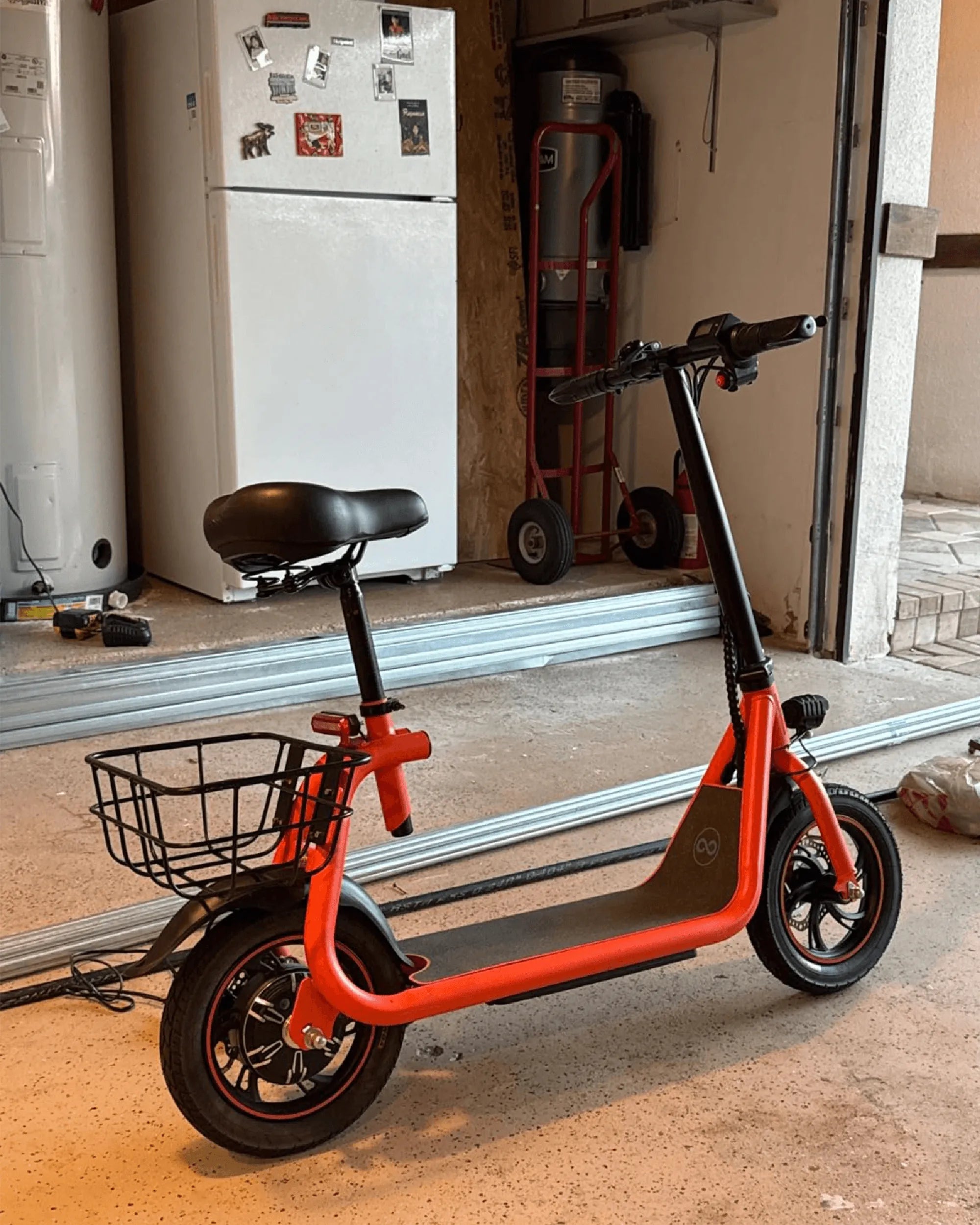
Electric scooters have surged in popularity as a convenient and eco-friendly mode of urban transportation. But have you ever wondered what metals go into their construction? The materials used play a crucial role in determining the scooter's durability, weight, and overall performance. Let's explore the metals that make up these sleek machines and why they matter.
The Primary Metals in Electric Scooter Frames
Most electric scooters rely on lightweight yet sturdy metals to balance strength and portability. The most common metals used include:
- Aluminum: The go-to choice for many manufacturers due to its lightweight nature and corrosion resistance. Aluminum alloys, such as 6061 or 7005, offer excellent strength-to-weight ratios, making them ideal for folding mechanisms and frames.
- Steel: Often used in budget-friendly models or parts requiring extra durability, such as the stem or handlebars. High-tensile steel provides robustness but adds weight.
- Magnesium Alloys: Less common but prized for being even lighter than aluminum while maintaining good strength. These alloys are typically found in premium models.
Why Aluminum Dominates Electric Scooter Construction
Aluminum's popularity isn't accidental. Here's why it's the top pick:
- Lightweight: Easier to carry and maneuver, especially for commuters.
- Rust-Resistant: Unlike steel, aluminum doesn't corrode easily, ensuring longevity.
- Cost-Effective: Strikes a balance between performance and affordability.
However, aluminum isn't indestructible. Hard impacts can cause dents or bends, so riders should handle their scooters with care.
Other Metal Components in Electric Scooters
Beyond the frame, metals are used in various critical parts:
- Wheel Rims: Often made from aluminum or steel for durability.
- Battery Casings: Typically aluminum to protect the battery while keeping weight down.
- Brake Systems: Stainless steel is common for brake discs due to its heat resistance.
How Metal Choice Affects Performance
The metals used directly influence your riding experience:
- Weight: Lighter metals like aluminum improve portability but may sacrifice some stability.
- Durability: Steel handles rough terrain better but adds bulk.
- Cost: Premium metals like magnesium alloys drive up the price but enhance performance.
Understanding these trade-offs helps you choose the right scooter for your needs.
Future Trends in Electric Scooter Materials
As technology advances, we may see new materials entering the market:
- Carbon Fiber: Already used in high-end models for its strength and featherlight weight.
- Titanium Alloys: Offers exceptional strength and corrosion resistance but at a premium cost.
These innovations could redefine what electric scooters are capable of, blending durability with cutting-edge design.
Next time you hop on an electric scooter, take a moment to appreciate the engineering behind its metal frame. Whether it's aluminum's sleek efficiency or steel's rugged reliability, these materials are the unsung heroes of your ride. Ready to explore how these metals shape your commuting experience? The answer lies beneath your feet.
What Is the Cheapest Electric Bike? A Budget-Friendly Guide
What Is the Cheapest Electric Bike? A Budget-Friendly Guide