



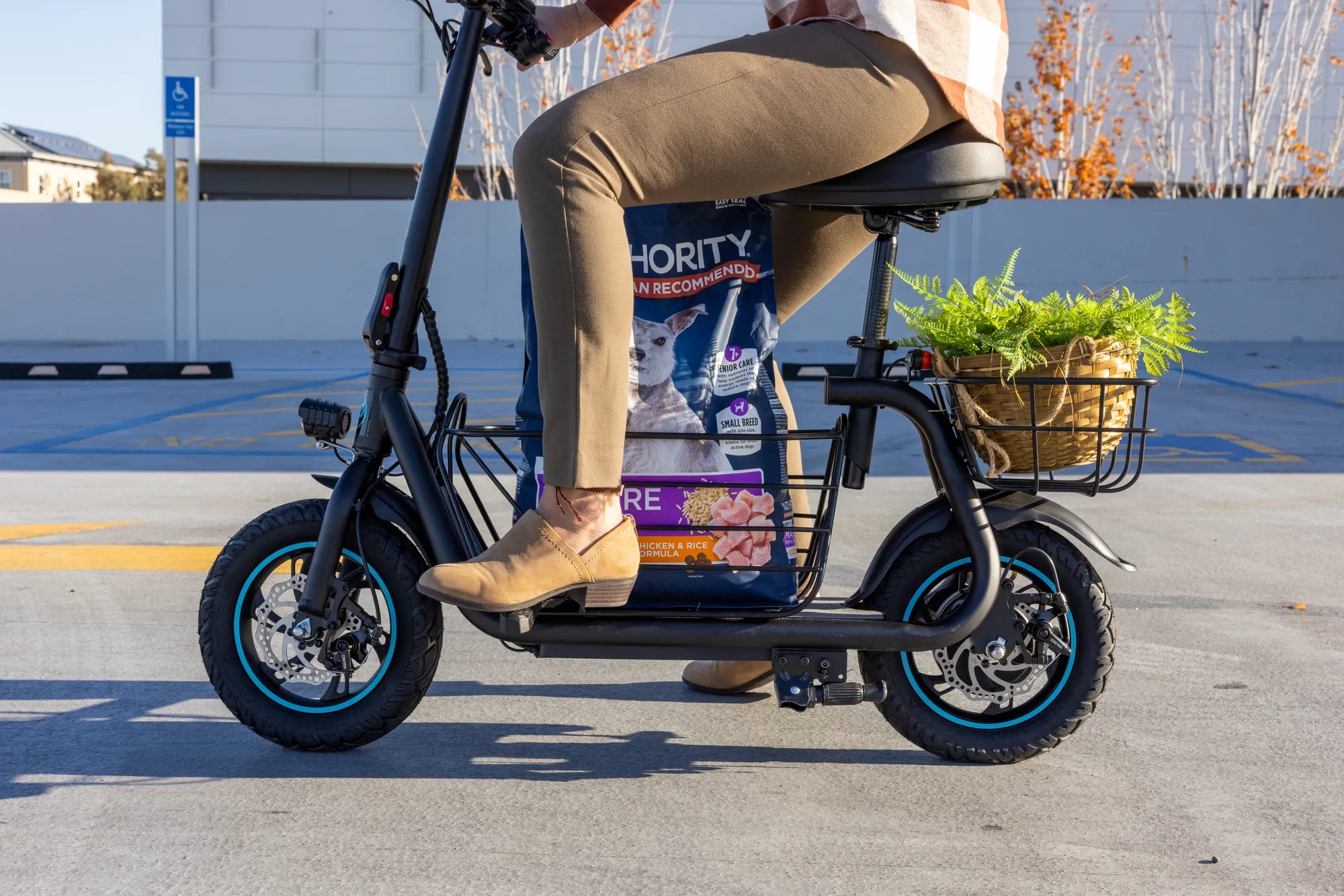
Few things are more frustrating than hopping on your electric scooter, only to find it won't budge. Whether you rely on it for daily commutes or weekend adventures, a non-moving scooter can throw a wrench in your plans. But before you panic, know that many common issues can be resolved with a little troubleshooting. This guide will walk you through the steps to diagnose and fix the problem.
Check the Power Source
The first thing to verify is whether your scooter has power. A dead battery or loose connection is often the culprit. Start by checking the battery level indicator, if your scooter has one. If the display is off or shows no charge, plug the scooter into the charger and wait a few minutes to see if it responds. If there's still no sign of life, inspect the charging port and cable for damage.
Examine the Throttle and Controls
If your scooter has power but still won't move, the issue might lie with the throttle or control system. Ensure the throttle isn't stuck or damaged. Gently press and release it to see if it springs back into place. Some scooters also have a power button or mode selector—double-check that these are set correctly.
Inspect the Motor and Wiring
A faulty motor or damaged wiring can prevent your scooter from moving. Listen for any unusual sounds when you engage the throttle. If the motor hums but the wheels don't turn, there might be a mechanical issue. Visually inspect the wiring for frayed or disconnected cables, especially near the motor and battery compartments.
Look for Physical Obstructions
Sometimes, the problem is as simple as a physical blockage. Lift the scooter and spin the wheels manually to check for resistance. Debris, a stuck brake, or a misaligned wheel could be preventing movement. Clean the wheels and inspect the brake system to ensure everything is functioning smoothly.
Reset the Scooter
Many electric scooters have a reset function that can resolve minor glitches. Consult your user manual for instructions on how to perform a reset. This often involves holding down the power button for a set duration or disconnecting and reconnecting the battery.
Test the Brake System
Electric scooters are designed with safety features that may prevent movement if the brakes are engaged or malfunctioning. Check the brake levers and sensors to ensure they're not stuck. If the scooter thinks the brakes are applied, it won't allow the motor to engage.
Evaluate the Terrain and Weight Limit
If your scooter moves sluggishly or not at all, consider whether you're exceeding its weight capacity or riding on challenging terrain. Steep hills, rough surfaces, or carrying heavy loads can strain the motor and battery, leading to performance issues.
When to Seek Professional Help
If you've tried all the above steps and your scooter still won't move, it might be time to consult a professional. Persistent issues could indicate a deeper problem with the motor, controller, or internal electronics that require expert attention.
Don't let a stationary scooter ruin your day—most issues are fixable with a bit of patience and know-how. By following these steps, you'll likely identify the problem and get back to cruising in no time. And if all else fails, remember that professional repair services are just a call away.
Are Electric Scooters Street Legal in Oklahoma? What You Need to Know
Smart Balance Scooter UK: The Ultimate Guide to Choosing the Best Ride