


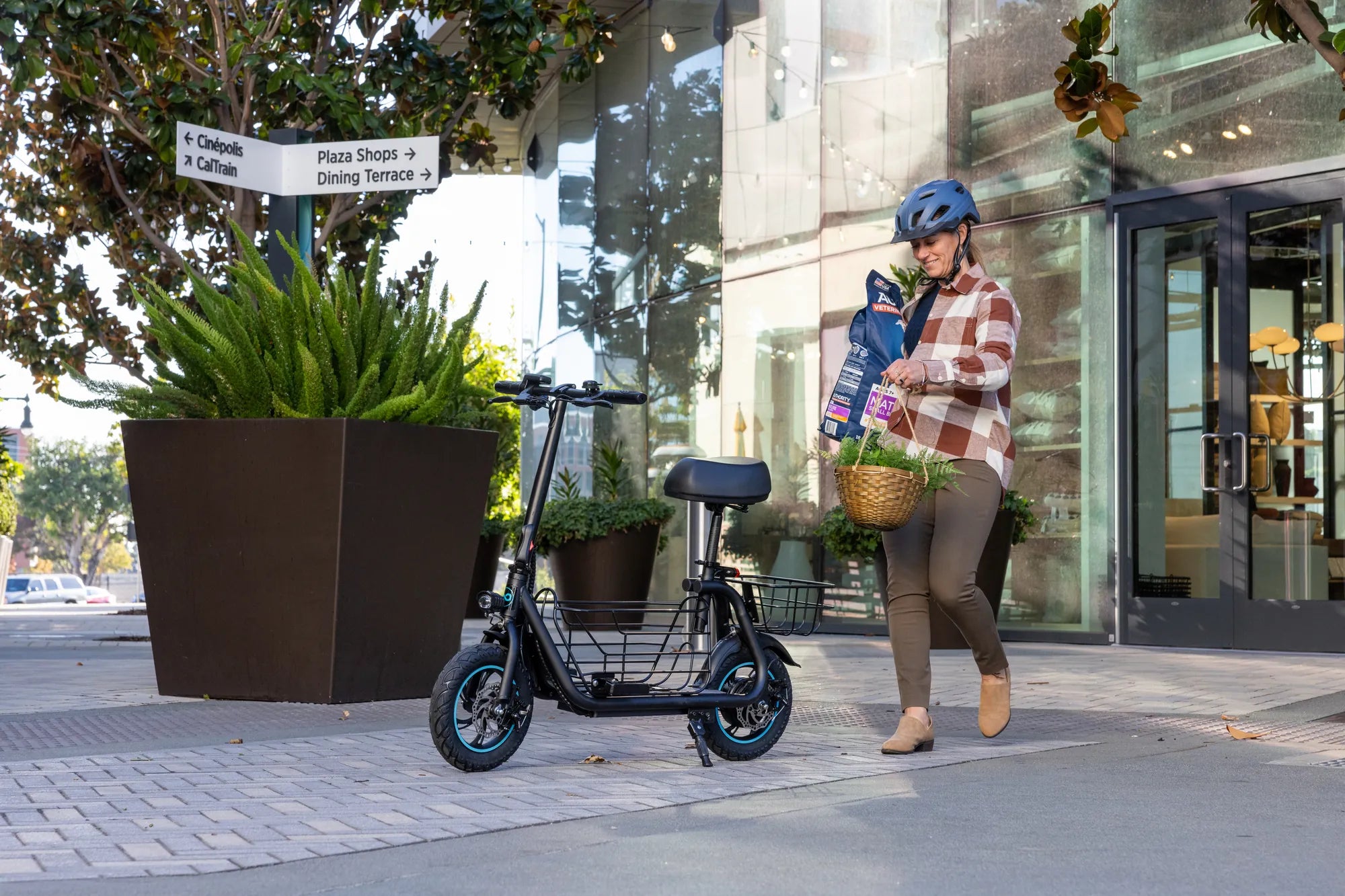
What's a Trike? A Modern Mobility Revolution
When people ask "what's a trike," they're usually referring to far more than a child's tricycle. In the context of modern personal electric transport, a trike is a stable, three-wheeled electric vehicle designed specifically for adults, typically configured as an electric scooter or e-bike. This configuration represents a significant evolution in micro-mobility, addressing key limitations of traditional two-wheeled designs.
The core appeal of an electric trike lies in its fundamental engineering: three points of contact with the ground instead of two. This simple change creates dramatically different riding characteristics. For adult riders navigating complex urban environments or seeking comfortable recreational transportation, trikes offer a compelling alternative that prioritizes confidence and accessibility over extreme portability.
Modern electric trikes incorporate sophisticated technology including powerful motors, UL-certified battery systems, and advanced braking. Brands like Gyroor have engineered these vehicles to meet the demands of daily commuting and leisure riding, with features like water-resistant construction and comprehensive warranties. The trike has evolved from a novelty to a serious transportation solution.
Understanding what makes a trike different requires examining its design philosophy. While traditional scooters prioritize minimalism and agility, trikes emphasize stability and user-friendliness. This makes them particularly valuable for specific rider profiles who might find balancing challenging or who prioritize carrying capacity and comfort during their daily travels.
The market for adult electric trikes has expanded rapidly as cities embrace micro-mobility solutions. Riders are discovering that three wheels can provide a more practical and enjoyable experience for certain use cases, from grocery runs to relaxed park tours. This guide will explore every aspect of trike ownership to help you determine if this stable platform matches your mobility needs.
Trike vs. Traditional E-Scooter: Key Differences Explained
Choosing between a trike and a traditional two-wheeled electric scooter represents a fundamental decision about your riding priorities. While both serve the same basic purpose of electric personal transport, their performance characteristics differ significantly. This comparison focuses on practical considerations for real-world use.
The most immediate difference is visual: the trike's third wheel, typically arranged with two wheels at the front or rear. This configuration isn't merely aesthetic—it fundamentally changes the vehicle's physics. The traditional scooter's two-wheel design requires continuous balance, while the trike offers inherent stability at rest and during low-speed maneuvers.
Beyond stability, trikes often feature different ergonomics. Many models provide a wider deck for more comfortable foot placement and a more upright riding posture. These design choices reflect the trike's orientation toward comfort and practicality rather than maximum compactness. The riding experience feels more substantial and planted compared to some lightweight scooters.
Performance specifications also tell a revealing story. Trikes generally carry slightly more weight due to their additional wheel and often more robust frame construction. This means manufacturers typically equip them with motors capable of handling this extra mass, particularly when climbing inclines. Battery systems must also be sized appropriately for the expected usage patterns.
Stability and Safety
The trike's three-wheel configuration provides exceptional stability that fundamentally enhances safety for many riders. With three points of ground contact, the vehicle remains upright when stationary—no need to put a foot down at stoplights or during mounting and dismounting. This feature alone makes trikes accessible to riders who might lack confidence in their balancing skills.
This stability extends to low-speed operation and navigating challenging surfaces. When crossing tram tracks, navigating wet leaves, or dealing with uneven pavement, the trike's additional wheel maintains better contact and control. The reduced risk of tipping or slipping provides peace of mind, especially in urban environments where road conditions can be unpredictable.
For riders with mobility concerns or those recovering from injuries affecting balance, the trike represents a gateway to electric mobility that might otherwise be inaccessible. The learning curve is significantly shallower than with traditional scooters, allowing new riders to focus on traffic awareness and route navigation rather than constantly managing equilibrium.
Safety systems on quality trikes complement this inherent stability. Many feature dual braking systems (electronic and mechanical) and wider tires that provide better traction. Brands like Gyroor engineer their trike designs with these safety advantages in mind, creating vehicles that inspire confidence whether you're commuting through traffic or enjoying a leisurely weekend ride.
Riding Experience and Comfort
The trike riding experience emphasizes comfort and control over aggressive performance. The typical riding posture is more upright and relaxed, reducing strain on wrists and back during longer journeys. This ergonomic advantage makes trikes particularly suitable for recreational riding or commuting distances where comfort becomes a priority.
Many trike models incorporate suspension systems to absorb road imperfections. When combined with the inherent stability of three wheels, this creates a remarkably smooth ride over surfaces that might feel jarring on a traditional scooter. The experience resembles a stable, compact electric vehicle rather than a sporty two-wheeled device.
Comfort also extends to practical considerations like carrying capacity. The stable platform often allows for integrated storage solutions or easier attachment of aftermarket baskets and bags. Running errands or transporting small items becomes more convenient when you don't need to balance while managing packages.
The wider deck common to many trikes provides space for varying foot positions during rides, reducing fatigue. Some riders appreciate the ability to stand with feet parallel rather than in the scooter's typical staggered stance. These subtle ergonomic differences accumulate over time, making the trike preferable for those who value comfort in their daily transportation.
Maneuverability and Storage
Every vehicle design involves trade-offs, and for trikes, the primary compromise involves maneuverability and storage. The three-wheel configuration typically increases the vehicle's turning radius compared to nimble two-wheeled scooters. Navigating tight corners or crowded pedestrian areas requires slightly more planning and space.
This doesn't mean trikes are difficult to maneuver—quality designs maintain responsive handling within their parameters. However, riders accustomed to the quick, leaning turns of traditional scooters will notice a different handling character. Trikes generally require more steering input and less body leaning to change direction.
Portability represents another consideration. The additional structural components and often larger battery systems make trikes heavier than comparable two-wheeled models. While many trikes feature folding mechanisms, their folded dimensions and weight can challenge public transportation compatibility or apartment storage.
Before purchasing, consider your storage and transportation needs. If you need to carry your vehicle up flights of stairs or store it in a compact space, carefully review the trike's folded dimensions and weight specifications. Many riders find the trade-off acceptable for the stability benefits, but it remains an important practical consideration.
Who is the Electric Trike Perfect For?
Electric trikes serve specific rider profiles exceptionally well. Understanding these ideal user types helps determine whether this vehicle aligns with your needs and lifestyle. The trike isn't necessarily superior to traditional scooters in all situations, but for certain applications, it represents the optimal solution.
The common thread among ideal trike users is a priority on stability and accessibility over maximum portability or sporty handling. These riders value confidence-inspiring performance and practical features that make electric mobility more approachable. They're often less concerned with minimizing every pound and inch than with finding reliable, comfortable transportation.
Demographic factors also play a role. While electric trikes appeal across age groups, they particularly resonate with older adults entering the micro-mobility space who might have concerns about balance. Similarly, riders with certain physical conditions find trikes provide independence without compromising safety. The design inherently accommodates a wider range of physical abilities.
Urban dwellers facing specific environmental challenges represent another key demographic. Cities with poor road maintenance, frequent inclement weather, or complex street layouts often make trikes more practical than their two-wheeled counterparts. The additional stability handles these challenges with greater confidence.
The Urban Commuter Seeking Reliability
For the daily urban commuter, reliability translates to arriving safely and consistently regardless of conditions. Trikes excel in this role by providing predictable handling through potholes, over grates, and across uneven surfaces that might unsettle traditional scooters. This reliability reduces stress during the daily journey.
Stop-and-go traffic particularly highlights the trike's advantages. The ability to remain stable at complete stops without balancing saves energy during long commutes with frequent traffic signals. This feature becomes increasingly valuable in dense urban cores where riding involves constant transitions between motion and stationary periods.
Commuters carrying work materials, laptops, or other essentials appreciate the stable platform for attaching storage solutions. A trike can transform from pure transportation to a practical cargo carrier with minimal modification. This versatility makes it suitable for multi-purpose urban living where vehicles serve both transportation and utility functions.
Weather resilience further enhances commuter reliability. Quality trikes with proper water-resistant ratings like IPX5 (standard on Gyroor models) maintain operation during light rain or on wet streets. Combined with their stable wet-surface handling, this makes them practical for year-round commuting in many climates.
The Recreational Rider Prioritizing Comfort
Recreational riders using electric vehicles for park tours, beachfront paths, or weekend explorations often prioritize comfort over maximum efficiency. Trikes deliver this comfort through their stable platform, ergonomic design, and smooth ride quality. The experience feels more like a leisurely tour than athletic transportation.
Longer recreational rides benefit from the trike's ability to reduce fatigue. The comfortable standing position, potential for suspension systems, and stable handling allow riders to enjoy scenery rather than constantly focusing on balance. This transforms electric mobility from transportation to entertainment.
Social riding scenarios also favor trikes. When riding with friends or family of varying skill levels, the trike's accessibility allows less experienced riders to participate comfortably. The reduced learning curve means everyone can enjoy the outing without extensive training or anxiety about balancing challenges.
For recreational riders who occasionally run errands during their outings, the trike's practical carrying capacity adds convenience. Whether transporting picnic supplies, shopping finds, or recreational equipment, the stable platform handles additional weight without compromising the riding experience.
New Riders and Riders Seeking Accessibility
New adult riders entering the electric mobility space often find traditional scooters intimidating. The balancing requirement presents a significant barrier that discourages many potential riders. Trikes eliminate this barrier entirely, allowing newcomers to focus on learning throttle control, braking, and traffic awareness without worrying about falling.
This accessibility extends beyond complete beginners to riders who may have balance concerns due to age, injury, or medical conditions. The trike provides independence and mobility without requiring perfect equilibrium. This inclusive design philosophy has expanded electric mobility to demographics previously underserved by two-wheeled options.
The psychological aspect of accessibility matters significantly. Riders who feel confident on their vehicle are more likely to use it regularly and explore its full potential. Trikes build this confidence through their predictable behavior and forgiving nature. Mistakes that might cause a traditional scooter to tip often have minimal consequence on a trike.
Accessibility also relates to practical mounting and dismounting. The stable platform allows riders to step on and off without timing their movements to prevent tipping. This feature proves particularly valuable for riders with mobility limitations or those carrying items that make balancing during mounting difficult.
Key Features to Look for in a Quality Electric Trike
Selecting a quality electric trike requires understanding which specifications translate to real-world performance and durability. Unlike impulse purchases, investing in personal electric transportation warrants careful consideration of engineering and component quality. These features determine whether your trike will serve as reliable transportation or become a frustrating compromise.
Begin with the fundamental engineering: frame construction and wheel configuration. Quality trikes feature robust frames designed to handle the specific stresses of three-wheel dynamics. Aluminum alloys provide strength without excessive weight, while thoughtful geometry ensures proper weight distribution between wheels.
Wheel size and type significantly impact ride quality. Larger wheels roll more smoothly over obstacles, while pneumatic (air-filled) tires offer better cushioning than solid alternatives. Consider your typical terrain when evaluating these specifications. Urban riders facing rough pavement benefit from larger, pneumatic options.
Braking systems deserve particular attention on trikes due to their potentially higher speeds and weights. Look for dual braking systems combining electronic and mechanical components. Disc brakes generally offer superior stopping power in various conditions compared to drum or rim brakes, though quality implementation matters most.
Motor Power and Hill Climbing Ability
Motor specifications on electric trikes require careful interpretation. While peak wattage (typically 350W-500W for commuter models) provides a general performance indicator, torque output matters more for practical use. Torque determines how effectively the motor handles inclines and accelerates from stops—critical considerations for urban riding.
Trike weight affects motor requirements significantly. The additional structural components and often larger battery mean trikes weigh more than comparable two-wheeled scooters. Ensure the motor provides adequate power for your weight plus any cargo you might regularly carry. Underpowered trikes struggle on hills and feel sluggish in traffic.
Hill climbing ability represents a key differentiator between adequate and exceptional trikes. Quality manufacturers test their designs on standardized inclines (typically 10-15% grades) and provide realistic performance data. If your routes include significant hills, prioritize models with demonstrated climbing capability rather than focusing solely on flat-ground speed.
Motor placement also influences performance. Some trikes utilize hub motors in one or more wheels, while others employ central drive systems. Each configuration offers different characteristics regarding weight distribution, maintenance accessibility, and efficiency. Research how your preferred design handles real-world conditions rather than relying on specifications alone.
Battery Range and Certification (A Gyroor Priority)
Battery range represents one of the most frequently misunderstood specifications in electric mobility. Manufacturers often provide optimal-condition estimates that don't reflect real-world usage with varying weights, terrains, and riding styles. For trikes, realistic range expectations require adjusting for the vehicle's typically higher weight and your riding conditions.
Quality battery systems use high-density lithium-ion cells from reputable manufacturers. More important than brand names, however, is certification. UL-certified battery packs (a standard feature across Gyroor's lineup) undergo rigorous testing for safety, durability, and performance. This certification provides assurance against overheating, fire risk, and premature failure.
Battery management systems (BMS) represent another critical component often overlooked by casual buyers. A sophisticated BMS protects against overcharging, deep discharge, temperature extremes, and cell imbalance. These protections extend battery life significantly—quality systems maintain performance through 500+ charge cycles with minimal degradation.
Consider your daily distance needs when evaluating range specifications. A trike with 15-20 miles of real-world range suits most urban commutes, while recreational riders covering longer distances might prioritize 25+ mile capabilities. Remember that factors like cold weather, frequent hill climbing, and higher speeds reduce achievable range from published figures.
Build Quality, Warranty, and Water Resistance
Build quality manifests in details often invisible in product photos: weld integrity, fastener quality, cable routing, and component fit. These elements determine whether your trike remains reliable through months of daily use or develops annoying rattles and issues. Quality manufacturers invest in precise manufacturing and thorough quality control.
The warranty provided offers direct insight into manufacturer confidence. A comprehensive 1-year warranty covering frame, motor, battery, and electronics (like Gyroor provides) indicates serious commitment to product durability. Scrutinize warranty terms for limitations and ensure the manufacturer has accessible customer support for claims.
Water resistance ratings matter for all-weather usability. The IPX5 rating (protection against water jets from any direction) represents a meaningful standard for electric vehicles. This rating indicates the trike can handle wet streets and light rain without immediate damage. However, no consumer electric vehicle should be submerged or subjected to pressure washing.
Additional quality indicators include the supplier network for replacement parts, availability of repair guides, and community support. Brands with established customer bases like Gyroor (trusted by over 100,000 riders across North America and Europe) typically offer better long-term support than newcomers without proven track records.
Gyroor's Approach to Trike Design: Stability Meets Performance
Gyroor's engineering philosophy for trike design balances the inherent stability of three wheels with responsive performance characteristics. Rather than treating trikes as simplified scooters, their designers approach them as distinct vehicle categories with specific user needs and performance expectations. This thoughtful methodology results in products that excel in their intended roles.
The foundation of Gyroor's trike design involves precise weight distribution and geometry calculations. By optimizing the relationship between wheel placement, deck height, and handlebar position, they create vehicles that feel stable without becoming ponderous. This engineering approach maintains the trike's accessibility advantages while preserving engaging ride characteristics.
Component selection follows similar principles of balanced performance. Motors provide adequate torque for hill climbing without excessive power that might overwhelm new riders. Battery systems offer practical range with the safety assurance of UL certification. Each specification serves the overall goal of reliable, confidence-inspiring transportation.
This design philosophy extends to aesthetic and ergonomic considerations. Gyroor trikes feature clean lines and integrated components that enhance both appearance and functionality. The designs communicate stability and quality while remaining approachable for riders who might feel intimidated by overly technical or aggressive-looking vehicles.
Engineered for Confident Control
Confident control begins with predictable handling characteristics. Gyroor's trike designs emphasize linear response to steering inputs and consistent behavior across speed ranges. This predictability allows riders to develop trust in their vehicle's capabilities, encouraging regular use and exploration of different riding environments.
The control interface receives particular attention. Throttle response is tuned for smooth acceleration rather than abrupt power delivery, while braking systems provide progressive stopping power. These refinements might seem subtle in specifications but create significant differences in real-world riding experience, especially for less experienced riders.
Stability enhancements go beyond the basic three-wheel configuration. Gyroor incorporates features like wider tires for better traction, optimized center of gravity for reduced tipping tendency during turns, and reinforced decks that minimize flex during riding. Each element contributes to the overall sensation of solid, dependable performance.
Feedback from their established rider community informs continuous refinement of control characteristics. With over 100,000 riders across North America and Europe providing real-world experience, Gyroor identifies opportunities to enhance handling in specific scenarios. This user-informed development process creates products that genuinely meet rider needs rather than theoretical ideals.
Built for the Real World with Trusted Components
Real-world durability requires components that withstand daily use beyond laboratory testing. Gyroor selects motors, batteries, and structural elements based on proven performance in similar applications. This conservative approach to component selection prioritizes long-term reliability over cutting-edge specifications that might compromise durability.
The UL-certified battery packs represent a cornerstone of this real-world philosophy. By investing in certified components rather than uncertified alternatives, Gyroor ensures safety and performance that meets rigorous independent standards. This commitment extends through their entire supply chain, with quality control procedures verifying component integrity.
Weather resistance receives similar practical consideration. The IPX5 rating applied to their designs reflects testing against realistic wet conditions rather than minimal compliance. Sealing systems protect electrical connections, while corrosion-resistant materials maintain appearance and function through seasonal changes. These features make their trikes suitable for year-round use in many climates.
Customer support completes the real-world approach. With a comprehensive 1-year warranty and accessible service channels, Gyroor stands behind their products through the ownership experience. This support network provides peace of mind that extends beyond the initial purchase, addressing maintenance needs and technical questions as they arise.
Frequently Asked Questions (FAQs) About Electric Trikes
Prospective trike owners typically have practical questions about ownership, regulations, and performance. These answers provide authoritative guidance based on current standards and best practices. Always verify specific regulations with local authorities, as micro-mobility laws continue evolving across jurisdictions.
Understanding these common concerns helps make informed purchasing decisions and prepares you for responsible trike ownership. The answers reflect general principles rather than absolute rules, with appropriate emphasis on safety and legal compliance. When in doubt, consult manufacturer guidelines and local transportation authorities.
These questions address the intersection of technical specifications, practical usage, and regulatory compliance. They bridge the gap between theoretical understanding and real-world application, helping translate feature lists into daily riding experiences. Consider how each answer applies to your specific situation and riding environment.
The evolving nature of electric mobility means some answers may change as regulations adapt to new vehicle categories. Staying informed about local law updates ensures continued compliance and safe operation. Manufacturer websites and rider communities often provide current information about regulatory developments in specific regions.
Do I need a license or registration to ride an electric trike?
Most jurisdictions classify low-speed electric trikes (under 20 mph/32 kmh) similarly to electric bicycles or scooters, requiring no special license or registration. However, classification varies significantly between regions, with some areas imposing age restrictions, helmet requirements, or equipment standards.
The key determining factors typically involve maximum speed, motor power, and whether the vehicle includes functional pedals. Trikes capable of exceeding 20 mph often face different regulations than slower models. Some regions distinguish between three-wheeled configurations and two-wheeled designs in their legal frameworks.
Always check specific local regulations before riding. Municipal ordinances sometimes impose additional restrictions beyond state or provincial laws. Parks, campuses, and private developments may have their own rules governing electric vehicle use. Responsible riding includes understanding and complying with all applicable regulations.
Insurance requirements represent another consideration. While most areas don't require specific insurance for low-speed electric vehicles, personal liability coverage through homeowners or renters policies may offer protection. Some riders choose specialized micro-mobility insurance for additional coverage against theft or damage.
How does the weight and portability compare to a scooter?
Electric trikes typically weigh 10-30% more than comparable two-wheeled electric scooters due to additional structural components and often larger battery systems. This weight difference affects portability, particularly if you need to carry the vehicle up stairs or onto public transportation.
Folding mechanisms on trikes generally create larger packages than compact scooters. While folded dimensions vary by model, expect trikes to require more storage space in both vehicles and living areas. Consider your storage situation before purchasing—apartment dwellers with limited space might find traditional scooters more practical.
Transportation compatibility represents another practical consideration. Some public transit systems restrict folded vehicle dimensions or weights. If you plan to combine trike riding with bus or train travel, verify specific carrier policies beforehand. The trike's stability advantages must balance against potential portability limitations.
For riders who don't need frequent carrying or extreme compactness, the trike's weight rarely presents significant issues. The stable design makes mounting and dismounting easy regardless of weight, and once rolling, the additional mass contributes to smooth, stable performance rather than creating noticeable burden.
Are electric trikes safe in the rain?
Electric trikes with proper water resistance ratings (IPX5 or higher) can safely operate in light rain and on wet surfaces. The IPX5 rating indicates protection against water jets from any direction, making them suitable for typical rainy conditions. However, no consumer electric vehicle should be intentionally exposed to heavy downpours or submerged in water.
Wet surface handling benefits from the trike's stable configuration. The three-point contact provides better traction than two wheels in slippery conditions, though riders should still exercise caution and reduce speed on wet surfaces. Quality tires with appropriate tread patterns further enhance wet weather safety.
Maintenance considerations change in wet conditions. After riding in rain, wipe down the trike to prevent corrosion, particularly in coastal areas with salt air. Pay attention to brake performance, as wet rims or discs may require longer stopping distances. Regular inspection ensures continued safe operation through various weather conditions.
Deep puddles pose specific risks beyond water resistance ratings. Submerging electrical components or bearings can cause damage not covered by warranties. Similarly, riding through flooded areas risks hidden hazards beneath the water surface. Exercise judgment and avoid conditions that might compromise vehicle integrity or rider safety.
What maintenance does an electric trike require?
Regular maintenance ensures optimal performance and extends your trike's service life. Basic weekly checks should include tire pressure (for pneumatic tires), brake function, and fastener tightness. Monthly inspections might cover battery connection cleanliness, wheel alignment, and overall structural integrity.
Battery care represents the most important maintenance consideration. Follow manufacturer guidelines for charging cycles, storage conditions, and temperature management. Avoid completely draining the battery before recharging, and don't leave it connected to the charger indefinitely after reaching full capacity. Proper care maintains capacity through hundreds of charge cycles.
Mechanical components require periodic attention based on usage intensity. Brake pads wear with use and need replacement when thickness diminishes significantly. Bearings may require lubrication or replacement after extensive mileage. Suspension components (if equipped) need inspection for proper function and potential servicing.
Professional servicing intervals depend on usage intensity. Casual riders might benefit from annual checkups, while daily commuters might need semi-annual professional inspections. Quality manufacturers like Gyroor provide maintenance guidelines specific to their designs, helping owners maintain optimal performance throughout the warranty period and beyond.
How long do electric trike batteries typically last?
Quality electric trike batteries using UL-certified cells typically maintain useful capacity for 2 4 years with regular use, corresponding to 500+ complete charge cycles. Actual lifespan depends on usage patterns, charging habits, storage conditions, and environmental factors. Proper care significantly extends battery life beyond minimum expectations.
Battery degradation occurs gradually rather than sudden failure. You might notice reduced range over time rather than complete loss of function. Most batteries retain 70-80% of original capacity after 500 cycles, still providing practical utility for shorter trips or with adjusted expectations.
Charging practices dramatically impact longevity. Avoid exposing batteries to temperature extremes during charging or storage. Partial charging (30-80% range) generally causes less stress than complete discharge/charge cycles, though occasional full cycles help calibrate battery management systems. Follow manufacturer recommendations for optimal practices.
Replacement availability represents an important consideration. Quality manufacturers design their trikes with replaceable battery systems, allowing renewal rather than complete vehicle replacement when capacity diminishes. Verify replacement cost and availability before purchasing, as this affects long-term ownership economics.
Comparison Table: Electric Trike vs. Traditional Electric Scooter
| Feature | Electric Trike | Traditional Electric Scooter |
|---|---|---|
| Stability at Rest | Excellent - Stands independently | Poor - Requires balancing or kickstand |
| Learning Curve | Shallow - Minimal balancing skill needed | Steeper - Requires balance development |
| Comfort on Long Rides | Superior - Often wider deck, better posture | Variable - Depends on specific model design |
| Maneuverability in Tight Spaces | Good - Wider turning radius than scooters | Excellent - Leaning turns, compact footprint |
| Portability & Weight | Moderate - Heavier, larger when folded | Excellent - Lightweight, compact designs available |
| Wet Surface Traction | Very Good - Three-point contact advantage | Good - Depends on tire quality and rider skill |
| Hill Climbing Ability | Good to Excellent - Often more powerful motors | Variable - Depends on motor power and weight |
| Carrying Capacity | Excellent - Stable platform for cargo | Limited - Balancing challenges with weight |
| Typical Price Point | Higher - More components, larger batteries | Wider Range - Budget to premium options |
| Ideal User Profile | Beginners, comfort-focused riders, those with balance concerns | Experienced riders, portability-focused users, agile urban navigation |
Conclusion: Is an Electric Trike the Right Choice for You?
Determining whether an electric trike suits your needs requires honest assessment of your priorities, environment, and physical capabilities. If stability, accessibility, and comfort rank above extreme portability and sporty handling, the trike represents an intelligent transportation solution. Its design philosophy serves specific rider profiles exceptionally well while remaining practical for general use.
Consider your daily routes and challenges. Urban commuters facing uneven surfaces, frequent stops, and variable weather conditions benefit from the trike's predictable performance. Recreational riders valuing comfort during longer excursions appreciate the ergonomic advantages and smooth ride quality. New riders or those with balance concerns find trikes provide accessible entry into electric mobility.
The investment in a quality trike from a reputable manufacturer like Gyroor pays dividends through reliable service and safety assurance. Features like UL-certified batteries, water-resistant construction, and comprehensive warranties transform the trike from novelty to legitimate transportation. These engineering standards ensure your vehicle performs consistently through seasons of use.
Your decision ultimately balances the trike's stability advantages against traditional scooters' portability benefits. Neither design is universally superior—each excels in different applications. By matching vehicle characteristics to your specific needs, you'll enjoy electric mobility that enhances rather than complicates your daily life.
Ready to experience the stability and comfort of electric trike riding? Browse the full Gyroor collection at gyroorboard.com to explore models engineered with UL-certified safety, IPX5 weather resistance, and the confidence of our 1-year warranty. Join over 100,000 riders who've discovered how three wheels can transform electric mobility.
Why Won't My Scooter Turn On? A Complete 8-Step Diagnostic Guide
Road Legal Trike: The Ultimate Guide to 3-Wheeled Freedom