



Navigating the World of Kids' Electric Scooters
Choosing the right electric scooter for your child involves balancing three critical factors: safety, fun, and long-term value. Parents must navigate a market filled with varying quality, where low price tags can sometimes mask significant safety compromises. This guide moves beyond marketing hype to deliver practical, data-driven advice for selecting a scooter that matches your child's age, skill level, and riding environment.
We will analyze the essential safety features you cannot overlook, from battery certification to braking systems. You'll learn how to interpret performance specifications and match them to your child's developmental stage. Leading brands like Gyroor, trusted by over 100,000 riders, prioritize these elements with UL-certified batteries and robust designs, setting a benchmark for what parents should expect.
Key Safety Features Every Parent Must Prioritize
Safety is the non-negotiable foundation of any kids' electric scooter. The most critical component is the battery. Look for scooters that explicitly use UL-certified battery packs, which have undergone rigorous testing for over 500 charge cycles to prevent overheating and fire risks. This certification is a primary differentiator between responsible manufacturers and cheaper, potentially hazardous alternatives.
The braking system is equally vital for control. A dual-brake system combining a rear disc brake (for powerful, consistent stopping) with an electronic brake (for quick speed modulation) offers the safest redundancy. The scooter's deck should be wide and textured to provide a stable, slip-resistant footing, which is crucial for a child's balance and confidence.
Visibility features are mandatory for any riding near dusk or in varied conditions. Bright LED headlights and taillights, along with reflective decals, make your child seen. Finally, parental control features like speed limiters and beginner modes are essential. These allow you to cap the maximum speed, often between 5-10 mph for younger riders, and gradually increase it as their skills develop.
Choosing by Age & Skill Level: From Toddler to Teen
Selecting a scooter aligned with your child's physical development and coordination is paramount for safety and enjoyment. A scooter that is too powerful or large can be intimidating and dangerous, while one that is underpowered will be quickly outgrown. Here is a tiered breakdown to guide your decision.
Ages 3-6: First Rides & Foundational Skills
For this youngest group, the focus is on stability and very low-speed operation. Look for scooters with a maximum speed limit of 5-7 mph, often adjustable via a parent-controlled key or app. Motor power is typically around 100W, sufficient for flat sidewalks. Wheel size should be 5-6 inches, often with air-filled (pneumatic) or wide, rubber tires for shock absorption. A low deck height and lightweight frame (under 15 lbs) are crucial for easy handling and parent portability.
Ages 6-9: Building Confidence & Range
Children in this range have better balance and seek more adventure. A suitable scooter may have a 150W-200W motor, a top speed of 10-12 mph (with a limiter), and 6-7 inch wheels for smoother rides over cracks. The weight capacity should be at least 120 lbs. Features like a simple LED display for speed and battery level become useful. This is where models like the Gyroor S1, with its robust 200W motor and dual braking, offer a perfect blend of safety and performance for growing riders.
Ages 9-12: Pre-Teen Performance
Pre-teens demand more power and range for longer adventures with friends. Motors in the 250W-300W range can handle gentle inclines. Top speeds can safely reach 12-15 mph with responsible use and proper safety gear. Wheel sizes of 8-8.5 inches provide greater stability and comfort. Look for enhanced battery capacity for ranges of 8-12 miles and a higher weight capacity of 150+ lbs.
Ages 12+: Teenage Terrain Handling
Teenagers with significant riding experience can handle more advanced features. Scooters with 300W+ motors, 15+ mph speeds, and suspension systems for varied terrain are appropriate. However, even at this stage, safety fundamentals like UL-certified batteries, reliable dual brakes, and bright lighting remain mandatory. Parental discussions about responsible riding in traffic and on public paths are essential.
Performance & Practicality: Understanding the Specs
Decoding technical specifications is key to setting realistic expectations. The advertised "max range" is often achieved under ideal lab conditions. In the real world, factors like rider weight, terrain, temperature, and frequent stops/start reduce range by 20-30%. A scooter advertised for 10 miles will reliably deliver 7-8 miles for an average child.
Motor power, measured in watts (W), determines hill-climbing ability and acceleration. A 200W motor is sufficient for flat suburban sidewalks, while a 300W motor is recommended for areas with gentle hills. The IP (Ingress Protection) rating indicates resistance to dust and water. An IPX5 rating, like those on Gyroor scooters, means the scooter can withstand water jets from any direction, making it safe for riding through puddles or in light rain.
Portability is a practical concern for parents. Consider the scooter's folded dimensions and weight if you need to carry it or store it in a car trunk. A lightweight aluminum frame is ideal. Finally, check the charge time; most quality scooters fully charge in 3-5 hours.
The Gyroor Advantage: Engineered for Peace of Mind
For parents, the brand choice is a direct investment in safety and durability. Gyroor's engineering philosophy centers on providing this peace of mind. Every model utilizes UL-certified battery packs, a critical safeguard that addresses the foremost concern of battery safety. This certification is a tangible commitment beyond marketing claims.
The IPX5 water-resistant design is a practical feature for real-world use. It ensures that a sudden rain shower or a wet driveway won't damage the scooter's electrical components, leading to greater longevity and lower maintenance. This durability is backed by a comprehensive 1-year warranty, covering the motor, battery, and frame.
With a customer base of over 100,000 riders and a 4.5/5 average rating across North America and Europe, Gyroor has demonstrated reliable performance. Their support network provides accessible service, ensuring your investment is protected. This combination of certified safety, durable construction, and strong support frames the scooter not as a toy, but as a responsibly engineered vehicle for childhood exploration.
Comparison: Scooter Features by Age Group
| Age Group | Recommended Wheel Size | Motor Power | Safe Max Speed | Key Features to Look For |
|---|---|---|---|---|
| 3-6 Years | 5-6 inches | 100W | 5-7 mph | Speed limiter, low deck, lightweight (<15 lbs), parental remote control option. |
| 6-9 Years | 6-7 inches | 150W-200W | 10-12 mph | Dual brake system, LED lights, beginner mode, range of 6-8 miles. |
| 9-12 Years | 8-8.5 inches | 250W-300W | 12-15 mph | Enhanced battery (8-12 mi range), wider deck, display, IPX4+ water resistance. |
| 12+ Years | 8.5+ inches | 300W+ | 15+ mph | Suspension, higher weight capacity, advanced braking, durable frame for varied terrain. |
Parent's Checklist: 5 Steps Before You Buy
1. Measure for Fit: Ensure your child can comfortably stand on the deck with feet shoulder-width apart and operate the handlebars without overreaching. Check the manufacturer's recommended height range.
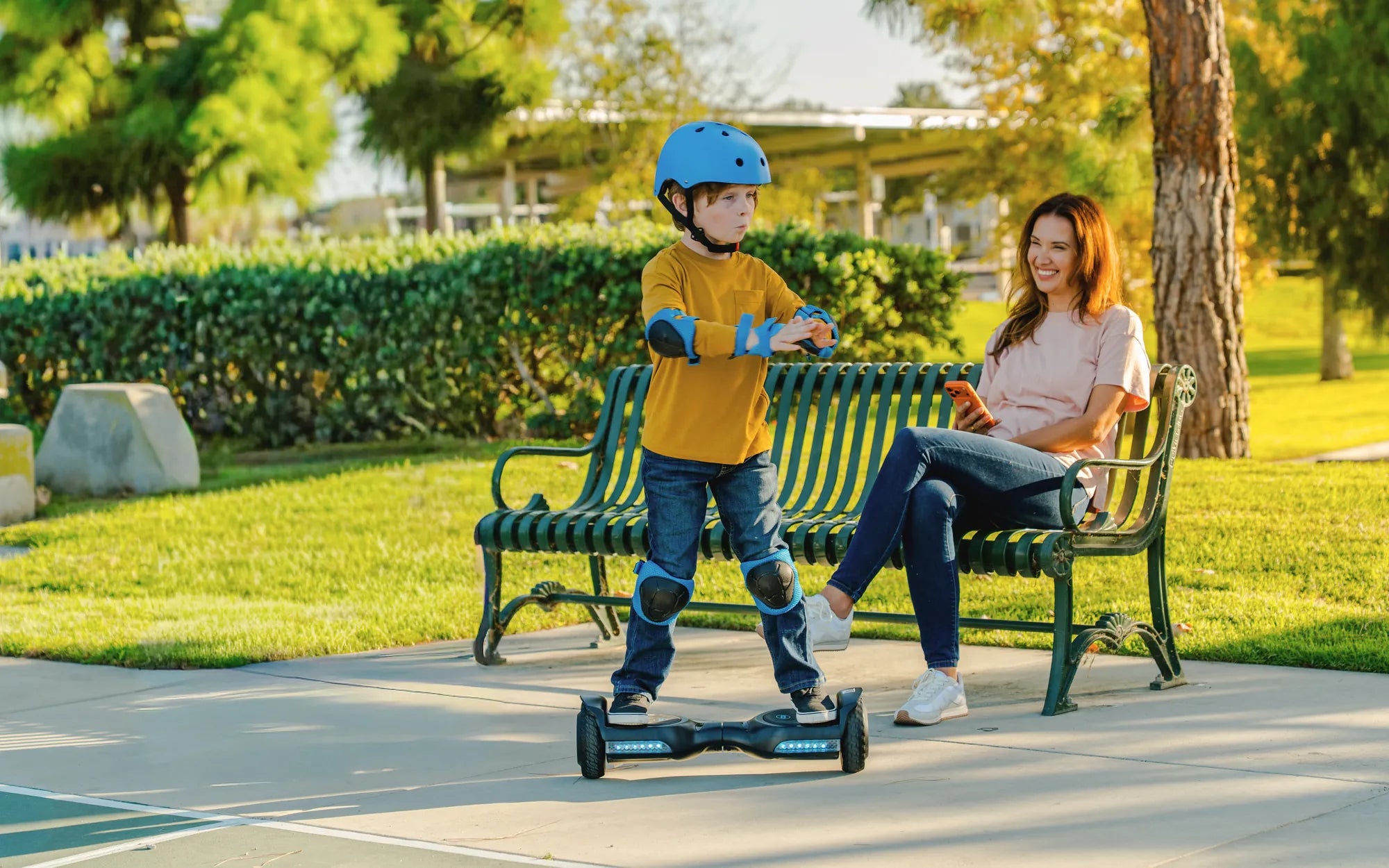
2. Research Local Laws: Verify age restrictions, helmet laws, and permitted riding areas (sidewalks, bike lanes, parks) in your municipality. Always mandate a certified helmet, knee pads, and elbow pads.
3. Seek Verified Reviews: Look beyond the brand's website. Read independent customer reviews focusing on real-world battery life, durability over time, and the responsiveness of customer service for warranty claims.
4. Verify Warranty & Support: Confirm the length and scope of the warranty. Understand what is covered (battery, motor, frame) and the process for claims. Ensure the brand has accessible support channels.
5. Plan the First Ride: Choose a safe, open, flat area like an empty parking lot for the initial practice. Supervise closely as your child learns the controls, braking feel, and turning radius. Gradually introduce more complex environments.
Frequently Asked Questions (FAQs)
Q: What is the safest speed for a 7-year-old?
A: For a typical 7-year-old, a maximum speed of 10 mph is considered safe, especially when the scooter has a reliable speed limiter and is used with full protective gear. Always start with a slower beginner mode (5-7 mph) to build confidence.
Q: How long does the battery truly last on a single charge?
A> Real-world range is typically 70-80% of the advertised maximum. For a scooter rated at 10 miles, expect 7-8 miles per charge for a child riding on pavement with normal stops and starts. Battery life degrades over time; UL-certified packs are tested for 500+ cycles, offering several years of regular use.
Q: Can an electric scooter handle a small hill or grassy park path?
A> It depends on motor power. A 200W motor may struggle on grass or steep inclines. A 300W+ motor can handle gentle hills and short stretches of dry, flat grass. However, for safety and battery longevity, paved or smooth hard-packed surfaces are always recommended.
Q: What maintenance is required for a kids' electric scooter?
A> Regular maintenance includes checking tire pressure (for pneumatic tires), ensuring all bolts and fasteners are tight, cleaning the deck and wheels with a damp cloth (never a hose, unless IPX5+ rated), and storing the scooter in a dry place. Periodically check the brakes for responsiveness.
Q: Are Gyroor scooters easy to assemble?
A> Yes, Gyroor scooters are designed for straightforward assembly, typically requiring only the attachment of the handlebar to the stem, which is secured with a few bolts. All necessary tools are included, and the process usually takes under 10 minutes, with clear instructions provided.
Investing in Fun, Safety, and Confidence
The best electric scooter for your child successfully marries the thrill of independent mobility with uncompromising safety and durable build quality. This decision should be guided by verifiable data—UL certifications, IP ratings, and comprehensive warranties—rather than just price or appearance. Features like Gyroor's UL-certified battery packs and IPX5 water resistance are not mere specs; they are direct investments in your child's safety and the product's longevity.
By using this guide to match a scooter's capabilities to your child's age and skill, and by prioritizing brands that engineer for peace of mind, you make an informed choice. You are not just buying a toy; you are enabling years of outdoor adventure, building confidence, and creating memories, all within a framework of security. The right scooter becomes a gateway to fun, exercised responsibly.
Ready to find the perfect, safety-focused electric scooter for your child? Explore the full range of UL-certified, durable models engineered for young riders. Browse the full Gyroor collection at gyroorboard.com.
Hoverboard Amazon Under 100: Finding Value Without Compromising Safety
Electric Scooter for Kids Age 10: The Ultimate Guide for Parents