

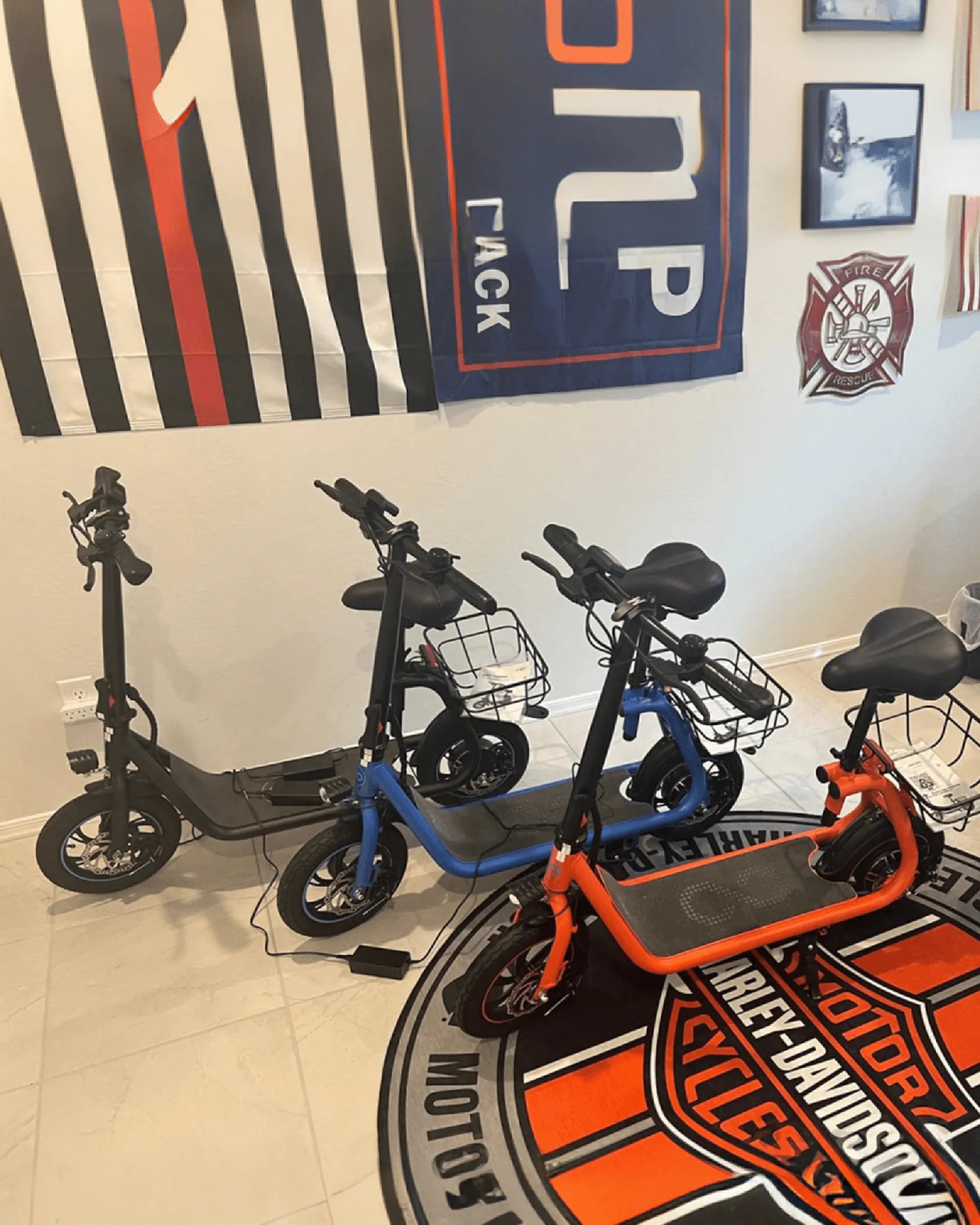
Ever wondered where the motor of an e-scooter is hiding? This compact yet powerful component is the heart of your ride, but its location isn't always obvious. Whether you're a curious rider or a future owner, understanding where the motor sits and how it works can help you make informed decisions about performance, maintenance, and upgrades. Let's dive into the mechanics of e-scooters and uncover the secrets behind their propulsion.
The Anatomy of an E-Scooter Motor
E-scooter motors are typically electric and come in two main types: hub motors and chain-driven motors. The majority of modern e-scooters use hub motors, which are integrated directly into the wheels. This design eliminates the need for additional mechanical parts like chains or belts, making the system more efficient and quieter.
Hub Motors: The Most Common Placement
In most e-scooters, the motor is located in one of the wheels, usually the rear wheel. This placement provides better traction and stability, especially when accelerating. The motor is housed inside the wheel hub, which is why it's called a hub motor. There are two subtypes of hub motors:
- Geared Hub Motors: These are smaller and lighter, using internal gears to increase torque. They're ideal for urban commuting but may require more maintenance over time.
- Gearless Hub Motors (Direct Drive): These are larger and heavier but offer smoother performance and regenerative braking capabilities. They're often found in high-end e-scooters.
Chain-Driven Motors: A Less Common Alternative
Some e-scooters, particularly older or DIY models, use a chain-driven motor system. In this setup, the motor is mounted separately on the frame, usually near the rear wheel, and transfers power to the wheel via a chain or belt. While this design allows for easier motor replacement, it's noisier and less efficient than hub motors.
Why Motor Placement Matters
The location of the motor affects several aspects of your e-scooter's performance:
- Weight Distribution: A rear-wheel motor improves balance, especially when carrying loads.
- Ride Quality: Hub motors offer a smoother, quieter ride compared to chain-driven systems.
- Maintenance: Hub motors require less upkeep since they have fewer moving parts.
- Efficiency: Direct power transfer in hub motors reduces energy loss, extending battery life.
How to Identify Your E-Scooter's Motor Location
If you're unsure where your e-scooter's motor is, here's how to find it:
- Check the Wheels: Look for a thicker or bulkier wheel—this is likely the one with the motor.
- Listen to the Sound: Hub motors produce a faint whirring noise when in use.
- Inspect the Frame: If your scooter has a visible motor near the rear wheel, it's likely chain-driven.
Maintenance Tips for Your E-Scooter Motor
Keeping your motor in top shape ensures longevity and peak performance. Here are some tips:
- Avoid Water Exposure: While many motors are water-resistant, submerging them can cause damage.
- Regular Inspections: Check for loose connections or unusual noises.
- Keep It Clean: Dirt and debris can affect motor efficiency over time.
Now that you know where the motor of an e-scooter is and how it works, you'll never look at your ride the same way again. Whether you're zipping through city streets or tackling hills, understanding this key component can help you get the most out of your e-scooter experience. Ready to hit the road with confidence?
Buy Electric Scooter in Store: The Ultimate Guide to Making the Right Purchase
Best Electric Scooter in Jalgaon: Top Picks for Eco-Friendly Commuting