


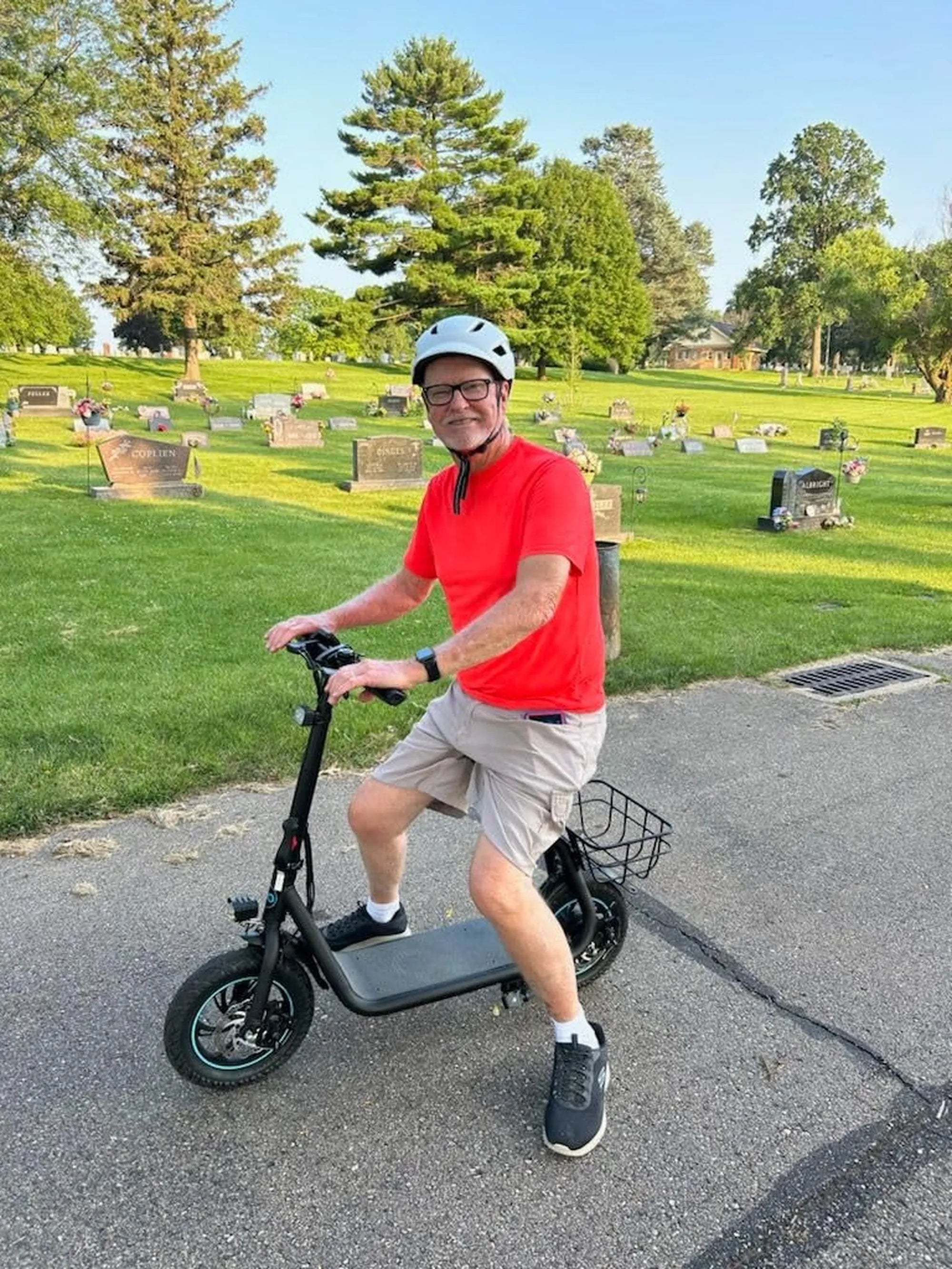
Electric scooters have become a popular mode of transportation, offering convenience, eco-friendliness, and cost savings. But the heart of any electric scooter is its battery. So, which battery is good for electric scooter? Let’s dive into the details to help you make an informed decision.
Types of Batteries for Electric Scooters
When it comes to electric scooter batteries, there are three main types to consider:
- Lead-Acid Batteries: These are the oldest and most affordable option. However, they are heavy, have a shorter lifespan, and require frequent maintenance.
- Nickel-Metal Hydride (NiMH) Batteries: These offer a better energy density than lead-acid batteries but are still heavier and less efficient than lithium-ion options.
- Lithium-Ion (Li-ion) Batteries: The most popular choice for modern electric scooters, these batteries are lightweight, long-lasting, and require minimal maintenance.
Key Features to Consider
To determine which battery is good for electric scooter, consider the following factors:
1. Battery Capacity
Measured in ampere-hours (Ah) or watt-hours (Wh), battery capacity determines how far your scooter can go on a single charge. Higher capacity means longer range but may also increase weight and cost.
2. Voltage
Voltage affects the scooter’s speed and power. Most electric scooters use 36V, 48V, or 52V batteries. Higher voltage generally means better performance but may require a compatible motor.
3. Lifespan
Lithium-ion batteries typically last between 500 to 1,000 charge cycles, while lead-acid batteries may only last 300 cycles. A longer lifespan means fewer replacements and better long-term value.
4. Weight
Heavier batteries can reduce portability and maneuverability. Lithium-ion batteries are the lightest option, making them ideal for commuters.
5. Charging Time
Faster charging times are convenient, but rapid charging can sometimes reduce battery life. Look for batteries with balanced charging speeds.
Why Lithium-Ion Batteries Are the Best Choice
Lithium-ion batteries dominate the electric scooter market for good reason. They offer:
- High energy density for longer range
- Lightweight design for easy handling
- Long lifespan with minimal degradation
- Fast charging capabilities
- Low maintenance requirements
While they may cost more upfront, their durability and efficiency make them a worthwhile investment.
Tips for Maximizing Battery Life
To get the most out of your electric scooter battery, follow these tips:
- Avoid fully discharging the battery; try to keep it between 20% and 80% charge.
- Store the battery in a cool, dry place when not in use.
- Use the manufacturer-recommended charger to prevent overcharging.
- Regularly check for firmware updates that may optimize battery performance.
Common Battery Myths Debunked
There are several misconceptions about electric scooter batteries. Let’s clear them up:
Myth 1: You Should Always Charge to 100%
While it’s tempting to charge your battery fully, doing so regularly can shorten its lifespan. Partial charges are better for long-term health.
Myth 2: All Lithium-Ion Batteries Are the Same
Not all Li-ion batteries are created equal. Quality varies based on the manufacturer and cell chemistry, so always opt for reputable brands.
Myth 3: Cold Weather Doesn’t Affect Batteries
Extreme temperatures can impact battery performance. Cold weather may reduce range, while heat can accelerate degradation.
Final Thoughts
Choosing the right battery for your electric scooter is crucial for optimal performance and longevity. Lithium-ion batteries stand out as the best option due to their efficiency, lightweight design, and durability. By understanding key features and following best practices, you can enjoy a smooth and reliable ride for years to come. Ready to upgrade your scooter’s battery? Your next adventure starts with the right power source!
Electric Scooter for 5-6 Year Old: The Ultimate Guide for Parents
Electric Scooter for 5-6 Year Old: The Ultimate Guide for Parents