


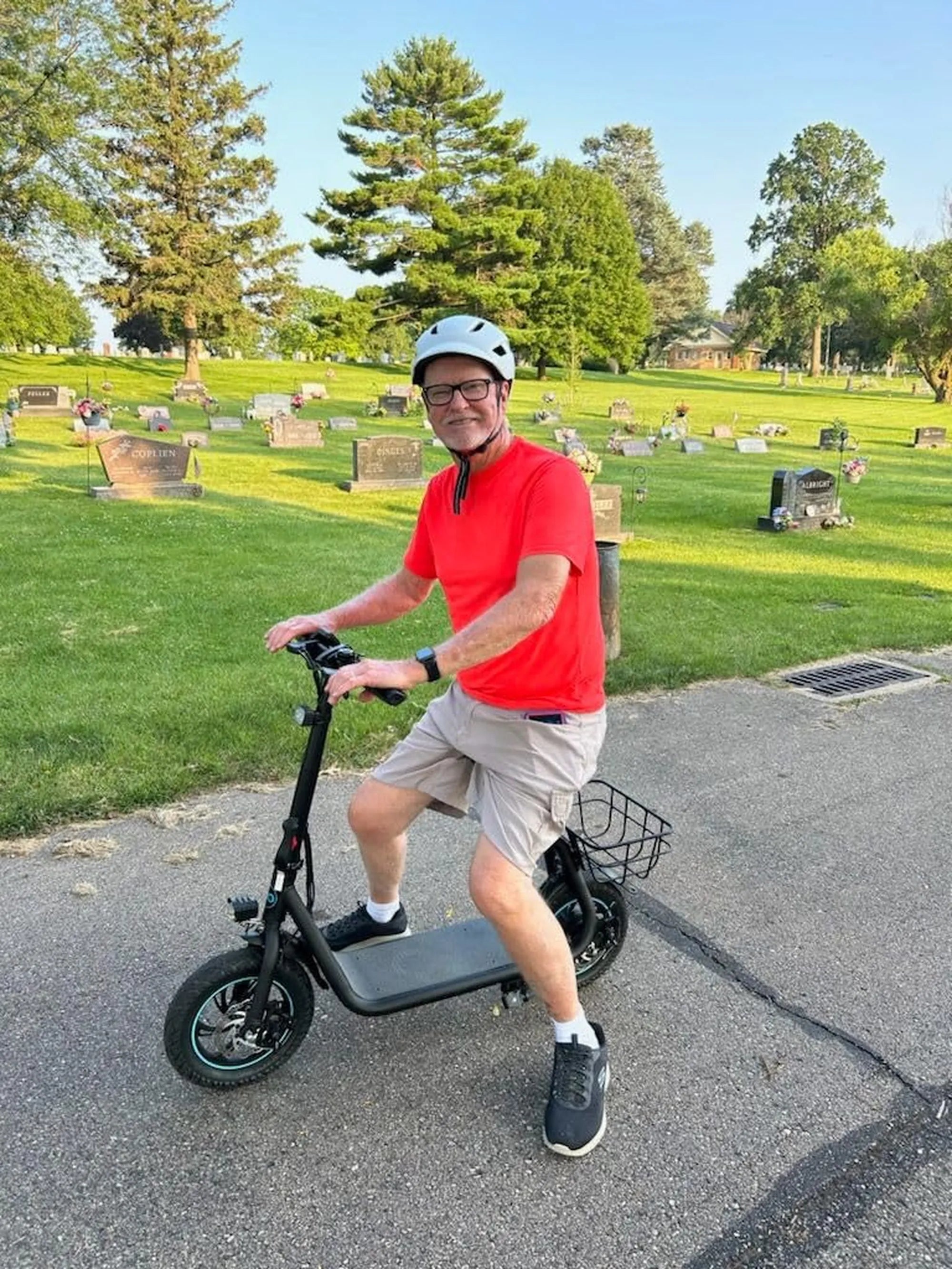
Electric bikes have revolutionized the way we commute, explore, and stay active. With so many options available, it's easy to feel overwhelmed when trying to answer the question: Which electric bike is best for me? Whether you're a daily commuter, a weekend adventurer, or someone looking for a greener way to get around, this guide will help you navigate the key features and make an informed decision.
Understanding Your Riding Needs
Before diving into specifications, it's essential to identify how you plan to use your electric bike. Are you looking for a bike to tackle steep hills on your daily commute, or do you need a lightweight model for casual weekend rides? Your riding style will determine the type of e-bike that suits you best.
Commuting
If you're using your e-bike for commuting, consider factors like range, comfort, and storage options. A bike with a long-lasting battery and built-in racks can make your daily trips more convenient.
Recreation
For recreational riders, a comfortable and versatile e-bike with moderate power and a relaxed riding position might be ideal. Look for models with adjustable settings to customize your experience.
Off-Road Adventures
If you're into trail riding or off-road adventures, prioritize durability, suspension, and motor power. A robust frame and high-torque motor will help you conquer rough terrain.
Key Features to Consider
Once you've identified your riding needs, it's time to explore the technical aspects of electric bikes. Here are the most critical features to evaluate:
Motor Power and Placement
The motor is the heart of your e-bike. Motors typically range from 250W to 750W, with higher wattage providing more power for climbing hills or carrying heavy loads. The placement of the motor—whether in the hub (front or rear) or mid-drive—affects the bike's balance and performance.
Battery Life and Range
Battery capacity, measured in watt-hours (Wh), determines how far you can ride on a single charge. Consider your daily mileage and whether you have access to charging points during your trips.
Frame Design and Weight
The frame material (aluminum, carbon fiber, or steel) impacts the bike's weight and durability. Lighter frames are easier to maneuver but may sacrifice some sturdiness.
Assist Levels and Controls
Most e-bikes offer multiple assist levels, allowing you to adjust the amount of motor support. Intuitive controls and displays make it easier to switch between modes while riding.
Budget Considerations
Electric bikes come in a wide price range, from budget-friendly options to high-end models with advanced features. Determine your budget early in the process and prioritize the features that matter most to you.
Entry-Level E-Bikes
These bikes offer basic functionality and are ideal for casual riders or those new to e-bikes. They may have limited range and fewer features but provide excellent value for money.
Mid-Range E-Bikes
Mid-range models strike a balance between performance and affordability. They often include better batteries, more powerful motors, and additional comfort features.
Premium E-Bikes
High-end e-bikes boast cutting-edge technology, superior build quality, and extended warranties. If you're a serious rider or plan to use your bike frequently, investing in a premium model might be worthwhile.
Test Riding and Final Decisions
Once you've narrowed down your options, test riding is crucial. Pay attention to how the bike feels, its responsiveness, and whether it meets your comfort and performance expectations.
Ready to find the perfect electric bike? By considering your riding needs, key features, and budget, you'll be well on your way to answering the question: Which electric bike is best for me? Whether you're zipping through city streets or exploring rugged trails, the right e-bike can transform your riding experience.
Electric Scooter Charger Parts: Essential Components for Efficient Charging
Electric Bike Conversion Kit Turkey: The Ultimate Guide to Eco-Friendly Commuting