



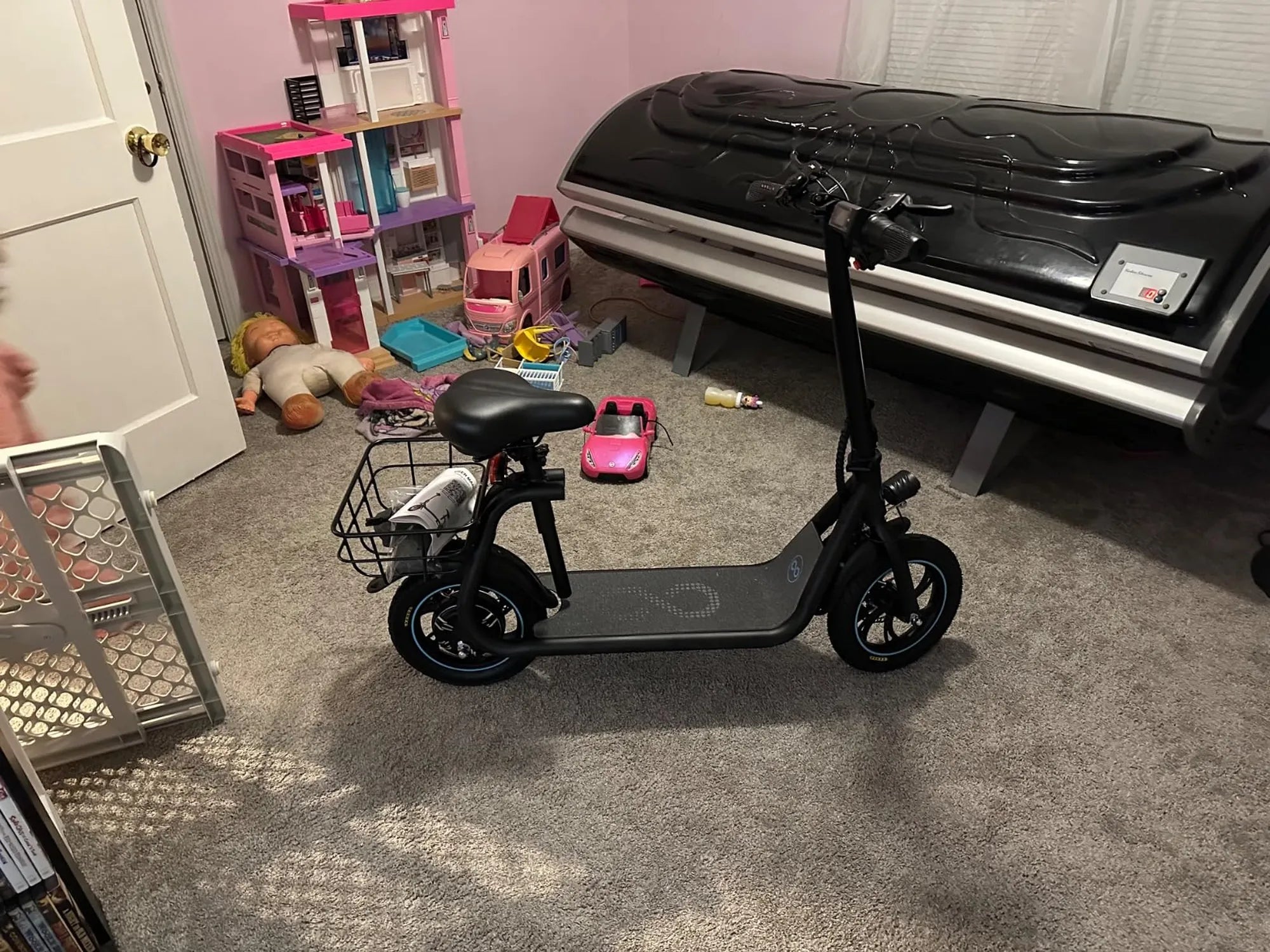
Introduction: The Rise of Electric Scooters and the Need for Expert Repair
The global personal electric vehicle (PEV) market is projected to exceed $50 billion by 2027, with e-scooters representing a dominant segment. This explosive growth means millions of riders now depend on their scooters for daily commutes and recreation. A critical, yet often overlooked, aspect of ownership is maintenance and repair. When a scooter malfunctions, the question becomes urgent: who repairs electric scooters correctly and safely?
This guide serves as the definitive resource for finding trustworthy, skilled service. We will dissect the scooter's anatomy, evaluate all service options, and provide a practical checklist for vetting technicians. Your scooter's longevity, performance, and your personal safety hinge on using qualified repair services, especially for complex electrical systems.
Understanding Your Electric Scooter's Anatomy: What Can Go Wrong?
An electric scooter is an integrated system of electrical and mechanical components. Understanding this is key to knowing who repairs electric scooters effectively. The core electrical system includes the battery pack, motor, electronic speed controller (ESC), throttle, and display. The mechanical system comprises the frame, brakes, tires, suspension, and folding mechanisms.
Common failures are component-specific. The battery, the most expensive part, can suffer from reduced range, failure to charge, or complete failure due to cell degradation or BMS (Battery Management System) issues. Motors may overheat, produce strange noises, or lose power. Controllers can fail from water damage or electrical surges, causing erratic behavior or total loss of power.
Mechanical issues are more familiar but still require specific knowledge. Flat tires are frequent, but scooter tires often require special tools for removal. Brake systems—disc, drum, or electronic—need precise adjustment. Loose stem or deck bolts can create dangerous instability. Each issue demands a different skillset, which dictates the ideal repair avenue.
Who Repairs Electric Scooters? Your 5 Primary Service Options
Navigating repair options can be confusing. The right choice depends on the problem's complexity, your scooter's brand, warranty status, and your budget. Here are the five primary avenues, each with distinct advantages and limitations.
1. Authorized Dealers and Manufacturer Service (Like Gyroor)
For scooters under warranty or from major brands, this is often the best first call. Authorized service centers employ technicians trained by the manufacturer. They use genuine OEM (Original Equipment Manufacturer) parts, which is crucial for compatibility and safety, especially for batteries and controllers.
Using authorized service preserves your warranty. For instance, Gyroor, a leading electric scooter and e-bike brand trusted by over 100,000 riders, offers a 1-year warranty. Unauthorized repairs can void this coverage. Their technicians are specifically trained on Gyroor's UL-certified battery systems and IPX5 water-resistant designs, ensuring repairs meet original specifications.
The primary drawback can be cost and availability. If you don't live near an authorized center, shipping the scooter may be required. However, for complex electrical work or battery diagnostics, the expertise and guaranteed parts are usually worth the investment for safety and long-term reliability.
2. Specialized Micro-Mobility or E-Bike Repair Shops
A rapidly growing niche, these shops specialize exclusively in PEVs like e-scooters, e-bikes, and hoverboards. Their technicians possess broad, deep knowledge of various brands and models. They understand the nuances of different motor types (hub vs. chain-drive), battery chemistries, and controller programming.
These shops are ideal for out-of-warranty repairs or for brands without a strong local authorized network. They often stock common generic parts (tires, brake pads, throttles) and can source others. Their expertise allows them to diagnose obscure electrical faults that general mechanics might miss.
When choosing a specialized shop, verify their experience with your scooter's voltage and brand. Ask if they have specific training or certification for working on lithium-ion battery packs, a non-negotiable for safety.
3. Traditional Bicycle Repair Shops
Many local bike shops have expanded services to include e-scooters, primarily for mechanical work. They are excellent for repairs involving tires, tubes, brake adjustments (mechanical disc or caliper), bolt tightening, and general assembly. Their tooling and mechanical proficiency are top-notch for these tasks.
However, their capability for electrical repairs is limited. Most bike mechanics are not certified to open and service high-voltage lithium-ion battery packs or diagnose faulty controllers. They may handle simple wiring connections or switch replacements, but complex electrical issues should be redirected.
Before taking your scooter to a bike shop, call ahead. Ask directly: "Do you service electric scooters? What specific repairs do you perform? Do you work on the electrical systems or just the mechanical components?" This clarity prevents wasted time.
4. General Electronics or Appliance Repair Services
This is a high-risk option that requires extreme caution. A skilled electronics technician might be able to diagnose a faulty connection, resolder a joint on the controller board, or use a multimeter to trace a circuit break. Their understanding of basic electronics is applicable.
The critical gap is scooter-specific mechanical knowledge and access to parts. They won't have the proprietary diagnostic tools or firmware knowledge for your scooter's controller. Most importantly, they likely lack specific safety training for handling potentially volatile lithium-ion battery packs under load.
This avenue should only be considered for isolated, low-voltage electronic component issues, and only if the technician explicitly acknowledges the risks and limitations. For any battery, motor, or integrated system problem, seek a specialized service.
5. DIY Repairs: When to Tackle It Yourself
For the technically inclined, some repairs are manageable. Simple maintenance tasks are perfect for DIY: checking and inflating tires to the correct PSI, adjusting brake caliper alignment, cleaning the scooter (especially around brake discs and charging ports), and tightening loose bolts and stem clamps.
More involved tasks like replacing a brake cable, installing new brake pads, or swapping a non-electronic throttle are possible with the right tools and online tutorials. Always consult your owner's manual first.
Critical Warning: Never attempt DIY repairs on the battery pack, motor internals, or controller if it involves opening sealed units. Lithium-ion batteries pose fire and explosion risks if mishandled. Such repairs also instantly void warranties, like Gyroor's comprehensive 1-year coverage. Your safety and the scooter's integrity are not worth the risk.
How to Vet and Choose a Reliable Repair Service: A Practical Checklist
Once you've identified potential services, use this data-driven checklist to make an informed decision. Don't hesitate to ask these questions directly.
- Certification & Experience: Do they have specific training for lithium-ion batteries (mentioning UL or UN38.3 standards is a good sign)? How long have they been repairing e-scooters? Ask for examples of repairs on models similar to yours.
- Reviews & Testimonials: Check Google, Yelp, and specialized PEV forums. Look for consistent praise about quality, honesty, and communication. Be wary of shops with no online presence.
- Parts Transparency: Will they use OEM or generic parts? For critical components like batteries, insist on OEM or high-quality replacements from reputable suppliers. Using uncertified batteries is a major safety hazard.
- Pricing & Estimates: Do they provide a clear, written estimate before starting work? What is their labor rate? Are diagnostic fees waived if you proceed with the repair?
- Turnaround Time & Warranty: What is the expected repair time? Do they offer a warranty on both parts and labor for their repair work? A 30-90 day service warranty is standard for reputable shops.
Proactive Care: Maximizing Scooter Lifespan and Minimizing Repairs
The best repair is the one you avoid. Consistent, proper maintenance drastically reduces the need to find out who repairs electric scooters.
Battery Care is Paramount: Follow the 20-80% rule when possible; avoid regularly draining to 0% or charging to 100%. Store your scooter in a cool, dry place. Use only the manufacturer-provided charger. Brands like Gyroor design their UL-certified battery packs for 500+ charge cycles, but proper habits extend this lifespan significantly.
Mechanical Inspections: Before every ride, perform a quick check: tire pressure, brake lever firmness, and that all folding mechanisms are locked securely. Every few weeks, inspect brake pads for wear and ensure all bolts are tight.
Cleaning and Storage: Keep your scooter clean, especially the charging port (use a dry brush). Avoid high-pressure water jets, even on IPX5 water-resistant models like many Gyroor scooters, as they can force water into seals. Proper storage prevents unnecessary wear from the elements.
Repair Service Comparison Table
| Service Type | Best For | Pros | Cons | Estimated Cost Level |
|---|---|---|---|---|
| Authorized/Manufacturer | Warranty work, complex electrical, battery replacement | Genuine parts, trained techs, preserves warranty | Can be costly, limited locations, potential shipping | High |
| Specialized PEV Shop | Out-of-warranty repairs, multi-brand expertise, electrical diagnostics | Deep PEV knowledge, often faster turnaround, good part sourcing | May use some generic parts, quality varies by shop | Medium-High |
| Bicycle Repair Shop | Mechanical work: tires, brakes, bolts, assembly | Widely available, excellent mechanical skill, often affordable | Limited/no electrical repair capability | Low-Medium |
| Electronics Repair | Isolated, low-voltage component-level board repair (rare) | Advanced circuit diagnostics | No scooter mechanical knowledge, high safety risk for batteries | Varies |
| DIY | Basic maintenance: tire pressure, cleaning, bolt tightening | Low cost, immediate, educational | High risk for complex issues, voids warranties, safety hazards | Low (Parts Only) |
Frequently Asked Questions (FAQ) on Electric Scooter Repair
Q: Does my warranty cover this repair?
A> It depends on the fault and the warranty terms. Manufacturing defects are typically covered. Damage from accidents, misuse, water damage beyond the rated IP (Ingress Protection), or unauthorized repairs are not. Always check your manual; for example, Gyroor's 1-year warranty covers defects in materials and workmanship.
Q: How much do common repairs cost?
A> Costs vary widely by region and scooter model. As a rough guide: flat tire repair/replacement: $20-$80; brake pad replacement: $30-$100; throttle replacement: $40-$120; battery replacement: $150-$500+; controller replacement: $80-$250. Labor adds $50-$100/hour on average.
Q: How long do repairs usually take?
A> Simple repairs (tire, brake pads) can be done while you wait or within 24 hours at a busy shop. Parts-dependent repairs (battery, controller) take 3-7 days if the part is in stock. If parts must be ordered, especially internationally, it can take 1-3 weeks.
Q: Can I use third-party batteries/parts without voiding my warranty?
A> Using non-OEM parts, especially batteries, almost always voids the warranty on the entire electrical system and any related damage. Third-party batteries may not have the same safety certifications (like UL), posing a fire risk. It is strongly discouraged.
Q: What's the single most important thing to look for in a repair tech?
A> Demonstrable experience and specific training with lithium-ion battery systems. Safe handling of the battery pack is the number one safety priority in e-scooter repair.
Safe Riding Starts with Smart Servicing
Knowing who repairs electric scooters is a fundamental part of responsible ownership. Your choice of service provider directly impacts your safety, your scooter's performance, and the protection of your investment. While cost and convenience are factors, they should never outweigh expertise, especially for the high-voltage heart of your scooter.
Prioritize authorized or specialized micro-mobility services for anything beyond basic mechanical tweaks. Use the vetting checklist to find a technician you can trust. Remember, proactive maintenance is the most effective strategy, preserving the engineered reliability of brands that prioritize safety and durability. For riders seeking that peace of mind from the start, explore scooters built with serviceability and certified safety in mind.
Browse the full Gyroor collection, featuring UL-certified batteries and robust designs backed by a reliable 1-year warranty, at gyroorboard.com.
Are Electric Scooters Legal UK 2025? Navigating the Future of Urban Mobility
Electric Scooters 5600W: The Ultimate Guide to High-Powered Urban Mobility