



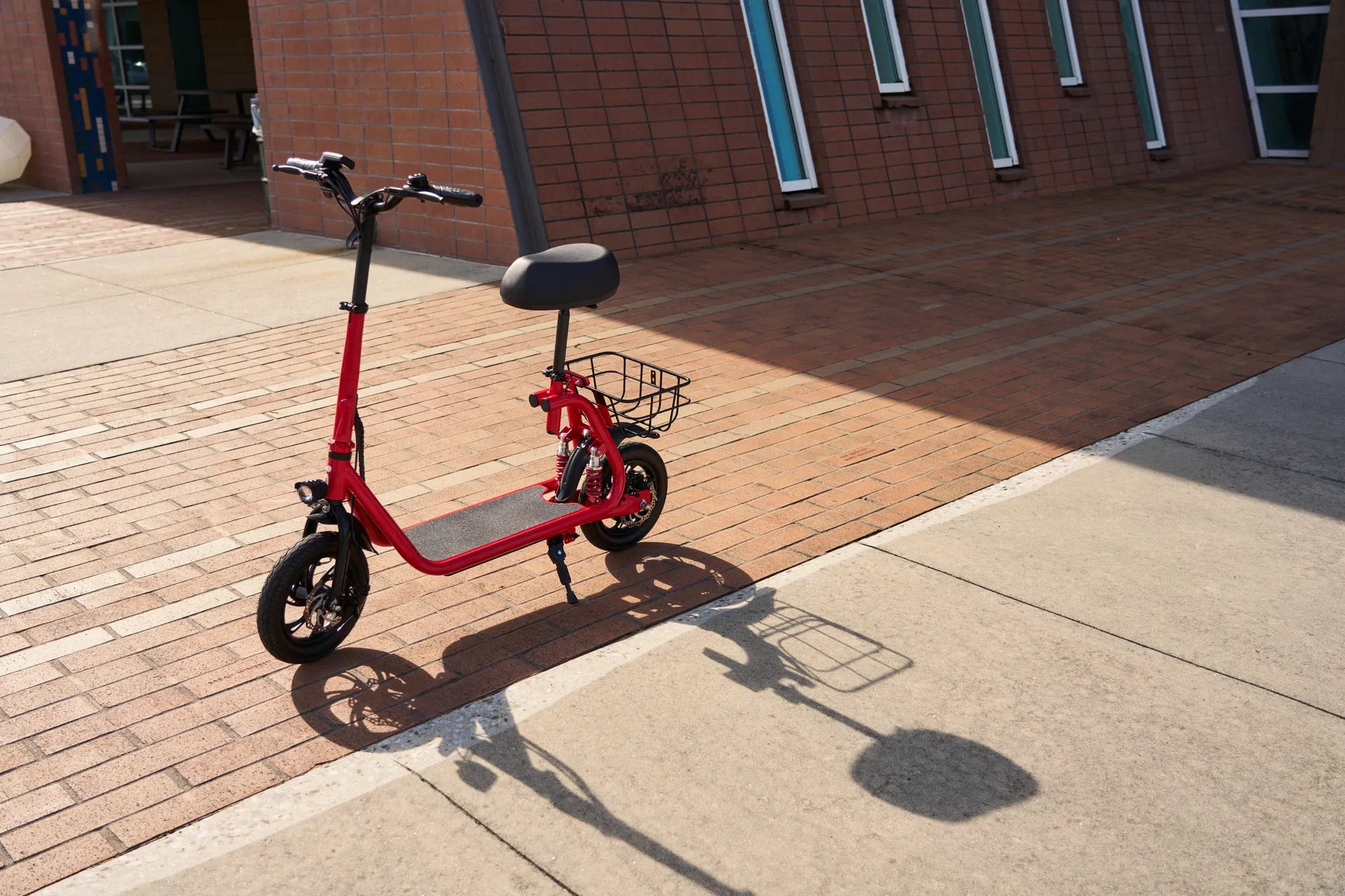
Electric scooters seem to have appeared overnight, lining sidewalks and zipping through traffic in cities across the globe. Their sudden ubiquity has left many wondering: why are there electric scooters everywhere? The answer lies in a perfect storm of technological innovation, environmental concerns, and shifting urban mobility trends. Let's dive into the factors driving this phenomenon and what it reveals about the future of transportation.
The Convenience Factor
One of the biggest reasons electric scooters have become so widespread is their sheer convenience. Unlike traditional bikes or public transit, scooters require minimal effort to operate and can be picked up or dropped off almost anywhere. This "last-mile" solution bridges the gap between public transportation hubs and final destinations, making them ideal for short urban commutes.
Environmental Benefits
As cities grapple with pollution and climate change, electric scooters offer a cleaner alternative to gas-powered vehicles. They produce zero emissions during operation and consume far less energy than cars. For environmentally conscious commuters, scooters provide a guilt-free way to get around without contributing to urban smog.
Affordability and Accessibility
The relatively low cost of electric scooters makes them accessible to a wide range of users. Unlike car ownership, which comes with insurance, parking, and maintenance costs, scooters offer affordable transportation with minimal financial commitment. Rental programs have further democratized access, allowing anyone with a smartphone to unlock a scooter for a quick trip.
Urban Infrastructure Challenges
Growing cities face increasing congestion and limited parking space. Electric scooters help alleviate these problems by taking up minimal road space and requiring small parking footprints. Their compact size makes them ideal for navigating crowded streets where cars struggle to move efficiently.
Technological Advancements
Improvements in battery technology and motor efficiency have made modern electric scooters more reliable and practical than ever before. Longer battery life, faster charging, and durable designs have transformed them from novelty items into legitimate transportation options that can handle daily commutes.
Changing Work Patterns
The rise of hybrid work schedules has created demand for flexible transportation options. Many commuters now need to travel shorter distances on irregular schedules, making the on-demand nature of electric scooters particularly appealing compared to fixed-route public transportation.
Regulatory Support
Many cities have embraced electric scooters as part of their transportation ecosystems, creating dedicated lanes and parking areas. This official recognition has helped legitimize scooters as a viable mobility option rather than just a passing trend.
Cultural Shift Toward Shared Mobility
The success of ride-sharing platforms paved the way for scooter-sharing services by normalizing the concept of accessing transportation without ownership. Younger generations especially have shown willingness to adopt shared mobility solutions that prioritize convenience over traditional ownership models.
Health and Lifestyle Benefits
While electric scooters require less physical exertion than bicycles, they still encourage outdoor activity and provide an alternative to sedentary car commutes. The fresh air and slight physical engagement offer mental health benefits that enclosed vehicles can't match.
From solving last-mile problems to reducing carbon footprints, electric scooters have earned their place in urban landscapes worldwide. As cities continue to evolve, these nimble vehicles will likely play an even greater role in shaping how we move through our communities. The next time you see a cluster of scooters on your sidewalk, remember they represent more than just a passing trend—they're part of a fundamental shift in urban transportation.
24V Electric Scooters: The Ultimate Guide to Efficient and Eco-Friendly Commuting
Motorized Scooter with Seat: The Ultimate Guide to Comfort and Convenience