

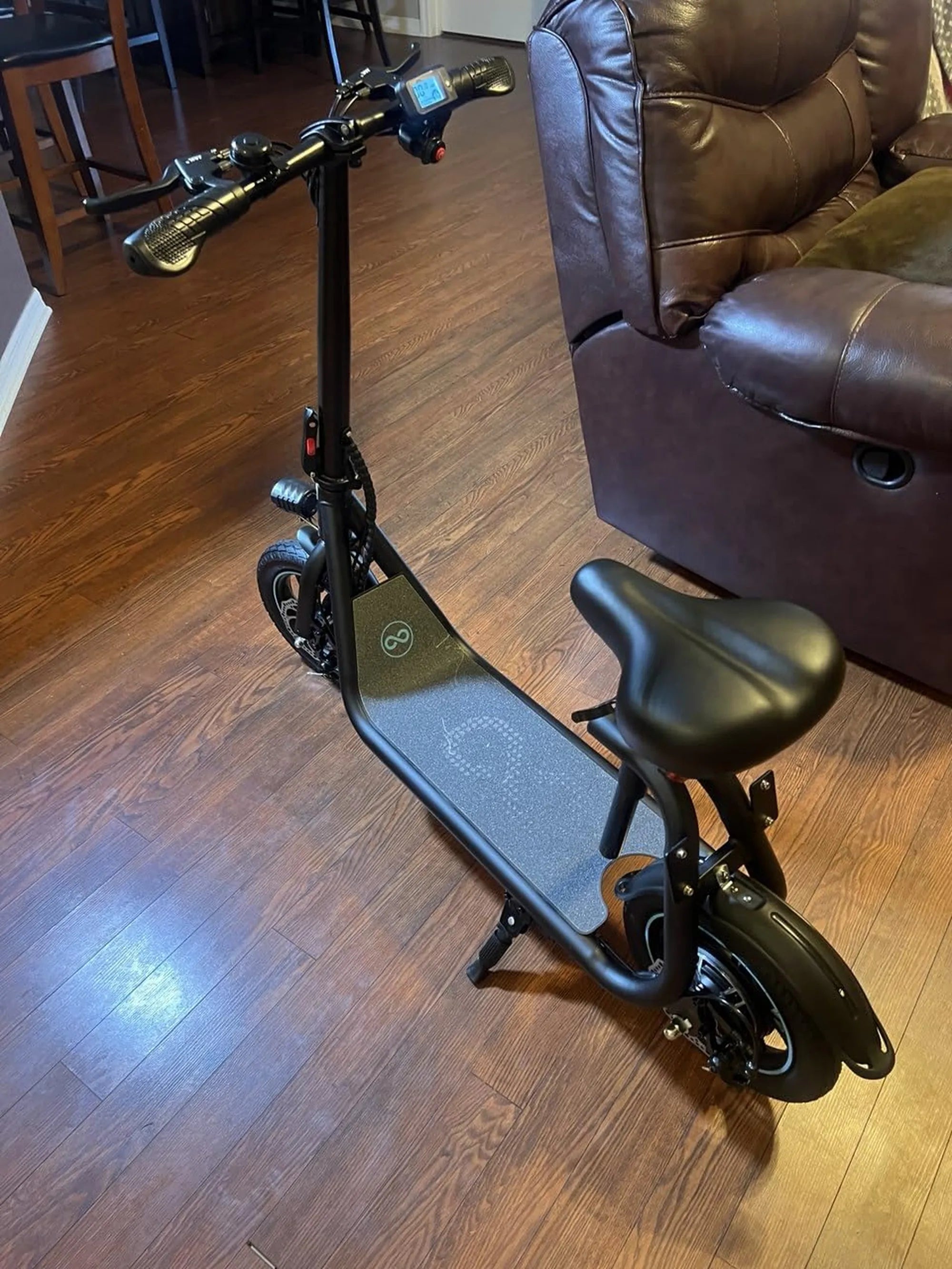
Electric scooters have taken the world by storm, offering a convenient and eco-friendly way to zip through city streets. But what if you can't ride one? Whether it's due to local laws, safety concerns, or personal limitations, there are several reasons why hopping on an electric scooter might not be an option for you—yet. Let's uncover the obstacles and explore how you might overcome them.
Legal Restrictions and Regulations
One of the biggest hurdles to riding an electric scooter is the law. Many cities and countries have strict regulations governing their use. Some places outright ban them on public roads, while others require licenses, registrations, or insurance. For example, certain jurisdictions classify electric scooters as motor vehicles, meaning you'd need a valid driver's license to operate one. Others restrict their use to bike lanes or prohibit them entirely on sidewalks. Always check local laws before hitting the road.
Safety Concerns and Accidents
Safety is another major reason why some people avoid electric scooters. These devices can reach speeds of 15-30 mph, and accidents are common, especially among inexperienced riders. Lack of helmets, poor road conditions, and reckless behavior contribute to injuries. Some cities have even suspended scooter-sharing programs due to high accident rates. If safety is a concern, consider taking a riding course or sticking to slower speeds until you're comfortable.
Physical Limitations and Accessibility
Not everyone can ride an electric scooter due to physical limitations. Balance issues, mobility impairments, or chronic conditions like vertigo can make it unsafe. Additionally, many scooters aren't designed for people with disabilities, lacking features like adjustable seats or stability aids. If you face these challenges, look for adaptive models or alternative transportation options that better suit your needs.
Environmental and Weather Conditions
Weather plays a huge role in scooter usability. Rain, snow, or icy roads can make riding dangerous or outright impossible. Electric scooters also have limited range in extreme temperatures, with batteries draining faster in the cold. If you live in an area with harsh weather, you might find your scooter sitting idle for much of the year.
Financial and Maintenance Barriers
Owning an electric scooter isn't always cheap. Beyond the initial purchase, maintenance costs—like tire replacements, brake repairs, and battery upkeep—can add up. Some people also struggle with the logistics of charging, especially if they don't have a dedicated space. Renting scooters might seem like a solution, but fees can accumulate quickly, making it less economical than public transit.
Public Perception and Social Stigma
In some areas, electric scooters face backlash from pedestrians and drivers alike. Complaints about reckless riding, sidewalk clutter, and noise have led to bans or restrictions. If you're worried about social stigma, try riding responsibly—stick to bike lanes, follow traffic rules, and avoid congested areas to set a positive example.
Infrastructure and Road Design
Poor infrastructure is another barrier. Many cities lack dedicated bike lanes or safe paths for scooters, forcing riders onto dangerous roads or crowded sidewalks. Without proper infrastructure, riding can feel unsafe or impractical. Advocating for better urban planning and scooter-friendly policies could help change this.
Battery Life and Range Anxiety
Range anxiety is real for electric scooter users. Most models offer 15-30 miles per charge, which might not be enough for longer commutes. Running out of battery mid-ride can leave you stranded, especially if charging stations are scarce. Planning your routes and carrying a portable charger can mitigate this issue.
Theft and Vandalism Risks
Electric scooters are prime targets for theft and vandalism. Their portability makes them easy to steal, and many lack robust security features. If you're worried about theft, invest in a high-quality lock or consider using scooter-sharing services instead of owning one.
Lack of Proper Training
Many riders jump on electric scooters without proper training, leading to accidents and frustration. Learning how to balance, brake, and navigate traffic is crucial for safe riding. Look for local workshops or online tutorials to build your skills before hitting the streets.
While electric scooters offer a fun and efficient way to get around, they're not without challenges. From legal roadblocks to safety risks, there are plenty of reasons why you might hesitate to ride. But with the right knowledge, precautions, and advocacy, you can overcome these barriers and enjoy the freedom of electric scootering. Ready to give it a try? Start by researching your local laws and practicing in a safe, open area—your next adventure awaits!
Boys Electric Bike: The Ultimate Guide to Fun, Safety, and Adventure
Boys Electric Bike: The Ultimate Guide to Fun, Safety, and Adventure