

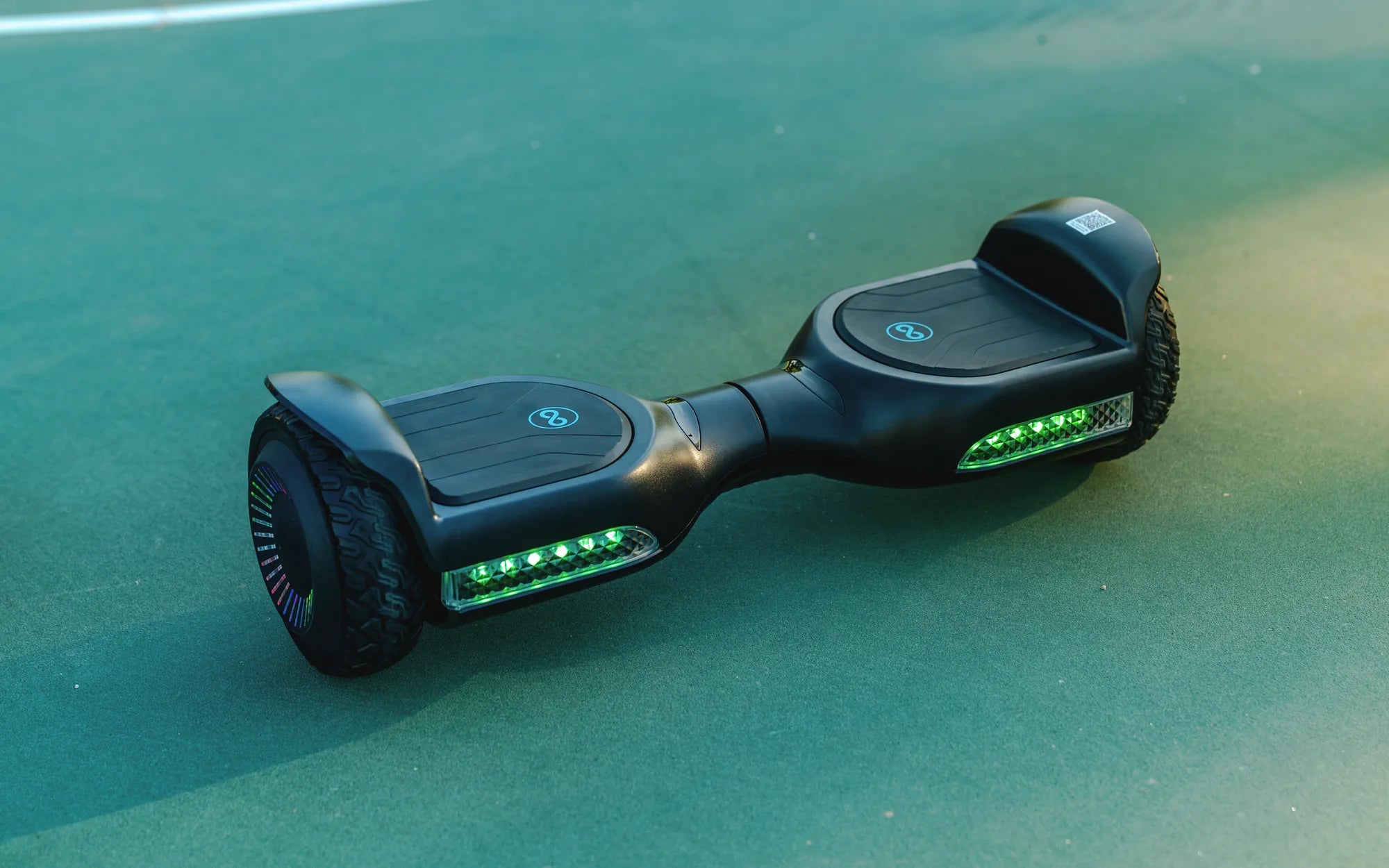
Remember when hoverboards were everywhere? From viral videos to celebrity endorsements, these self-balancing scooters seemed poised to revolutionize personal transportation. Yet, just as quickly as they rose to fame, they vanished from the mainstream. So, why did hoverboards fail? The answer lies in a combination of safety scandals, regulatory crackdowns, and a market flooded with cheap imitations. Let’s dive into the untold story of how a futuristic gadget became a cautionary tale.
The Hype and the Hope
Hoverboards burst onto the scene in the mid-2010s, promising a sleek, futuristic way to glide effortlessly from point A to point B. They were marketed as the ultimate tech accessory, blending cutting-edge design with practicality. Social media played a huge role in their popularity, with influencers and celebrities showcasing their hoverboard skills. For a brief moment, it seemed like everyone wanted one.
Safety Concerns and Fiery Failures
Unfortunately, the dream quickly turned into a nightmare. Reports of hoverboards catching fire due to faulty lithium-ion batteries began to surface. Videos of devices exploding or bursting into flames went viral, sparking widespread panic. Airlines banned them, retailers pulled them from shelves, and consumers grew wary. The lack of safety standards and poor manufacturing practices turned a cool gadget into a potential hazard.
Regulatory Backlash
Governments and regulatory bodies stepped in, imposing strict rules on hoverboard manufacturers. The U.S. Consumer Product Safety Commission (CPSC) issued recalls and demanded compliance with safety certifications. Many companies, especially those producing low-quality knockoffs, couldn’t meet these standards. The legal hurdles and recalls further eroded consumer trust, making hoverboards a risky investment.
Market Saturation and Cheap Imitations
As demand soared, the market became flooded with cheap, low-quality hoverboards. Many of these knockoffs cut corners on materials and safety features, leading to even more incidents. The oversaturation diluted the brand’s appeal, and the once-premium product became synonymous with poor quality. Consumers who had been burned—literally and figuratively—were reluctant to give hoverboards another chance.
The Decline of the Hoverboard Craze
By the late 2010s, the hoverboard craze had fizzled out. The combination of safety issues, regulatory challenges, and market oversaturation proved too much to overcome. While some high-quality models still exist, they never regained their initial popularity. The hoverboard’s failure serves as a lesson in how quickly hype can turn to backlash when innovation outpaces safety and regulation.
Could hoverboards make a comeback? With advancements in battery technology and stricter quality controls, it’s possible—but for now, they remain a relic of a brief, fiery moment in tech history. The next time a futuristic gadget promises to change the world, remember the hoverboard’s cautionary tale.
Find Hoverboards: The Ultimate Guide to Choosing the Perfect Ride
Different Names for Hoverboards: Exploring the Many Monikers of This Futuristic Ride