

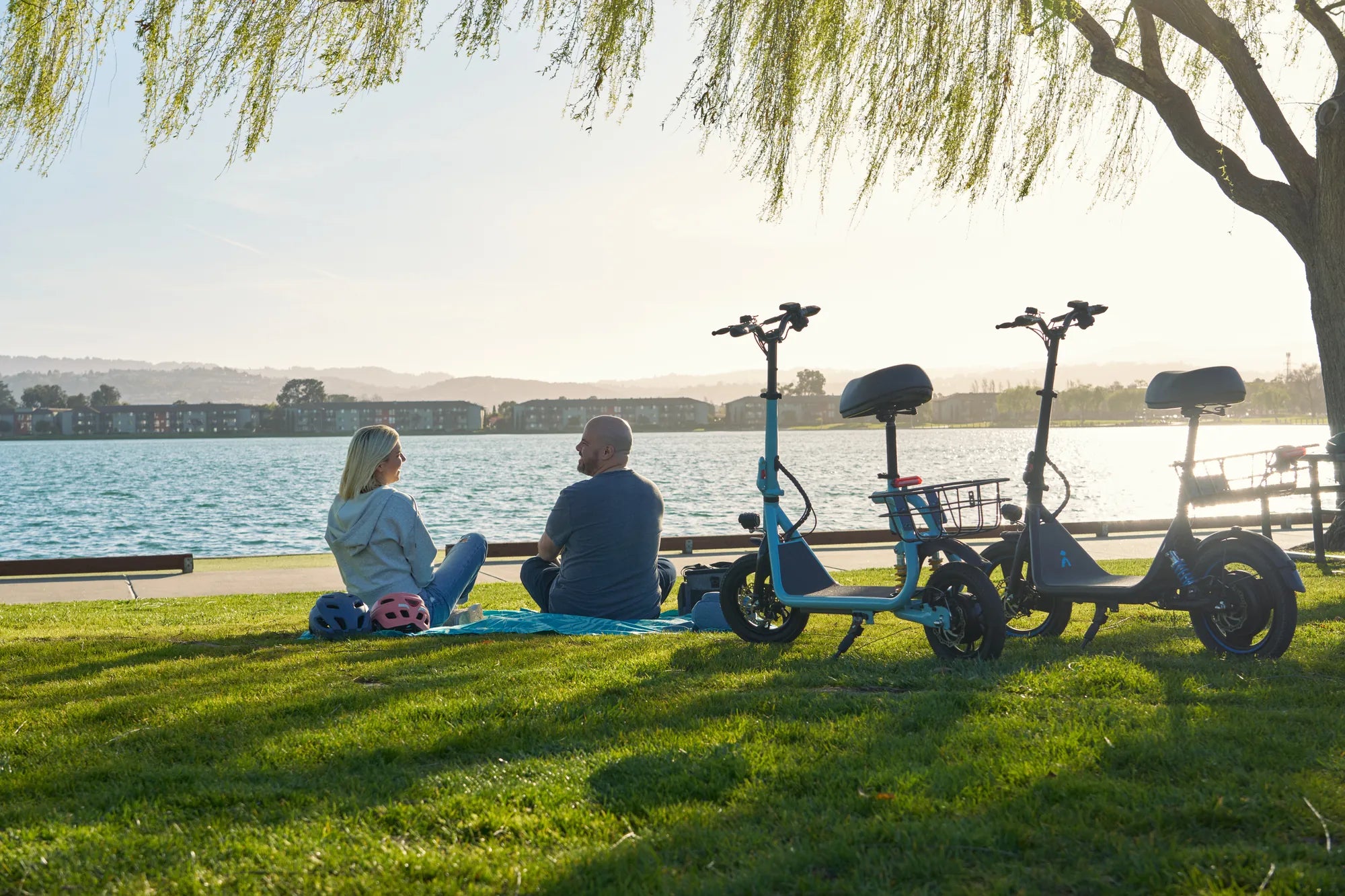
The e-scooter industry didn't just appear overnight—it emerged as a response to some of the most pressing challenges of modern urban life. From congested streets to rising pollution levels, cities around the world have been searching for smarter, cleaner ways to move people. Enter electric scooters: compact, efficient, and surprisingly transformative.
The Urban Mobility Crisis
As cities grow denser, traditional transportation systems are struggling to keep up. Traffic congestion costs billions in lost productivity annually, while public transit systems often fail to provide last-mile connectivity. E-scooters fill this gap by offering a flexible, on-demand solution that doesn't require massive infrastructure investments.
Environmental Imperatives
With climate change concerns mounting, the transportation sector faces increasing pressure to reduce emissions. Electric scooters produce zero direct emissions and have a significantly smaller carbon footprint than cars, even when accounting for manufacturing and charging. Their energy efficiency makes them an attractive option for eco-conscious commuters.
Technological Advancements
The convergence of several technologies made the e-scooter industry viable. Lithium-ion batteries became more powerful and affordable, GPS and mobile apps enabled sharing platforms, and lightweight materials improved scooter durability. These innovations created the perfect storm for micro-mobility to take off.
Changing Consumer Preferences
Millennials and Gen Z are driving a cultural shift away from car ownership. Younger generations prioritize access over ownership, sustainability over status, and convenience over tradition. E-scooters align perfectly with these values, offering a fun, practical alternative to being stuck in traffic or waiting for buses.
Economic Factors
Compared to other transportation options, e-scooters require relatively low capital expenditure to launch and scale. This low barrier to entry attracted entrepreneurs and investors, fueling rapid industry growth. For riders, they provide affordable transportation without the costs associated with car ownership.
Government Policies and Urban Planning
Many cities actively encourage micro-mobility solutions as part of broader sustainability initiatives. Dedicated bike lanes, parking zones, and regulatory frameworks demonstrate how municipalities are adapting infrastructure to accommodate this new mode of transportation.
The Pandemic Accelerant
COVID-19 dramatically accelerated e-scooter adoption as people sought alternatives to crowded public transport. The crisis highlighted the need for personal, socially distanced mobility options, giving the industry an unexpected boost during a challenging time.
From solving last-mile problems to reducing carbon footprints, the e-scooter industry addresses multiple pain points of modern urban living. Its continued growth suggests we're witnessing not just a passing trend, but a fundamental shift in how we think about getting around our cities. The next time you see someone zipping by on an e-scooter, you're seeing the future of urban transportation in action.
Changing Back Tire on Electric Bike: A Step-by-Step Guide for Beginners
10 Inch e Scooter Pneumatic with Suspension: The Ultimate Urban Commuter