



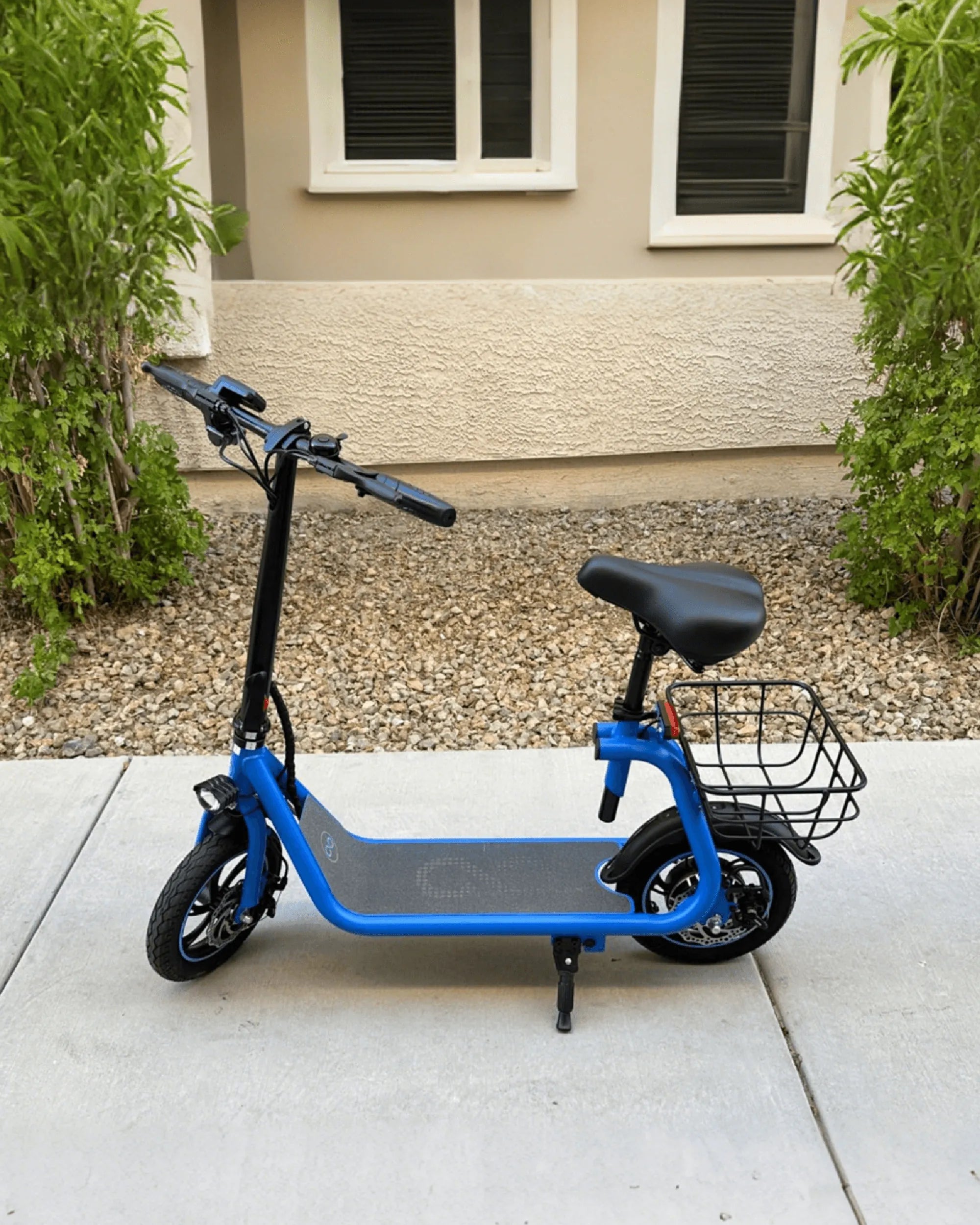
Electric scooters have been hailed as the future of urban mobility in India, promising cleaner air and lower fuel costs. Yet, their high price tags have left many potential buyers scratching their heads. Why are electric scooters so expensive in India? The answer lies in a complex web of factors, from government policies to manufacturing challenges. Let’s dive into the reasons behind the steep costs and whether prices will ever come down.
High Import Duties and Taxes
One of the biggest contributors to the high cost of electric scooters in India is the country’s import duties and taxes. Many components, especially batteries and advanced electronics, are imported from other countries. The Indian government imposes heavy tariffs on these imports to encourage local manufacturing. While this policy aims to boost domestic production, it also drives up the final price of electric scooters for consumers.
Battery Costs: The Most Expensive Component
The battery is the heart of an electric scooter, and it’s also the most expensive part. Lithium-ion batteries, which are the standard for electric vehicles, rely on rare and costly materials like lithium, cobalt, and nickel. These materials are often sourced from a handful of countries, leading to supply chain bottlenecks and price fluctuations. Until battery technology becomes cheaper or local production scales up, this will remain a major factor in the high cost of electric scooters.
Limited Local Manufacturing
While India is making strides in local manufacturing, many electric scooter brands still rely on imported parts. Setting up domestic production facilities requires significant investment, and not all companies have the resources to do so. Until more components are made locally, the reliance on imports will keep prices high. The government’s Production Linked Incentive (PLI) scheme aims to address this, but it will take time for the benefits to trickle down to consumers.
Research and Development Costs
Developing electric scooters that meet Indian road conditions and consumer expectations isn’t cheap. Companies spend heavily on research and development to create durable, efficient, and safe vehicles. These costs are often passed on to buyers, contributing to the higher price tags. As the technology matures and economies of scale kick in, these expenses may decrease, but for now, they remain a significant factor.
Charging Infrastructure Challenges
The lack of widespread charging infrastructure in India adds another layer of complexity. Electric scooter manufacturers often have to invest in building their own charging networks or partnering with third-party providers. These additional costs can inflate the overall price of the vehicle. Until charging stations become as common as petrol pumps, this challenge will persist.
Subsidies and Incentives: Not Enough to Offset Costs
The Indian government offers subsidies under the Faster Adoption and Manufacturing of Electric Vehicles (FAME) scheme to make electric scooters more affordable. However, these incentives often don’t fully offset the high manufacturing and import costs. Additionally, the subsidy amounts can vary, and not all models qualify, leaving many buyers to bear the brunt of the expense.
The Future of Electric Scooter Affordability
Despite the current high prices, there’s hope on the horizon. As local manufacturing grows, battery technology advances, and government policies evolve, electric scooters could become more affordable in the coming years. For now, understanding the factors behind their high cost can help consumers make informed decisions.
Electric scooters may be expensive today, but their long-term benefits—lower fuel costs, reduced emissions, and minimal maintenance—make them a compelling choice. As India’s electric vehicle ecosystem matures, the dream of affordable, eco-friendly scooters could soon become a reality.
Are Electric Scooters Allowed in Toronto? Exploring the Rules and Regulations
Most Expensive E Scooter: Luxury, Performance, and Cutting-Edge Technology