



Introduction: Redefining Speed in Personal Mobility
The pursuit of the world's fastest hoverboard marks a fundamental shift in how we view self-balancing personal transporters. They are no longer just recreational toys but serious contenders for last-mile commuting and urban adventure. This evolution from wobbly first-generation models to today's high-performance machines is driven by advancements in motor technology, battery science, and gyroscopic stability.
The concept of a world's fastest hoverboard captivates because it promises to shrink city distances and inject thrill into daily travel. Achieving speeds of 15 mph and beyond transforms a 2-mile trip from a 40-minute walk into a swift 8-minute glide. This isn't merely about velocity; it's about efficiency, freedom, and the reclamation of time.
This article will dissect the engineering that creates such speed, compare the leading models pushing the boundaries, and provide a practical framework for evaluating if a high-speed hoverboard is the right choice for your mobility needs. We will navigate the crucial balance between exhilarating performance and non-negotiable safety, ensuring you are fully informed about the future of personal transportation.
What Makes a Hoverboard "The Fastest"? Key Specifications Decoded
Labeling a hoverboard as the "fastest" hinges on a combination of interdependent hardware specifications. Top speed is the headline figure, but it is the product of motor power, battery output, and design efficiency. Understanding these components is key to separating marketing hype from genuine high-performance engineering.
The primary engine of speed is the motor system. Most performance models utilize dual hub motors, one in each wheel. Total wattage is a critical indicator; where standard hoverboards may use 300W-400W systems, models vying for the title of world's fastest hoverboard often feature 700W, 1000W, or even higher combined power. This wattage directly translates to torque and maximum attainable speed.
Equally important is battery voltage and chemistry. High-speed operation demands robust power delivery. While many consumer models use 36V systems, performance boards step up to 48V or 52V lithium-ion packs. Higher voltage allows the motors to draw more power efficiently, sustaining top speed for longer periods and providing stronger acceleration. The quality of the battery cells and the battery management system (BMS) is paramount for safety at these power levels.
Other physical factors contribute significantly. Larger wheel diameter (8.5-inch or 10-inch versus standard 6.5-inch) provides better stability and roll-over capability at speed, translating to a safer, smoother ride. The rider weight limit is also a telltale spec; boards built for speed are constructed with more robust materials to safely support riders up to 220 lbs or more, ensuring the frame and motors can handle the dynamic stresses of high-velocity travel.
The Role of Dual Motors and Battery Power
The synergy between high-wattage dual motors and a high-voltage battery pack is what unlocks true high-speed potential. Each motor independently propels its respective wheel, providing not only thrust but also precise control for turning and balance. In a high-performance setup, these motors are engineered for heat dissipation and sustained output, preventing power fade during extended use.
The battery acts as the power plant. A 48V or 52V battery pack with high-quality, name-brand lithium-ion cells (like Samsung or LG) delivers the necessary current (measured in Amperage, or Ah) to feed the hungry motors. It's this combination—high voltage for speed and high amp-hour capacity for range—that defines a serious performance hoverboard. Cutting corners on battery quality is not an option, as it leads to voltage sag, reduced performance, and significant safety risks.
Brands committed to performance and safety, such as Gyroor, invest in UL-certified battery packs tested for over 500 charge cycles. This certification is a crucial benchmark, indicating the battery has passed rigorous tests for electrical, mechanical, and environmental safety—a non-negotiable feature when dealing with the power densities required for a world's fastest hoverboard contender.
Safety at Speed: Advanced Features You Can't Ignore
Speed without control is dangerous. The engineering that enables high velocity must be matched or exceeded by the engineering dedicated to safety. The first line of defense is the gyroscope and control board. Advanced sensor systems provide millisecond adjustments to maintain balance, especially critical during acceleration and braking at high speeds.
Braking systems evolve from simple tilt-back to regenerative electronic braking combined with physical friction. A reliable braking system must bring the board to a smooth, controlled stop without throwing the rider. Tire quality is equally vital; air-filled (pneumatic) or high-traction, durable rubber tires provide the necessary grip for safe cornering and effective braking on various surfaces, especially when compared to hard plastic wheels.
Build quality encompasses everything from the rigidity of the frame to the waterproofing of the core components. An IPX5 or higher water resistance rating means the board can withstand low-pressure water jets, protecting it from puddles and wet pavement—a common commuting hazard. For riders exploring the limits of a world's fastest hoverboard, these features are not luxuries; they are essential safeguards built by reputable manufacturers who stand behind their products with comprehensive warranties and customer support.
Top Contenders: A Look at High-Speed Hoverboard Models
The market for high-performance hoverboards is defined by a focus on robust specs, safety certifications, and rider-centric design. While many brands make speed claims, a closer look at the underlying specifications reveals the true performers. The following comparison highlights key metrics that separate premium models from standard offerings.
| Model Type | Max Speed (mph) | Estimated Range (miles) | Motor Power (Dual) | Battery & Key Features |
|---|---|---|---|---|
| Standard Commuter | 10 - 12 | 10 - 12 | 300W - 400W | 36V Lithium-ion, basic LED lights |
| High-Performance All-Terrain | 15 - 16 | 12 - 18 | 700W - 1000W | 48V-52V UL-certified battery, pneumatic tires, IPX5 water resistance |
| Ultra-Performance / Pro | 17+ | 15 - 20 | 1000W+ | 52V+ high-capacity pack, advanced BMS, reinforced frame, app connectivity |
Models in the "High-Performance All-Terrain" category often represent the best balance of speed, safety, and practicality for most riders seeking a world's fastest hoverboard experience. They typically incorporate the necessary safety features like certified batteries and robust construction while delivering thrilling performance. Brands like Gyroor, with a focus on UL-certified batteries and IPX5-rated water-resistant designs, exemplify this category, offering riders peace of mind alongside performance.
The "Ultra-Performance" tier pushes boundaries further, often incorporating smartphone apps for speed mode tuning, diagnostic data, and custom lighting. These models are for enthusiasts who prioritize top-end specs and are willing to invest in the most advanced technology available. Regardless of tier, a strong warranty—such as the 1-year comprehensive coverage offered by established brands—is a critical indicator of manufacturer confidence and a vital consumer protection.
The Practical Rider's Guide: Is the Fastest Hoverboard Right for You?
The allure of maximum speed is powerful, but a practical assessment is essential. A high-speed hoverboard excels in specific scenarios: commuting distances of 1-4 miles, navigating college campuses quickly, or recreational riding on paved trails and approved off-road paths. The time saved can be substantial, turning a tedious walk into an efficient and enjoyable journey.
However, significant trade-offs exist. The learning curve is steeper. Controlling a device at 15+ mph requires more skill, balance, and confidence than a slower model. The physical weight of these boards is also greater due to larger motors and batteries, making them less portable if you need to carry them frequently. Furthermore, the investment is notably higher, reflecting the advanced components and engineering involved.
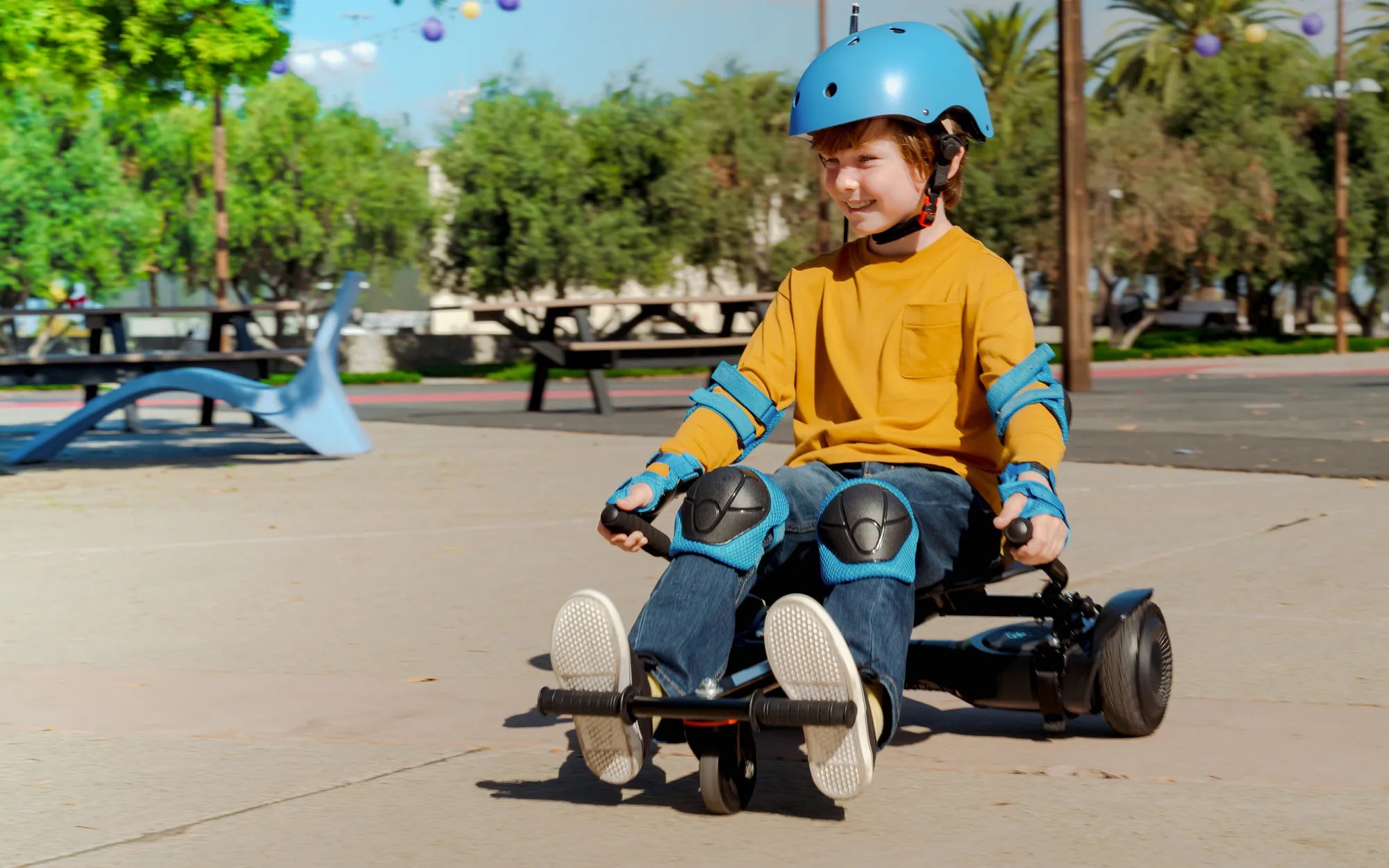
Rider safety gear transitions from "advisable" to "mandatory." A certified helmet is an absolute minimum. Wrist guards, knee pads, and elbow pads are strongly recommended, as the consequences of a fall at higher speeds are more severe. Before pursuing a world's fastest hoverboard, honestly assess your coordination, your typical riding environment, and your commitment to wearing protective equipment every single time you ride.
Navigating Regulations and Riding Etiquette
The legal landscape for personal electric transport devices is fragmented and evolving. In many U.S. cities and states, hoverboards are classified similarly to electric scooters. Common regulations include a minimum rider age (often 16+), a speed limit for operation on sidewalks (frequently capped at 10-15 mph), and restrictions against use on roadways with speed limits over 25-35 mph. It is the rider's responsibility to know and obey local laws.
Riding etiquette is crucial for community acceptance and safety. On shared paths, ride at a respectful speed, announce your presence when passing pedestrians (use a bell or a polite verbal cue), and yield right-of-way. On sidewalks, reduce speed to walking pace when pedestrians are present. Avoid riding in crowded areas or on busy roads. Using bike lanes where permitted is often the ideal compromise, aligning your speed with cycling traffic. Responsible riding ensures that the future of personal transportation remains open and accessible.
The Future of High-Speed Personal Transport: Beyond the Hoverboard
The innovation driving the world's fastest hoverboard is part of a broader revolution in micro-mobility. The technologies being refined—high-density batteries, efficient hub motors, advanced stability algorithms—are directly applicable to and often shared with next-generation electric scooters, e-bikes, and even compact electric vehicles. The race for speed and efficiency is elevating the entire category.
We are moving towards greater integration with smart city infrastructure. Future devices may communicate with traffic systems, use geofencing to auto-adjust speed limits in sensitive zones, and offer enhanced navigation. Artificial intelligence in self-balancing systems will make devices even more intuitive and stable, potentially reducing the learning curve for high-speed operation and making them accessible to a wider audience.
The ultimate goal is a seamless, multi-modal transport ecosystem. Imagine gliding on your high-speed hoverboard from your home to a transit station, carrying it aboard a train, and then completing your journey to the office—all without breaking a sweat. This interconnected future relies on the continuous improvement of device reliability, safety, and performance, trends currently being accelerated by the development of today's top-tier personal transporters.
Frequently Asked Questions (FAQs)
Q: What is the actual top speed of the world's fastest hoverboards?
A: As of now, the highest verified top speeds for commercial hoverboards range from 15 mph to 18 mph under optimal conditions. Some specialized or modified models may claim higher, but 15-17 mph is the practical ceiling for mass-produced, safety-focused models. Achieving these speeds requires a powerful motor system (700W+), a high-voltage battery (48V-52V), and a rider weight within the specified limit.
Q: Are high-speed hoverboards safe for beginners?
A>Not recommended. Beginners should always start with a standard, slower model (6-10 mph) to master balance, steering, and braking fundamentals. Transitioning to a high-speed board should only occur after developing significant confidence and muscle memory. The increased power and velocity demand quicker reflexes and greater control.
Q: Where is it legal to ride a high-speed hoverboard?
A>Legality varies drastically by city, state, and country. Generally, they are permitted on private property, in bike lanes, and on multi-use paths. Many localities prohibit them on sidewalks or public roads. Some require them to be limited to specific speed thresholds. Always check your local Department of Transportation or city ordinances for the most accurate and current regulations before riding.
Q: How does speed impact the hoverboard's battery life and range?
A>Speed has an inverse relationship with range. Riding consistently at top speed drains the battery much faster than cruising at a moderate pace. A board rated for 18 miles at 10 mph may only achieve 10-12 miles if ridden constantly at its 16 mph maximum. High-speed riding also places more demand on the battery, underscoring the importance of high-quality, UL-certified cells for both performance and longevity.
Q: What should I look for in a warranty for a performance hoverboard?
A>A robust warranty is a key indicator of quality. Look for comprehensive coverage that includes the battery, motors, and frame for at least one year. Crucially, the battery warranty should be explicit and backed by safety certifications like UL. Brands that invest in quality, like Gyroor, offer a 1-year warranty and use UL-certified battery packs tested for 500+ cycles, coupled with IPX5 water-resistant designs for durability. This demonstrates a commitment to product reliability and customer safety.
Conclusion: Speed, Safety, and Smart Choices
The quest for the world's fastest hoverboard symbolizes a thrilling chapter in personal mobility, where cutting-edge engineering meets the daily commute. Yet, the most intelligent purchase looks beyond the peak speed number on the box. It evaluates the complete ecosystem of performance: the certified battery that powers it, the robust motors that drive it, the safety features that protect the rider, and the reputable brand that stands behind it.
True transportation freedom is built on reliability and safety as much as on velocity. By prioritizing verified specifications, recognized safety standards, and responsible riding practices, you can harness the future of personal transport confidently. The right high-performance hoverboard isn't just about being the fastest; it's about providing a fast, safe, and dependable journey every time you step on.
Ready to explore a range of high-performance personal electric vehicles built with a commitment to safety and reliability? Browse the full Gyroor collection, featuring UL-certified electric scooters and e-bikes trusted by over 100,000 riders, at gyroorboard.com.
Kids Scooter Age 3: The Ultimate Guide for Parents
Shop Hoverboard: The Ultimate Guide to Buying the Perfect Ride