

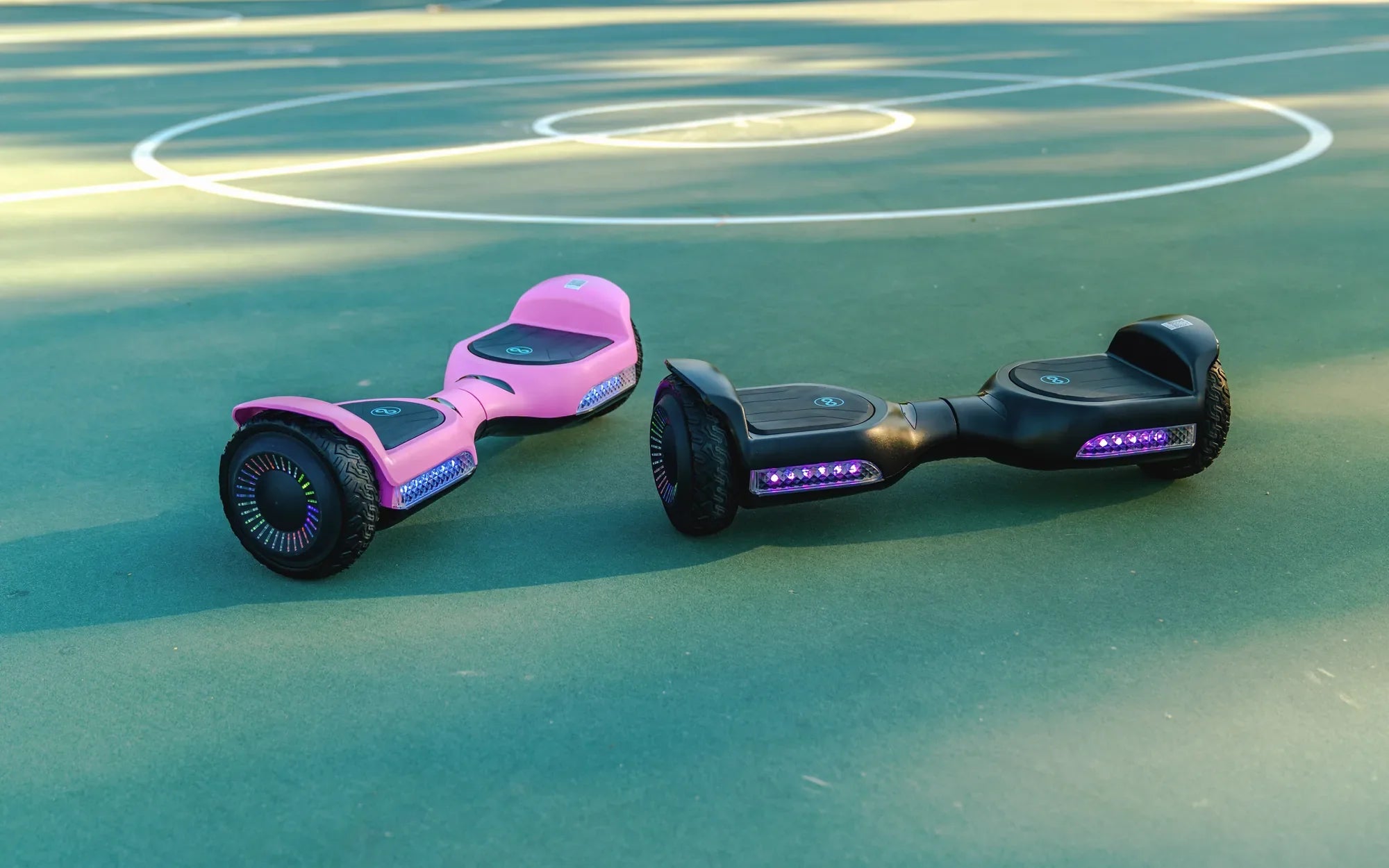
Riding a hoverboard is an exhilarating experience, but did you know that exceeding the weight limit can turn your fun ride into a safety hazard? The 10-inch hoverboard weight limit is a critical factor that often goes overlooked. Whether you’re a beginner or an experienced rider, understanding this limit ensures a smoother, safer, and more enjoyable ride. Let’s dive into everything you need to know about hoverboard weight limits and why they matter.
Why Does the 10-Inch Hoverboard Weight Limit Matter?
The weight limit of a hoverboard is not just a random number—it’s a carefully calculated specification designed to ensure optimal performance and safety. Exceeding this limit can strain the motor, reduce battery life, and even lead to accidents. Most 10-inch hoverboards have a weight limit ranging from 44 to 220 pounds (20 to 100 kg), depending on the build quality and motor power.
Factors Affecting the Weight Limit
Several factors influence the weight capacity of a hoverboard:
- Motor Power: Higher-wattage motors can handle more weight.
- Battery Capacity: A robust battery ensures consistent power delivery under heavier loads.
- Wheel Size: Larger wheels, like 10-inch ones, often support higher weight limits compared to smaller models.
- Build Material: Durable frames made from reinforced materials can withstand more stress.
How to Choose the Right Hoverboard for Your Weight
Selecting a hoverboard that matches your weight is essential for a safe ride. Here’s how to make the right choice:
- Check the Manufacturer’s Specifications: Always review the weight limit before purchasing.
- Consider Your Riding Style: Aggressive riders may need a hoverboard with a higher weight capacity for added stability.
- Test the Hoverboard: If possible, try it out to ensure it handles your weight comfortably.
What Happens If You Exceed the Weight Limit?
Ignoring the weight limit can lead to several issues:
- Reduced Speed and Performance: The hoverboard may struggle to reach its top speed.
- Shorter Battery Life: The motor works harder, draining the battery faster.
- Increased Wear and Tear: Components like the wheels and motors may degrade prematurely.
- Safety Risks: Overloading can cause the hoverboard to shut off unexpectedly, leading to falls.
Tips for Maximizing Your Hoverboard’s Performance
To get the most out of your 10-inch hoverboard, follow these tips:
- Stay Within the Weight Limit: This ensures longevity and safety.
- Maintain Proper Tire Pressure: Well-inflated tires improve balance and efficiency.
- Charge the Battery Fully: A full charge provides consistent power output.
- Avoid Rough Terrain: Smooth surfaces reduce strain on the motor and wheels.
Common Myths About Hoverboard Weight Limits
There are several misconceptions surrounding hoverboard weight limits. Let’s debunk a few:
- Myth: "A little over the limit won’t hurt." Reality: Even slight overloading can damage the hoverboard over time.
- Myth: "All 10-inch hoverboards have the same weight limit." Reality: Weight limits vary based on motor power and build quality.
- Myth: "Weight limits are just suggestions." Reality: They are critical for safety and performance.
Final Thoughts on Hoverboard Weight Limits
Understanding the 10-inch hoverboard weight limit is the key to a safe and enjoyable riding experience. By choosing a model that matches your weight and following best practices, you can extend the life of your hoverboard and avoid unnecessary risks. Ready to hit the streets with confidence? Keep these tips in mind, and you’ll be gliding smoothly in no time!
Best Hoverboard Under $250: Top Picks for Budget-Friendly Fun
Glow Up Hoverboard: The Ultimate Guide to the Hottest Ride of the Year