


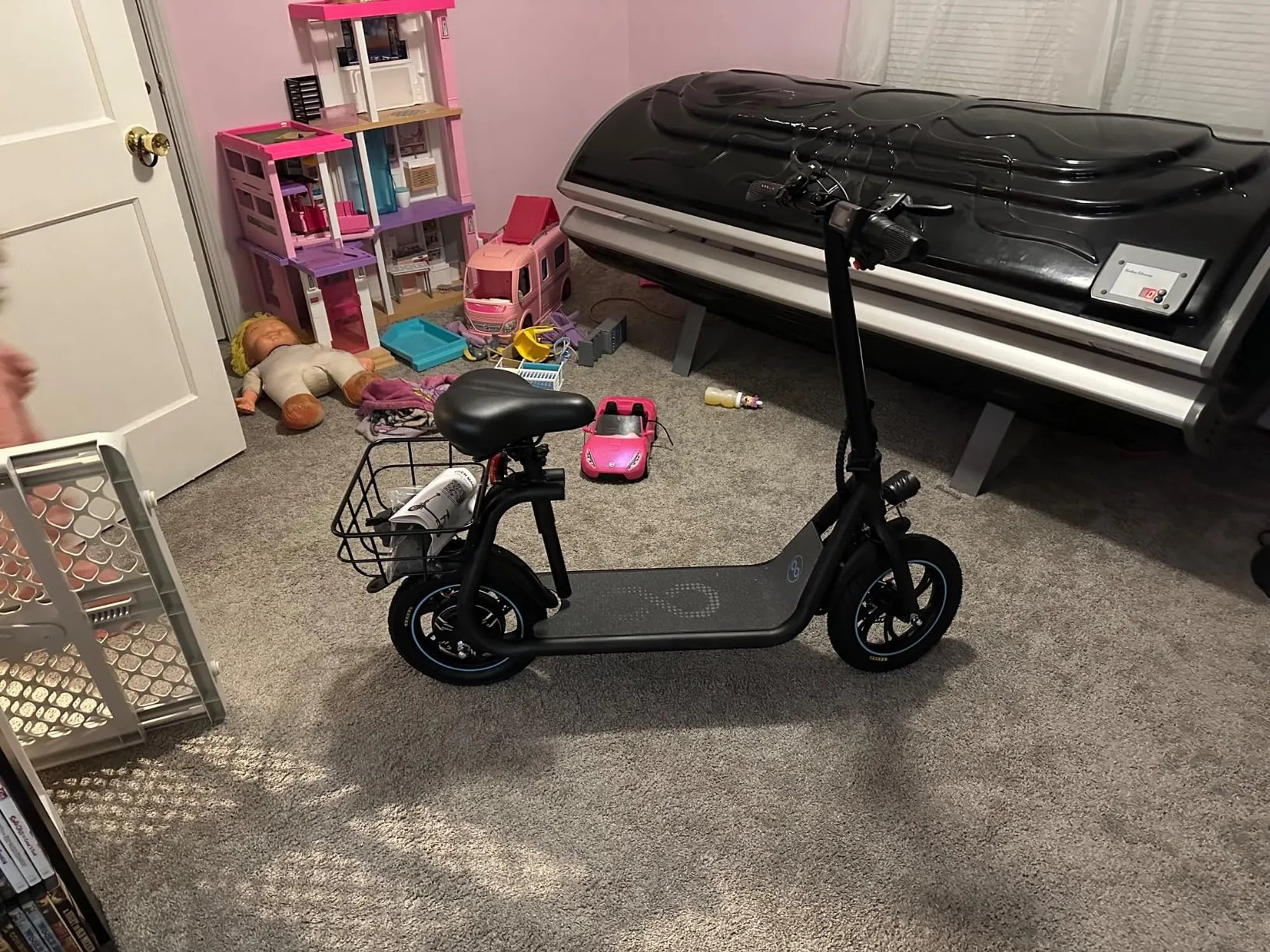
Introduction to 10 x 3 Scooter Tires: The Urban Commuter's Upgrade
For electric scooter riders navigating city streets, the connection between rider and road is defined by one critical component: the tires. Among the various sizes available, 10 x 3 scooter tires have emerged as a premier choice for riders seeking a transformative upgrade. This specification—a 10-inch diameter paired with a 3-inch width—represents a significant evolution from the smaller, narrower tires common on entry-level models.
The primary role of these tires is to deliver a balanced triad of stability, comfort, and performance that smaller wheels simply cannot match. For commuters dealing with potholes, cracks, wet pavement, and the need for confident braking, upgrading to or choosing a scooter with 10 x 3 scooter tires directly addresses common pain points. This guide will dissect why this tire size has become a benchmark for serious urban transport.
We will explore the engineering behind these tires, compare the two main types, and outline the tangible benefits they offer. Furthermore, we will connect these advantages to the design philosophy of leading brands like Gyroor, which integrates these robust tires into models built for reliability across North America and Europe. Understanding your tires is the first step to a safer, smoother, and more enjoyable ride.
The Anatomy of a 10x3 Tire: More Than Just Size
The numbers "10 x 3" are more than just dimensions; they are a blueprint for performance. The 10-inch diameter refers to the total height of the tire from top to bottom when mounted and inflated. This larger diameter directly impacts the scooter's ride height and its ability to roll over obstacles. A 10-inch wheel traverses cracks, expansion joints, and minor road debris with significantly less jarring impact than an 8-inch wheel, as the larger circumference reduces the angle of attack.
The 3-inch width is equally crucial. This measurement defines the tire's contact patch—the area of rubber that meets the road. A wider tire creates a broader, more substantial contact patch. This translates directly to increased lateral stability, especially during turns and when riding on uneven surfaces. It also improves traction during acceleration and, most importantly, during braking, reducing stopping distances and enhancing control.
Beyond these core measurements, 10 x 3 scooter tires come in two fundamental constructions: pneumatic (air-filled) and solid (airless). The internal design dictates the ride character, maintenance needs, and durability. Pneumatic tires use an inner tube or are tubeless, relying on air pressure to provide cushioning. Solid tires, often made of a dense polyurethane compound, eliminate the air chamber entirely, trading some ride comfort for absolute puncture resistance.
The choice of tread pattern is another key anatomical feature. Slick or lightly treaded designs offer minimal rolling resistance on smooth pavement, maximizing range. Hybrid or all-terrain patterns with more aggressive knobs provide extra grip on loose gravel, wet leaves, or light off-road paths, though they may slightly reduce efficiency on pristine asphalt.
Pneumatic vs. Solid 10x3 Tires: A Data-Driven Comparison
Choosing between pneumatic and solid 10 x 3 scooter tires is a fundamental decision that shapes your riding experience. The following table provides a clear, practical comparison of the two technologies.
| Feature | Pneumatic 10x3 Tires | Solid 10x3 Tires |
|---|---|---|
| Ride Comfort | Excellent. Air acts as a natural shock absorber, smoothing out vibrations and bumps. | Good to Fair. Dense material provides less cushioning; ride is firmer and transmits more road feedback. |
| Maintenance | Requires regular air pressure checks (every 2 weeks). Risk of flats/punctures. | Zero maintenance. No air pressure checks, and completely immune to punctures. |
| Puncture Risk | Present. Can be mitigated with sealant or by avoiding debris. | None. Ideal for areas with glass, thorns, or metal shavings. |
| Weight | Lighter, contributing to slightly better acceleration and range. | Heavier, which can marginally impact acceleration and total range. |
| Impact on Range/Speed | Lower rolling resistance can help maximize battery range. | Higher rolling resistance and weight may reduce range by 5-10%. |
| Typical Use Case | Riders prioritizing comfort, maximum range, and a plush ride on paved surfaces. | Riders who value absolute reliability, zero maintenance, and ride in high-puncture-risk environments. |
Brands like Gyroor make deliberate choices based on this data. For their commuter-focused models designed for daily reliability, they often utilize robust solid 10 x 3 scooter tires. This choice prioritizes the rider's peace of mind—eliminating the risk of being stranded with a flat tire—and pairs it with the inherent stability of the 10x3 form factor. It’s a performance choice centered on dependable urban mobility.
Why Upgrade to 10x3 Tires? Key Benefits for Every Rider
The decision to invest in a scooter equipped with or upgrade to 10 x 3 scooter tires yields a suite of tangible benefits that enhance every aspect of the riding experience. The first and most notable is enhanced stability. The combination of a larger diameter and wider profile dramatically reduces the "twitchy" feeling common on smaller scooters. At higher speeds, the scooter feels planted and confident. When navigating uneven pavement or making sharp turns, the wider contact patch provides a secure, predictable feel that inspires confidence.
Improved traction and safety is a critical advantage, particularly in varied weather. The larger contact patch provides more grip during acceleration and braking, reducing the risk of wheel slip. In damp conditions, a quality 10x3 tire can channel water more effectively than a narrow tire, maintaining better contact with the road. This directly contributes to shorter stopping distances and more controlled handling when you need it most.
Ride comfort sees a quantum leap. The 10-inch diameter allows the tire to roll over obstacles rather than dropping into them. For pneumatic versions, the air volume acts as a primary suspension system, absorbing shocks from cracks, potholes, and rough tarmac. Even solid variants benefit from the larger size, which geometrically lessens the impact angle compared to an 8-inch solid tire. This means less fatigue for your body, especially on longer commutes.
Finally, there is a strong case for increased longevity. Larger, wider tires distribute the scooter's weight and the forces of riding over a greater surface area. This can lead to more even wear patterns and a slower rate of tread degradation compared to smaller tires that bear more concentrated stress. For the rider, this means a longer service life before replacement is needed, making the initial investment more cost-effective over time.
The Gyroor Advantage: Engineering Meets Reliability
The benefits of 10 x 3 scooter tires are not realized in a vacuum; they are amplified when integrated into a scooter designed as a cohesive system. This is where Gyroor's engineering philosophy shines. Their models that feature these robust tires are designed from the ground up to leverage the stability they provide, with frames and steering geometry that complement the secure, planted feel.
This holistic design extends to durability. Gyroor pairs these reliable tires with other core brand USPs to create a trustworthy package. The IPX5 water-resistant rating on key models ensures that the scooter's critical electronics—the motor controller, wiring, and display—are protected from splashes and rain. This level of protection matches the all-weather capability of the tires themselves, creating a scooter you can confidently ride in less-than-ideal conditions.
Furthermore, this reliability is backed by Gyroor's commitment to safety and customer assurance. The use of UL-certified battery packs, tested for over 500 charge cycles, provides peace of mind regarding the scooter's power source. The standard 1-year warranty offers tangible support, covering the entire system—including the wheels and tires—which reflects the brand's confidence in the durability of its components, from the battery to the contact patch on the road.
Choosing the Right 10x3 Tires for Your E-Scooter
Selecting the correct 10 x 3 scooter tires involves more than just the size. The first and most critical step is compatibility. You must verify your scooter's rim size (the diameter of the metal wheel the tire mounts onto, typically 10 inches in this case) and the axle diameter. Crucially, check the physical clearance within the scooter's fork and around the brake caliper. A wider 3-inch tire may not fit on a model designed for a 2.5-inch width.
Next, consider the tread pattern based on your primary riding environment. For pure urban commuting on smooth pavement, a slick or lightly grooved tire offers the lowest rolling resistance for maximum range and a quiet ride. If your route includes packed gravel paths, brick roads, or you frequently encounter wet conditions, a hybrid tread pattern with circumferential grooves and slight knobbing will provide better all-weather traction without a significant efficiency penalty.
For those opting for pneumatic 10 x 3 scooter tires, tire pressure management is non-negotiable. Always inflate to the manufacturer's recommended PSI, usually found on the tire sidewall or in the scooter manual. Under-inflation increases rolling resistance (hurting range), causes uneven wear, and raises the risk of pinch flats. Over-inflation makes the ride harsh and reduces the contact patch, compromising grip. A simple digital pressure gauge is an essential tool for any scooter owner.
Finally, consider installation Proper maintenance of your 10 x 3 scooter tires is essential for safety, performance, and longevity. For pneumatic tires, establish a routine of checking air pressure at least once every two weeks, and always before embarking on a longer ride. Temperature changes can affect pressure, so more frequent checks are advisable during seasonal transitions. Maintaining correct pressure is the single most important thing you can do to prevent premature wear and flats. Conduct regular visual inspections. Before each ride, take a moment to look for obvious signs of damage: cuts, embedded glass or nails, sidewall cracks, or abnormal bulges. For tires with tread, monitor the depth. Many tires have wear indicators (small raised bars in the tread grooves); when the tread is flush with these bars, it's time for replacement. For slick tires, look for signs of excessive smoothing or uneven flat spots. Cleaning your tires is also part of good maintenance. Use a damp cloth to wipe off road grime, brake dust, and debris. Avoid harsh chemical cleaners that could degrade the rubber compound. Keeping the tires clean not only makes inspections easier but also prevents abrasive particles from being ground into the tread during rides, which can accelerate wear. Understand that your tires are a consumable safety component, much like brake pads. Adhering to these maintenance practices ensures they perform as intended. This care is integral to achieving the reliable performance that quality scooters from brands like Gyroor are engineered to deliver. A well-maintained tire is your first and best defense against the unpredictability of the road. Q1: Can I put 10x3 tires on my scooter that came with 8.5-inch tires? Q2: Are solid 10x3 tires as comfortable as pneumatic ones? Q3: How often should I check the air pressure in my 10x3 pneumatic tires? Q4: Do wider 3-inch tires reduce my scooter's range compared to 2.5-inch tires? Q5: What is the typical lifespan of a 10x3 scooter tire? Upgrading to or selecting an electric scooter with 10 x 3 scooter tires is a definitive step towards a superior urban mobility experience. This tire size represents a smart investment in your safety, comfort, and long-term satisfaction. The enhanced stability transforms your ride from a precarious balancing act into a confident cruise, while the improved traction and shock absorption tackle the harsh realities of city streets. When these robust tires are integrated into a thoughtfully engineered platform like those from Gyroor—paired with UL-certified batteries, water-resistant builds, and reliable warranty support—they become part of a trustworthy, high-performance system. You gain not just a vehicle, but a dependable partner for your daily commute. Ready to experience the difference that purpose-built engineering and the right tires can make? Explore scooters designed with these principles in mind. Browse the full Gyroor collection at gyroorboard.com to find a model that delivers the stability, reliability, and performance you deserve for your journey.Maintenance and Safety Best Practices
Frequently Asked Questions (FAQ)
A1: In almost all cases, no, not without significant and potentially unsafe modifications. The fork, brake assembly, and fender are specifically designed for the original tire size. Swapping to a much larger tire like a 10x3 would likely cause clearance issues, rubbing, and could interfere with braking. This upgrade is only feasible if the scooter manufacturer offers a compatible 10-inch model variant.
A2: Generally, they are not. Pneumatic tires provide superior shock absorption due to the air cushion. Solid tires, while improving greatly over older designs, offer a firmer ride that transmits more vibration. The trade-off is the absolute elimination of puncture risk and zero air pressure maintenance, which is why they are featured on Gyroor's most rugged commuter models.
A3: A minimum of once every two weeks is a good rule of thumb. However, it is best practice to check before any long ride or if the scooter hasn't been used for a while. Tires naturally lose pressure over time, and riding on under-inflated tires is a leading cause of premature wear and pinch flats.
A4: They can cause a marginal reduction, typically in the range of 5-10%, due to slightly increased rolling resistance and weight. However, the trade-off is a substantial gain in stability, grip, and ride comfort, which most riders find to be a worthwhile exchange for a more confident and safer riding experience.
A5: Lifespan varies greatly based on tire type (solid lasts longer), rider weight, road conditions, and maintenance. A pneumatic tire might last 1,000-2,000 miles with proper care, while a high-quality solid tire can often exceed 3,000 miles. Regular inspection for wear is the best way to determine when replacement is needed.Conclusion: Rolling Forward with Confidence
Best Commuter Bike Brands: A 2024 Guide to Reliable Urban Mobility
Commuter Bike vs Mountain Bike: The Ultimate 2024 Comparison Guide