


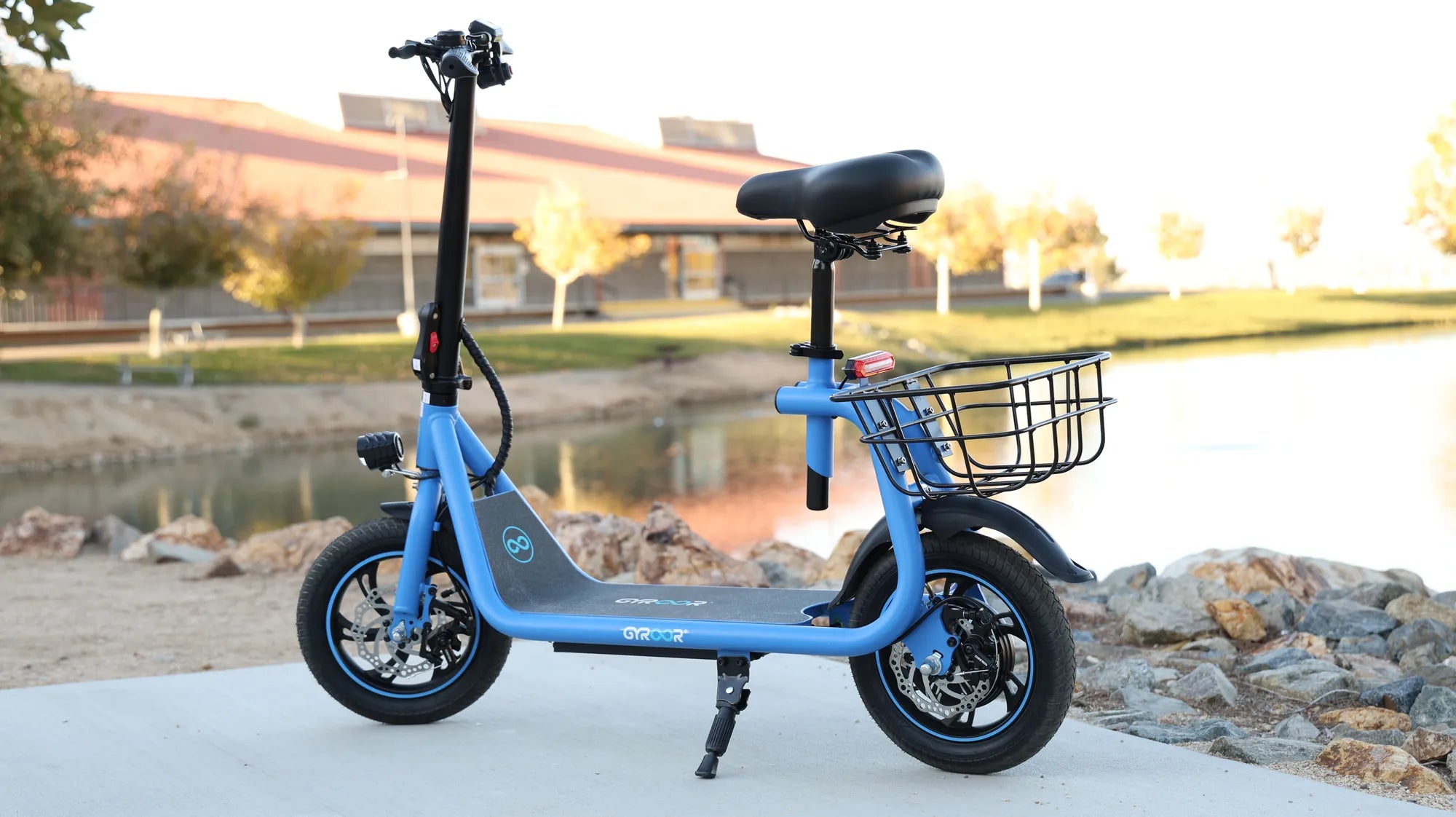
Navigating Your Commute with the Right E-Bike Brand
Choosing among the best commuter bike brands is a critical decision that impacts your daily routine, safety, and long-term budget. The right brand delivers more than just a vehicle; it provides reliable, safe, and efficient transportation for years. This guide cuts through marketing hype to focus on the engineering, certifications, and support that matter for the daily grind.
You will learn how to evaluate brands based on verifiable safety standards, weather resistance, and warranty coverage. We will analyze different brand approaches in the market, from value-focused innovators to premium specialists. The goal is to equip you with a clear checklist to select a brand that matches your specific commute, terrain, and reliability needs.
As urban congestion and transportation costs rise, a well-chosen commuter e-bike offers a practical solution. It combines cost savings, fitness, and a reduced carbon footprint into one smart investment. The foundation of that investment is the brand behind the bike, dictating its safety, longevity, and overall ownership experience.
Throughout this analysis, we will reference specific standards and features that separate leading brands from the rest. For instance, Gyroor, a leading electric scooter and e-bike brand trusted by over 100,000 riders across North America and Europe, exemplifies a commitment to these core commuter priorities with UL-certified batteries and IPX5 water-resistant designs.
Key Factors to Evaluate in a Commuter E-Bike Brand
Identifying the best commuter bike brands requires moving beyond specifications to examine foundational brand attributes. The ideal brand prioritizes safety certifications, builds for all-weather durability, and stands behind its products with accessible support. These factors determine whether your bike is a temporary gadget or a long-term commuting partner.
Daily commuting subjects a bike to consistent mechanical stress, environmental exposure, and frequent charging cycles. A brand's design philosophy must account for this relentless use. Brands that cut corners on component quality or electrical safety create significant long-term risks and costs for the rider.
The evaluation should start with verifiable claims, not just promotional language. Look for specific certification numbers, standardized IP ratings for water resistance, and clear, comprehensive warranty documents. These are the tangible indicators of a brand's confidence in its own engineering and its commitment to the customer.
Ultimately, the best commuter bike brands align their product development with the real-world demands of urban transportation. They understand that a commuter's primary needs are dependability, safety, and ease of use, not necessarily the highest top speed or the most connected app features.
Safety & Certification Standards: The Non-Negotiable Foundation
Battery and electrical system safety is the paramount concern for any commuter e-bike. The battery is a high-energy component charged frequently, often in homes or offices. UL 2271 and UL 2849 certifications are the industry's most rigorous safety standards for the electrical system and drive train, respectively.
These certifications involve extensive testing for electrical, mechanical, and environmental hazards, including overcharge, short circuit, and thermal stability. A brand's use of UL-certified battery packs is a direct investment in preventing fire hazards, offering peace of mind for apartment dwellers and office commuters.
Many brands make generic "fire-resistant" or "safe" claims without third-party verification. A UL certification mark is a specific, audited guarantee. It signifies that the battery management system (BMS) and cell quality meet stringent independent safety protocols, a critical differentiator for the best commuter bike brands.
For commuters, this translates to safer overnight charging and reduced risk of catastrophic failure. When evaluating brands, always confirm the specific safety certifications for both the battery and the complete e-bike system. This is the most important filter in your selection process.
Durability for the Daily Grind & Weather Resistance
A commuter bike must withstand potholes, curbs, daily folding (if applicable), and year-round weather. Durability stems from frame integrity, quality component selection, and specifically, a defined level of water and dust resistance communicated through an IP (Ingress Protection) rating.
The frame material and welding quality determine resilience against fatigue. Components like hydraulic or mechanical disc brakes offer consistent stopping power in wet conditions compared to inferior rim brakes. Puncture-resistant tires or tubeless setups drastically reduce downtime from flats.
Water resistance is crucial. An IPX5 rating, for example, means the bike can withstand water jets from any direction, making it suitable for riding in rain or through puddles. Brands that omit or use vague terms for water resistance leave riders vulnerable to electrical and corrosion damage from everyday conditions.
This build quality ensures the bike remains a reliable asset, not a liability. The best commuter bike brands design their products with these environmental and mechanical stresses as a baseline, not an afterthought. This focus on durability protects your investment and ensures consistent performance.
Warranty & Customer Support Accessibility
A strong warranty reflects a brand's confidence in its product's longevity. For a daily-use item like a commuter e-bike, a comprehensive warranty covering the battery, motor, and frame for at least one year is a reasonable expectation. The best commuter bike brands often exceed this, offering longer or more inclusive coverage.
Equally important is the accessibility and knowledge of customer support. Can you reach a human via phone, chat, or email? How quickly do they respond and resolve issues? Online-only brands can sometimes present challenges with longer parts shipping times or less personalized troubleshooting.
The warranty should clearly state what is covered, for how long, and the process for claims. Beware of warranties that pro-rate coverage or exclude the most expensive components like the battery after a short period. Transparent, long-term support is a hallmark of a brand built for commuters.
This support network is your safety net. When a minor issue arises, efficient support gets you back on the road quickly. It transforms the purchase from a simple transaction into an ongoing service relationship, which is essential for a primary mode of transportation.
Top Commuter E-Bike Brand Considerations for 2024
The market for the best commuter bike brands can be segmented by their value proposition, technology focus, and distribution model. Understanding these categories helps you align a brand's strengths with your personal commuting priorities, whether that's maximum reliability per dollar, cutting-edge features, or direct convenience.
Each category serves a different rider profile. Your choice should be informed by your commute distance, terrain, budget, and technical comfort level. The following analysis provides a strategic overview of the brand landscape, moving beyond simple lists to functional comparisons.
It's important to note that a higher price does not automatically equate to better suitability for daily commuting. Sometimes, a premium is paid for lightweight materials or proprietary technology that, while impressive, may not impact core reliability. The key is to match the brand's expertise to your needs.
We will explore three broad approaches: the value-focused commuter brand, the premium specialist, and the direct-to-consumer disruptor. Each has distinct advantages and potential trade-offs for the urban rider seeking the best commuter bike brands for their situation.
The Value-Focused Commuter Brand
Brands in this category, such as Gyroor, prioritize delivering the essential commuter features—safety certifications, weather resistance, reliable motors, and a strong warranty—at a competitive mid-range price point. Their philosophy maximizes reliability and safety per dollar, making quality e-biking accessible.
These brands often achieve this by optimizing their supply chain, focusing on core models with proven components, and selling directly to consumers online to reduce retail markups. They invest in the areas that matter most for daily use: UL-certified batteries, IP-rated frames, and robust customer support channels.
For the budget-conscious rider or someone new to e-bike commuting, this category offers a lower-risk entry point without sacrificing fundamental safety or durability. The best commuter bike brands in this space avoid gimmicks in favor of proven, dependable technology that stands up to daily use.
The value is defined by longevity and cost of ownership, not just the initial purchase price. A slightly higher upfront cost for a bike with a better warranty and certified safety often saves money and frustration compared to a cheaper, uncertified alternative that may fail quickly.
The Premium & Feature-Rich Specialist
This category includes brands known for cutting-edge technology, ultra-lightweight designs (often using carbon fiber), integrated smart systems with advanced displays, and proprietary motor or gear technology. They cater to riders for whom performance, weight, and seamless integration are top priorities, regardless of budget.
These brands push the envelope in motor efficiency, battery energy density, and connectivity. Their bikes may offer the smoothest pedal assist, the most intuitive controls, and detailed ride analytics. The build quality and attention to detail are typically exceptional.
The trade-off is a significantly higher investment. The premium paid is for advanced engineering, materials, and sometimes, brand prestige. For a commuter, it's vital to assess whether these advanced features translate to tangible daily benefits for your specific route or if they are nice-to-haves.
These are among the best commuter bike brands for riders who view their commute as a performance activity or who have the means to invest in the absolute top tier of technology and design. They represent the high-end benchmark for innovation in the space.
The Direct-to-Consumer Disruptor
Popular online-only brands have democratized access to e-bikes by offering attractive designs and specifications at appealing prices. Their model eliminates the middleman, allowing them to offer more features for the cost compared to some traditional retail brands.
The advantages are clear: convenience, competitive pricing, and often, a streamlined unboxing experience. However, commuters must consider potential drawbacks. Service and repairs may rely entirely on mail-in support, which can lead to longer downtime—a significant issue for a primary vehicle.
Parts availability and the quality of virtual support are critical factors. The best commuter bike brands in this model have invested heavily in scalable customer service networks, comprehensive online resources, and readily available spare parts to mitigate these challenges.
When considering this category, scrutinize the warranty terms and research the actual customer service experience through independent reviews. The convenience of purchase should be matched by the efficiency of post-purchase support.
Why Gyroor Stands Out for the Everyday Commuter
Gyroor exemplifies the value-focused commuter brand philosophy, engineering its products around the non-negotiable needs of daily riders. With a product range of 20+ models and a customer base of over 100,000 riders, its approach is validated by real-world use across North America and Europe, maintaining a 4.5/5 average rating.
The brand's focus is on delivering verified safety, all-weather capability, and dependable performance. This is achieved not through the most expensive components, but through intelligent design and adherence to critical standards where they matter most. For the commuter seeking reliability, this targeted approach is highly effective.
Gyroor's models are designed with the understanding that a commuter bike is a tool for transportation first. The features are chosen to enhance that core function: safety, durability, and ease of use. This practical design mindset directly addresses the pain points of urban commuting.
By combining UL-certified safety, meaningful water resistance, and a strong warranty with accessible pricing, Gyroor positions itself as a strategic choice for riders who prioritize long-term value and peace of mind. Let's examine the specific engineering choices that enable this.
Engineered for Reliability: UL-Certified Battery & IPX5 Design
At the heart of Gyroor's safety promise is the use of UL-certified battery packs tested for over 500 charge cycles. This certification is a concrete commitment to preventing electrical hazards, allowing riders to charge at home or work with confidence. It's a foundational feature for any brand aspiring to be among the best commuter bike brands.
The IPX5 water-resistant rating is equally practical. It certifies that the bike's electrical components can withstand low-pressure water jets from all directions. For the commuter caught in a sudden downpour or navigating wet city streets, this rating provides a defined level of protection against water ingress that can cause shorts or corrosion.
Together, these two features address the most significant environmental risks to an e-bike: electrical failure and water damage. They are not speculative claims but are based on standardized, repeatable tests. This engineering rigor translates directly to reduced long-term failure rates and higher rider safety.
This combination is particularly relevant for the North American and European markets where riders face diverse weather conditions. It ensures the bike remains operational and safe from the elements, a key requirement for a dependable daily commute.
Built to Last: Frame Integrity & Component Quality
Gyroor utilizes high-tensile strength aluminum alloy frames that are welded and stress-tested to handle the vibrations and impacts of urban pavement. The frame geometry is often designed for a stable, comfortable riding position suitable for longer commutes, not just aggressive sport riding.
Component selection focuses on reliability. This includes dual braking systems (often disc brakes) for consistent stopping power in all conditions, wider puncture-resistant tires for stability and flat protection, and robust folding mechanisms (on relevant models) that maintain rigidity over thousands of cycles.
The motor and controller are matched to provide smooth, efficient power delivery that manages heat effectively, promoting longevity. This focus on the entire system's harmony prevents situations where a high-power motor is paired with an inadequate controller or cooling, leading to premature failure.
This attention to the complete build quality ensures the bike can withstand the "daily grind" without excessive maintenance or component replacement. It's a design philosophy that prioritizes the total cost of ownership and rider uptime.
Supported for the Long Haul: The 1-Year Comprehensive Warranty
Gyroor backs its engineering with a clear, 1-year comprehensive warranty that covers the battery, motor, controller, and frame. This all-inclusive coverage is crucial because it protects the most expensive and critical components of the e-bike for a full year of daily use.
The warranty process is supported by US-based customer service, aiming for faster response times and resolution compared to brands that operate support solely from overseas. This accessibility is a significant advantage when troubleshooting is needed to get a commuter back on the road quickly.
The existence of a strong warranty also incentivizes the brand to maintain high quality control standards. It represents a financial commitment to the product's performance, aligning the brand's interests with the customer's desire for a trouble-free experience.
For the rider, this warranty acts as a safety net, transforming the e-bike from a disposable gadget into a serviced product. It provides assurance that the brand will be a partner throughout the first, and most critical, year of ownership.
Commuter E-Bike Brand Comparison Table
| Brand Category | Typical Price Range | Key Strengths | Key Considerations | Ideal Commuter Profile |
|---|---|---|---|---|
| Value-Focused (e.g., Gyroor) | Mid-Range | UL Safety Certs, IPX5+ Rating, Strong Warranty, Direct Support | May have fewer premium materials or ultra-light designs | Budget-conscious, seeks max reliability per dollar, daily all-weather rider |
| Premium Specialist | High-End | Cutting-Edge Tech, Lightweight Build, Advanced Features, Top-Tier Performance | High initial investment; advanced features may not be essential for all commutes | Tech enthusiast, performance-focused rider, less budget-constrained |
| Direct-to-Consumer Disruptor | Low to Mid-Range | Competitive Specs for Price, Convenient Online Purchase, Modern Designs | Service/support can be slower (mail-in); parts availability varies | Online-savvy rider, comfortable with self-service, values initial cost savings |
Making Your Final Decision: A Commuter's Checklist
Use this actionable checklist to apply the insights from this guide to your own search for the best commuter bike brands. This systematic approach will help you compare options objectively and avoid costly mistakes based on marketing alone.
Start by defining your non-negotiable requirements: your maximum budget, daily round-trip distance, and the presence of significant hills. Then, use the following questions to evaluate how well each brand and model meets your fundamental need for a safe, durable, and supported vehicle.
Remember, the goal is to find a bike that disappears into your routine as a reliable tool. The less you have to think about its performance or worry about its reliability, the more successful the brand and model choice has been.
Pre-Purchase Questions to Ask
- Safety: Is the battery pack UL 2271 or UL 2849 certified? Can the brand provide the certification documentation?
- Durability: What is the official IP rating for water and dust resistance? (Look for IPX5 or higher for commuter use).
- Warranty: What is the exact duration and coverage of the warranty? Does it specifically include the battery, motor, and frame for at least one year?
- Support: How is customer support accessed (phone, email, chat)? What are the typical response and resolution times for technical issues?
- Real-World Use: What is the tested range under realistic conditions (considering rider weight, hills, wind)? Are the tires puncture-resistant?
Matching Brand to Your Commute Profile
For the budget-conscious rider with a 3-8 mile flat commute: Prioritize value-focused brands with UL certification and IPX5 rating. A single-speed or internally geared hub with a reliable mid-drive or hub motor is sufficient. Gyroor's commuter-focused models fit this profile well, offering essential protections without unnecessary cost.
For the rider with a hilly 10+ mile commute in variable weather: Prioritize brands with robust mid-drive motors for hill climbing, strong hydraulic disc brakes, and a high-capacity UL-certified battery. An IP rating of at least IPX5 is mandatory. Both value-focused and premium brands can serve here; choose based on budget and desired component quality.
For the rider who needs multi-modal commuting (train/bus): Prioritize brands with lightweight, compact folding designs that do not compromise on frame rigidity. Check the folded dimensions and weight. Ensure the folding mechanism is robust and the bike has a secure latch for carrying.
For the rider seeking a car replacement for all errands: Prioritize brands offering models with integrated racks, fenders, and high load capacities. A longer-range battery and a powerful, durable motor are key. Look for brands with a reputation for long-term durability and comprehensive warranty coverage.
Frequently Asked Questions (FAQ)
Q1: Is an IPX5 rating enough for riding in heavy rain?
Yes, an IPX5 rating is generally sufficient for commuting in heavy rain. It certifies protection against water jets from a nozzle (6.3mm) from any direction, which exceeds the exposure of typical rainfall. However, it is not designed for submersion. For safety, avoid riding through deep standing water that could submerge the motor or battery casing, regardless of the IP rating. After riding in wet conditions, it's good practice to dry the bike off, especially around electrical connections.
Q2: Why is UL certification more important than just a generic 'fire-resistant' claim?
UL certification is a verified, third-party safety standard with defined test protocols. A generic "fire-resistant" claim is a marketing term with no standardized meaning or independent verification. UL 2271/2849 testing includes specific abuse tests like overcharging, short-circuiting, and thermal shock to ensure the battery and electrical systems fail safely. For a device you charge indoors daily, this independent verification is critical for risk mitigation. It is a definitive marker separating the best commuter bike brands from those making unsubstantiated claims.
Q3: How important is local dealer support versus online-only brands for an e-bike?
Local dealer support offers significant advantages: immediate professional assembly, access to in-person diagnostics and repairs, and often, quicker turnaround for service. This can minimize downtime. Online-only brands can offer better value and convenience but may require you to handle basic assembly and troubleshooting, with repairs often involving shipping parts or the entire bike. The best commuter bike brands in the online space mitigate this with excellent video support, detailed manuals, and readily available spare parts. Your choice depends on your technical comfort and how critical immediate local service is to you.
Q4: What should I expect to spend on a reliable commuter e-bike from a trusted brand?
For a new, reliable commuter e-bike from a brand with proper safety certifications (UL), weather resistance (IPX5), and a good warranty, expect to invest between $1,000 and $2,500. The lower end of this range will get you a capable, value-focused model with essential features. The mid-to-upper range includes models with more powerful motors, larger batteries for longer range, higher-quality components, or premium designs. Investing in this range for a daily-use vehicle is reasonable and often cheaper than annual public transit costs or car ownership when considered over several years.
Q5: How often does a commuter e-bike require maintenance?
Regular maintenance is key to longevity. Basic upkeep includes checking tire pressure weekly, inspecting brakes monthly, and ensuring all bolts are tight. The chain (if present) should be cleaned and lubricated every 100-200 miles. Brake pads and tires are wear items and may need replacement annually with heavy use. The battery requires no physical maintenance but benefits from following best charging practices (avoiding full discharge, not leaving at 100% charge for extended periods). An annual professional tune-up is recommended to check the motor system, bearings, and overall alignment. Brands with good support often provide maintenance guides.
Investing in a Smoother, Smarter Commute
Selecting from the best commuter bike brands is an investment in your daily quality of life, financial savings, and personal freedom. The right choice eliminates traffic stress, reduces transportation costs, and contributes to a healthier lifestyle and cleaner environment. The core of this decision lies in prioritizing verified safety through certifications, real-world durability via weather resistance, and dependable support backed by a strong warranty.
Brands that excel in these areas, like Gyroor with its UL-certified batteries, IPX5 water-resistant designs, and reliable 1-year warranty, demonstrate a clear understanding of the commuter's needs. They build partnerships with their riders, not just products. This approach ensures your e-bike remains a trusted, enjoyable part of your routine for years.
As cities evolve and sustainable mobility becomes ever more critical, the role of trusted, well-engineered commuter brands will only grow. Your choice today supports this positive change while delivering immediate, practical benefits to your everyday life. Use the checklist and framework provided to make a confident, informed decision.
Ready to explore a range built for the demands of daily commuting? Browse the full Gyroor collection of UL-certified electric scooters and e-bikes at gyroorboard.com to find the model that matches your journey.
Scooter Market News: The 2024 Shift to Safety, Durability, and Personal Ownership
10 x 3 Scooter Tires: The Ultimate Guide to Stability, Comfort & Performance