


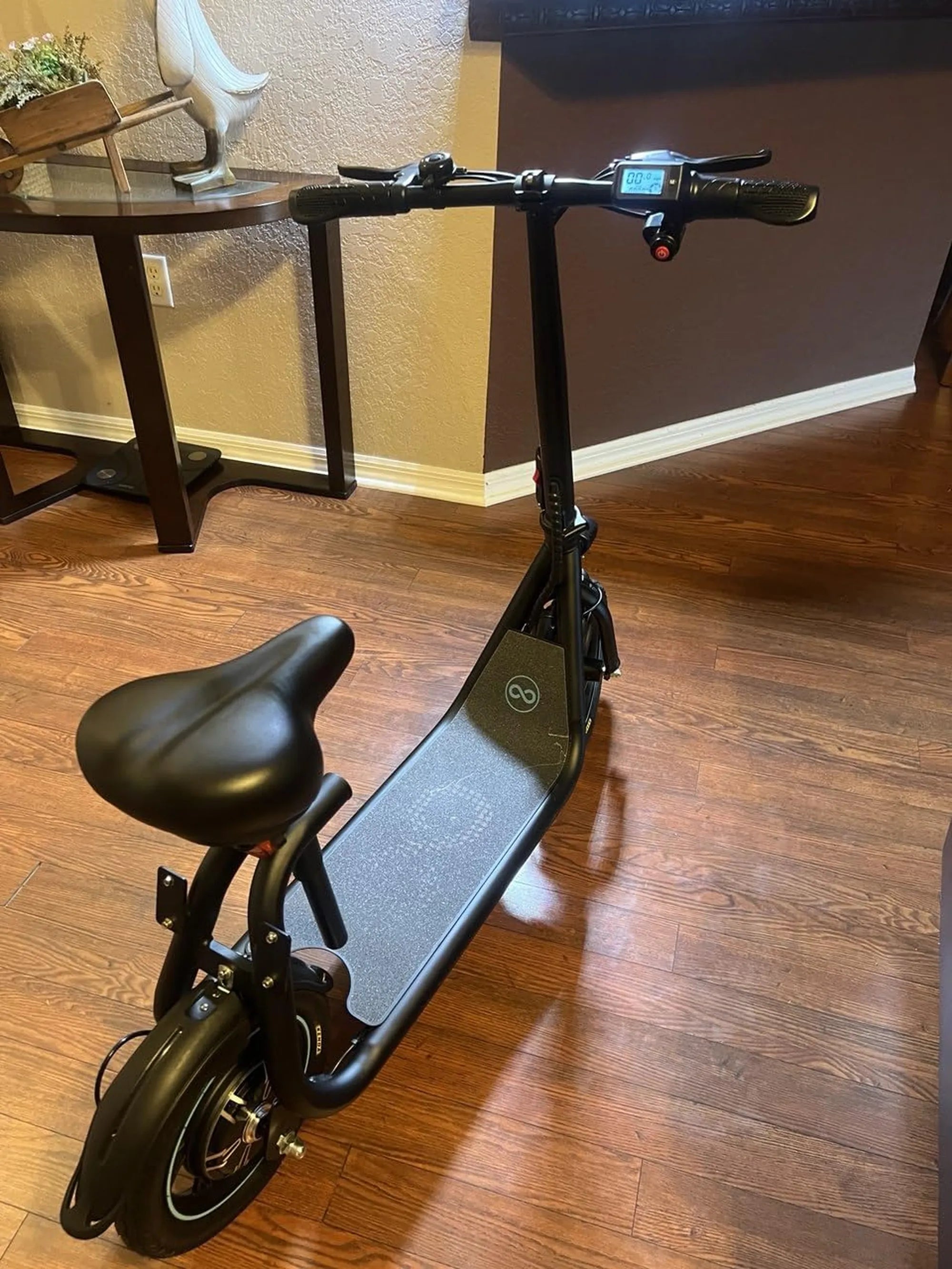
Introduction to 120cc Scooters: The Sweet Spot for Urban Mobility
A 120cc scooter represents the optimal balance in motorized two-wheel transport. It sits perfectly between the smaller 50cc class and larger, more powerful maxi-scooters or motorcycles. This guide will define its role, performance envelope, and why it's a compelling choice for a wide range of riders.
For many, a 120cc scooter is the ideal primary vehicle. It offers enough power for confident city and suburban travel while maintaining exceptional fuel efficiency and low operating costs. You will learn about its real-world capabilities, from acceleration to highway viability.
This engine class appeals to both new riders and experienced commuters. New riders appreciate the manageable power and automatic transmission. Veterans value the scooter's practicality and cost-saving benefits over a car for daily errands.
The modern 120cc scooter is far from basic. Contemporary models feature advanced components like fuel injection, combined braking systems, and digital instrumentation. This blend of utility and technology makes it a sophisticated urban mobility solution.
Performance & Specifications: What to Expect from a 120cc Engine
The heart of this category is a single-cylinder, four-stroke engine, typically ranging from 125cc to 150cc. This engine configuration is renowned for its reliability, smooth operation, and clean emissions. It's a significant step up from a 50cc motor.
In terms of speed, a 120cc scooter typically achieves a top speed between 50 and 60 miles per hour. This performance allows it to comfortably keep pace with city traffic and safely navigate multi-lane roads where speeds are 45-55 mph. Acceleration is brisk enough for safe merging.
Fuel efficiency is a major selling point. Most models achieve between 80 and 100 miles per gallon. With a fuel tank usually holding 1.5 to 2 gallons, you can expect a range of 120 to 200 miles between fill-ups, drastically reducing your fuel expenses and frequency of stops.
The power delivery is managed by an automatic Continuously Variable Transmission (CVT). This system provides seamless acceleration without any gear shifting, making it incredibly user-friendly. The engine's torque is well-suited for moderate hills and carrying a passenger with light luggage.
Real-World Riding Dynamics
On the road, the 120cc scooter feels planted and stable. Wheel sizes, often 12 or 13 inches, offer a good compromise between maneuverability and the ability to absorb road imperfections. The suspension is tuned for comfort over typical urban pavement.
Braking systems have evolved. Many models now feature a front disc brake and a rear drum brake, with some offering combined braking systems (CBS) for more balanced stopping power. This enhances safety, especially in wet conditions common to city commuting.
Key Features and Design Considerations
Design philosophy for the 120cc scooter centers on utility and comfort. The step-through frame is a defining characteristic, allowing easy mounting and dismounting, which is invaluable in stop-and-go traffic. The riding position is upright and natural.
Storage is a critical advantage over motorcycles. Nearly all 120cc scooters feature integrated under-seat storage compartments. The capacity varies but is often large enough to securely hold a full-face helmet, a laptop bag, or several bags of groceries, which is a game-changer for daily life.
Modern features are increasingly standard. Digital dashboards display speed, fuel level, trip meters, and sometimes even smartphone connectivity. LED lighting for headlights, tail lights, and turn signals improves visibility and energy efficiency. Many now include a USB charging port for devices.
Build quality and materials have improved significantly. While lightweight for agility, frames and body panels are designed to be durable. Weather protection, via a small windscreen and bodywork, helps deflect wind and road spray, increasing rider comfort on longer jaunts.
Comfort and Storage for Daily Use
The seat is a focal point for comfort, often long enough to allow some fore-aft movement and potentially accommodate a passenger. Seat height is generally low, making it accessible for riders of various statures. Wide footboards provide ample legroom.
The utility of built-in storage cannot be overstated. For the urban commuter, it eliminates the need for bulky backpacks. The ability to lock your helmet in the storage compartment when parked is a massive convenience. Some models add a front hook or additional compartments for smaller items.
For longer use, consider accessory options. Top cases and rear racks can greatly expand cargo capacity. A larger windscreen can make highway travel more comfortable. These practical design elements solidify the 120cc scooter's role as a genuine car replacement for many urban and suburban trips.
The Practical Advantages: Cost, Licensing, and Maintenance
The economic argument for a 120cc scooter is compelling. The initial purchase price is a fraction of a new car and competitive with many electric vehicles. Depreciation is typically slower than for a car, and insurance premiums are remarkably low, often just a few hundred dollars annually.
Licensing requirements in the United States are clear. Because a 120cc scooter can exceed 30-35 mph, it is classified as a motorcycle in virtually all states. This requires a motorcycle license (M-class endorsement), which involves passing a written test and a skills test, either through a state agency or an approved safety course.
Maintenance is straightforward and inexpensive. The schedule primarily involves regular oil changes, air filter cleaning, CVT belt inspection, and brake service. Tires last thousands of miles. The simplicity of the engine and drivetrain means labor costs are lower than for cars, and many owners learn to perform basic maintenance themselves.
Parking is another hidden savings. In dense urban areas, a scooter can often be parked for free on sidewalks (where legal) or in motorcycle-specific spots, avoiding expensive garage fees and the frustration of searching for a car-sized space.
Ownership Cost Comparison: Scooter vs. Car vs. Public Transit
To understand the financial impact, here is a simplified annual cost comparison for a typical urban commuter. These are estimated averages and can vary based on location, specific models, and usage patterns.
| Expense Category | 120cc Scooter | Compact Car | Public Transit Pass |
|---|---|---|---|
| Purchase/Finance Cost | $2,500 - $4,000 | $20,000 - $25,000 | N/A |
| Annual Depreciation | $300 - $500 | $3,000 - $4,000 | N/A |
| Annual Fuel/Energy | $150 - $300 (80-100 mpg) | $1,200 - $1,800 (30 mpg) | N/A |
| Annual Insurance | $200 - $400 | $1,000 - $1,500 | N/A |
| Annual Maintenance | $100 - $250 | $500 - $1,000 | N/A |
| Annual Parking | $0 - $200 | $600 - $2,400+ | N/A |
| Total Annual Cost* | $750 - $1,650 | $6,300 - $10,700+ | $1,000 - $1,500 |
*Excluding purchase price/financing. Public transit cost is for an unlimited annual pass. Scooter costs assume some paid parking.
Safety and Riding Gear Essentials
Riding any motorized two-wheeler requires a serious commitment to safety. A 120cc scooter's capabilities mean you will be sharing the road with faster traffic, making proper gear and defensive riding techniques non-negotiable. Your gear is your primary safety system.
The helmet is the most critical piece of equipment. A full-face or modular helmet provides the best protection for your head, face, and jaw. Look for DOT and preferably ECE or Snell certification. Never compromise on helmet quality or fit.
Beyond the helmet, invest in an armored jacket (with back, shoulder, and elbow protectors), durable gloves, over-the-ankle boots, and abrasion-resistant pants. This gear protects against road rash and impact in the event of a slide. High-visibility colors or reflective elements dramatically increase your visibility to other drivers.
Defensive riding is a mindset. Assume you are invisible to car drivers. Constantly scan the road ahead and to your sides for potential hazards. Maintain a safe following distance and have an escape route planned. Be extra cautious at intersections, where most collisions occur. Taking a Motorcycle Safety Foundation (MSF) course is highly recommended for all riders.
Top Contenders: A Look at Popular 120cc Models
The 120cc scooter market features several established brands known for reliability, dealer support, and refined designs. While specific models evolve, certain names consistently define the category. It's important to note that models are often marketed as 125cc or 150cc but fall into this performance and use-class bracket.
Honda has long been a leader with models like the PCX150 (now 157cc) and the ADV150. The PCX is known for its refined engine, excellent storage, and sleek design. The ADV150 adds a touch of adventure styling with longer travel suspension and more rugged tires, appealing to those who might encounter light off-pavement paths.
Genuine Scooter Company's Buddy 125 is a standout for its classic, vibrant styling and peppy performance. It's known for its simple, robust design and excellent dealer network. Kymco offers strong contenders like the Like 150i, which combines retro looks with modern fuel injection and strong value.
Vespa, the iconic Italian brand, offers the Primavera and Sprint in 150cc versions. These represent the premium end of the market with steel monocoque body construction, exceptional fit and finish, and timeless style, though at a higher price point. Choosing a model often comes down to preferred styling, local dealer availability, and specific feature preferences like storage capacity or dash layout.
Frequently Asked Questions (FAQ)
Q: Do I need a motorcycle license for a 120cc scooter?
A: Yes, in nearly all U.S. states and most countries. Because it exceeds the speed limits for a "moped" classification (usually 30 mph), it is legally a motorcycle. You will need to obtain a motorcycle license (M-endorsement), which involves written and on-bike skills tests.
Q: Is a 120cc scooter fast enough for the highway?
A: It is capable of highway travel on roads with speed limits up to 55-60 mph. It can accelerate to and maintain these speeds, but with little power reserve for quick passing. For frequent, long-distance highway commuting at 65+ mph, a larger 250-300cc scooter or motorcycle is a safer and more comfortable choice.
Q: How does it compare to an electric scooter like those from Gyroor?
A: They serve different, sometimes overlapping, purposes. A gas-powered 120cc scooter excels in range (120-200 miles) and fast refueling, ideal for longer commutes or day trips. Electric scooters and e-bikes from brands like Gyroor offer zero direct emissions, near-silent operation, significantly lower per-mile energy costs, and often simpler maintenance with no fluids. A Gyroor electric scooter is perfect for shorter, eco-conscious urban trips, last-mile connectivity, and riders seeking the ultimate in convenience and quiet operation.
Q: Can it carry a passenger comfortably?
A: Most 120cc scooters are designed for two-up riding, with a long seat and passenger footpegs. However, performance will be affected. Acceleration and hill-climbing ability will decrease, and the suspension may feel strained. It's fine for short trips, but for regular passenger duty, ensuring both rider and passenger have appropriate safety gear is crucial.
Q: What is the typical maintenance schedule?
A: Consult your owner's manual, but a general schedule includes an initial break-in service (300-600 miles), followed by oil and filter changes every 2,500-4,000 miles. The CVT drive belt and rollers should be inspected every 6,000-8,000 miles. Brake pads, tires, and coolant (if liquid-cooled) should be checked regularly. Annual checks of battery health and all lights are also wise.
Conclusion: Is a 120cc Scooter Right for You?
The 120cc scooter stands as a remarkably efficient and practical tool for modern urban and suburban life. It offers a liberating blend of affordability, fuel-sipping operation, and genuine utility that can replace a car for a significant portion of daily trips. For the rider who needs to cover distances beyond a typical electric scooter's range, navigate city streets with agility, and do so with minimal cost, it is an outstanding choice.
Your decision should be guided by your primary use case. If your commute involves regular highway travel at high speeds, consider a larger displacement option. If your travels are purely local, shorter in distance, and you prioritize sustainability and quiet operation, a high-quality electric scooter from a brand like Gyroor may be the perfect fit. Gyroor's lineup of UL-certified, reliable e-scooters offers a compelling alternative for the eco-conscious urban rider.
Ultimately, the best advice is to experience one firsthand. Visit a local dealership, sit on a few models, and if possible, arrange a test ride. Feel the ergonomics, test the storage, and gauge the power for yourself. For those ready to embrace a smarter, more engaging, and cost-effective way to move, the 120cc scooter is waiting. Explore all your personal mobility options and find the perfect ride for your lifestyle. Browse the full Gyroor collection at gyroorboard.com to compare electric alternatives for your urban journey.
Best Commuter Bike Under 1000: A 2024 Value & Safety Guide
Light Weight Foldable Scooter: The Complete 2024 Buyer's Guide