


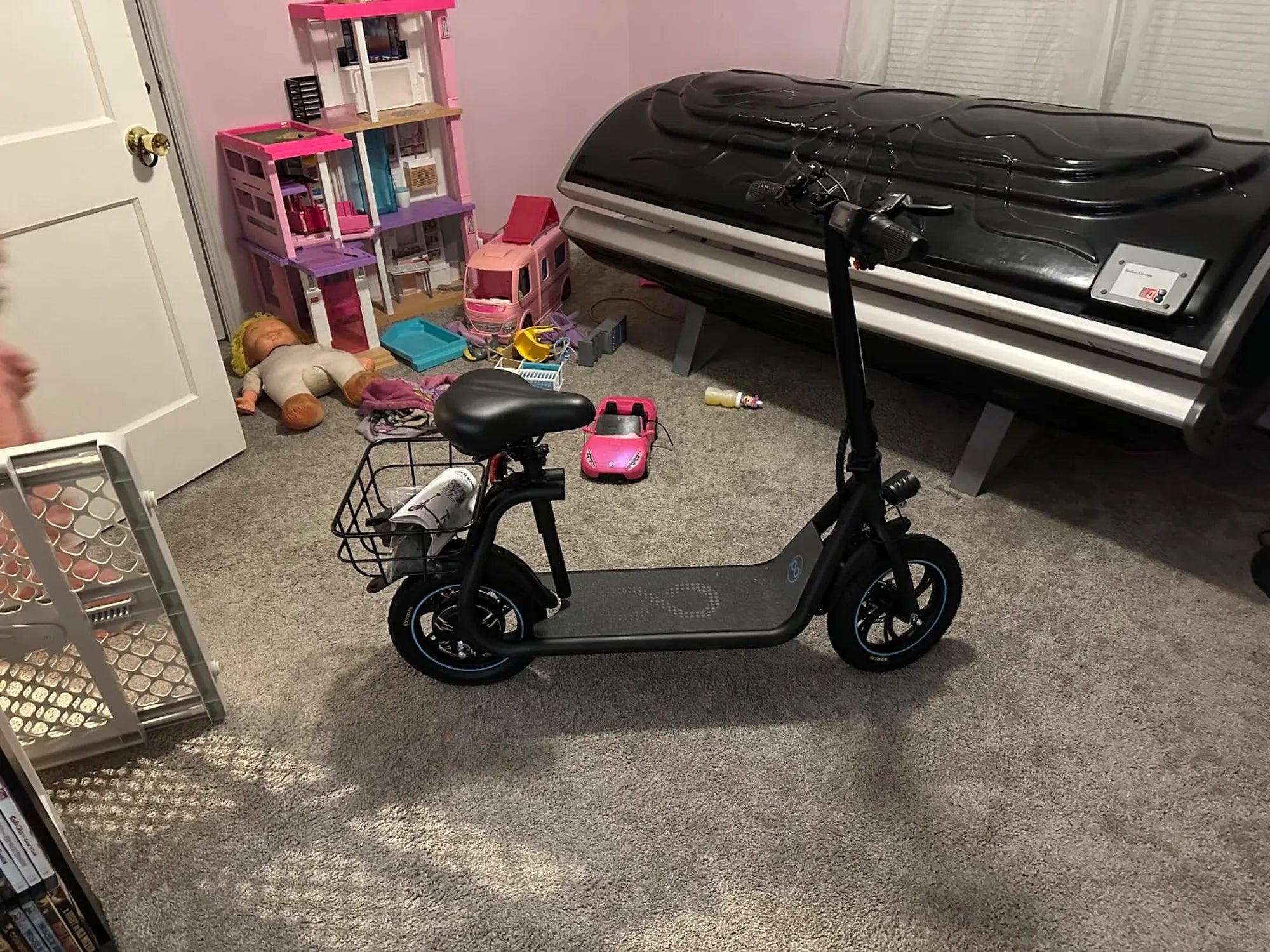
Introduction: Why Two Wheels Are Better Than One
Navigating city streets has been transformed by the electric scooter. These compact, efficient vehicles offer a solution to traffic congestion, high fuel costs, and the last-mile problem, all while providing an undeniable sense of freedom. However, the sheer number of models, each boasting different specs and features, can make choosing the right one overwhelming.
This guide, 2 Electric Scooters: The Ultimate Guide to Choosing the Best Ride, is designed to be your definitive resource. We move past marketing hype to focus on the critical data points that determine real-world performance, safety, and value. Whether you're a daily commuter or a weekend explorer, understanding these factors is the first step to finding your ideal ride.
Key Factors to Consider Before You Buy
Selecting an electric scooter isn't about finding the most powerful or the cheapest option; it's about matching specifications to your specific lifestyle and needs. Ignoring this alignment can lead to frustration, from a scooter that dies halfway to work to one that's too heavy to carry upstairs.
By evaluating the following core factors, you build a foundation for a confident purchase that will serve you reliably for years. Let's dive into the details that separate a good scooter from a great one.
Your Daily Commute: Range, Speed & Terrain
The advertised range on a scooter box is almost always a best-case scenario, tested under ideal conditions with a lightweight rider on flat ground. For a realistic estimate, assume you'll achieve 60-70% of the advertised figure. If your round-trip commute is 10 miles, look for a model with a minimum advertised range of 15-20 miles.
Speed is governed by local laws, which often cap electric scooters at 15-20 mph on bike lanes and paths. A 350W motor is typically sufficient for maintaining 15-18 mph on flat terrain. For tackling hills or carrying more weight, a 500W or dual-motor setup becomes necessary. Consider your route's incline; a scooter that struggles on hills quickly drains the battery and reduces enjoyment.
Terrain handling is dictated by wheel size and suspension. Solid 8.5-inch tires are common and good for smooth pavement. For dealing with cracks, bumps, or uneven surfaces, look for 10-inch pneumatic (air-filled) tires and a front or dual suspension system. This combination absorbs shock, providing a smoother, safer ride.
Build Quality & Safety: What to Look For
A scooter's frame material is paramount for durability and rider safety. Aerospace-grade aluminum alloys offer an excellent strength-to-weight ratio, resisting flex and fatigue over time. The welding and finish should be clean and robust, with no visible cracks or rough edges.
Braking systems are your most critical safety feature. A combination of electronic (regenerative) braking and a mechanical disc or drum brake offers the best stopping power and control. Regenerative braking can also slightly extend your range by feeding energy back to the battery during deceleration.
Visibility is non-negotiable for urban riding. Your scooter must have a bright front headlight, a dedicated brake light, and side reflectors. Some advanced models add integrated turn signals and deck lighting. A wide, textured deck with anti-slip tape ensures secure footing in all weather conditions.
Portability and Practicality
If your commute involves multi-modal transport—like taking a scooter on a bus or train—portability is key. The scooter's folded dimensions and weight are the main factors. A weight under 30 lbs is manageable for most adults to carry short distances. Look for a reliable, one-click folding mechanism that locks securely.
Check the scooter's maximum weight rating. Most standard models support 220-265 lbs. Exceeding this limit stresses the motor, battery, and frame, leading to premature wear and potential safety issues. Ensure the folded scooter can be stored easily in your intended space, whether under a desk, in a closet, or a car trunk.
Decoding Scooter Specifications: A Data-Driven Comparison
Spec sheets can be confusing. This section translates technical jargon into practical performance expectations, helping you compare models effectively.
| Specification | What It Means | Ideal For | Considerations |
|---|---|---|---|
| Motor Power (W) | Peak power output. Higher wattage = better acceleration & hill climb. | 250W: Flat city paths. 350-500W: Commutes with mild hills. 500W+: Steeper hills, heavier riders. |
Continuous power rating is more telling than peak power. Dual motors offer immense torque. |
| Battery (Ah / Wh) | Energy capacity. Watt-hours (Wh) = Voltage (V) x Amp-hours (Ah). Higher Wh = longer range. | 7.5Ah (≈280Wh): Short trips (6-10 mi). 10.4Ah (≈375Wh): Standard commute (12-18 mi). 13Ah+ (≈500Wh+): Extended range (20+ mi). |
Battery quality is crucial. UL-certified cells ensure safety and longevity over 500+ charge cycles. |
| Max Speed | The top speed the scooter can achieve under optimal conditions. | 15 mph: Compliant with most local laws. 18-20 mph: Faster commuters. 25 mph+: Performance riding (check local legality). |
Riding at top speed drastically reduces range. A governed speed mode can conserve battery. |
| Max Range | Theoretical distance per charge. Affected by weight, hills, speed, temperature. | 10 mi: Last-mile solution. 15-20 mi: Most urban commutes. 30 mi+: Long-distance or delivery use. |
As a rule, real-world range is ~65-75% of advertised. Cold weather can reduce it by 20-30%. |
| IP Rating | Ingress Protection against solids and liquids. First digit = dust, second = water. | IPX4: Light rain/splashes. IPX5: Water jets from any direction (good for puddles, rain). IP54: Dust and water resistant. |
IPX5 is a practical minimum for reliable all-weather commuting. Never submerge any scooter. |
Motor Power & Battery Life: The Heart of Your Ride
The motor and battery are the core of your scooter's performance. Motor wattage (e.g., 350W) indicates potential power, but voltage (e.g., 36V, 48V) is equally important. A higher voltage system can deliver power more efficiently, offering better acceleration and hill-climbing with less heat buildup.
Battery life is measured in charge cycles. A quality lithium-ion battery, like those with UL certification, is rated for 500+ full cycles before its capacity degrades to about 80% of original. This means if you charge daily, you can expect 1.5-2 years of strong performance before noticing reduced range. Proper care, like avoiding full discharges and extreme temperatures, extends this lifespan significantly.
Understanding Water Resistance & Warranty
The IP (Ingress Protection) rating is a vital, often overlooked spec. An IPX5 rating means the scooter's electronics are protected against low-pressure water jets from any direction, making it safe to ride in rain and through puddles. This is essential for commuters who cannot choose their weather.
The warranty is your safety net. A comprehensive 1-year warranty that covers the frame, motor, battery, and controller demonstrates manufacturer confidence. Scrutinize what's excluded; some warranties become void if you ride in wet conditions. A brand with accessible, US-based customer support drastically simplifies the resolution process if issues arise.
Spotlight on Gyroor: Engineering Trust for Every Journey
With over 100,000 riders across North America and Europe, Gyroor has built its reputation on aligning robust engineering with real-world rider needs. The brand's philosophy centers on reliability, safety, and support, directly addressing the key concerns outlined in this guide.
By focusing on certified components and clear warranties, Gyroor provides a benchmark for what riders should expect from a trustworthy manufacturer. Let's examine how their approach translates into tangible benefits for the end user.
Built for the Real World: UL-Certified & IPX5 Rated
Gyroor's commitment to safety starts with the battery. Every model uses UL-certified lithium-ion battery packs. This independent certification involves rigorous testing for electrical, mechanical, and environmental safety, drastically reducing fire risk—a paramount concern with lithium batteries. This provides peace of mind that extends far beyond basic performance.
Furthermore, Gyroor designs its scooters for the unpredictability of daily travel. An IPX5 water-resistant rating is standard across its lineup. This engineering ensures that rain showers or wet roads won't lead to sudden electrical failure, making the scooter a dependable choice for year-round commuting in most climates.
Confidence in Your Ride: The 1-Year Comprehensive Warranty
Gyroor backs its products with a clear, 1-year warranty covering manufacturing defects on major components. This commitment protects your investment and reflects trust in the durability of their materials and assembly. For riders, it means a direct path to support without navigating third-party seller complexities.
The value of accessible customer service cannot be overstated. Gyroor's US-based support team simplifies troubleshooting, parts replacement, and technical advice, ensuring you spend less time managing problems and more time enjoying your ride. This level of after-sales support is a critical differentiator in the personal electric vehicle market.
Making Your Final Decision: A Step-by-Step Checklist
Use this actionable checklist to evaluate any electric scooter model. It synthesizes all the key considerations from this guide into a simple, logical flow.
Step 1: Define Primary Use. Is this for a daily commute, weekend leisure, or quick errands? Your answer dictates priority specs.
Step 2: Calculate Needed Range & Speed. Map your typical route distance and note any major hills. Add a 30-40% buffer to the advertised range. Ensure top speed aligns with local regulations.
Step 3: Check Weight & Portability. Confirm the scooter's weight is manageable for you to carry if needed. Ensure the folded dimensions fit your storage and transport plans.
Step 4: Verify Safety Features. Non-negotiables: a robust braking system (disc + electronic), bright front and rear lights, and a grippy deck.
Step 5: Confirm Critical Certifications. Look for a UL-certified (or equivalent) battery and a minimum IPX5 water resistance rating for all-weather reliability.
Step 6: Read the Warranty & Support Details. Understand what is covered, for how long, and how to contact support. Prefer brands with straightforward, lengthy warranties.
Step 7: Set Your Budget. Balance upfront cost with long-term value. Investing in safety certifications and a good warranty often saves money on repairs and replacements later.
Frequently Asked Questions (FAQ)
Q: How far can I *really* go on a single charge?
A: Real-world range is typically 65-75% of the advertised maximum. Key reducers are rider weight, hills, headwinds, frequent stops/starts, cold weather (below 50°F), and riding at top speed. For a reliable commute, choose a scooter whose advertised range is at least 1.5 times your longest regular trip.
Q: Are electric scooters legal on roads and bike paths?
A: Laws vary significantly by city, state, and country. Generally, they are permitted in bicycle lanes and on roads with speed limits at or below 35 mph. Sidewalk riding is often prohibited. Most jurisdictions impose a speed limit (often 15-20 mph) and require riders to be a certain age (often 16+). Helmets are highly recommended and sometimes legally required. Always check your local Department of Transportation or city council website for specific regulations.
Q: What maintenance does an e-scooter require?
A: Regular maintenance ensures safety and longevity. Key tasks include: checking and inflating pneumatic tires to the recommended PSI weekly; testing brake function and adjusting cable tension as needed; periodically tightening bolts and fasteners; cleaning the deck and frame with a damp cloth; and storing the battery in a cool, dry place, avoiding full discharge for extended periods.
Q: Can I ride an electric scooter in the rain?
A: You can ride in light to moderate rain if your scooter has a sufficient IP rating. An IPX4 rating protects against water splashes from any direction, while IPX5 protects against sustained, low-pressure water jets. Even with a high rating, avoid deep puddles and submerging any part of the scooter. Always reduce speed, as wet surfaces drastically reduce tire traction and braking efficiency.
Q: How long does an electric scooter battery last before needing replacement?
A: A quality lithium-ion battery is rated for 500+ full charge cycles before its capacity degrades to about 80% of new. With regular use (3-4 charges per week), this translates to roughly 3 years of reliable performance. After this point, you may notice gradually decreasing range. Proper care—avoiding complete discharge, not leaving it fully charged for weeks, and storing in moderate temperatures—can extend its usable life.
Your Journey Awaits
Choosing the right electric scooter is an investment in freedom, efficiency, and fun. The perfect model for you seamlessly integrates into your life, removing friction from your commute and opening up new ways to explore your city. By prioritizing verified safety features like UL-certified batteries, robust construction, and comprehensive warranty support, you protect that investment and ensure years of reliable service.
Armed with this data-driven guide, you can confidently navigate the market, ignore empty claims, and select a scooter that meets your specific needs. The road is calling. It's time to find your ride and experience the thrill of electric mobility done right. Ready to explore models that embody these principles? Browse the full Gyroor collection at gyroorboard.com.
Places to Ride Electric Scooters: The Ultimate Guide for Safe and Fun Adventures
Best Electric Scooters With Removable Battery: Top Picks Reviewed