



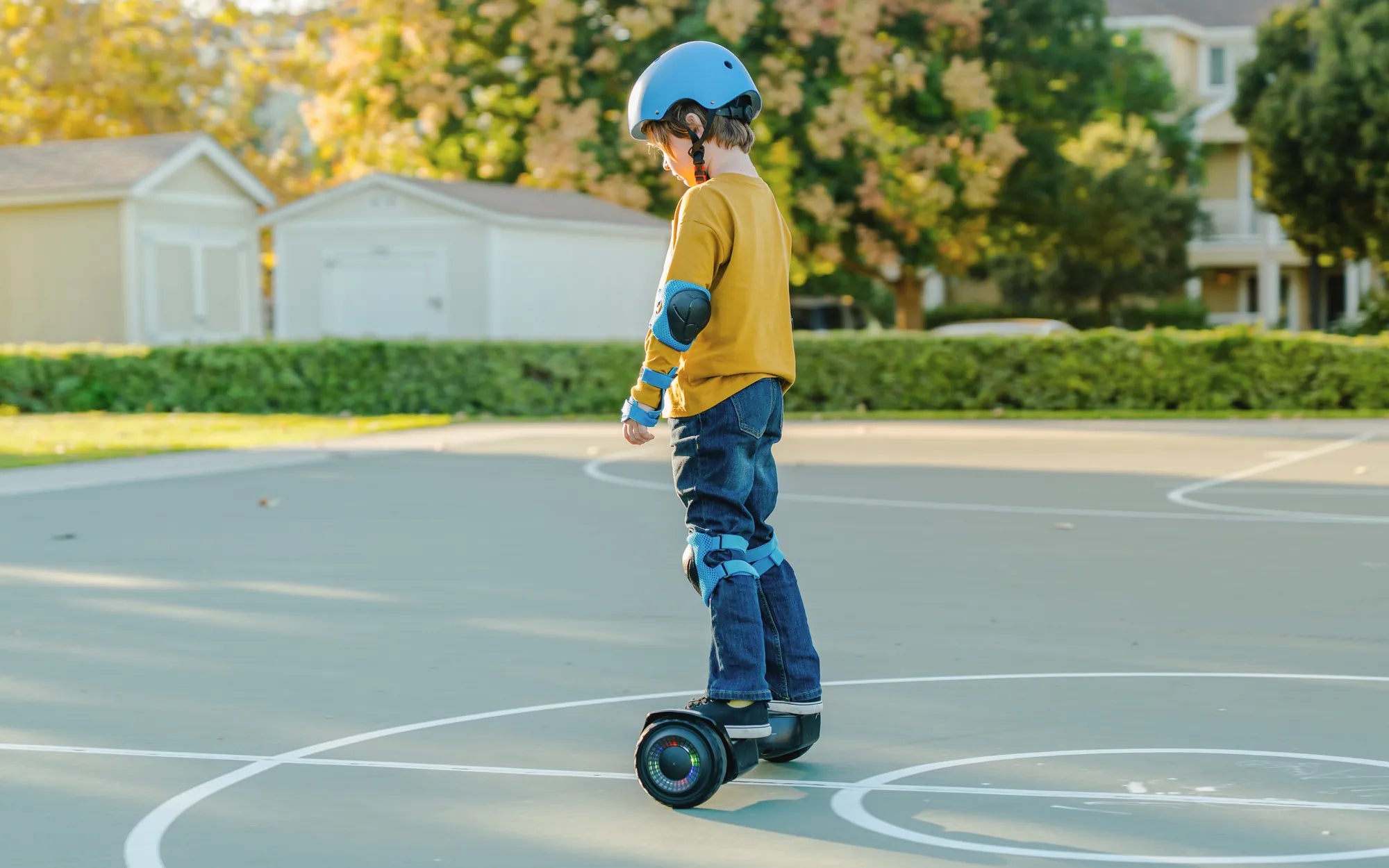
Introducing the 2-in-1 Kids Scooter: A New Era of Play
A 2 in 1 kids scooter is a transformative piece of play equipment, typically designed as a sit-and-ride vehicle that converts into a traditional stand-up scooter. This dual-functionality addresses a critical gap in children's mobility toys, offering a single product that evolves alongside a child's developing motor skills and confidence. For parents, it represents a strategic investment that replaces the need for multiple, single-purpose ride-ons, from push-along toys to first scooters.
The core value proposition is longevity and adaptability. Instead of purchasing a toddler ride-on, then a three-wheeled scooter, and later a two-wheeled model, a high-quality 2-in-1 model serves all these stages. This guide will dissect every aspect of the 2 in 1 kids scooter, providing parents with the knowledge to choose the best model, ensure safe usage, and maximize its value through years of active play.
You will learn how to evaluate safety features, understand key developmental benefits, and navigate the transition from seated to standing riding. We'll also examine what sets premium brands apart, ensuring your investment is sound. The versatility of a 2 in 1 kids scooter makes it more than a toy; it's a tool for growth, balance, and outdoor adventure.
Why Choose a 2-in-1 Design? Key Benefits for Parents and Kids
The primary advantage of a 2-in-1 scooter is its extended utility, which delivers significant value. For a child, it provides a continuous, familiar platform for learning, reducing the intimidation of graduating to a "big kid" scooter. For parents, it simplifies purchasing decisions and storage while promoting sustained physical activity.
From a developmental psychology perspective, consistent use of a familiar object builds mastery. A child who learns to steer and brake in seated mode on their 2 in 1 kids scooter carries that foundational knowledge directly into stand-up mode. This seamless progression fosters confidence and reduces frustration, making the learning curve for independent scooting much gentler.
Economically, the math is clear. Investing in a durable, convertible model often costs less over time than buying separate toddler ride-ons and beginner scooters. It also minimizes waste and clutter, a practical benefit for any household. The design inherently encourages longer periods of use, supporting healthy outdoor habits from a very young age.
Grows With Your Child (Toddler to Big Kid)
The growth-adjustable nature of these scooters is their defining feature. A robust model can typically accommodate children from approximately 18 months to 5 years or older, depending on weight and height limits. This spans critical early childhood development phases, from tentative first pushes to confident, speedy dashes.
This extended lifecycle is achieved through two key mechanisms: the conversion from seat to standing deck and an adjustable handlebar. Quality models offer tool-free height adjustments, allowing the scooter to adapt to growth spurts without requiring a new purchase. This adaptability ensures the scooter remains ergonomically appropriate, which is crucial for maintaining proper posture and control.
The longevity of a 2 in 1 kids scooter means it becomes a trusted companion for a child. This familiarity can be comforting and can encourage more frequent outdoor play. It effectively bridges the gap between passive, seated mobility and active, balanced propulsion, supporting the child's journey towards greater independence.
Encourages Developmental Milestones
In seated mode, the scooter acts as a dynamic tool for developing gross motor skills. Toddlers use their legs to push against the ground, building strength in the quadriceps, hamstrings, and glutes. This action also introduces the concept of cause and effect (push to go, stop pushing to slow) and basic steering mechanics.
As children transition to stand-up mode, they engage a more complex set of skills. Balancing on one foot while pushing with the other enhances proprioception—the body's ability to sense its position in space. Steering requires coordinated weight shifting and hand-eye coordination, while operating a brake involves deliberate motor planning and reaction time.
These activities lay a foundational skill set that translates to other areas, including bicycle riding, sports, and general physical confidence. The progressive challenge offered by a single toy makes it an efficient tool for holistic physical development, all within the context of fun, child-directed play.
Safety Through Stability & Control
Safety is engineered into the 2-in-1 design from the ground up. In seated mode, the low center of gravity and wide wheelbase provide exceptional stability for beginners. This design prevents the tipping and wobbling that can frighten young children on traditional first scooters, creating a positive and secure initial experience.
The transition to stand-up mode is only advised once a child has mastered control in the seated position. This built-in prerequisite ensures kids don't advance too quickly. Furthermore, quality models incorporate safety features like lean-to-steer technology or limited turning radiuses, which prevent sharp, dangerous turns that could lead to falls.
Reliable braking systems are paramount. Many models use a intuitive lean-back rear fender brake or a press-down foot brake. These designs are easier for small children to operate reliably than hand brakes, which require more grip strength and coordination. This layered approach to safety—from stable base to controlled progression to simple controls—makes the 2 in 1 kids scooter a responsible choice.
What to Look for When Buying: The Essential Checklist
Selecting the right scooter requires careful evaluation of specifications and build quality. Not all 2-in-1 models are created equal, and key differences in materials and design directly impact safety, durability, and the overall user experience. This checklist will help you identify a high-quality, long-lasting product.
Prioritize models that clearly state their compliance with relevant safety standards (like ASTM F963 or EN 71). The manufacturer's reputation for quality and customer service is also a critical, though less tangible, factor. A well-known brand with a strong warranty often indicates confidence in their product's longevity and safety.
Consider your primary use environment. Will the scooter be used mostly on smooth indoor surfaces, bumpy sidewalks, or packed dirt paths? The answer will guide your choices regarding wheel type and size. Every feature should be evaluated through the lenses of safety, adjustability for growth, and ease of use for both child and parent.
Age, Weight, and Height Recommendations
Adhering to manufacturer specifications is non-negotiable for safety and performance. Exceeding weight limits can stress the frame and compromise structural integrity, while a scooter too large or small for a child's height can hinder control. Use the following table as a general guideline, but always verify the specific limits for any model you consider.
| Mode | Typical Age Range | Typical Weight Limit | Key Developmental Stage |
|---|---|---|---|
| Seated (Ride-On) | 18 months - 3 years | Up to 50 lbs (22 kg) | Building leg strength, learning steering & cause/effect |
| Transitional | 2.5 - 4 years | Up to 55 lbs (25 kg) | Practicing balance while seated, preparing to stand |
| Standing (Scooter) | 3 years - 5+ years | Up to 65 lbs (30 kg) or more | Mastering balance, coordinated pushing & braking |
An adjustable handlebar is essential for longevity. Look for a range that covers roughly 20 inches to 30 inches from the ground, which will accommodate most children through the standing phase. The conversion mechanism itself should be robust and, ideally, tool-free for quick changes as the child's mood or skill level shifts.
Safety Features You Shouldn't Compromise On
Certain safety elements are fundamental. First, the steering mechanism should have a built-in limiter to prevent the front wheel from turning too sharply—a common cause of sideways tumbles. Lean-to-steer designs, where the handlebar and wheel turn in response to the child's body lean, are particularly effective for promoting stable, controlled turns.
The braking system must be intuitive and reliable. A wide, rear fender brake that engages when the child leans back or presses down is often the safest and easiest for young riders to use consistently. Additionally, all contact points need secure, non-slip surfaces: the deck should have a textured grip tape or pattern, and the handlebar grips should be made of a soft, high-friction material.
Finally, examine the base of stability. A wider wheelbase (the distance between the front and rear axles) and a lower deck height in standing mode contribute significantly to balance and prevent tipping. These physical design choices are more important than cosmetic add-ons and are hallmarks of a scooter engineered with safety as a priority.
Durability and Build Quality
The frame material is the skeleton of the scooter. Aircraft-grade aluminum alloys offer an excellent strength-to-weight ratio, resisting dents and corrosion while keeping the scooter light enough for a child to maneuver. Heavy-duty reinforced plastic composites can also be durable if engineered well, but may not offer the same longevity as metal under frequent use.
Wheel quality dictates ride smoothness and terrain capability. Larger wheels (over 120mm) roll over cracks and pebbles more easily than smaller ones. There are two main types:
- Air-Filled (Pneumatic) Tires: Provide superior shock absorption and traction on varied surfaces like asphalt or bumpy sidewalks. They require occasional inflation.
- Solid Foam or PU Tires: Are maintenance-free (no flats) and offer a smooth ride on very flat, hard surfaces like indoor floors or smooth concrete.
High-quality, sealed bearings (ABEC-5 or higher rating) inside the wheels ensure a smooth, fast, and quiet roll with minimal pushing effort. Listen for a quiet, whirring sound when spinning the wheels—grinding or gritty resistance indicates inferior bearings that will wear out quickly.
Ease of Conversion and Adjustability
The conversion process should be straightforward and secure. The best systems use a single, large locking mechanism or a few simple, captive screws (with a tool stored on the scooter) to switch between seated and standing configurations. Complicated processes with multiple small parts are frustrating and increase the risk of lost components.
Handlebar adjustment is equally important. A telescoping stem with a quick-release clamp or a simple pin-and-hole system allows for easy height changes as your child grows. The adjustment should feel solid when locked, with no wobble or play in the handlebar column. This precise fit is crucial for maintaining steering control and safety.
These user-centric design features reflect a brand's understanding of its real-world use. A scooter that is difficult to adjust or convert will likely be left in one configuration, negating the core 2 in 1 kids scooter benefit. Smooth operation encourages you to utilize the product's full potential throughout your child's development.
Gyroor's Approach to 2-in-1 Scooters: Engineered for Growth and Peace of Mind
As a leading electric mobility brand trusted by over 100,000 riders, Gyroor applies its engineering expertise to the kids' scooter category with a focus on safety, durability, and intelligent design. Understanding that parents' top concerns are safety and value, Gyroor builds its 2-in-1 models to exceed expectations on both fronts.
The brand's philosophy centers on creating products that empower exploration while providing unwavering reliability. This is achieved through rigorous testing, premium component selection, and features that address the specific needs of growing children and their parents. A Gyroor 2 in 1 kids scooter is designed not just for play, but for years of developmental progression.
By integrating its learnings from high-performance electric scooters and e-bikes, Gyroor ensures its kids' models benefit from advanced materials science and a deep understanding of stable ride dynamics. The result is a product line that stands out for its robust construction and thoughtful details, from the ground up.
UL-Certified Safety and Robust Construction
For any electric model in its lineup, Gyroor's commitment to safety is paramount, starting with the battery. All Gyroor scooters utilize UL-certified lithium-ion battery packs. This certification means the battery cells have undergone independent testing by Underwriters Laboratories for safety hazards like overheating, short-circuiting, and electrical fire risk, providing a critical layer of assurance that is not industry standard.
The scooter frames are constructed from high-tensile aluminum, chosen for its perfect balance of lightweight maneuverability and impact resistance. This material ensures the scooter can withstand the bumps, jumps, and occasional tips of enthusiastic play without bending or failing. The welding and joint construction are reinforced at stress points, a detail often overlooked in cheaper models.
Furthermore, Gyroor designs its scooters with an IPX5 water-resistant rating. This means the electrical components (if present) and overall construction can withstand water jets from any direction, making the scooter resilient against puddles, wet pavement, and light rain. This durability factor significantly extends the scooter's usable life and reduces worry for parents.
Warranty and Support: A Guarantee of Long-Term Value
Gyroor backs its quality with a clear and comprehensive 1-year warranty covering manufacturing defects and component failures. This warranty is a testament to the brand's confidence in its products. Perhaps more importantly, Gyroor provides accessible, US-based customer support to help with any questions, assembly, or troubleshooting needs.
This support structure transforms the scooter from a disposable toy into a reliable product ecosystem. Parents can buy with the confidence that assistance is available if needed, protecting their investment. The combination of premium materials, certified safety features, and strong post-purchase support creates a holistic value proposition that defines the Gyroor difference.
When evaluating a 2 in 1 kids scooter, these behind-the-scenes factors—certifications, material science, and warranty terms—are what separate a lasting investment from a short-term purchase. Gyroor's specifications are directly aligned with the essential checklist for a reason: they are engineered to meet and exceed the demands of both children and parents.
Making the Transition: From Sitting to Standing
The shift from seated rider to standing scooterist is a major milestone. A successful transition builds confidence and ensures the child continues to enjoy and use their scooter. Rushing this process can lead to fear or accidents, so it's important to follow the child's lead and provide a supportive environment.
The key is to view the seated phase as foundational training. During this time, the child is not just playing; they are unconsciously learning steering dynamics, speed judgment, and how to use the brake. Mastery in the seated mode, characterized by smooth, controlled movement and intentional stopping, is the primary prerequisite for standing.
Parents can facilitate this transition by creating low-pressure practice opportunities and modeling the desired behavior. The goal is to make the child feel in control and excited about their new skill, not anxious about a challenging task. Patience during this phase pays off with a child who quickly becomes a proficient, safe stand-up rider.
Signs Your Child is Ready to Stand
Children demonstrate readiness through their behavior and physical competence. The most obvious sign is the child themselves expressing a desire to try "like the big kids." This intrinsic motivation is a powerful driver for learning. Physically, look for confident, strong pushing in seated mode, with the child occasionally lifting their feet off the ground to coast for short distances.
Other indicators include excellent steering control—navigating gentle curves without overcorrecting—and consistent, deliberate use of the brake to stop. The child should also show an ability to focus on the task of riding for extended periods and generally have good static balance, perhaps able to stand on one foot briefly or walk along a curb.
If a child is still wobbly in the seat, pushes weakly, or ignores the brake, they need more practice in the seated mode. There is no specific age deadline; readiness is based on ability. Waiting for these signs ensures the transition is a natural progression, not a forced leap.
A Parent's Guide to First Stand-Up Rides
When the signs are there, follow these steps for a positive first experience. First, ensure full protective gear is worn: a properly fitted bicycle helmet, knee pads, and elbow pads are essential. Choose a perfect practice area: a smooth, flat, hard surface like an empty tennis court, basketball court, or a very smooth driveway with plenty of open space.
Begin by converting the scooter to stand mode with the child present, explaining the change. Demonstrate the proper stance: one foot firmly planted on the deck, the other used to push. Let the child simply stand on the stationary scooter to get a feel for the balance. Hold the handlebars lightly for support as they take their first slow pushes.
Focus on the fundamentals: looking forward (not down at their feet), gentle steering, and using the brake to stop. Keep sessions short, positive, and fun. If frustration arises, revert to seated mode for a confidence boost. With consistent, supportive practice, most children will grasp the basics within a few sessions, unlocking a new world of independent mobility on their 2 in 1 kids scooter.
Frequently Asked Questions (FAQs)
Q: At what age can my child start using a 2-in-1 scooter?
A: Most models are designed for children as young as 18 months to begin in the seated, ride-on mode. This allows toddlers to develop leg strength and basic coordination. The transition to stand-up scooter mode is typically appropriate for children around 3 years old, but this depends entirely on the individual child's size, strength, and motor skill development, not just age.
Q: Are 2-in-1 scooters safe for toddlers?
A>Yes, when used appropriately in the seated mode with adult supervision, they are specifically designed for toddler safety. The low center of gravity, wide wheelbase, and stable three or four-wheel configuration in seated mode prevent tipping. Always ensure the child wears a helmet, follows the manufacturer's weight limit, and rides in a safe, controlled environment away from traffic and steep slopes.
Q: How long will a 2-in-1 scooter last my child?
A> A high-quality, durable model with an adjustable handlebar can typically provide 3 to 5 years of use. It will serve as a ride-on from ~18 months to 3 years, and as a stand-up scooter from ~3 years until the child exceeds the weight or height limit, often around age 5 or 6. Build quality is the biggest factor in determining lifespan.
Q: Can it be used on rough surfaces like sidewalks or driveways?
A> Capability varies by model. Scooters with larger, air-filled (pneumatic) tires are best for absorbing bumps from cracked sidewalks, gravel, or rough asphalt. Models with smaller, solid plastic or PU wheels are ideal only for very smooth surfaces like indoor floors or pristine concrete. Always check the manufacturer's terrain recommendations and supervise closely on uneven ground.
Q: Is the conversion between modes difficult?
A> It varies by brand and model. High-quality scooters prioritize tool-free or simple, one-tool conversion mechanisms that take less than a minute. Look for designs with large, easy-to-operate locking levers or captive screws. Avoid models with complicated processes involving multiple small parts, as these are frustrating and prone to lost pieces.
Conclusion: Investing in Fun, Growth, and Lasting Memories
Choosing the right 2 in 1 kids scooter is an investment in your child's physical development, confidence, and joy. It represents a smarter approach to playtime gear, consolidating multiple stages of early riding into one adaptable, long-lasting product. The benefits extend beyond economics to encompass foundational skill-building and the promotion of an active, outdoor lifestyle from toddlerhood onward.
The key to unlocking this value lies in selecting a scooter built to last. Prioritize safety certifications, robust materials like aluminum frames, reliable braking systems, and easy adjustability. A brand that stands behind its product with a strong warranty and responsive support, like Gyroor, offers peace of mind that complements the fun. This ensures the scooter remains a reliable companion through years of adventure.
Your child's journey from a seated toddler pushing tentatively to a grinning big kid zipping along on two wheels is filled with memorable milestones. A well-chosen 2-in-1 scooter is the vehicle for those moments, supporting growth every step of the way. Empower your little rider with a tool designed for exploration, resilience, and endless fun.
Ready to find the perfect scooter to fuel your child's adventures? Explore Gyroor's collection of thoughtfully engineered, safety-focused kids' scooters and ride-ons. Browse the full Gyroor collection at gyroorboard.com to discover models built for growth, durability, and years of happy riding.
Best Christmas Gift for 10 Year Old Boys: Top Picks to Delight and Inspire
Best Christmas Gift for 10 Year Old Boys: Top Picks to Delight and Inspire