



Introduction: Redefining Urban Mobility with Self-Balancing Technology
The 2 wheel self balancing scooter, often colloquially called a hoverboard, represents a fundamental shift in how we navigate dense urban environments. This device is not merely a toy but a serious piece of personal transportation technology designed to solve the critical 'last-mile' problem. It bridges the gap between public transit stops and final destinations with an efficiency that walking, cycling, or driving cannot match in congested areas.
By combining intuitive, hands-free control with a remarkably compact footprint, the 2 wheel self balancing scooter offers a unique blend of practicality and enjoyment. Its growing adoption in cities worldwide is a testament to its utility for commuters, students, and casual riders alike. This article will dissect the technology, benefits, and practical considerations of owning one, demonstrating why it is a cornerstone of future urban transport networks.
Understanding the mechanics and advantages of the 2 wheel self balancing scooter is key to appreciating its role in a multi-modal transportation future. We will explore how it works, why it's a compelling choice, and what to look for in a reliable, safe model from a trusted manufacturer. The future of getting around is agile, electric, and personal.
The Core Technology: How Self-Balancing Scooters Actually Work
At its heart, a 2 wheel self balancing scooter is a marvel of modern sensor and control system integration. The core of its operation relies on a combination of gyroscopic sensors, accelerometers, and tilt sensors housed within an Inertial Measurement Unit (IMU). These components constantly monitor the board's angle and orientation relative to the ground, taking hundreds of readings per second.
When a rider steps onto the footpads, the IMU detects the slightest shift in weight. Leaning forward signals the central logic board to accelerate the electric motors in the wheels to 'catch' the rider and prevent a fall, thus creating forward motion. Leaning back commands the motors to slow down or reverse. This dynamic, real-time adjustment creates the signature sensation of the device balancing itself.
The electric motors are typically brushless DC hub motors, one in each wheel, providing independent control. This allows for steering, which is achieved not by turning a handlebar but by creating a differential in wheel speed. To turn right, the left wheel spins slightly faster, and vice versa. This method of control is why mastering a 2 wheel self balancing scooter feels intuitive after a short learning period.
The entire system is powered by a high-capacity lithium-ion battery pack, which dictates the scooter's range and performance. The sophistication of the control algorithms, the quality of the sensors, and the robustness of the battery management system are what separate premium, reliable models from inferior ones. This foundational technology makes the 2 wheel self balancing scooter a viable and intelligent transport solution.
Key Advantages: Why Choose a Self-Balancing Scooter for Your Commute
The primary advantage of a 2 wheel self balancing scooter is its unparalleled portability and storage convenience. Weighing between 20-30 pounds on average, most models are compact enough to be carried onto a bus, stored under a desk, or tucked into a corner of an apartment. This eliminates the need for parking, locks, or bulky storage solutions, a significant pain point for bicycle and e-scooter commuters.
From an environmental and economic standpoint, these devices are exceptionally efficient. They produce zero direct emissions and have a very low operating cost—typically just pennies per charge. For short trips under 5 miles, they are often faster than a car in city traffic and far less stressful. The agility of a 2 wheel self balancing scooter allows riders to navigate crowded sidewalks, pedestrian zones, and park pathways with ease.
The learning curve, while initially daunting for some, is generally quick. Most users achieve basic competency within 30-60 minutes. Once mastered, the riding experience is fluid and enjoyable, offering a sense of effortless gliding that makes commuting fun. This intrinsic enjoyment factor increases the likelihood of consistent use compared to more mundane transport options.
Finally, the 2 wheel self balancing scooter promotes a form of active transportation. While not as strenuous as cycling, riding requires constant micro-adjustments in posture and engages core muscles for balance. It gets users outdoors and integrates seamlessly into a connected lifestyle, often featuring Bluetooth speakers and companion apps for metrics. The 2 wheel self balancing scooter is a tool that redefines efficiency for the urban dweller.
Gyroor's Commitment to Safety and Reliability: What Sets Us Apart
In a market where component quality is paramount, Gyroor has built its reputation on engineering safety and reliability into every 2 wheel self balancing scooter. The most critical component is the battery, and Gyroor exclusively uses UL-certified battery packs. These cells undergo rigorous testing for stability, charge cycles (rated for 500+ cycles), and include advanced Battery Management Systems (BMS) to prevent overcharging, overheating, and short-circuiting.
Durability is engineered for real-world conditions. A hallmark of Gyroor scooters is the IPX5 water-resistance rating. This certification means the unit can withstand low-pressure water jets from any direction, making it safe to ride through puddles and in light rain. This feature directly addresses a common concern among commuters who cannot predict weather changes, ensuring the device is a reliable daily tool, not a fair-weather gadget.
Beyond the hardware, Gyroor supports its community of over 100,000 riders across North America and Europe with robust customer care. Every 2 wheel self balancing scooter comes with a comprehensive 1-year warranty, backed by accessible, US-based support. This commitment to post-purchase service provides peace of mind that is often absent with generic brands, where a malfunction can mean a total loss.
Gyroor's focus on certified safety, rugged design, and dependable support transforms the 2 wheel self balancing scooter from a novelty into a trustworthy transportation appliance. It’s this foundation that allows riders to fully embrace the mobility benefits without underlying anxiety about component failure. Choosing a brand with these credentials is the first and most important step in a positive ownership experience.
Choosing Your Ride: A Practical Comparison for Different Riders
Selecting the right 2 wheel self balancing scooter depends heavily on your primary use case, terrain, and physical requirements. Not all models are created equal, and key specifications like wheel size, motor power, and battery capacity should guide your decision. The following table provides a clear comparison for three distinct rider profiles.
| Rider Profile | Key Priorities | Recommended Specs | Gyroor Model Example |
|---|---|---|---|
| The Urban Commuter | Range, reliability, water resistance for daily use. | Range: 10-12+ miles, Speed: 10+ MPH, IPX5 Rating, UL-Certified Battery. | Gyroor F1 Pro: Built for daily commuting with extended range and robust construction. |
| The Off-Road Enthusiast | Stability on rough terrain, larger wheels, higher torque. | Wheel Size: 10\"+, All-Terrain Tires, High-Torque Motors, Enhanced Suspension. | Gyroor H20: Features 10\" rugged tires and a powerful dual-motor system for trails and grass. |
| The Casual Rider / Student | Portability, ease of use, value, and fun features. | Weight: < 25 lbs, User-Friendly Controls, Bluetooth Speaker, Good Learning Curve. | Gyroor S1: A lightweight, agile model perfect for campus travel and recreational use. |
For the urban commuter, maximum range and all-weather capability are non-negotiable. A model like the Gyroor F1 Pro, with its reliable battery and IPX5 rating, ensures you can complete your round-trip commute and handle unexpected weather. The investment here is in dependability.
The off-road enthusiast must prioritize wheel size and motor power. Standard 6.5 or 8.5-inch wheels are for smooth pavement. For grass, dirt paths, or uneven surfaces, 10-inch all-terrain tires are essential to maintain stability and comfort. The Gyroor H20 is engineered specifically for this adventurous use case.
Casual riders and students often value portability and extra features. A lighter model is easier to carry to class or onto public transit. Integrated Bluetooth speakers and colorful LED lights add to the recreational enjoyment. The key is finding a balance between performance, weight, and price that fits a more flexible usage pattern.
Riding Responsibly: Safety Tips and Best Practices
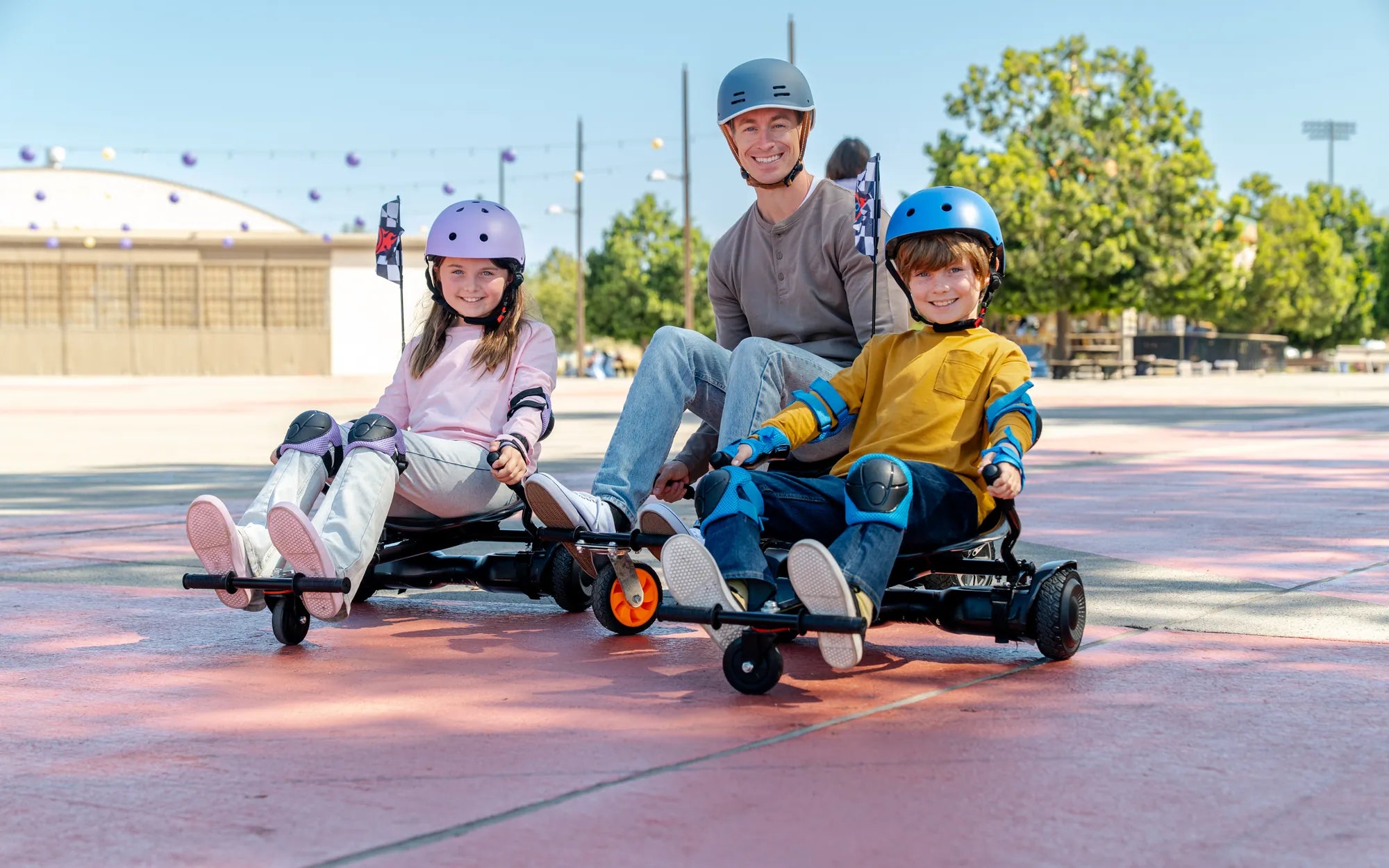
Your safety and the safety of those around you is the most important aspect of riding a 2 wheel self balancing scooter. Always wear appropriate protective gear. At a minimum, this includes a properly fitted helmet certified for cycling or skateboarding. Wrist guards, knee pads, and elbow pads are highly recommended, especially for beginners, as falls often involve putting hands out to brace.
Master the basics in a safe, controlled environment before taking to public paths. A flat, open, and smooth area like an empty parking lot or tennis court is ideal. Practice mounting, dismounting, gentle acceleration, braking, and making wide turns until they become second nature. Spend at least an hour in this beginner phase to build muscle memory and confidence.
Always be aware of and comply with local laws and regulations. These vary widely by city, state, and country. Some areas classify 2 wheel self balancing scooters as Personal Light Electric Vehicles (PLEVs) with specific rules regarding where they can be ridden (sidewalks vs. bike lanes), speed limits, and age restrictions. It is the rider's responsibility to know and follow these rules.
Proper maintenance is proactive safety. Regularly check tire pressure (for air-filled tires), inspect the body for cracks or damage, and ensure all lights are functional. Most importantly, follow the manufacturer's charging instructions: use only the provided charger, do not leave the unit charging unattended for extended periods or overnight, and store the device in a cool, dry place. A well-maintained 2 wheel self balancing scooter is a safe scooter.
The Road Ahead: Integration and Future Developments
The future of the 2 wheel self balancing scooter is tied to smarter urban planning and technological integration. As cities become more congested, micro-mobility solutions like these will be formally incorporated into public transit ecosystems. We can expect to see dedicated charging docks at transit stations and standardized parking zones, reducing clutter and making the 'last-mile' connection seamless and organized.
Technological advancements will continue to enhance the user experience and safety. Future models may incorporate more advanced sensors, such as LiDAR or simple cameras, for obstacle detection and collision avoidance. Connectivity will improve through enhanced app integration, offering features like ride tracking, theft deterrence via geofencing, and diagnostic health checks for the scooter's systems.
Battery technology is a key area for evolution. While current lithium-ion batteries are effective, the adoption of solid-state batteries in the coming years could offer significant improvements in energy density, charging speed, and safety. This would directly translate to longer ranges and shorter downtime for a 2 wheel self balancing scooter, making it viable for even longer commutes.
The core appeal of the 2 wheel self balancing scooter—its simplicity and intuitive control—will remain. However, its role will expand from a personal gadget to a recognized component of sustainable urban infrastructure. Brands that invest in durability, safety certifications, and rider education, like Gyroor, will lead this transition by providing products that municipalities and riders can trust for daily use.
Frequently Asked Questions (FAQ) About 2-Wheel Self-Balancing Scooters
Q: How long does it take to learn to ride a 2 wheel self balancing scooter?
A: Most adults can learn the basics—mounting, dismounting, going forward, and stopping—within 30 to 60 minutes of practice in a safe area. Mastering smooth turns and building confidence for public paths may take a few days of regular practice. The key is to start slowly and wear protective gear.
Q: What is the typical range and speed?
A> Range varies by model, battery capacity, rider weight, and terrain. Most consumer models offer a range between 8 and 15 miles on a single charge. Top speeds typically range from 7 to 12 MPH, which is ideal for sidewalk and bike lane travel. Always check the manufacturer's specifications for the specific model.
Q: Are they safe to ride in the rain?
A> This depends entirely on the scooter's water-resistance rating. Many low-cost models have no rating and can be dangerously damaged by water. Gyroor models with an IPX5 rating are designed to withstand water jets from any direction, making them safe for riding through puddles and in light rain. However, you should avoid deep standing water and submerging the unit.
Q: How do I maintain the battery for maximum lifespan?
A> Use only the official charger provided. Avoid draining the battery completely to 0%; try to recharge when it reaches 20-30%. Similarly, avoid leaving it plugged in at 100% for days on end. If storing the scooter for a long period (e.g., over winter), store it with a charge level between 50-70% in a cool, dry place.
Q: What is the weight limit for these scooters?
A> Weight limits are set by the motor power and structural design. Standard limits are usually between 220 lbs and 265 lbs. It is crucial to not exceed the manufacturer's stated maximum weight limit, as this can strain the motors, damage the frame, and pose a serious safety risk due to reduced performance and braking ability.
Embracing an Agile and Efficient Transportation Future
The 2 wheel self balancing scooter has firmly established itself as more than a passing trend; it is a logical and efficient response to the challenges of modern urban mobility. Its value lies in its ability to fill a specific niche with unparalleled effectiveness, offering a combination of portability, zero-emission operation, and intuitive control that larger vehicles cannot match. For short-distance travel, it is often the fastest and most convenient option available.
Choosing a reliable model from a brand that prioritizes engineering and safety is the critical step to unlocking this potential. With features like UL-certified batteries, IPX5 water resistance, and strong warranty support, Gyroor exemplifies the standards that make this technology a trustworthy choice for daily commuters and casual riders alike. The future of personal transportation is diverse, connected, and electric, and the 2 wheel self balancing scooter is a pivotal part of that ecosystem.
Ready to experience the future of personal mobility? Explore Gyroor's full lineup of reliable, safety-certified 2 wheel self balancing scooters, e-bikes, and electric scooters designed for every type of rider. Find the perfect model for your commute and lifestyle. Browse the full Gyroor collection at gyroorboard.com.
Electric Scooter for Kids 6 Year Old: The Ultimate Guide for Parents
Best Hoverboard for Kids: A Complete Guide to Choosing the Perfect Ride