



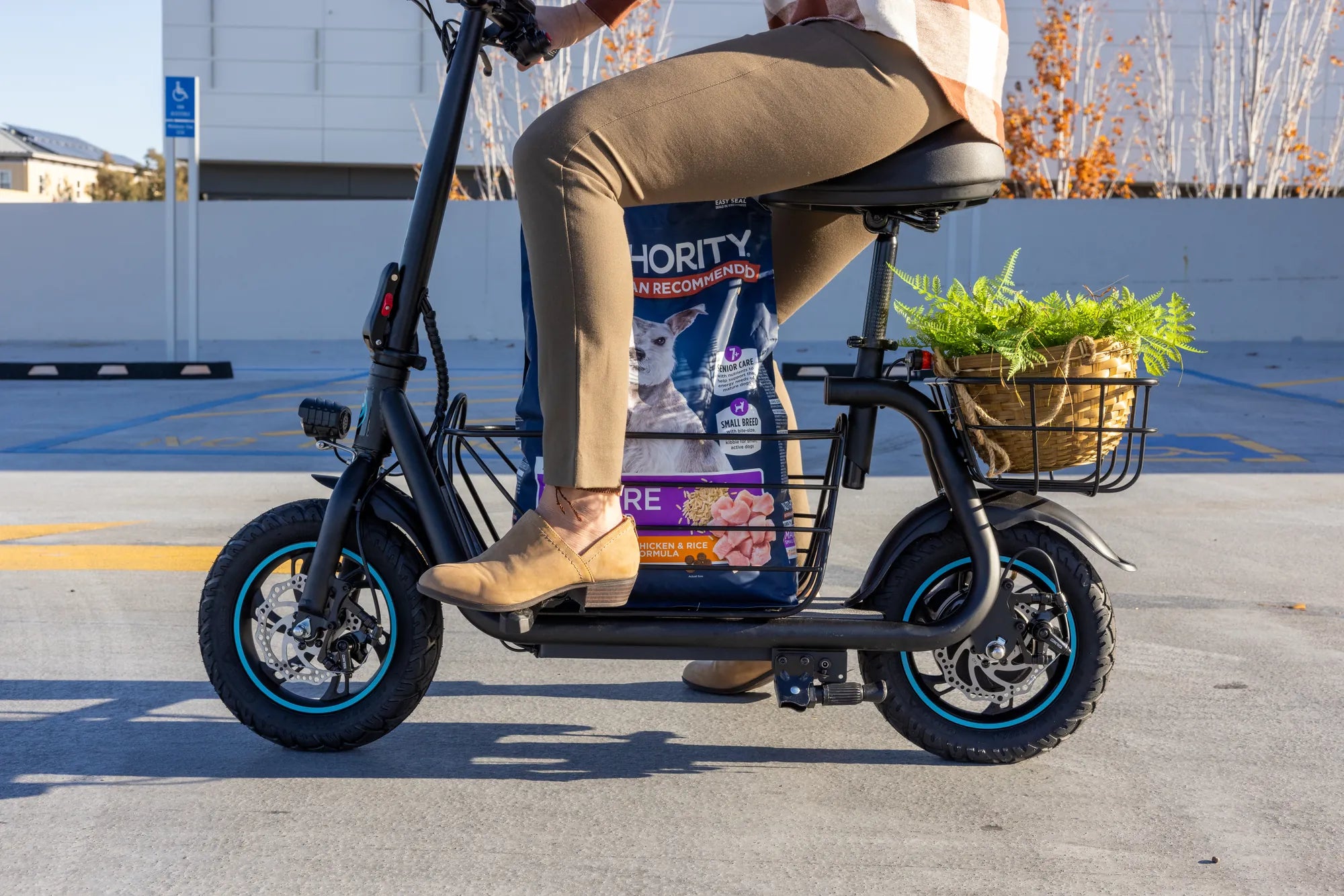
Introduction to the 200 Scooter Category
In the diverse world of electric scooters, the term 200 scooter has become shorthand for a specific class of lightweight, accessible personal transport. It primarily refers to models powered by a 200-watt motor, establishing a clear performance and use-case bracket. This article will dissect everything you need to know about the 200W electric scooter, from its core specifications and ideal riders to its practical advantages and inherent limitations. You'll learn how this category serves as a smart, affordable gateway to e-mobility, and why choosing a reputable brand with certified safety features is paramount, even at this entry level.
Key Features and Specifications of a 200W Electric Scooter
A 200 scooter is defined by a balance of modest power and practical design. Its specifications cater to efficiency and portability over raw speed or hill-climbing prowess. Understanding these specs is key to setting realistic expectations for your daily commute or casual rides.
Typical models weigh between 26 to 33 pounds (12-15 kg), making them among the easiest to carry and store. They almost universally feature a quick-folding mechanism, allowing for compact storage in an office, under a desk, or in a car trunk. The frame is commonly constructed from aerospace-grade aluminum alloy, offering a sturdy yet lightweight foundation.
The defining component, the 200W motor, is usually a brushless hub motor mounted in the rear wheel. This design is known for its reliability and low maintenance. Paired with this motor is a lithium-ion battery pack, typically rated at 36 volts with capacities ranging from 5.2Ah to 7.5Ah. This combination delivers a real-world performance envelope that suits specific urban environments perfectly.
Motor Power and Performance
A 200-watt motor provides enough thrust for comfortable travel on flat to moderately inclined terrain. In practical terms, this translates to a top speed of approximately 15 to 18 miles per hour (24-29 km/h) under optimal conditions—a pace that aligns well with casual cycling and many urban bike lane speed limits.
This power level is ideal for paved pathways, city streets with smooth asphalt, and college campuses. It provides a zippy, efficient ride for shorter distances without the complexity or cost of higher-wattage systems. However, it's crucial to understand that a 200W motor is not designed for challenging hills. It can manage gentle slopes, but grades steeper than 10% will significantly reduce speed and strain the motor.
Battery Life and Range
The range of a 200 scooter is directly tied to its battery capacity. With a standard 36V/5.2Ah (187Wh) battery, riders can expect a real-world range of 10 to 15 miles (16-24 km) on a single charge. This estimate is highly variable and depends on several key factors.
Rider weight, riding style (frequent acceleration and braking), terrain, and even ambient temperature can impact range. A lighter rider using a steady, moderate speed on flat ground will achieve the maximum range. For most users, this covers a round-trip commute of 3-5 miles each way, with a safety buffer. Charging time for these batteries typically ranges from 4 to 6 hours using a standard charger.
Portability and Build
Portability is the superpower of the 200 scooter category. Their sub-30-pound weight makes them genuinely manageable to carry up a flight of stairs or onto public transit. The one-click folding mechanism is a critical feature, allowing the scooter to collapse in seconds for easy storage.
This lightweight build does not necessarily mean flimsy. Reputable brands engineer these scooters with durability in mind. A reinforced folding latch, durable deck flooring, and reliable cable management are hallmarks of quality construction. The focus is on creating a robust product that can withstand the rigors of daily urban use without becoming a burden to transport.
Ideal Use Cases: Who is a 200 Scooter For?
The 200 scooter isn't a one-size-fits-all solution, but for the right user, it is a perfect fit. Its design philosophy targets specific lifestyles and commuting patterns where its strengths shine brightest.
It excels in environments where distance is limited, terrain is forgiving, and the priority is ease of use and transport. This makes it an excellent tool for solving the "last-mile" problem efficiently and enjoyably. By matching the scooter's capabilities to your daily needs, you ensure a satisfying and practical ownership experience.
The Urban Commuter
For the city dweller, a 200 scooter is a game-changer for multi-modal commuting. Imagine living a mile from the subway or bus stop. Walking takes 15-20 minutes; a 200 scooter cuts that to 5. It folds compactly, so you can easily bring it aboard during off-peak hours or store it at your workstation.
It's ideal for short trips to the grocery store, coffee shop, or local park without the hassle of parking a car or waiting for a ride-share. For commutes under 3 miles each way on relatively flat city streets, a 200W scooter offers a sweat-free, cost-effective, and fun alternative to walking or driving.
The Casual Rider and Student
Students on sprawling campuses are prime candidates for a 200 scooter. It allows them to zip from dorm to lecture hall to library faster than walking, without the expense and maintenance of a bicycle. Its light weight makes it easy to carry into buildings and store in a dorm room.
For recreational riders, it's a fantastic way to enjoy paved trails, boardwalks, and park paths. It provides enough speed for enjoyment but is manageable for beginners. It's also a great first electric scooter for teenagers (where local laws permit) or adults looking to dip their toes into personal electric mobility without a significant upfront investment.
Advantages and Limitations: A Balanced View
Choosing any vehicle involves trade-offs. A clear-eyed assessment of the pros and cons of a 200 scooter ensures you make an informed decision that aligns with your expectations and environment.
Its value proposition is compelling within a defined set of parameters. Understanding both its capabilities and its constraints is the key to long-term satisfaction. This balanced view prevents the disappointment that can come from expecting performance outside the product's design scope.
Advantages: Affordability, Lightweight, and Low Maintenance
The advantages of a 200 scooter are significant for its target audience. First is affordability. Entry-level models represent the most accessible price point in the electric scooter market, offering a low-risk introduction to e-mobility.
Second, its lightweight and portable nature cannot be overstated. The ease of carrying and storing a sub-30-pound vehicle is a major daily convenience that higher-powered, heavier scooters cannot match. Finally, low maintenance is a key benefit. With a simple brushless motor, solid tires (on many models to prevent flats), and fewer complex electronic systems, there are fewer components that can fail, leading to lower long-term upkeep costs and greater reliability.
Limitations: Hill Climbing and Speed
The primary limitations of a 200 scooter are directly related to its motor power. Hill climbing ability is modest. While it can handle gentle inclines, any significant hill will cause a drastic reduction in speed. In some cases, the rider may need to kick-scoot or dismount on steeper grades.
Speed is limited to the 15-18 mph range. This is perfectly adequate for bike lanes and shared paths but may feel slow if you're used to cycling at higher speeds or need to keep pace with faster traffic on certain road segments. Additionally, the range is suited for shorter trips. Riders with a daily commute exceeding 15 miles round-trip will likely find themselves needing to charge at their destination or considering a model with a larger battery.
Why Safety and Certification Matter (Featuring Gyroor's Standards)
In the entry-level scooter market, safety and build quality are where reputable brands truly distinguish themselves from generic alternatives. Cutting corners on battery technology or water resistance compromises not just performance, but user safety. This is where Gyroor's engineering principles set a benchmark for the 200 scooter category.
As a leading electric scooter and e-bike brand trusted by over 100,000 riders across North America and Europe, Gyroor applies high safety standards across its entire lineup, including its accessible models. These are not just marketing terms; they are critical design specifications that impact the longevity and safety of your scooter every day.
The Importance of a UL-Certified Battery
The battery is the heart of an electric scooter and its most critical safety component. Uncertified, low-quality lithium-ion batteries can pose serious fire risks due to thermal runaway. Gyroor exclusively uses UL-certified battery packs that have undergone rigorous testing for safety, reliability, and longevity.
These batteries are tested for over 500 charge cycles, ensuring they retain capacity over years of use. This certification means the battery management system (BMS) properly protects against overcharging, short-circuiting, and overheating. For peace of mind, especially when charging at home or in an office, a UL-certified battery is a non-negotiable safety feature.
Build Quality for Real-World Conditions: IPX5 Water Resistance
Urban riding means encountering puddles, wet roads, or unexpected light rain. A scooter without proper water resistance can suffer electrical failures or corrosion. Gyroor builds its scooters with an IPX5 water-resistant rating.
This engineering standard means the scooter's electrical components can withstand water jets from any direction. It doesn't make the scooter submersible, but it provides robust protection against splashes from wheels and rain, greatly enhancing its durability and all-weather usability. This practical feature extends the scooter's lifespan and ensures reliability in daily commuting conditions.
The Value of a Reliable Warranty and Support
A warranty is a promise of quality and a safety net for your investment. Many generic scooters offer limited or confusing warranties with support that is difficult to access. Gyroor backs its products with a comprehensive 1-year warranty covering the motor, battery, controller, and frame.
This warranty is supported by a customer service team based in North America, ensuring responsive support and readily available parts. This commitment to post-purchase support protects your investment and stands in stark contrast to the disposable nature of some unbranded alternatives. It’s a key indicator of a brand that stands behind the long-term reliability of its products.
Making the Right Choice: 200W vs. Higher-Powered Models
Deciding between a 200 scooter and a more powerful model hinges on a honest assessment of your daily needs. The following comparison table and decision factors will help clarify which category is optimal for your lifestyle and terrain.
| Feature / Factor | 200W Scooter | 350W+ Scooter (e.g., Gyroor F1 Pro) |
|---|---|---|
| Motor Power | 200W | 350W - 500W+ |
| Top Speed | 15-18 mph | 19-25+ mph |
| Max Range | 10-15 miles | 18-25+ miles |
| Hill Climbing | Struggles with >10% grade | Handles moderate hills (15-20% grade) |
| Weight | 26-33 lbs (Lightweight) | 35-45 lbs (Heavier) |
| Portability | Excellent, easy to carry | Good, but carrying is more taxing |
| Ideal For | Flat urban commutes < 3mi, students, casual use | Longer commutes, hilly cities, riders seeking speed |
| Price Point | Entry-level / Most Affordable | Mid-range to Premium |
Decision Factors: Terrain, Distance, and Rider Needs
Use this simple checklist to guide your decision. A 200 scooter is likely perfect for you if: Your daily route is primarily flat with no major hills; Your one-way commute is 3 miles or less; Your top priority is light weight and easy portability (e.g., carrying onto a bus); Your budget is focused on finding the most affordable reliable entry point.
You should consider a 350W+ model if: Your route includes consistent inclines or hills; Your daily commute exceeds 5 miles one-way; You frequently ride in bike lanes and want to keep pace with faster traffic (cyclists or other scooters); You are a heavier rider (over 220 lbs) where extra torque is beneficial; You are willing to trade some portability for increased performance and range.
Frequently Asked Questions (FAQ)
Q: Can a 200W scooter handle hills?
A: A 200 scooter is designed for flat to gently rolling terrain. It can manage slopes up to about a 10% grade, but speed will drop significantly. For consistent hill climbing, a motor of 350W or more is recommended.
Q: How long does the battery take to charge fully?
A: Charging time depends on battery capacity. For a typical 36V/5.2Ah battery found in many 200W scooters, a full charge from empty takes approximately 4 to 6 hours using the included standard charger.
Q: Is it legal to ride a 200 scooter on sidewalks or bike lanes?
A: Laws vary widely by city, state, and country. Generally, electric scooters are prohibited on sidewalks and must be ridden in bike lanes or on the road where bike lanes are unavailable. Always check your local regulations before riding. Most jurisdictions have speed and power limits; a 200W scooter often falls within permitted ranges.
Q: What is the maximum weight capacity for a typical 200 scooter?
A: Most 200W scooters have a maximum rider weight capacity of 220 to 265 pounds (100-120 kg). It's important to not exceed this limit as it affects safety, performance, and battery range.
Q: How does Gyroor's warranty and support process work?
A> Gyroor offers a 1-year warranty covering manufacturing defects in the motor, battery, controller, and frame. The process is straightforward: customers contact the support team via email or the website. For issues covered under warranty, Gyroor typically provides troubleshooting guidance and, if needed, ships replacement parts directly to the customer. Their US-based support team aims for responsive service to ensure minimal downtime for riders.
Conclusion: The Smart Entry into E-Mobility
The 200 scooter represents a compelling and practical gateway to electric personal transportation. It offers an affordable, lightweight, and low-maintenance solution perfectly tailored for short urban commutes, campus travel, and casual recreation on flat terrain. By understanding its focused capabilities—and respecting its limitations on hills and longer distances—riders can unlock a new level of daily convenience and fun.
The critical takeaway is that "entry-level" should never mean compromising on core safety and reliability. Choosing a brand like Gyroor, which commits to UL-certified batteries, IPX5 water resistance, and a solid 1-year warranty even for its most accessible models, ensures your first step into e-mobility is built on a foundation of trust and durability. This approach transforms a simple purchase into a reliable, long-term mobility solution.
Ready to explore a 200 scooter that doesn't cut corners on safety or quality? Browse the full Gyroor collection, including reliable and well-engineered entry-level models, at gyroorboard.com.
What is the Fastest Dirt Bike Brand? An Engineering & Data Analysis
Tricycle for 4 Year Old Boy: The Ultimate 2024 Safety & Fit Guide