


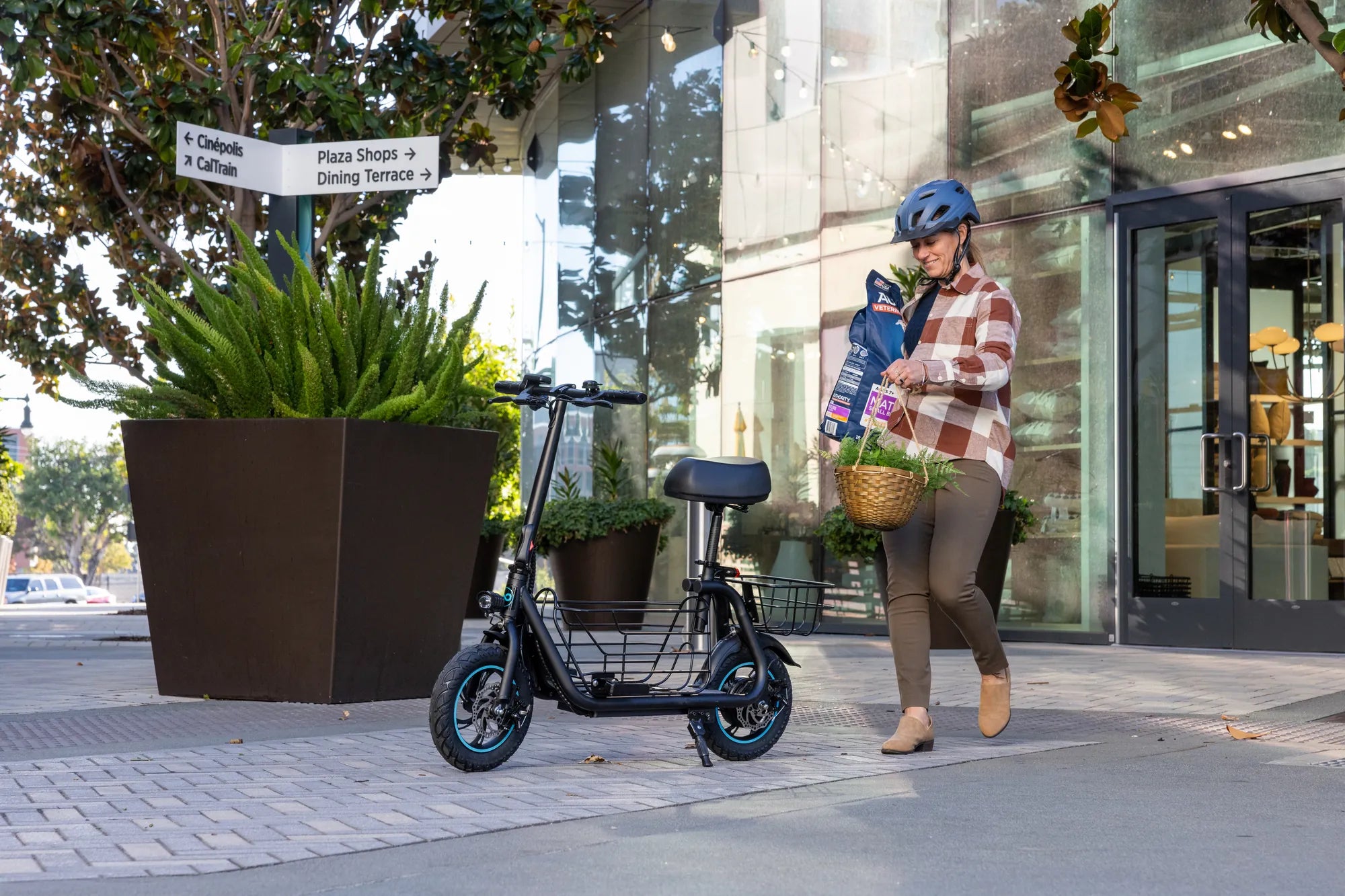
Introduction: The 250cc Scooter – The Perfect Balance of Power and Practicality
For adult riders seeking a significant upgrade, the 250cc scooter for adults represents a compelling sweet spot in personal transportation. It delivers a substantial leap in power and capability from popular 50cc or 150cc models without venturing into the bulk, cost, and complexity of maxi-scooters or full-sized motorcycles. This category is engineered for the practical rider who needs confident highway merging, ample storage for daily tasks, and a stable, comfortable platform for longer commutes.
Understanding the nuanced needs of riders across all segments is fundamental, whether they choose gas or electric propulsion. While brands like Gyroor specialize in advanced electric mobility solutions, the principles of utility, reliability, and rider-focused design remain universal. The modern 250cc scooter for adults is a vehicle that demands a standard motorcycle license, positioning it as a serious and versatile tool for modern urban and suburban life.
This guide will dissect every aspect of owning a 250cc scooter. We will explore its key benefits, compare it objectively to other transport forms, and provide a detailed framework for making your purchase decision. By the end, you'll have a clear, data-driven understanding of whether a 250cc scooter aligns with your lifestyle as an adult rider.
Why Choose a 250cc Scooter? Key Benefits for Adult Riders
The decision to opt for a 250cc scooter is driven by tangible, practical advantages that address common limitations of smaller-displacement models. For an adult, this isn't about mere recreation; it's about efficient, capable, and reliable transportation. The 250cc scooter for adults solves specific problems encountered in daily use, from battling fast-moving traffic to carrying a week's worth of groceries.
These machines bridge a critical gap. They offer enough performance for sustained highway travel while retaining the inherent convenience of a scooter's step-through design and automatic transmission. This combination is uniquely suited to riders who have outgrown the constraints of a 150cc scooter but do not want the commitment of a manual-shift motorcycle. The value proposition is clear: maximum utility with manageable size and cost.
Power and Performance for Real-World Use
A 250cc engine provides a definitive power advantage. Where a 150cc scooter might struggle to maintain 55 mph on an incline or against headwinds, a modern 250cc scooter for adults can comfortably cruise at 65-75 mph. This translates to confident acceleration for merging onto freeways and safer overtaking on multi-lane roads. The power reserve means the engine isn't constantly strained at top speed, which can contribute to better long-term reliability.
The performance is delivered via a Continuously Variable Transmission (CVT), offering seamless, automatic acceleration without any gear shifting. This makes the 250cc scooter exceptionally easy to ride in stop-and-go traffic, reducing rider fatigue. The focus is on accessible, usable power that enhances real-world mobility rather than peak horsepower figures meant for the track.
Enhanced Stability and Safety
Increased displacement typically comes with a larger physical footprint. A 250cc scooter for adults generally features a longer wheelbase and larger diameter wheels (often 13 or 14 inches) compared to the smaller wheels on 50cc models. This geometry dramatically improves high-speed stability and ride comfort. Larger wheels roll over road imperfections, potholes, and expansion joints more smoothly, providing better control and a more planted feel.
This inherent stability is a critical safety feature. It inspires confidence when riding at highway speeds or in crosswinds. Furthermore, the added weight (usually 300-400 lbs wet) contributes to a more substantial feel on the road. Coupled with more powerful braking systems, often with combined braking systems (CBS) or optional anti-lock brakes (ABS), the 250cc platform offers a safer, more controlled riding experience suitable for an adult's diverse riding conditions.
Utility and Storage Capacity
Practicality is a cornerstone of the scooter ethos, and the 250cc class excels here. The under-seat storage compartment is significantly larger than on smaller scooters, often capable of swallowing two full-face helmets. This secure, lockable storage is invaluable for daily errands, allowing you to store a laptop bag, a jacket, or a full load of groceries out of sight.
Beyond the underseat compartment, utility is enhanced by built-in hooks for hanging bags, and most models have robust accessory ecosystems. You can easily add a top case, a windshield for weather protection, and heated grips for colder climates. This transformability makes a single 250cc scooter for adults viable for commuting, touring, and running errands, effectively replacing a car for many urban and suburban trips.
250cc Scooter vs. Other Options: A Data-Driven Comparison
Choosing the right vehicle requires understanding its position in the broader landscape. The 250cc scooter for adults occupies a unique niche, and comparing it to common alternatives highlights its specific strengths and ideal use cases. This objective, data-driven analysis helps clarify where it shines and where other options might be more appropriate.
We will examine three key comparisons: against the popular 150cc scooter, against modern electric alternatives like e-bikes and e-scooters, and against traditional motorcycles. Each comparison focuses on metrics that matter to adult riders: capability, cost, convenience, and licensing requirements.
250cc vs. 150cc Scooters
The jump from 150cc to 250cc is one of the most significant upgrades a rider can make. While a 150cc scooter is perfectly adequate for city streets with lower speed limits, its limitations become apparent on faster roads. A 250cc scooter for adults unlocks true highway viability. The table below summarizes the key differences:
| Feature | 150cc Scooter | 250cc Scooter for Adults |
|---|---|---|
| Top Speed | ~55-60 mph | ~75-85 mph |
| Highway Viability | Limited, short stints only | Good for sustained travel |
| Acceleration | Adequate for city traffic | Confident for merging/overtaking |
| Physical Size/Weight | Lighter, more nimble in tight spaces | Larger, more stable at speed |
| Storage Capacity | Often fits one helmet | Often fits two full-face helmets |
| Typical Price Point | Lower | Moderately Higher |
The choice hinges on route. If your commute is purely on city streets under 45 mph, a 150cc may suffice. However, if your journey involves any regular highway travel, the 250cc scooter for adults is the minimum recommended displacement for safe and stress-free riding.
250cc Scooters vs. Electric Alternatives (Like Gyroor E-Bikes/Scooters)
This comparison pits internal combustion against electric drive, each with distinct advantages. A 250cc gas scooter offers extended range and refueling speed, while electric options like those from Gyroor provide exceptional low-cost operation, minimal maintenance, and zero direct emissions.
For the urban adult, an electric scooter or e-bike with a UL-certified battery and IPX5 water-resistant design offers a compelling, eco-conscious solution for short to medium commutes. Operational costs are a fraction of gasoline, and home charging is incredibly convenient. However, for riders regularly needing to travel 50+ miles at sustained highway speeds without a charging break, the energy density of gasoline and the five-minute refuel stop of a 250cc scooter for adults remains advantageous.
It's a trade-off between upfront cost, operational cost, and use-case. Electric excels in defined urban ranges with access to charging. The 250cc gas scoter provides greater freedom for unplanned, longer-distance travel without range anxiety.
250cc Scooters vs. Motorcycles
The core difference is design philosophy. Motorcycles are generally built for performance and engagement, often featuring manual transmissions. Scooters, including the 250cc scooter for adults, are built for convenience and utility, featuring automatic CVTs and step-through frames.
Scooters offer integrated storage, a weather-protected leg area, and typically a more upright, comfortable seating position. Motorcycles often require adding expensive luggage and offer less protection from the elements. For a commuting adult prioritizing ease of use, storage, and simple operation in traffic, the scooter format is often more practical. The motorcycle may offer more power and sportier handling for the enthusiast, but often at the expense of everyday utility.
Critical Factors to Consider Before Buying a 250cc Scooter
Purchasing a 250cc scooter for adults is a significant decision that extends beyond selecting a model you like. It involves legal, financial, and practical considerations that must align with your lifestyle. A thorough evaluation of these factors ensures your new scooter is a source of joy, not unexpected complication.
Prospective owners must look past marketing and examine the realities of licensing, intended use, and the specific features that impact daily riding. This section provides a structured framework for your pre-purchase research, helping you ask the right questions and identify the scooter that truly fits your needs as an adult rider.
Licensing, Insurance, and Legal Requirements
This is the most critical first step. In nearly all jurisdictions in the US and Europe, a 250cc scooter for adults requires a standard motorcycle license (often called an M1 endorsement or Class M license). You cannot operate it with a standard car driver's license or a moped/scooter permit designed for sub-50cc models. The process involves passing a written knowledge test and a practical riding skills test, usually after completing a Motorcycle Safety Foundation (MSF) course, which is highly recommended.
Insurance is mandatory. Premiums for a 250cc scooter are generally lower than for a 600cc sport motorcycle but higher than for a 50cc model due to the increased speed and potential risk. Factors like your age, driving record, location, and the scooter's theft rate will affect your quote. Always budget for insurance as a key component of your total ownership cost.
Intended Use Case: Commuting, Touring, or Recreation?
Your primary use should dictate your feature priorities. A pure commuter should prioritize fuel efficiency, storage (for a briefcase/lunch), weather protection like a large windshield, and comfort for daily wear-and-tear. Look for models with easy-to-read instrument clusters and practical hook points.
If touring or longer recreational rides are the goal, focus on comfort over distance: a plush seat, good wind protection, and the ability to add a top case for luggage. Sportier riders might prioritize models with sharper handling and stronger brakes. Being honest about your 80% use case will guide you to the right 250cc scooter for adults within this category, which can vary from sleek, sporty models to more touring-oriented maxi-scooter styles.
Key Features and Specifications to Scrutinize
Look beyond engine size. Key specs directly impact safety, comfort, and cost of ownership. Braking systems are paramount: Anti-lock Braking Systems (ABS) prevent wheel lock-up during hard braking, a significant safety advantage, especially on wet roads. A Combined Braking System (CBS) links the front and rear brake levers to some degree, improving stability.
Examine wheel and tire size. Larger wheels (14" vs. 12") generally offer better stability and ride comfort. Check the seat height; it should allow you to place both feet flat on the ground for confidence at stops. Fuel capacity determines range; a 3-gallon tank at 70 mpg gives a ~210-mile range. Finally, investigate the availability and cost of essential accessories like cargo racks, taller windshields, and engine guards.
Top Considerations for Maintenance and Ownership Costs
Owning a 250cc scooter for adults is more affordable than a car, but it is not maintenance-free. Understanding and budgeting for the ongoing costs of service, fuel, and depreciation is essential for a positive ownership experience. Setting realistic expectations prevents surprises and ensures your scooter remains reliable and safe for years to come.
These costs are generally predictable and manageable, especially if you perform basic maintenance yourself. However, neglecting them can lead to expensive repairs and compromised safety. A disciplined approach to maintenance is a hallmark of a responsible adult rider.
Routine Maintenance Schedule
Adherence to the manufacturer's maintenance schedule is non-negotiable. Key recurring services include engine oil and filter changes, typically every 3,000-4,000 miles. The CVT drive belt and rollers need inspection and replacement at longer intervals (often 12,000-15,000 miles). Air filter cleaning/replacement, brake pad inspection, and brake fluid changes (usually every 2 years) are also critical.
Tire pressure should be checked weekly, as under-inflated tires affect handling, stability, and wear. Tire replacement intervals depend on riding style and road conditions, but expect to replace them every 5,000-8,000 miles. Keeping a log of all services not only maintains the scooter's health but also enhances its resale value.
Understanding Fuel Economy and Range
One of the major appeals of a 250cc scooter for adults is excellent fuel economy. Most models achieve between 60 and 80 miles per gallon (MPG). To calculate your real-world range, multiply the fuel tank capacity (e.g., 3.0 gallons) by a conservative MPG estimate (e.g., 65). This gives you a practical range of about 195 miles between fill-ups.
Operational cost per mile is strikingly low. At $3.50 per gallon and 70 MPG, the fuel cost is 5 cents per mile. Compare this to a car averaging 25 MPG at the same fuel price (14 cents per mile). This efficiency translates to substantial annual savings for a daily commuter, often enough to justify the scooter's purchase price within a few years.
Reliability and the Importance of Warranty & Support
Researching brand and model reliability through owner forums and professional reviews is time well spent. A reliable 250cc scooter for adults should offer years of trouble-free service with proper maintenance. The availability of a strong dealer network for parts and service is a major advantage, reducing downtime if repairs are needed.
The manufacturer's warranty is your safety net. A comprehensive warranty covering the powertrain for at least one year is standard. When evaluating support, consider the standard of care offered. For instance, in the electric mobility sector, Gyroor ensures peace of mind for its riders with a 1-year comprehensive warranty and US-based customer support—a benchmark for post-purchase care that you should seek in any vehicle purchase, gas or electric.
Frequently Asked Questions (FAQ) About 250cc Scooters
Prospective buyers often have specific, practical questions. This FAQ addresses the most common queries with clear, direct answers to aid in the decision-making process.
Q: Is a 250cc scooter fast enough for the highway?
A: Yes. A modern 250cc scooter for adults is designed for highway use. It can typically maintain speeds of 65-75 mph comfortably, making it suitable for commuting that includes short to moderate highway stints. It has the acceleration needed for safe merging and passing.
Q: What kind of license do I need for a 250cc scooter?
A: You will need a full motorcycle license (M1/M endorsement). It exceeds the engine size limits for a "moped" or scooter permit in virtually all regions. You must pass both a written and on-bike skills test, often facilitated by taking an MSF rider course.
Q: How does the storage compare to a motorcycle?
A: Scooters generally offer far superior integrated storage. The under-seat compartment on a 250cc scooter for adults is a defining feature, often large enough for two full-face helmets—storage that is absent on most standard motorcycles unless you add aftermarket saddlebags or a top case at extra cost.
Q: Are 250cc scooters expensive to insure?
A: Insurance costs are typically lower than for a sport motorcycle of similar displacement but higher than for a 50cc scooter. Due to their practical nature and less powerful acceleration compared to sport bikes, they are often viewed more favorably by insurers. Your personal profile will have the greatest impact on the final premium.
Q: Can I carry a passenger on a 250cc scooter?
A: Most 250cc scooters are designed for two-up riding, featuring a two-person seat and passenger footpegs. However, performance will be affected with the added weight, especially acceleration and hill-climbing ability. Always check the manufacturer's specified gross vehicle weight rating and ensure both you and your passenger have appropriate safety gear.
Conclusion: Finding Your Ideal Ride
The 250cc scooter for adults stands as a powerful testament to practical, efficient mobility. It is a vehicle that demands respect and a proper license, rewarding the rider with highway capability, exceptional utility, and low running costs. For the adult whose transportation needs blend city errands with suburban commuting, it represents one of the most rational and enjoyable solutions on the road.
Your journey should involve honest assessment: map your routes, calculate true costs, and prioritize the features that match your daily life. The most important step is to take a test ride. Feel the stability, test the storage with your helmet, and experience the accessible power firsthand. This practical verification is irreplaceable.
Ultimately, personal transportation is about choice and fit. For many adults focused on urban efficiency, environmental consciousness, and minimal upkeep, the convenience of electric mobility presents a compelling alternative. Brands like Gyroor cater to this need with a lineup of electric scooters and e-bikes featuring UL-certified batteries, IPX5 water-resistance, and robust 1-year warranties—offering a different path to freedom on two wheels. Whichever technology you choose, prioritize quality, safety, and support.
Ready to explore modern, efficient personal transportation? Browse the full Gyroor collection of electric scooters and e-bikes at gyroorboard.com.
Mini Trike 3 Wheeler: The Ultimate Guide to Stable, Electric Fun
I Need a Scooter: The Complete Guide to Choosing Your Perfect Ride