


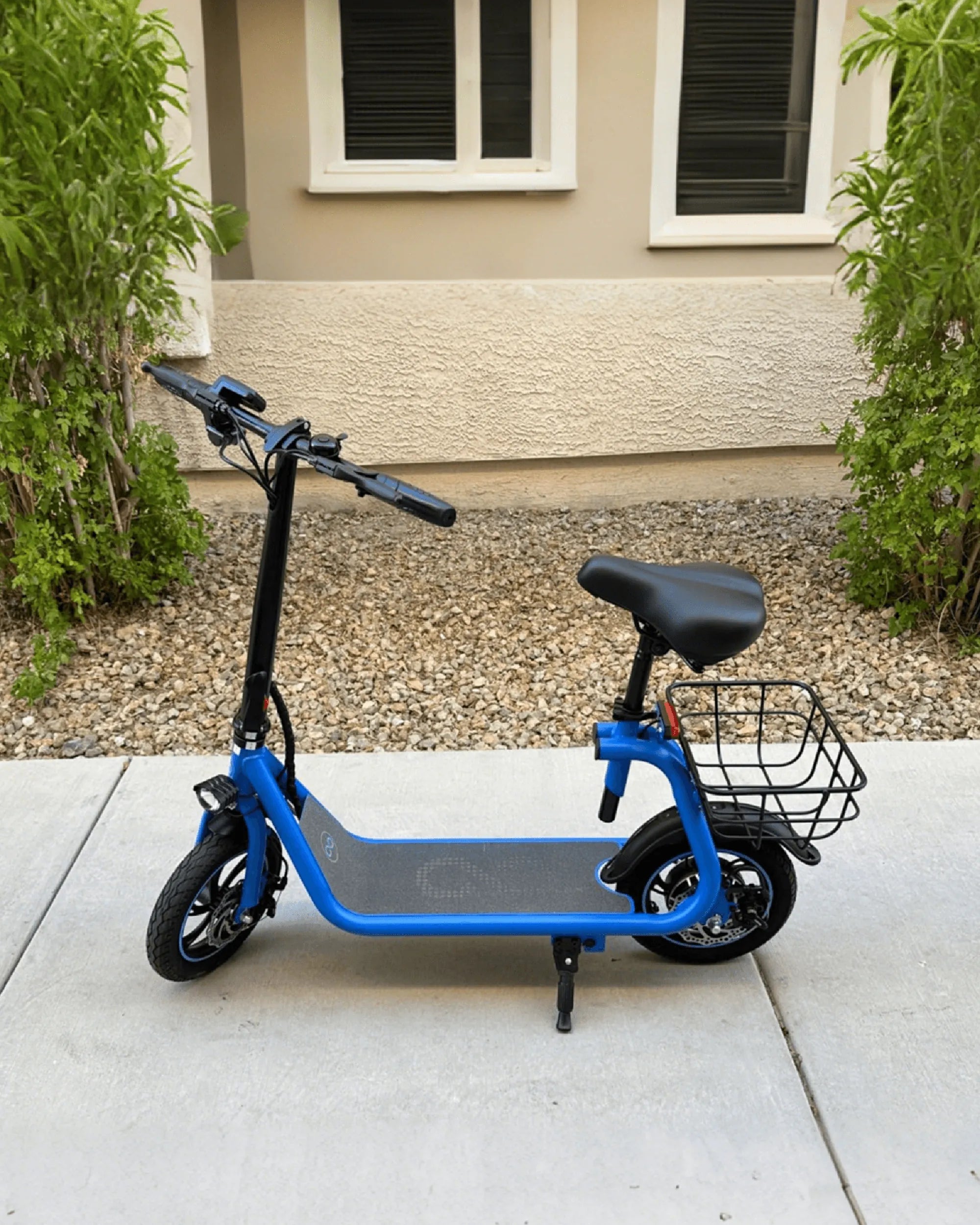
The Rise of the Mini Trike 3 Wheeler
The personal electric vehicle landscape is evolving beyond two wheels. The mini trike 3 wheeler has emerged as a revolutionary category, answering the demand for stability, comfort, and practicality in compact urban transport. This vehicle blends the fun of electric propulsion with the inherent confidence of a three-point stance, making it accessible to a far broader audience than traditional scooters or e-bikes. For commuters, recreational riders, and those seeking a car-alternative for short trips, the mini trike offers a compelling solution that prioritizes safety without sacrificing enjoyment.
Its growing popularity is driven by a fundamental shift in how we view micro-mobility. It's no longer just for the agile and balance-confident. The mini trike 3 wheeler democratizes electric riding by removing the primary barrier: the need to balance. This opens the door for more people to experience efficient, eco-friendly travel. Whether navigating city streets, cruising park paths, or running local errands, this vehicle category is redefining convenience on a smaller, smarter scale.
The market has responded with a variety of models, but not all are created equal. As with any personal electric vehicle, critical differences in battery safety, build quality, and manufacturer support separate a reliable investment from a potential hazard. This guide will equip you with the knowledge to navigate those differences. We will delve into the technical specifications that matter, the user profiles that benefit most, and the non-negotiable safety standards you must look for.
By the end of this article, you will understand exactly what a mini trike 3 wheeler is, who it's for, and how to select a model that delivers years of dependable service. The goal is to move you from curiosity to informed confidence, ensuring your entry into three-wheeled electric mobility is both thrilling and secure.
What is a Mini Trike 3 Wheeler? Defining the Category
A mini trike 3 wheeler is a compact, electrically powered vehicle characterized by its three-wheeled configuration and seated riding position. It is designed for low to moderate speeds, typically between 15 and 20 miles per hour, focusing on stability and ease of use over high-performance sport riding. The core design principle is a stable triangular wheelbase, with two wheels at the rear and one at the front, or vice versa, which eliminates the need for the rider to balance while stationary or in motion.
This design fundamentally distinguishes it from other personal electric vehicles. Unlike stand-up electric scooters, it provides a comfortable seat. Unlike traditional e-bikes, it requires no balancing skill, making it immediately accessible. It is also distinct from larger, full-sized mobility scooters or e-trikes, as it emphasizes portability, lighter weight, and a more recreational or utilitarian commuter focus rather than pure medical assistance. The "mini" designation refers to its relatively small footprint and weight, often featuring folding mechanisms for easy storage in a car trunk or apartment.
The typical mini trike 3 wheeler includes a step-through or saddle-style seat, a handlebar for steering, a battery pack (usually mounted under the seat or in the frame), a hub motor in one or more wheels, and a simple control interface with a throttle and brake levers. Many models incorporate practical features like a front basket, rear cargo rack, or integrated storage, underscoring their role as practical tools for daily tasks.
Understanding this definition is crucial for setting realistic expectations. This is not a highway-capable vehicle but a first-and-last-mile solution, a neighborhood cruiser, and a stable platform for enjoying the outdoors. Its value proposition is anchored in accessibility, stability, and everyday utility.
Key Design Features and Benefits
The three-wheeled design delivers a suite of inherent benefits that directly address common pain points with two-wheeled alternatives. The most significant advantage is enhanced stability. The triangular wheelbase provides a stable platform that does not tip over when stopped, making it ideal for riders of all skill levels, including those who may lack confidence on a bicycle. This stability also inspires confidence at low speeds and on uneven surfaces.
A lower center of gravity, achieved by mounting the battery low in the frame, further enhances handling and safety. This design, combined with the seated position, creates a planted, secure riding feel. The seated position itself is a major benefit, offering superior comfort for longer rides compared to standing on a scooter. It reduces fatigue and makes the mini trike 3 wheeler suitable for a wider range of ages and physical abilities.
Practicality is another cornerstone. The stable frame can support additional cargo capacity. Many models come equipped with a front wire basket or a rear rack, allowing riders to easily carry groceries, a backpack, or other personal items. This transforms the vehicle from a mere toy into a legitimate tool for completing errands without a car. The compact size and potential for folding also make it highly portable and easy to store, solving the "where do I put it?" problem common with larger e-bikes.
These features—stability, comfort, and utility—combine to create a vehicle with a uniquely broad appeal. It serves as a gateway to electric mobility for those hesitant about balance, a practical commuter solution, and a purely fun recreational device, all in one package.
Who is the Mini Trike 3 Wheeler For? Target User Profiles
The versatility of the mini trike 3 wheeler makes it suitable for several distinct user groups. Urban and suburban commuters form a primary demographic. For individuals facing short commutes, congested traffic, or expensive parking, a mini trike offers a cost-effective, efficient, and enjoyable alternative. It can seamlessly connect home to a train station, navigate college campuses, or serve as the primary vehicle for trips under 5-10 miles, all while avoiding the physical exertion of a traditional bicycle.
Recreational riders represent another large segment. The stability and comfort make it perfect for leisurely rides along beach boardwalks, through parks, or on paved trail systems. It's an activity the whole family can enjoy, provided weight and age limits are observed. For those who love being outdoors but may find a standard bike uncomfortable or intimidating, the mini trike 3 wheeler opens new avenues for exploration and fun.
A significant audience is seniors and individuals seeking extra stability. The aging population often looks for ways to maintain mobility and independence without the risks associated with two-wheeled vehicles. The mini trike provides a safe, stable platform for getting fresh air, visiting neighbors, or doing light shopping. It's also an excellent option for anyone with minor balance concerns or those recovering from injuries who still want to be active.
Finally, eco-conscious consumers and local shoppers benefit greatly. The vehicle produces zero direct emissions and has a minimal carbon footprint compared to a car. It's ideal for quick trips to the farmers market, library, or local store, reducing reliance on fossil fuels for short journeys. For this user, the cargo-carrying capacity is a key feature, turning the mini trike into a practical tool for sustainable living.
Critical Factors to Consider Before Buying
Selecting the right mini trike 3 wheeler requires careful evaluation of several technical and practical factors. A data-driven approach ensures your purchase aligns with your specific needs, terrain, and usage patterns. Prioritizing these elements will lead to greater satisfaction and a longer-lasting vehicle.
Motor Power & Speed: Matching Performance to Need
Motor power, measured in watts (W), directly influences a trike's capability. Common ratings range from 350W to 500W for most mini trikes. A 350W motor is sufficient for flat terrain and lighter riders, providing adequate acceleration and a top speed around 15 mph. For riders over 180 pounds, or those who encounter moderate hills, a 500W motor is a wiser choice, offering better torque for climbing and often a slightly higher top speed, up to 20 mph.
It's vital to match the motor to your local geography. If your regular route includes any inclines, opting for higher wattage prevents the motor from straining and ensures a consistent, enjoyable ride. Remember, the added weight of cargo or a passenger must also be factored into this calculation. Underpowering a trike leads to poor performance and potential premature motor failure.
Battery Range & Charging: Planning Your Journeys
Battery capacity, typically listed in ampere-hours (Ah) or watt-hours (Wh), determines your real-world range. A standard mini trike 3 wheeler might have a 10Ah or 12Ah battery. In practice, expect a range of 15 to 25 miles on a single charge under ideal conditions (flat terrain, moderate speed, average rider weight). Variables like hills, headwinds, frequent stops/starts, and colder temperatures can reduce this range by 20-40%.
Charging time is another practical consideration. Most batteries require 4 to 6 hours for a full charge from empty. Planning your usage around this charging cycle is important. For commuters, this means plugging in as soon as you arrive at your destination. The most critical aspect of the battery, however, is its safety certification, which we will address in a dedicated section.
Build Quality, Weight Capacity & Portability
Frame material is a key indicator of durability and weight. Aluminum alloy frames offer an excellent strength-to-weight ratio, resisting rust and keeping the overall trike weight manageable, often between 50 and 70 pounds. Check the maximum load capacity, which usually ranges from 220 to 300 pounds. Exceeding this limit stresses the frame, motor, and battery, compromising safety and longevity.
Weather resistance is crucial for a vehicle used outdoors. An IPX5 water-resistant rating is a significant differentiator. This means the trike's electrical components can withstand water jets from any direction, protecting it from rain, puddles, and routine cleaning. For portability, examine the folding mechanism—if one exists. A well-designed, robust folding system is essential for easy storage in tight spaces or transport in a vehicle.
Safety Features and Legal Compliance
Basic safety features are non-negotiable. These include a bright front headlight and a rear taillight/brake light for visibility in low-light conditions. Reflectors on the wheels and frame add another layer of safety. The braking system is paramount; look for a combination of electronic braking (which uses the motor to slow down) and a mechanical brake (disc or drum) on at least one wheel for reliable stopping power.
Legal compliance varies by jurisdiction. In most areas, low-speed electric vehicles with a top speed under 20 mph are classified similarly to bicycles and can be used in bike lanes and on multi-use paths. However, they are typically not legal on sidewalks or public roads with speed limits over 25-35 mph. It is the rider's responsibility to check state and local regulations regarding helmet laws, minimum age, and approved riding areas before purchasing and riding a mini trike 3 wheeler.
Why Trust Matters: The Gyroor Advantage in 3-Wheeled Design
In a market flooded with generic options, the brand behind your mini trike 3 wheeler is not a minor detail—it's a cornerstone of safety, reliability, and long-term value. Gyroor, a leading electric scooter and e-bike brand trusted by over 100,000 riders across North America and Europe, applies its rigorous engineering standards to the trike category. Choosing a brand with a proven track record means investing in peace of mind, backed by specific, measurable advantages.
Gyroor's approach is defined by a commitment to certified safety, real-world durability, and comprehensive customer support. These principles translate directly into product features that protect your investment and your well-being. When evaluating any mini trike, these are the benchmarks to look for, as they are often the first corners cut by lesser-known manufacturers.
UL-Certified Battery Safety: Your #1 Priority
The battery is the heart and most critical safety component of any electric vehicle. Gyroor equips its vehicles exclusively with UL-certified lithium-ion battery packs. This certification from Underwriters Laboratories means the battery has passed extensive independent testing for electrical, mechanical, and environmental safety, including overcharge, short circuit, and crush tests.
This is non-negotiable for a vehicle that will be charged in your home or garage. Non-certified batteries pose a significant fire risk. A UL-certified battery, tested for 500+ charge cycles, ensures not only safety but also consistent performance and longevity. It is the single most important feature to verify when purchasing any mini trike 3 wheeler.
Built for Real Conditions: The IPX5 Water-Resistant Standard
Riding conditions are rarely perfect. An IPX5 water-resistance rating is a key indicator of a trike's durability. This engineering standard certifies that the vehicle's electrical enclosures can withstand low-pressure water jets from any direction. In practical terms, this means you can ride confidently in light rain, through unavoidable puddles, or wash your trike without fear of water damage to the motor, controller, or battery connections.
Many budget models lack any official IP rating, leaving them vulnerable to moisture ingress that can lead to corrosion, electrical shorts, and sudden failure. The IPX5 standard, a hallmark of Gyroor's design philosophy, ensures your mini trike is built to handle the realities of daily use, extending its operational life and reliability.
Riding with Confidence: The 1-Year Comprehensive Warranty
A strong warranty reflects a manufacturer's confidence in its product. Gyroor backs its mini trike 3 wheeler models with a comprehensive 1-year warranty covering the motor, battery, frame, and electronic components. This contrasts sharply with generic brands that may offer only 90 days of coverage or a limited warranty that excludes major parts.
This full-year coverage, supported by US-based customer service, means that if a manufacturing defect arises, you have direct access to support and replacement parts. It transforms your purchase from a disposable gadget into a supported product, protecting your investment and ensuring you can enjoy your ride for years to come.
Mini Trike 3 Wheeler vs. Other Personal E-Transport
To fully appreciate the niche of the mini trike, it's helpful to compare it directly with other popular forms of personal electric mobility. The following table outlines the key differences.
| Feature | Mini Trike 3 Wheeler | Electric Stand-Up Scooter | Traditional E-Bike | Full-Sized E-Trike |
|---|---|---|---|---|
| Primary Stability | Excellent (3 wheels) | Fair (requires balance) | Fair (requires balance) | Excellent (3 wheels) |
| Riding Position | Seated | Standing | Seated | Seated |
| Comfort for Long Rides | High | Low | Medium-High | High |
| Cargo Capacity | Medium (often has basket/rack) | Low (backpack only) | Medium-High (panniers/racks) | High (large baskets) |
| Portability & Storage | Medium (often foldable) | High (very compact) | Low (large frame) | Very Low (large, heavy) |
| Skill Level Required | Low (no balance needed) | Medium (balance required) | Medium (balance required) | Low (no balance needed) |
| Typical Use Case | Commuting, errands, recreation | Last-mile commute, quick trips | Fitness, long-distance commuting | Mobility, heavy cargo, long tours |
As the table illustrates, the mini trike 3 wheeler occupies a unique sweet spot. It offers the stability of a full-sized e-trike in a more portable package, combined with the electric ease of a scooter but with far greater comfort and utility. It is the ideal choice when stability and seated comfort are top priorities, but full-size trike bulk is not desired.
Frequently Asked Questions (FAQ)
Do I need a license or insurance to ride a mini trike 3 wheeler?
In most jurisdictions in the United States, a license or insurance is not required for low-speed electric bicycles or vehicles with a top speed under 20 mph. They are generally regulated like bicycles. However, laws vary by state, county, and city. It is essential to check your local Department of Motor Vehicles (DMV) or transportation authority website for specific regulations regarding electric assist vehicles, as some areas may have age restrictions or require registration for certain wattages.
Can it handle hills and mild off-road terrain?
The capability depends largely on motor power. A 500W motor can handle moderate hills (grades of 10-15%) with a single rider of average weight. For steeper or longer hills, performance will decrease, and the motor may strain. Regarding terrain, mini trikes are designed for paved surfaces, hard-packed gravel, and smooth park paths. They are not suitable for true off-road conditions like mud, sand, or rocky trails due to their smaller wheels and lack of suspension. Always prioritize paved or well-maintained paths.
How do I maintain my mini trike?
Basic maintenance ensures longevity and safety. Regularly check tire pressure (as per the sidewall rating) for optimal performance and battery efficiency. Inspect brake pads for wear and test brake function before each ride. Keep the battery charged between 20% and 80% for daily use, and avoid storing it fully depleted or at 100% for extended periods. Clean the trike with a damp cloth; avoid high-pressure hoses unless it has a high IP rating like IPX5. Periodically check all bolts and fasteners for tightness.
Is it suitable for teenagers or older adults?
Yes, the stability of the mini trike 3 wheeler makes it suitable for both demographics, with important caveats. For teenagers, parents must verify the model's minimum age and weight recommendations, ensure proper helmet use, and provide supervision until responsible riding habits are established. For older adults, it is an excellent option for maintaining mobility, but they should choose a model with a step-through frame for easy mounting, ensure the weight capacity accommodates them, and always start in a safe, open area to get accustomed to the controls.
What is the average lifespan of a mini trike?
With proper care and maintenance, a quality mini trike from a reputable brand can last 3 to 5 years or more. The most significant factor is the battery, which will degrade over time. A UL-certified battery typically retains good capacity for 2-3 years of regular use (500+ charge cycles). The motor and frame, if not abused, can last much longer. Investing in a model with a strong warranty, like Gyroor's 1-year coverage, protects against early-life component failures and is a good indicator of expected durability.
Finding Your Perfect Ride
The mini trike 3 wheeler stands as a testament to how smart design can make personal electric mobility more inclusive, practical, and enjoyable. It successfully bridges the gap between the nimbleness of a scooter and the unwavering stability desired by so many riders. By prioritizing a stable platform, comfortable seating, and practical cargo options, it has carved out a vital niche in the evolving urban transport ecosystem.
Your journey to ownership should be guided by data and discernment. Look beyond flashy advertisements and focus on the foundational elements: a UL-certified battery for safety, a robust IPX5-rated build for durability, and a comprehensive warranty for long-term support. These features, exemplified by trusted brands in the space, are what transform a novelty purchase into a reliable daily companion.
The right mini trike 3 wheeler can expand your world, turning short trips into adventures and errands into enjoyable outings. It represents a step towards more sustainable, accessible, and personally empowering transportation. As you consider your options, remember that the best choice is one that aligns with your specific needs while never compromising on the critical safety standards that ensure every ride is a secure one.
Ready to experience the stability and freedom of a premium three-wheeled electric vehicle? Explore engineering you can trust. Browse the full Gyroor collection, featuring models built with UL-certified batteries, IPX5 water-resistant designs, and backed by a reliable 1-year warranty, at gyroorboard.com.
How to Unlock E Bike Speed: A Comprehensive Guide to Limits, Methods & Consequences
250cc Scooter for Adults: The Ultimate Guide to Power & Practicality