



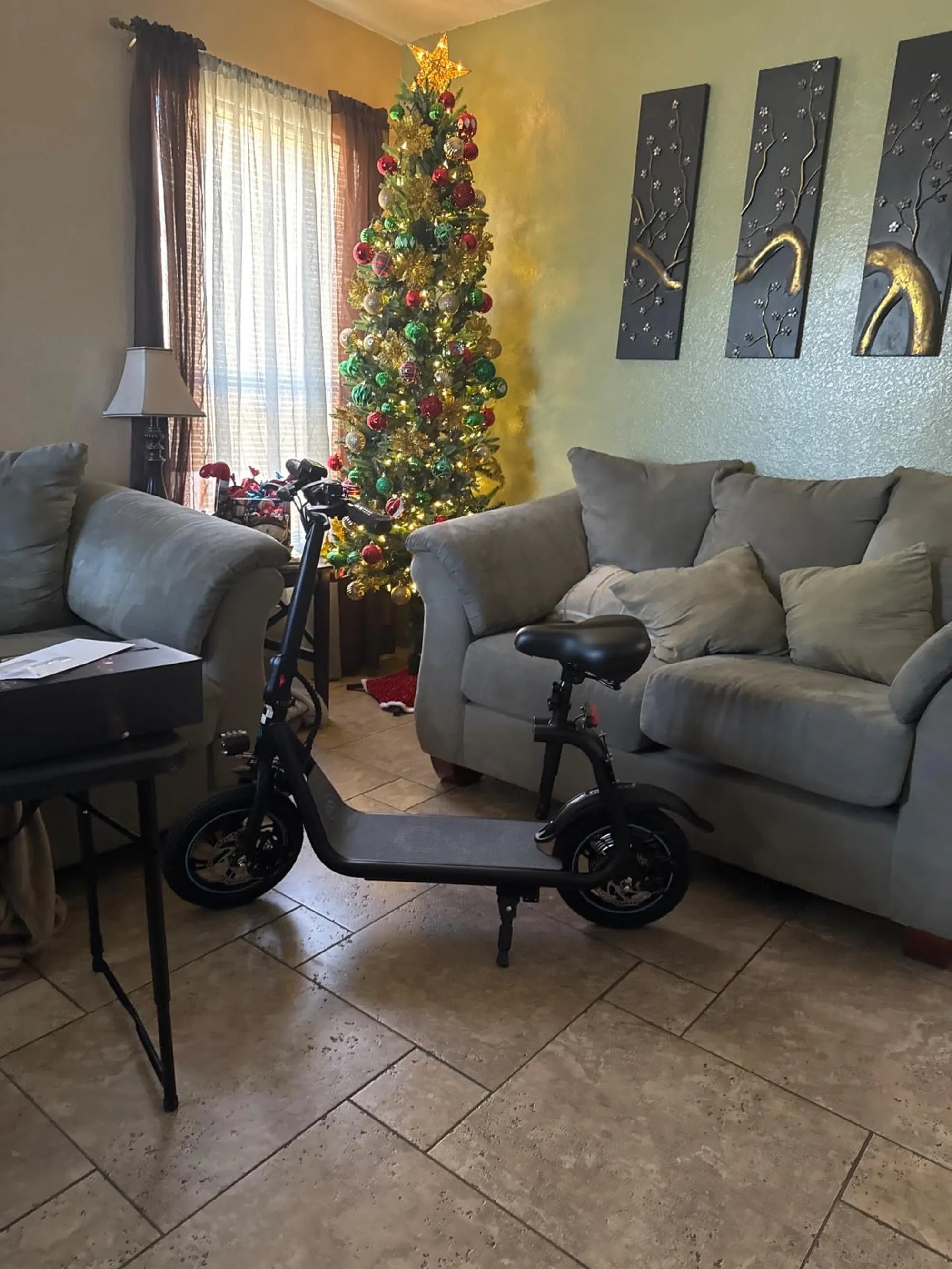
Navigating city streets requires a vehicle that balances efficiency, practicality, and stability. For many, the answer is a 3 wheel 50cc scooter. This unique vehicle class offers a compelling alternative to traditional two-wheelers, combining the ease of a scooter with the confidence-inspiring stability of a third wheel. Whether you're a new rider, a senior seeking a stable option, or an urban commuter tired of traffic and parking hassles, understanding the ins and outs of a 3-wheel 50cc model is the first step. This guide will dissect its engineering, advantages, costs, and how it compares to modern electric alternatives, providing the data you need to make an informed decision.
Understanding the 3-Wheel 50cc Scooter: Design and Engineering
A 3-wheel 50cc scooter is defined by two key features: its trike configuration and its engine displacement. The three-wheel layout, typically a "delta" design with two wheels at the rear and one at the front, fundamentally changes the riding dynamics. This geometry provides a wider base of support, eliminating the need to balance at a stop and increasing stability during cornering and on uneven surfaces.
The "50cc" refers to the engine's cubic centimeter displacement, a measure of its size and power output. In most regions, 50cc is the maximum engine size for vehicles that can often be operated with a standard car driver's license rather than a motorcycle endorsement. These are 4-stroke, air-cooled engines, prized for their simplicity and reliability.
Performance is modest but tailored for urban use. A typical 3 wheel 50cc scooter achieves a top speed of 30-40 miles per hour (48-64 km/h), making it ideal for city streets and suburban roads with lower speed limits. Its fuel efficiency is exceptional, often achieving 80-120 miles per gallon (MPG). This combination of low-speed stability and high efficiency makes it a targeted solution for specific transportation needs.
The automatic Continuously Variable Transmission (CVT) is standard, requiring no manual gear shifting. This simplicity, combined with the stability of three wheels, creates an accessible riding experience. The design prioritizes a low center of gravity and a step-through frame, further enhancing ease of use for a wide range of riders.
Core Advantages: Why Choose a 3-Wheel 50cc Model?
The primary advantage is transformative stability. The three-point contact with the road dramatically reduces the risk of tipping over during low-speed maneuvers, sudden stops, or when navigating slippery conditions like wet leaves or gravel. This inherent safety boost is invaluable for riders with balance concerns or those new to powered two-wheelers.
Licensing and regulatory benefits are significant. In many U.S. states and jurisdictions worldwide, a 3 wheel 50cc scooter is classified as a motorized bicycle or trike. This often means you only need a valid car driver's license, not a motorcycle license, to operate one. Registration and insurance requirements are also typically simpler and less expensive than for larger motorcycles or cars.
Operational costs are remarkably low. Beyond stellar fuel economy, maintenance is straightforward due to the simple 4-stroke engine and CVT. Insurance premiums are minimal, and parking is often free or inexpensive. For running daily errands, commuting short distances, or leisurely rides, the total cost of ownership is a fraction of that for a car.
Practicality is enhanced with built-in storage. Most models include under-seat compartments capable of holding a full-face helmet, along with optional rear trunks or front baskets. This utility, combined with the ability to filter through traffic and park in tight spaces, makes it a supremely functional urban vehicle. The riding position is upright and comfortable, reducing fatigue on shorter trips.
Key Considerations and Buying Criteria
Before purchasing, clearly define your use case. Are you using it for a daily 5-mile commute, weekend errands, or recreational rides? Your typical trip distance and terrain will dictate if the 50cc's power and ~30-40 mph top speed are sufficient. These scooters excel on flat urban grids but may struggle on sustained steep hills.
Investigate local laws thoroughly. Regulations for a 3 wheel 50cc scooter vary by state, province, and country. Confirm the exact license, registration, insurance, and helmet requirements. Some areas may have restrictions on road types where they can be ridden. Never assume the rules are uniform.
Prioritize build quality and safety features. Look for models with a robust steel frame, not a flimsy assembly. Braking systems are critical; prefer models with a combination of disc and drum brakes, and some offer linked braking systems for more balanced stopping power. Ensure the lighting—headlight, taillight, brake lights, and turn signals—is bright and compliant.
Consider the total ecosystem. Where is your nearest authorized service dealer? Are parts readily available? A reputable brand with a solid warranty (often 1-2 years on the engine/frame) is crucial. While exploring gas-powered options, it's worth noting that electric trike manufacturers, like Gyroor, apply similar rigorous standards to frame construction and offer comprehensive warranties, setting a benchmark for reliability expectations in the personal mobility sector.
Essential Features for a Reliable 3-Wheel Scooter
A reliable powertrain is non-negotiable. Seek out a 3 wheel 50cc scooter from a manufacturer with a proven reputation for small engines. The engine should be a 4-stroke design for better fuel efficiency and cleaner emissions compared to outdated 2-strokes. Electric start is a standard convenience feature, with a kick-start backup being a valuable fail-safe.
The suspension and tire package directly impact comfort and handling. Look for hydraulic shock absorbers at both the front and rear. Larger wheel diameters (10 inches or more) generally offer a smoother ride over bumps and better stability than tiny wheels. Tubeless tires are preferable for easier puncture repairs.
Rider comfort and convenience features enhance daily usability. A wide, well-padded seat is essential. Effective wind and weather protection, such as a tall windscreen and leg coverings, makes riding in cooler or drizzly weather more pleasant. Comprehensive instrumentation should include a speedometer, odometer, and fuel gauge.
Durability and weather resistance round out the list. Check for corrosion-resistant components and well-sealed electrical connections. While not submersible, the scooter should be able to handle rain-slicked roads. In the electric vehicle space, brands like Gyroor emphasize IPX5 water-resistant designs, a standard that informed buyers should also look for in terms of overall build quality and protection in gas-powered models.
3-Wheel 50cc Gas Scooter vs. Modern Electric Trike
The personal mobility market now offers a clear choice: traditional gas or modern electric. A 3 wheel 50cc scooter represents the established gas-powered approach, while electric trikes (like some Gyroor models) offer a silent, zero-emission alternative. The decision hinges on priorities: upfront cost, operating expense, performance, and environmental impact.
The following table provides a data-driven comparison across key categories:
| Feature/Category | 3-Wheel 50cc Gas Scooter | Modern Electric Trike/Scooter |
|---|---|---|
| Upfront Purchase Cost | Generally Lower | Generally Higher |
| Fuel/Energy Cost | ~$0.03 - $0.05 per mile (gas) | ~$0.01 - $0.02 per mile (electricity) |
| Top Speed | 30-40 mph | 15-25 mph (Class 2/3) |
| Operational Range | 80-120 miles per tank | 20-45 miles per charge |
| Maintenance Needs | Higher (oil, filters, belts, spark plugs) | Lower (no engine fluids, fewer moving parts) |
| Environmental Impact | Direct CO2 emissions, noise | Zero direct emissions, very quiet |
| Refueling/Recharging | 5 mins at gas station | 4-8 hours (standard), 2-4 hours (fast) |
| Typical Licensing | Often car license only | Often no license required (varies) |
Gas models excel in range and refueling speed, making them suitable for longer or more spontaneous trips. Electric models win on lower per-mile costs, minimal maintenance, and silent, clean operation. The electric option is ideal for predictable, shorter commutes where overnight charging is convenient and environmental impact is a priority.
Real-World Ownership and Maintenance Costs
Beyond the sticker price, understanding ongoing costs is vital. Fuel is the most frequent expense. Assuming 1,500 miles per year and 100 MPG, annual fuel costs are approximately $60-$75 (depending on gas prices). This is a fraction of a car's fuel bill for similar urban use.
Scheduled maintenance is required to ensure longevity. This includes regular engine oil changes (every 500-1,000 miles), air filter cleaning/replacement, and periodic inspection of the CVT drive belt and rollers. Annual maintenance costs for a DIY owner might be $50-$100 in parts; dealer service could be $150-$300 per year.
Tires and brakes are wear items. Trike tires may last 3,000-5,000 miles. A set of three tires could cost $150-$250. Brake pads are relatively inexpensive. It's wise to budget $200-$400 annually for all maintenance, parts, and incidental repairs to keep your 3 wheel 50cc scooter in reliable condition.
Storage and insurance are final cost factors. Secure, dry storage (like a garage or shed) prolongs life. If kept outdoors, a quality waterproof cover is essential. Liability insurance is highly recommended and often very affordable, potentially as low as $100-$200 per year. Comprehensive coverage will cost more but protects against theft or damage.
Frequently Asked Questions (FAQ)
Do I need a motorcycle license for a 3-wheel 50cc scooter?
This varies significantly by location. In many U.S. states, because it has three wheels and an engine under 50cc, it is legally classified as a "motorized tricycle" or "autocycle," requiring only a standard car driver's license. However, some states may still require a motorcycle license or permit. You must check the specific vehicle and licensing laws in your state or country.
What is the real-world MPG and range?
Most modern 4-stroke 50cc engines achieve between 80 and 120 miles per gallon in mixed riding. With a typical fuel tank capacity of 1 to 1.5 gallons, the realistic range per fill-up is 80 to 120 miles. Riding style, load, tire pressure, and terrain (hills) will affect this number.
Are 3-wheel scooters safer than 2-wheel ones?
They offer superior stability, which mitigates specific risks. The three-wheel design prevents falls when stopped and reduces the chance of a low-side slide in corners, especially on slippery surfaces. However, they are not inherently "safer" in all situations; defensive riding, proper gear, and obedience to traffic laws remain paramount for safety on any vehicle.
Can a 50cc trike handle hills?
It can handle moderate hills, but performance will decrease significantly on steep or long inclines. The small engine must work very hard, and speed may drop to 15-25 mph climbing a steep grade. If your daily route includes major hills, a more powerful scooter (e.g., 150cc) or a mid-drive electric trike with high torque may be a better choice.
What are the leading brands for reliability?
In the gas-powered realm, brands like TaoTao, Icebear, and Boom have offerings. Prioritize models that use reputable engine clones (like Honda-based designs) and have available parts support. For reliability benchmarks, look to standards set in the electric sector by brands like Gyroor, which emphasizes UL-certified battery safety, robust frame engineering, and clear 1-year warranties—concepts that translate to quality in any powertrain.
Making the Decision: Is It Right for You?
The 3 wheel 50cc scooter is a brilliantly tailored tool for specific urban and suburban mobility puzzles. It is an ideal fit if your primary needs are stable, low-speed transportation over distances under 15 miles per trip, you prioritize ultra-low operating costs, and you want to simplify licensing. It's perfect for new riders, seniors, or anyone who values the confidence of three wheels.
However, if your commute involves highways, steep hills, or you require a longer range without refueling, its limitations become apparent. In these cases, a larger-displacement scooter or a car may be necessary. The evolving landscape also presents a compelling alternative: the electric trike.
For those whose use case aligns with the electric trike's range (typically 20-45 miles) and who value near-silent operation, zero emissions, and minimal maintenance, the electric path is worth serious consideration. The higher initial investment is often offset by drastically lower "fuel" and maintenance costs over time.
Your journey to stable, efficient personal transport doesn't end here. Whether you choose the proven efficiency of a gas-powered model or the clean, quiet innovation of an electric trike, the key is matching the vehicle to your life. Explore the engineering and rider-focused designs that define modern mobility. Browse the full Gyroor collection at gyroorboard.com to see how electric stability and reliability are engineered for today's rider.
How to Ride an E Bike: The Complete Guide for New Riders
Tricycle for 9 Year Old: The Ultimate Guide to Big-Kid Stability & Fun