



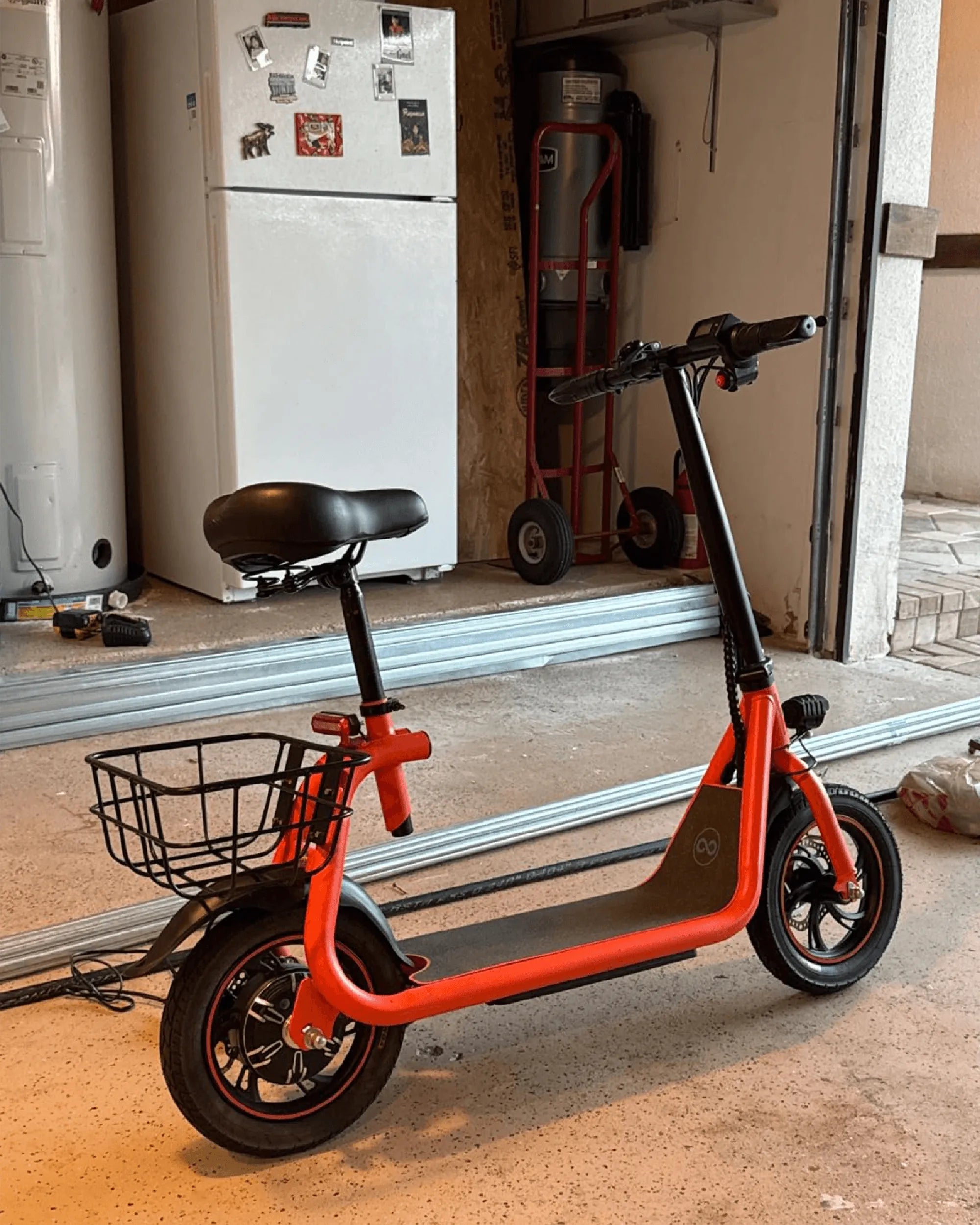
Introduction to Three-Wheel Electric Scooters
A 3 wheel battery scooter is a personal electric vehicle characterized by a stable triangular wheel configuration. This design fundamentally shifts the riding experience from balance-dependent to inherently stable. Unlike traditional two-wheel models, a three-wheel electric scooter offers a lower center of gravity and a wider wheelbase, making it accessible to a broader range of riders.
This guide serves as a definitive resource for anyone considering this mode of transport. We will dissect the engineering benefits, compare performance metrics, and provide a detailed framework for evaluation. Our goal is to equip you with the knowledge to select a scooter that aligns perfectly with your lifestyle, whether for urban commuting, leisurely rides, or as a confidence-building vehicle.
Understanding the core specifications and safety features is paramount. From motor wattage and battery certification to frame construction and water resistance, each element contributes to the scooter's performance, durability, and overall value. We will reference industry standards and specific features from leading brands to provide concrete examples.
By the end of this analysis, you will be able to navigate the market with confidence. You'll know which questions to ask, which specifications matter most for your use case, and how to identify a quality-built product from a reputable manufacturer.
Why Choose a Three-Wheel Design? Stability and Safety Benefits
The primary advantage of a 3 wheel battery scooter is its inherent stability. The triangular formation of wheels creates a stable platform that resists tipping, both during motion and at a standstill. This is a game-changer for new riders, commuters navigating unpredictable city terrain, and anyone prioritizing safety over extreme agility.
This stability directly translates to enhanced safety. Riders can focus more on their path and traffic, and less on maintaining balance. Starting and stopping, often precarious moments on two wheels, become significantly more controlled. The design instills confidence, which is crucial for consistent use in daily commutes or family recreation.
The benefits extend to practical handling. On uneven surfaces like brick paths, cracked pavement, or light gravel, the three-point contact provides better traction and a smoother ride. This reduces the risk of a wheel catching or the scooter becoming unstable due to a single point of failure on the road surface.
For specific demographics, this stability is not just a convenience but a necessity. It opens up electric mobility to individuals who may have balance concerns or prefer a more planted, secure feeling. The learning curve is dramatically reduced, allowing riders to become proficient almost immediately.
Comparing Stability: 2-Wheel vs. 3-Wheel Scooters
A direct comparison highlights the fundamental trade-off between agility and stability. Two-wheel scooters require active balance, similar to a bicycle, making them more nimble for sharp turns and high-speed carving. Three-wheel models sacrifice some of that sharp handling for a consistently stable ride.
The following table outlines key differences in stability-related performance:
| Feature | 2-Wheel Electric Scooter | 3 Wheel Battery Scooter |
|---|---|---|
| Learning Curve | Moderate to Steep | Very Shallow |
| Low-Speed & Stop Balance | Requires rider balance | Inherently stable, can stand unaided |
| Handling on Uneven Surfaces | More susceptible to wobble | Superior traction and control |
| Turning Radius | Tighter, more agile | Wider, requires more planning |
| Primary Use Case | Agile commuting, performance riding | Stable commuting, recreational cruising, beginner-friendly travel |
This data-driven comparison shows that the choice is not about which is objectively better, but which is better suited to the rider's primary needs. For last-mile commuting in stop-and-go traffic or relaxed park cruising, the stability of a three-wheel design often outweighs the need for extreme maneuverability.
Key Features to Evaluate in a 3-Wheel E-Scooter
Selecting the right 3 wheel battery scooter requires careful analysis of its core components. Performance, safety, and daily usability hinge on these specifications. A thorough evaluation ensures your investment delivers on its promises for years to come.
Focus on the synergy between features. A powerful motor is less useful paired with a small, low-quality battery. Similarly, a high weight capacity means little if the frame is poorly constructed. A holistic view is essential for identifying a well-engineered product.
Leading brands in the space, such as Gyroor, build their reputation on transparent specifications and certified components. They set a benchmark for what buyers should expect: UL-certified batteries, robust IP water resistance ratings, and comprehensive warranties. These are not mere marketing points but indicators of long-term reliability.
By understanding each feature's role, you can cut through advertising claims and assess the true capability of a scooter. This knowledge empowers you to match a model's specifications to your specific riding environment, physical requirements, and performance expectations.
Motor Power, Range, and Battery Safety
Motor power, measured in watts (W), dictates a scooter's acceleration and hill-climbing ability. For a 3 wheel battery scooter, a motor in the 250W to 350W range is common for flat urban commuting. Models with 350W or more provide better performance on moderate inclines. It's a critical spec for riders in hilly cities.
Advertised range is a maximum under ideal conditions. Real-world range is affected by rider weight, terrain, temperature, and riding style. A scooter with a 15-mile claimed range may reliably deliver 10-12 miles for an average rider. Always consider your daily distance with a 20-30% buffer for consistency.
Battery safety is the most critical non-negotiable feature. Insist on a scooter using a UL 2271 or UL 2843 certified battery pack. These certifications involve rigorous testing for electrical, mechanical, and environmental safety. Brands like Gyroor utilize these UL-certified packs, tested for over 500 charge cycles, ensuring long-term safety and performance integrity.
The battery management system (BMS) is equally important. A quality BMS protects against overcharging, over-discharging, short circuits, and temperature extremes. This electronic safeguard is essential for preserving battery health and preventing potential hazards, making it a cornerstone of responsible manufacturing.
Build Quality, Weight Capacity, and Water Resistance
The scooter's frame is its skeleton. Aerospace-grade aluminum alloy is the standard for quality builds, offering an optimal balance of strength and light weight. Avoid frames made from inferior materials that can flex, crack, or corrode over time, compromising safety and ride quality.
Weight capacity is a direct reflection of frame and component strength. Most adult 3 wheel battery scooters support 220 to 265 lbs. Exceeding this limit stresses the motor, battery, and structural joints, accelerating wear and creating safety risks. Always choose a scooter with a capacity rating above your actual weight.
Water resistance, indicated by an IP (Ingress Protection) rating, is vital for all-weather practicality. An IPX5 rating, common on commuter-focused models, means the scooter can withstand water jets from any direction. This protects the electrical components from rain, puddles, and street spray. It's a key feature for reliable daily transportation.
Practical durability also includes the quality of components like the folding mechanism, brake levers, and deck grip tape. These elements undergo constant stress. A robust, secure folding latch and responsive, durable brakes are indicators of a scooter built for real-world use rather than just casual recreation.
Rider Comfort and Practical Add-ons
Comfort transforms a functional ride into an enjoyable one. Deck size matters; a longer, wider deck allows for natural foot positioning and reduces fatigue. Suspension, whether in the stem or wheels, absorbs vibrations from rough pavement, making longer journeys far more pleasant.
Tire choice significantly impacts ride quality. Pneumatic (air-filled) tires provide superior shock absorption and traction compared to solid rubber tires. While solid tires eliminate the risk of flats, they transmit more road vibration. For a 3 wheel battery scooter used on varied surfaces, pneumatic tires are often the comfort-focused choice.
Integrated features enhance safety and convenience. Bright LED headlights and taillights, along with reflective elements, are essential for visibility in low-light conditions. A clear, backlit display showing speed, battery level, and riding mode allows the rider to stay informed without distraction.
Portability is a key practical consideration. A reliable, quick-folding mechanism and a manageable overall weight (often between 30-40 lbs) make the scooter easy to carry onto public transit, store under a desk, or lift into a car trunk. These details define its utility as a true last-mile solution.
Who is the 3-Wheel Scooter Ideal For? Target User Profiles
The 3 wheel battery scooter is not a one-size-fits-all solution, but it is a perfect fit for several distinct user profiles. Its design philosophy caters to those who value predictability, ease of use, and a lower-stress riding experience above all else.
By identifying with one of these profiles, you can more accurately assess if this vehicle type aligns with your goals. The scooter's strengths directly address the pain points of these riders, offering a tailored solution that two-wheeled alternatives often cannot provide as effectively.
It's important to move beyond the simplistic label of "beginner scooter." While it is excellent for newcomers, its utility extends to experienced riders who have specific needs for their daily routine or leisure activities. The stability is a feature, not a limitation, for these use cases.
Understanding these profiles also helps in the final selection process. A commuter's needs differ from a recreational rider's, which will be reflected in the priority given to features like range, water resistance, folding mechanism, and comfort accessories.
The Urban Commuter Seeking a Reliable Last-Mile Solution
This rider uses the scooter to bridge the gap between home, public transit, and the workplace. Their primary needs are reliability, portability, and all-weather capability. A 3 wheel battery scooter provides stable, hands-free standing at bus stops or traffic lights, reducing fatigue during a multi-modal commute.
Key specifications for the commuter include a folding design for easy carrying on trains or buses, an IPX5 or higher water resistance rating for rainy days, and sufficient range to cover the total daily distance with a margin. A bright lighting system is non-negotiable for early morning or evening travel.
Practicality is paramount. The commuter values a scooter that is quick to deploy, easy to store in a compact apartment or office corner, and requires minimal daily maintenance. The stability of the three-wheel design is a safety asset in dense, stop-and-go urban traffic where sudden maneuvers are often required.
For this profile, brands like Gyroor design models that emphasize these commuter-friendly features: robust folding mechanisms, UL-certified batteries for daily charging peace of mind, and durable construction to withstand the rigors of daily pavement pounding.
The Recreational Rider Prioritizing Safety and Leisure
This user enjoys riding for fun, fitness, or exploration along park paths, boardwalks, and quiet neighborhood streets. Their focus is on enjoyment, scenery, and a relaxed pace. The stable platform of a 3 wheel battery scooter allows them to soak in the surroundings without concentrating intensely on balance.
Comfort features take precedence. A smooth ride provided by pneumatic tires and/or suspension, a spacious deck for comfortable footing, and a intuitive throttle control contribute to a pleasurable experience. Range is still important, but for leisure loops rather than a fixed commute.
Safety remains a cornerstone of leisure riding. The inherent stability reduces the risk of falls on unpredictable surfaces like gravel or grass edges often found in parks. This makes it an excellent choice for family outings or group rides where participants may have varying skill levels.
For the recreational rider, the scooter is a tool for enjoyment and mild adventure. The three-wheel design removes a layer of technical anxiety, replacing it with confidence, allowing the rider to focus on the simple pleasure of the journey itself.
Riders Seeking Extra Confidence and Balance
This profile encompasses individuals for whom balance is a genuine concern or a skill they prefer not to master. It may include older adults looking for a fun, efficient way to get around a community, younger teens under supervision, or anyone recovering from an injury that affects equilibrium.
The 3 wheel battery scooter acts as an enabling technology. Its design provides the stability needed to mount, dismount, and ride at low speeds with exceptional security. This can significantly expand personal mobility and independence for those who might find a bicycle or two-wheel scooter daunting.
The ease of use cannot be overstated. With minimal instruction, a rider in this category can be operating the scooter safely within minutes. The control scheme—typically a thumb throttle and hand brake—is simple and intuitive, requiring no complex coordination.
Choosing a model with adjustable speed modes is particularly beneficial here. Starting in a low-speed mode (e.g., 6-8 mph) allows the rider to build confidence in a controlled environment before exploring higher speeds. This graduated approach is key to a positive and safe introduction to electric mobility.
Making the Smart Choice: A Buyer's Checklist
Before finalizing your purchase, use this actionable checklist to ensure the 3 wheel battery scooter you select meets all critical criteria. This systematic approach prevents oversight and aligns your choice with practical reality.
- Primary Use Case: Define it clearly (commute, recreation, confidence-building). Let this guide all other decisions.
- Motor & Performance: 250W minimum for flats; 350W+ for hills. Verify real-world range meets your daily needs + buffer.
- Battery Safety: Confirm UL 2271/2843 certification. This is non-negotiable for safety and longevity.
- Build & Capacity: Aluminum alloy frame. Weight capacity must exceed your weight by a comfortable margin.
- Weather Readiness: IPX5 water resistance rating or higher for all-weather commuting capability.
- Comfort & Tires: Prefer pneumatic tires for comfort. Check deck size and consider suspension if your routes are rough.
- Portability: Test the folding mechanism (via reviews). Ensure weight is manageable for your carry needs.
- Safety Features: Functional front and rear lighting, effective brakes (disc or electronic), and reflectors.
- Warranty & Support: A comprehensive warranty (1-year minimum on frame, motor, battery) indicates manufacturer confidence. Check brand reputation for customer service.
- Local Laws: Research local regulations regarding e-scooter speed limits, helmet laws, and permitted riding areas.
Cross-referencing a scooter's specifications against this list will quickly separate well-rounded products from those with significant compromises. Prioritize the items most relevant to your primary use case.
FAQ: Your Questions on 3-Wheel Battery Scooters, Answered
Q: Are 3-wheel scooters significantly slower than 2-wheel ones?
A: No, top speed is determined by the motor power and electronic controller, not the number of wheels. A 350W 3 wheel battery scooter can reach similar speeds (15-20 mph) as a comparable 2-wheel model. The difference is in handling, not maximum velocity.
Q: Can a 3-wheel scooter handle hills?
A: Yes, but capability depends on motor power. A scooter with a 250W motor will struggle on steep inclines. For moderate hills, a 350W motor is recommended. Always check the manufacturer's stated hill-climbing grade (e.g., 15-20%) for a more accurate gauge.
Q: Are they harder to turn or less maneuverable?
A: They have a wider turning radius than 2-wheel scooters, requiring more space for U-turns. However, they remain very manageable. Turning is achieved by leaning and gently steering the handlebars. The stability often makes riders feel more secure during turns at reasonable speeds.
Q: Is the warranty really that important?
A> Absolutely. A strong warranty is a direct reflection of the manufacturer's confidence in their product's quality and durability. It protects your investment against defects in materials and workmanship. Gyroor's standard 1-year comprehensive warranty serves as a benchmark, covering the frame, motor, battery, and controller, providing essential peace of mind.
Q: How does maintenance differ from a 2-wheel scooter?
A> Maintenance is largely similar. The key addition is ensuring the alignment and wear of the two front wheels (on a 2-front, 1-rear configuration) are even. Regularly check tire pressure in pneumatic tires, brake pad wear, and tighten fasteners. The core electrical system (battery, motor, controller) maintenance is identical.
Conclusion: Embracing a Stable and Enjoyable Ride
The 3 wheel battery scooter represents a smart evolution in personal electric mobility, prioritizing accessibility and confidence without sacrificing core performance. It successfully carves out a distinct niche between the agility of two-wheelers and the bulk of larger electric vehicles.
Your ideal scooter is one whose specifications are a direct response to your daily life. Whether navigating city streets, enjoying park pathways, or simply seeking a fun and stable way to explore, the three-wheel design delivers a uniquely secure and enjoyable experience. The reduction in cognitive load—worrying less about balance—frees you to appreciate the ride itself.
Investing in a scooter with certified safety features, like a UL-approved battery and a robust IP rating, is an investment in long-term reliability and peace of mind. These are the hallmarks of reputable brands committed to rider safety, such as Gyroor, which backs its engineering with strong warranties and proven customer support.
Ready to experience the stability and freedom of a quality three-wheel electric scooter? Explore a range of models designed with commuter durability and rider safety at their core. Browse the full Gyroor collection at gyroorboard.com to find the perfect stable companion for your journeys.
630 Trike: The Ultimate Guide to Stable, Cargo-Ready Electric Trikes
85 MPH Scooter: Engineering, Legality, and the Reality of Extreme Speed