



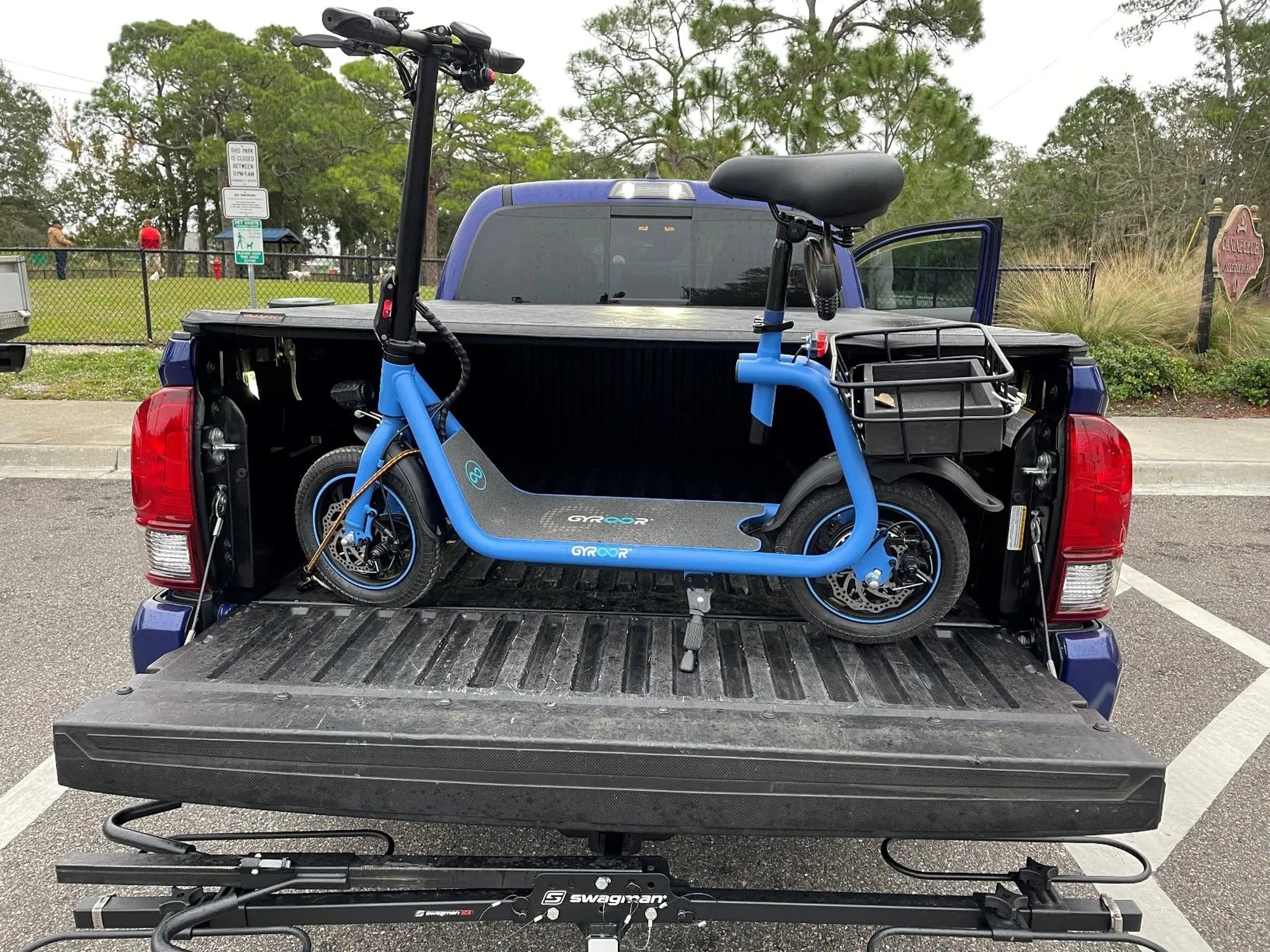
The Rise of the Three-Wheel Electric Tricycle for Adults
Forget balancing acts and parking woes. The 3 wheel electric tricycle for adults has emerged as a transformative solution in personal electric mobility, merging the stability of a traditional trike with the effortless power of an electric motor. This vehicle category is experiencing rapid growth, not as a niche novelty, but as a practical, accessible, and empowering form of transportation. It directly addresses common barriers that prevent many adults from using two-wheeled e-bikes or scooters.
This guide will provide a data-driven analysis of why the adult electric trike is gaining such traction. We will dissect its core engineering advantages, outline the essential features that define a quality model, and compare it directly to other mobility options. You will learn who benefits most from this design and how to make an informed purchase that prioritizes safety, durability, and long-term value. The 3 wheel electric tricycle for adults represents more than just a product; it's a gateway to greater independence and practical, emission-free travel.
Why a Three-Wheel Design is a Game-Changer for Adult Riders
The fundamental shift from two wheels to three redefines the riding experience. While e-bikes require constant balance, especially at low speeds or when stopped, an e-trike offers inherent static stability. This simple change unlocks electric mobility for a significantly broader demographic. The design typically features two driven wheels at the rear and a single steering wheel at the front, creating a stable triangular footprint.
This configuration allows for a lower center of gravity, particularly when the battery is mounted low in the frame. The result is a vehicle that feels planted and secure, eliminating the fear of tipping over. For adults returning to cycling, managing physical limitations, or simply prioritizing safety and convenience, this stability is the primary value proposition. It transforms riding from a skill-based activity into an intuitive, confidence-building mode of transport.
Enhanced Stability and Safety
The physics of the three-wheeled platform are straightforward but powerful. With two contact points at the rear, the trike cannot fall over sideways when stationary. This eliminates the need to put a foot down at traffic lights or on uneven ground, a major concern for many riders. The wider track also provides superior resistance to tipping during turns, especially when compared to narrow-wheeled scooters.
This inherent stability directly translates to enhanced safety. Riders can focus entirely on the road and traffic without managing balance. It also allows for safer carrying of cargo or passengers, as the weight distribution is more forgiving. For brands like Gyroor, which prioritize rider safety, this stable foundation is then augmented with reliable braking systems and durable construction, creating a inherently safer vehicle category for urban and suburban environments.
Accessibility and Comfort for All Riders
Accessibility is the cornerstone of the e-trike's appeal. Many models feature a step-through frame design, making mounting and dismounting effortless for riders of all ages and abilities. The stable platform means you can get on and off without the bike moving away from you. The seating position is typically upright, reducing strain on the back, neck, and wrists—a common complaint with aggressive e-bike or scooter postures.
This design is particularly empowering for seniors seeking to maintain their independence, individuals with balance issues, or those recovering from injury. The electric assist removes the barrier of physical exertion, while the stable trike design removes the barrier of balance. It opens the world of personal electric mobility to millions who would otherwise be excluded, offering a genuine alternative to car dependency for local trips.
Practicality and Cargo Capacity
Beyond the rider, the 3 wheel electric tricycle for adults is designed to carry life's necessities. The stable base is ideal for integrating large cargo solutions. Most models come equipped with a substantial rear cargo rack, and many include a large integrated basket or even a lockable storage box. This transforms the e-trike from a mere vehicle into a practical utility tool.
Imagine carrying a full week's groceries, a work bag and laptop, or even small pets without worrying about weight affecting your balance. The cargo capacity, often rated between 100 to 200 pounds on the rack alone, enables the e-trike to function as a true car replacement for errands within a 10-15 mile radius. This utility makes it an economically and environmentally sound choice for countless household trips.
Key Features to Look for in a Quality Adult E-Trike
Not all electric tricycles are created equal. Discerning buyers must evaluate specific features that impact performance, safety, and longevity. A quality e-trike is an investment, and its specifications dictate its capabilities. Prioritizing components from reputable manufacturers is crucial for a reliable and safe riding experience over hundreds of charge cycles.
The core components form a system: the motor provides power, the battery stores energy, the frame offers structure, and the brakes ensure control. Compromising on any one element can diminish the entire experience. Leading brands distinguish themselves by using high-grade materials, adhering to strict safety certifications, and offering robust warranties that protect the consumer.
Motor Power and Riding Modes
The motor is the heart of the e-trike. Most adult models utilize a rear-hub motor, with power ratings typically ranging from 350W to 750W. A 500W motor is often the sweet spot, providing ample torque for hill climbing (up to 15% grades) while maintaining efficiency. Torque, measured in Newton-meters (Nm), is as important as wattage—it determines how effectively the motor can accelerate and climb.
Riding modes are equally critical. Look for a model that offers multiple levels of pedal assist (PAS), allowing you to choose how much effort you want to contribute. A pure throttle mode (twist or thumb) is essential for starting from a stop effortlessly or taking a break from pedaling. The best systems provide smooth, intuitive power delivery without jerky engagement, contributing to the overall stable and controlled feel.
Battery Range and Charging
Range anxiety is a common concern, but a well-specified e-trike alleviates it. Real-world range depends on rider weight, cargo, terrain, and assist level. A quality model with a 48V 15Ah (720Wh) lithium-ion battery can typically achieve 30-50 miles on a single charge using moderate pedal assist. It is vital to manage expectations based on usage; throttle-only riding will significantly reduce this distance.
The most important aspect of the battery is its safety certification. UL-certified lithium-ion battery packs, like those used by Gyroor, have undergone rigorous testing for thermal stability, short-circuit protection, and durability over 500+ charge cycles. The battery should be securely integrated into the frame, often under the seat or within the rear rack, keeping the center of gravity low. Charging times generally range from 4 to 8 hours for a full charge.
Build Quality and Durability Features
The frame is the skeleton. High-tensile steel or aluminum alloy frames offer the best blend of strength and reasonable weight. Pay close attention to the weight capacity rating; a robust adult e-trike should support at least 300-350 pounds, encompassing the rider and cargo. The weld points should be clean and consistent, indicating quality manufacturing.
Durability is tested by the elements. An IPX5 water-resistant rating is a non-negotiable feature for a vehicle designed for daily use. This rating means the electrical components can withstand low-pressure water jets from any direction, protecting against rain, puddles, and routine cleaning. Without this protection, moisture ingress can lead to costly controller or motor failures. Brands that build to this standard, such as Gyroor, ensure their vehicles are truly all-weather capable.
Safety and Convenience Components
Safety extends beyond stability. A dual braking system—often a front disc brake and a rear drum or mechanical disc brake—provides confident stopping power in all conditions. Comprehensive lighting is essential: a bright front LED headlight, rear brake lights, and turn signals (on higher-end models) make the rider highly visible.
Comfort and convenience features enhance usability. Wide, pneumatic (air-filled) tires (often 20" or 24") absorb road vibrations better than solid tires. Full-length fenders are crucial for keeping the rider clean on wet roads. A included rear-view mirror, a loud electronic horn, and a comfortable, adjustable saddle are signs of a well-considered design that prioritizes the real-world riding experience.
Comparing Your Options: E-Trike vs. E-Bike vs. Traditional Trike
Choosing the right electric vehicle requires a clear understanding of the trade-offs. The table below provides a data-driven comparison to help you align your primary needs with the correct vehicle type.
| Feature/Category | 3-Wheel Electric Tricycle | Standard Electric Bike (E-Bike) | Traditional Pedal Tricycle |
|---|---|---|---|
| Primary Stability | Exceptional (Static & Dynamic) | Good (Dynamic only, requires balance) | Exceptional (Static & Dynamic) |
| Ease of Use | Very High (Easy mount/dismount, no balance needed) | Medium (Requires basic cycling skill) | High (Easy mount/dismount, no balance) |
| Cargo Utility | Very High (Stable, high-capacity racks) | Medium (Requires careful loading for balance) | High (Stable, good for cargo) |
| Speed & Range | Medium-High (Up to 20 mph, 30-50 mi range) | High (Up to 28 mph, 30-60+ mi range) | Low (Limited by rider fitness) |
| Physical Exertion | Low to None (Full electric assist available) | Low to Medium (Assist reduces effort) | High (100% rider-powered) |
| Best For | Errands, seniors, balance concerns, leisure, stable commuting | Fitness, agile commuting, longer recreational rides, experienced riders | Leisurely pedal-powered trips in flat areas, very low budgets |
| Parking/Storage | Requires more space (wider footprint) | Easier (similar to a bicycle) | Requires more space (wider footprint) |
As the table illustrates, the 3 wheel electric tricycle for adults excels in scenarios where stability, accessibility, and cargo utility are the top priorities, while sacrificing some agility and compact storage. It fills a distinct and vital niche in the micro-mobility ecosystem.
Top Use Cases for an Adult Electric Tricycle
The versatility of the e-trike allows it to serve multiple roles in a person's life. It is not a single-purpose vehicle but a multi-functional tool that adapts to daily needs. Understanding these use cases helps visualize the tangible benefits it can provide.
For urban and suburban commuters, the e-trike is a game-changer. It navigates traffic congestion, utilizes bike lanes, and parks directly at your destination. The cargo capacity means you can commute with a laptop, change of clothes, and lunch without arriving sweaty or burdened by a backpack. It turns a stressful commute into an enjoyable, cost-effective journey.
Recreational exploration takes on a new dimension. Riders can venture further on trails, boardwalks, or through parks without fear of fatigue or instability. The comfortable seating and stable platform make it ideal for sightseeing or enjoying nature at a relaxed pace. It encourages outdoor activity for individuals or couples who might otherwise avoid longer bike rides.
Perhaps its most impactful role is in supporting aging in place and enhancing mobility. For seniors, it provides a safe, dignified, and independent means of transportation to visit friends, attend appointments, or shop. It combats isolation and promotes an active lifestyle without the risks associated with a standard bicycle. It also serves individuals with temporary or permanent mobility challenges, restoring a sense of freedom and autonomy for local travel.
Investing with Confidence: Warranty and Support
An electric tricycle is a significant purchase involving complex electrical and mechanical components. The warranty and customer support offered by the manufacturer are direct reflections of their confidence in the product and commitment to the customer. A strong warranty protects your investment from unforeseen defects in materials or workmanship.
Look for a comprehensive warranty that covers the frame, motor, battery, and controller for a minimum of one year. The battery warranty is particularly important, often with a pro-rated coverage based on capacity retention over time. Beyond the paperwork, accessible support is key. Brands that offer dedicated, US-based customer service and clear documentation simplify troubleshooting and repair processes.
Gyroor, for example, backs its products with a 1-year comprehensive warranty and readily accessible support, ensuring that the over 100,000 riders in its community have a reliable partner. This peace of mind is invaluable, ensuring that a minor technical issue doesn't sideline your primary mode of transportation for weeks.
Frequently Asked Questions (FAQ)
1. Do I need a license or insurance to ride a 3-wheel electric tricycle?
In most U.S. states and jurisdictions, a standard driver's license, vehicle registration, or insurance is not required for low-speed electric bicycles and tricycles classified as Class 1 or 2 (with a maximum assisted speed of 20 mph). However, local laws can vary significantly. It is always the rider's responsibility to check with their state's Department of Motor Vehicles and local city ordinances. While not mandatory, personal liability insurance is highly recommended.
2. How fast can an adult electric tricycle go?
Most adult electric trikes are designed to comply with U.S. federal regulations for low-speed electric bicycles. This typically means they are limited to a top speed of 20 mph (32 km/h) when using the motor (via throttle or pedal assist). Some models may have adjustable settings, but exceeding 20 mph on public paths may reclassify the vehicle and subject it to different regulations.
3. Can it handle hills?
Yes, a quality e-trike with a motor of 500W or more and adequate torque can handle moderate hills confidently. The electric assist will compensate for the added strain and weight of the trike. Performance on steep hills (above a 15% grade) may involve a reduction in speed, but the vehicle will generally continue to climb where a traditional trike would stall. Using a lower pedal-assist level and gearing down (if equipped with gears) provides the best hill-climbing performance.
4. Where can I ride it legally?
Generally, you can ride an electric tricycle anywhere a traditional bicycle is permitted. This includes bike lanes, multi-use paths, and public roads (unless specifically prohibited by a local ordinance). Riding on sidewalks is typically illegal for adults in most municipalities. Always yield to pedestrians, obey traffic signals, and use lights when riding at night or in low-light conditions.
5. Is assembly difficult?
Most e-trikes ship 85-90% assembled to minimize shipping costs. Common final assembly steps include attaching the front wheel, handlebars, pedals, seat, and sometimes the front fender and basket. It requires basic tools (usually provided) and mechanical aptitude. If you are not comfortable, investing in professional assembly at a local bike shop is highly advisable to ensure all components, especially brakes and electrical connections, are secured and adjusted correctly for safe operation.
Embracing a New Era of Accessible Electric Mobility
The 3 wheel electric tricycle for adults is more than a trend; it's a logical evolution in personal transportation. It successfully bridges the gap between the need for sustainable mobility and the practical requirements of safety, stability, and utility. By eliminating the balance barrier, it democratizes electric power, offering freedom and independence to a vast population previously underserved by two-wheeled options.
When selecting your e-trike, prioritize models from established brands that invest in safety certifications like UL for batteries and IP ratings for water resistance. Consider your primary use case—be it errands, leisure, or commuting—and choose a model with the appropriate motor, range, and cargo capacity. A robust warranty and reliable customer support are not just extras; they are essential components of a satisfying long-term ownership experience.
Ready to experience the stability and freedom of an adult electric tricycle? Explore a curated selection of reliable, feature-rich models built with the safety and durability standards discussed in this guide. Browse the full Gyroor collection at gyroorboard.com to find the perfect e-trike to empower your journeys.
How to Make a Dirt Bike Quieter: The Complete 2024 Guide
Best Dirt Bike on the Market: The 2024 Ultimate Buyer's Guide