



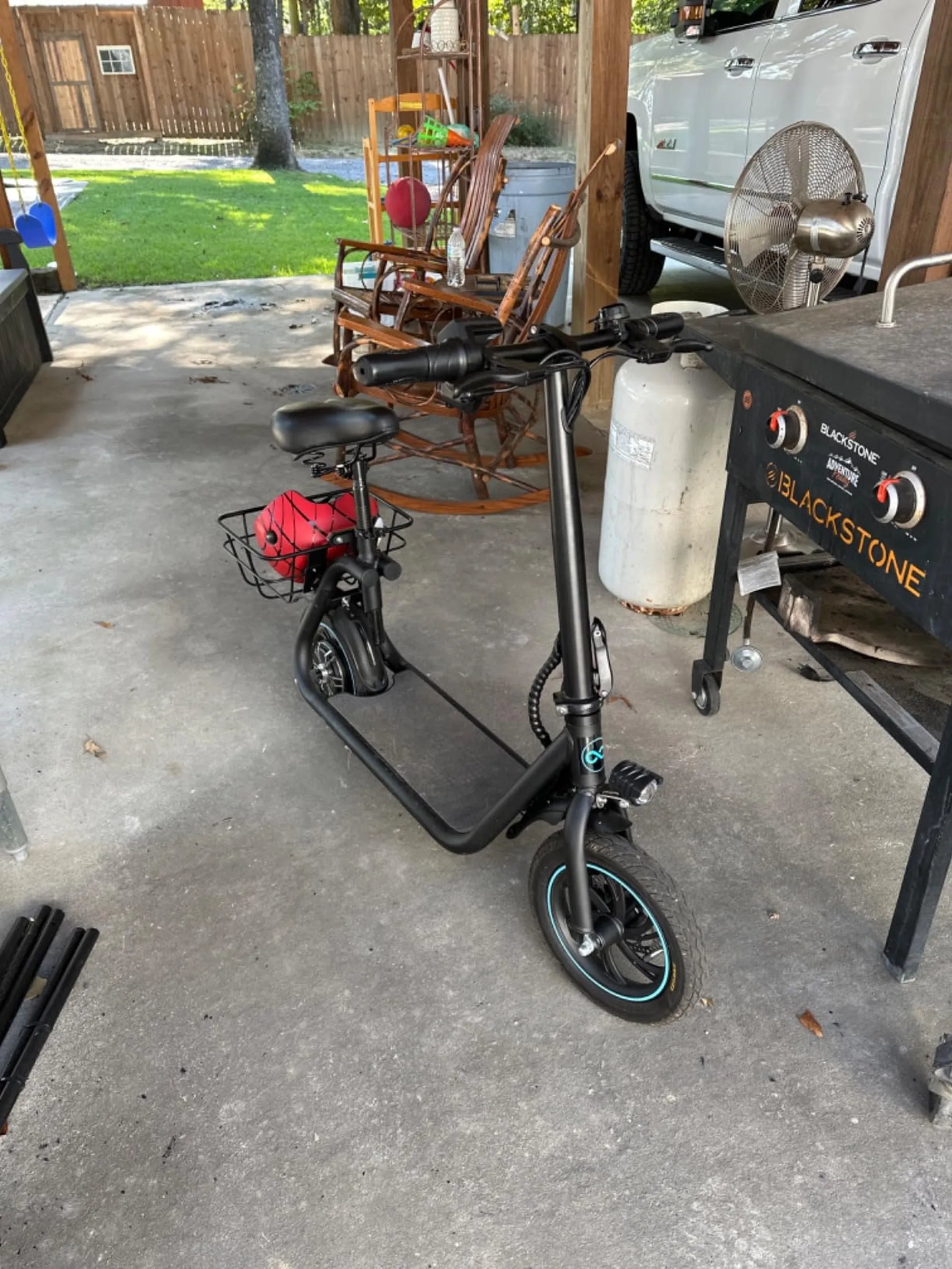
Introduction to 3-Wheel Scooters for 4-Year-Olds
Selecting a 3 wheel scooter for a 4 year old is a significant decision that impacts both safety and developmental progress. At this pivotal preschool age, children are rapidly developing foundational motor skills, balance, and spatial awareness. A well-designed scooter serves as more than a toy; it is a tool for physical growth and building confidence.
The inherent stability of a three-wheel design provides a crucial safety net for beginners. This allows young riders to focus on mastering propulsion, steering, and braking without the constant fear of tipping over. The right scooter can transform a hesitant child into a confident rider, fostering a love for active outdoor play.
This guide will equip you with the knowledge to choose a scooter that prioritizes your child's safety while supporting their development. We will analyze key safety features, compare different models and specifications, and outline the long-term benefits of this classic childhood activity. The goal is to make an informed purchase that delivers joy and value for years.
Key Safety Features Every Parent Must Look For
Safety is the paramount concern when selecting any ride-on toy for a preschooler. A 3 wheel scooter for a 4 year old must incorporate specific design elements to mitigate risk and build rider confidence. These features work together to create a secure platform for learning.
The foundation of safety lies in a stable, low-to-the-ground design. A wide deck provides ample foot space, allowing the child to plant their feet firmly without slipping. The deck surface should be textured or have a non-slip grip tape to prevent shoes from sliding during kick-off or braking.
A reliable braking system is non-negotiable. For this age group, a rear fender brake activated by stepping down is often the safest and most intuitive. It allows the child to stop gradually without needing to coordinate hand brakes, which can be challenging for underdeveloped fine motor skills. The handlebars should have comfortable, non-slip grips.
The Importance of a Stable Three-Point Design
The configuration of the three wheels is the primary source of stability. Most models for beginners use a "two wheels in front" design. This creates a triangular base of support that prevents the scooter from tipping forward during hard stops or when leaning into a turn.
This three-point contact with the ground offers superior initial stability compared to a two-wheeled scooter. It allows the child to learn the mechanics of steering and balancing at a controlled pace. The design effectively manages the child's higher center of gravity, making falls less likely during the critical learning phase.
Some advanced beginner models feature a "lean-to-steer" mechanism linked to the front two wheels. This design uses rider weight shift to initiate turns, which can feel more intuitive and further enhances stability by physically limiting the sharpness of the turn, preventing over-steering accidents.
Adjustability for Growth and Proper Posture
An often-overlooked safety feature is adjustability. A 4-year-old can experience significant growth spurts, and a scooter with a fixed handlebar height can quickly become ergonomically unsound. Adjustable T-bar handlebars are essential for long-term use and safety.
Properly adjusted handlebars ensure the child can maintain an upright, comfortable posture with a slight bend in the elbows. If the handlebars are too low, the child will hunch over, straining their back and reducing control. If they are too high, steering becomes awkward and less responsive.
Look for a scooter that offers a wide range of height adjustment, typically from about 24 inches to 34 inches from the deck. This allows the scooter to grow with your child, potentially providing several years of safe use. A secure, tool-free adjustment mechanism is a major plus for convenience.
Developmental Benefits: More Than Just a Toy
Investing in a 3 wheel scooter for a 4 year old is an investment in their physical and cognitive development. The act of riding engages multiple systems in the body and brain, providing benefits that extend far beyond simple recreation.
Gross motor skills are the primary area of development. Scooting requires coordinated leg movements for propulsion, core engagement for balance, and arm strength for steering. This full-body activity builds muscle strength, endurance, and overall physical coordination in a dynamic, enjoyable way.
Cognitive skills are also sharpened. Navigating a path requires constant assessment of spatial relationships, judgment of speed and distance, and quick decision-making. Children learn cause and effect (steering input leads to directional change) and develop their proprioception—the sense of their body's position in space.
Perhaps most importantly, mastering a scooter provides a tremendous boost to a child's confidence and sense of independence. Successfully learning to control their movement and navigate their environment fosters resilience, problem-solving, and a "can-do" attitude that translates to other areas of life.
Choosing the Right Model: A Practical Comparison Guide
With numerous options on the market, selecting the best 3 wheel scooter for your 4 year old requires a methodical comparison. Key specifications directly impact safety, performance, and longevity. Use the following framework to evaluate potential models.
First, verify the manufacturer's recommended age and weight limit. A scooter rated for ages 3-8 with a 110 lb limit will be more robust than one rated for ages 3-5 with a 44 lb limit. A higher weight limit often indicates a stronger frame and components, ensuring durability as your child grows.
Next, examine the steering mechanism. Traditional handlebar steering requires the child to turn the bars directly. Lean-to-steer (or lean-and-turn) models have the front wheels connected so that leaning the body causes the wheels to turn. The latter can be easier for absolute beginners but may feel less intuitive for some children.
Finally, consider additional features like foldability for easy storage and transport, removable seat attachments for versatility, and the inclusion of safety accessories. The following table provides a clear comparison of critical attributes to consider.
| Feature | Why It Matters for a 4-Year-Old | What to Look For |
|---|---|---|
| Weight Limit | Indicates frame strength and longevity. Exceeding the limit is unsafe. | Choose a limit significantly above your child's current weight (e.g., 110 lb for a 40 lb child). |
| Wheel Material & Size | Affects ride smoothness, noise, and surface compatibility. | Larger PU (polyurethane) wheels for smooth rides on pavement; wider plastic wheels can be durable for rough play. |
| Deck Height & Width | Impacts stability and comfort. A lower, wider deck is more stable. | Low deck height (close to ground); wide enough for both feet to stand side-by-side comfortably. |
| Steering Type | Determines the learning curve and control feel. | Lean-to-steer for ultimate beginner stability; traditional steering for more direct control once basics are mastered. |
| Brake Type | Critical for safe stopping power. | Rear fender brake (step-down) is simplest and safest for this age group. Avoid hand brakes initially. |
Weight Limit and Build Quality: Ensuring Longevity
The manufacturer's stated weight limit is a critical data point. It is not just a maximum capacity but a proxy for overall build quality and engineering margins. A scooter designed to safely support 110 pounds will inherently use stronger materials, more robust fasteners, and a more durable frame than one rated for 50 pounds.
Choosing a scooter with a generous weight limit ensures it will remain safe and functional as your child grows. It also means the scooter can withstand the inevitable bumps, jumps, and rough treatment of enthusiastic play. A sturdier build reduces the risk of component failure, which is a primary safety concern.
Brands like Gyroor, known for engineering durable electric scooters and e-bikes for adults, apply similar principles of robust construction to their youth products. This includes using reinforced aluminum or steel alloys for the main frame and ensuring all connection points are secure. A high weight limit is a hallmark of a product built to last.
Wheel Type and Smoothness of Ride
The wheels are the scooter's point of contact with the world, and their design drastically affects the riding experience. For a 4-year-old, the goal is a smooth, stable, and quiet ride that builds confidence.
Polyurethane (PU) wheels are a premium choice. They are typically quieter than hard plastic wheels, provide better shock absorption on minor cracks and bumps, and offer superior grip on smooth surfaces like sidewalks and driveway pavement. Larger diameter PU wheels (e.g., 120mm) roll over obstacles more easily.
Hard plastic or ABS wheels are very durable and often used on more economical models. They can be perfectly adequate for smooth indoor surfaces or very clean outdoor areas but may transmit more vibration and be noisier. Some models feature wider, airless rubber-like tires for better traction on grass or gravel paths, though these require more effort to push.
Top Parent-Recommended Features for Ease of Use
Beyond core safety, certain features dramatically improve the user experience for both child and parent. These elements add convenience, versatility, and extra fun to the scooting experience.
A quick-fold or tool-free folding mechanism is a game-changer for storage and transport. Being able to collapse the scooter and toss it in a car trunk or closet in seconds makes it more likely to be used on outings and easier to manage at home. Look for a secure locking mechanism in the folded position.
Some 3-wheel scooters offer a removable seat attachment. This transforms the scooter into a sit-down ride for very young beginners or tired riders. It's an excellent way to extend the scooter's usability, allowing a child to start by sitting and pushing with their feet before transitioning to standing scooting.
Easy-grip handles with molded finger contours help small hands maintain control. Bonus features like a carrying strap attached to the deck, a handlebar bell, or decorative light-up wheels can increase engagement and enjoyment, making the scooter a coveted item for outdoor play.
Maintenance, Care, and Safety Gear Essentials
Proper maintenance ensures your child's scooter remains safe and functional for its entire lifespan. Concurrently, establishing a non-negotiable rule about safety gear from day one instills lifelong habits.
Perform a simple pre-ride safety check. Ensure all bolts and nuts (especially on the handlebar stem, wheels, and folding mechanism) are tight. Spin the wheels to check for warping or debris caught in the bearings. Test the rear brake to confirm it engages smoothly and brings the scooter to a stop without skidding.
Regular cleaning is important. Wipe down the deck and frame with a damp cloth to remove dirt and grit that can wear down moving parts. Avoid high-pressure water sprays, especially on models with wheel bearings that are not fully sealed. Store the scooter in a dry place to prevent rust on metal components.
Safety gear is non-negotiable. A properly fitted CPSC-certified bicycle helmet is an absolute must for every ride. Elbow and knee pads are highly recommended, especially during the learning phase. Ensure the helmet sits level on the head, with the strap snug under the chin. Make gearing up part of the fun ritual of riding.
Frequently Asked Questions (FAQs)
What is the ideal weight limit for a 4-year-old's scooter?
Look for a scooter with a weight limit of at least 110 pounds. Your 4-year-old likely weighs between 35-45 pounds, so this provides a significant safety margin and indicates a sturdier build. It ensures the scooter will remain safe and not become structurally stressed as your child grows over the next few years.
Can my child use it if they've never ridden a bike or scooter before?
Absolutely. A stable 3 wheel scooter for a 4 year old is designed specifically for beginners with no prior experience. The three-point design provides inherent balance support. Start in a flat, open, and safe area like a driveway or empty tennis court. Let them first walk with the scooter to get a feel for it before encouraging them to kick off.
Is a lean-to-steer model better for beginners than traditional steering?
For absolute beginners, lean-to-steer models are often recommended. The design links turning to the child's natural instinct to lean, and it physically limits how sharp a turn can be, preventing sudden over-steering and falls. However, some children prefer the direct control of traditional steering. If possible, let the child try both styles to see which feels more natural.
How do I teach my child to brake and steer safely?
For braking, demonstrate the step-down rear fender brake while the scooter is stationary. Have them practice stepping on it hard until it becomes muscle memory. Emphasize looking ahead, not down at their feet. For steering, start with wide, gentle turns. Use verbal cues like "lean a little" or "turn the handles slowly." Always practice in a hazard-free zone.
How can I tell if the scooter is the right size for my child?
The key measurement is handlebar height. With the child standing on the deck, the handlebars should come between their waist and lower chest. Their arms should be slightly bent when gripping the handles, not locked straight or overly cramped. An adjustable T-bar handlebar is the best solution to ensure a perfect fit as they grow.
Conclusion: Investing in Confidence and Fun
Selecting the perfect 3 wheel scooter for a 4 year old is a decision that blends practicality with an eye toward your child's future. By prioritizing a stable three-point design, adjustable components, and a robust weight limit, you are investing in a tool that promises safety today and adaptability for tomorrow. This thoughtful choice supports the development of crucial motor skills, spatial awareness, and self-assurance through active play.
The joy and confidence gained from mastering this first vehicle are immeasurable. A quality scooter becomes a trusted companion for outdoor adventures, encouraging physical activity and exploration. It lays the groundwork for a lifetime of enjoyment in wheeled sports, from cycling to skateboarding. The initial investment in a well-made product pays dividends in durability, safety, and sustained engagement.
Remember, the journey begins with the right gear. Equip your young rider with a CPSC-certified helmet and consider knee and elbow pads to ensure every adventure is a safe one. Establish these habits early to foster a responsible approach to active play. The right scooter is more than a purchase; it's an invitation to growth, fun, and independence.
For parents seeking reliable, well-engineered riding products for the whole family, explore the full range of options. Browse the full Gyroor collection at gyroorboard.com, a leading brand trusted by over 100,000 riders for its commitment to UL-certified safety, durable IPX5 water-resistant designs, and robust warranties.
Do You Need a License to Drive a Motor Scooter? A Complete Legal Guide
Cheap 50cc Scooter: The Real Cost vs. Modern Electric Value