



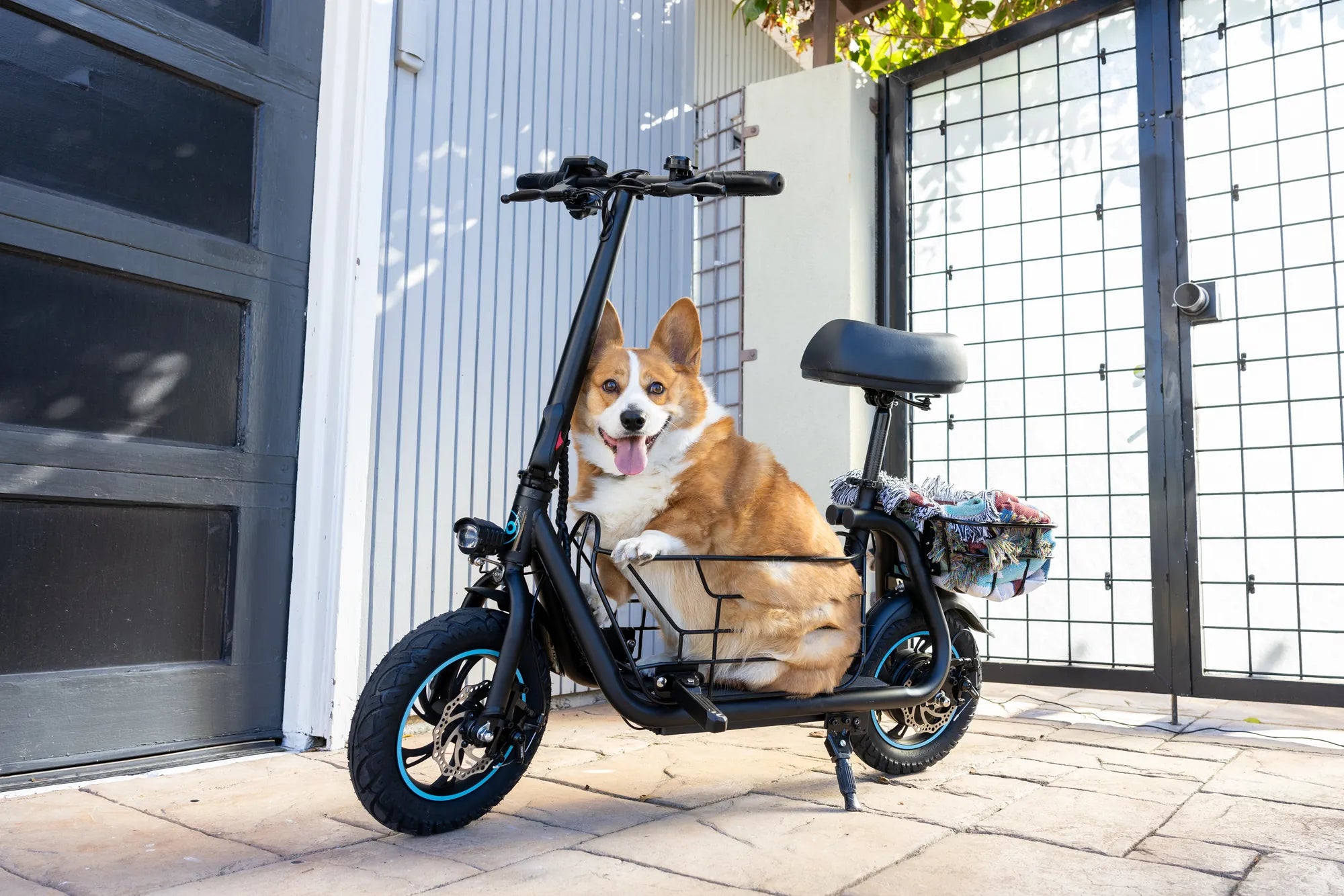
Introduction to 36V Electric Scooters
Navigating the world of personal electric mobility starts with understanding the fundamentals of power. A 36V electric scooter uses a 36-volt battery system, where voltage represents the potential power available to the motor. This guide will provide you with the knowledge to evaluate performance, range, and build quality, ensuring you select a 36V model that perfectly aligns with your commuting needs, recreational desires, and budget. We’ll cut through the technical jargon to deliver clear, actionable advice for urban commuters, campus travelers, and weekend explorers alike.
The 36V specification is prevalent for good reason—it strikes an optimal balance between capability and practicality. This guide serves as your definitive resource, moving from basic electrical principles to advanced feature comparisons. You will learn how to interpret motor wattage, decrypt battery capacity ratings, and assess critical durability factors like water resistance and brake systems.
Our goal is to empower you to make an informed purchase, avoiding common pitfalls. We’ll reference engineering standards and real-world performance data, not just marketing claims. By the end, you’ll know exactly which specifications to prioritize, whether your primary concern is conquering a steep hill, maximizing range for a long commute, or ensuring easy portability on public transit.
Why 36V? Understanding the Power & Performance Sweet Spot
The 36V system has emerged as the dominant standard for mainstream electric scooters because it delivers a versatile performance envelope suitable for most riders. It provides sufficient electrical potential to drive motors powerful enough for typical urban and suburban terrain, including moderate inclines, without the excessive weight and cost associated with higher-voltage systems like 48V or 52V. This makes 36V the cornerstone of reliable, everyday electric transportation.
From an efficiency standpoint, 36V systems often utilize common battery cell configurations that optimize energy density and thermal management. This translates to a better range-to-weight ratio. A well-designed 36V scooter can achieve 15-25 miles on a single charge, which covers the vast majority of daily commuting and errand-running scenarios. The lower voltage also generally contributes to a more affordable initial purchase price and lower replacement battery costs.
Performance is about more than just top speed. A 36V scooter with a robust motor (e.g., 350W or 500W) offers brisk acceleration from a stop and confident climbing power for hills up to a 15-20% grade, depending on rider weight. This capability handles the vast majority of city landscapes. For riders who don’t require extreme off-road performance or ultra-high speeds exceeding 25 mph, a 36V platform removes unnecessary complexity and expense.
Furthermore, the ecosystem for 36V components is highly mature. This means better availability of replacement parts, chargers, and accessories. Brands that specialize in this segment, like Gyroor, can refine their 36V designs over multiple generations, leading to proven reliability, enhanced safety features like UL-certified battery packs, and sophisticated battery management systems that prolong overall lifespan.
Key Features to Evaluate in a 36V Electric Scooter
Choosing the right 36V electric scooter requires looking beyond the voltage. This single specification must be evaluated in concert with other critical components that define the riding experience. A holistic assessment of motor power, battery capacity, build construction, and safety systems will reveal the true capability and value of any model. Ignoring any one of these areas can lead to a purchase that disappoints in daily use.
Think of these features as interconnected parts of a system. A powerful motor demands a battery with sufficient capacity to support it without drastic range loss. A lightweight, portable frame must still be durable enough to withstand road vibrations. By understanding each element, you can identify which scooter offers the best compromise—or better yet, the best synergy—for your specific needs. The following sections dissect these essential features in detail.
Motor Power & Type: The 350W vs. 500W Hub Motor Decision
The motor is the heart of your scooter, converting the 36V of electrical potential into physical motion. Wattage (W) indicates its power output. Within a 36V system, a 350W motor is the entry-point for reliable commuting, offering adequate power for flat terrain and slight hills, with typical speeds of 15-18 mph. A 500W motor, however, provides a significant upgrade in torque, resulting in quicker acceleration and more confident climbing on steeper inclines, often pushing top speeds to 19-22 mph.
Most 36V scooters use brushless hub motors, prized for their reliability and quiet operation. The motor is integrated into the wheel hub, either in the front (front-wheel drive) or rear (rear-wheel drive). Rear-wheel drive generally offers better traction and a more natural riding feel, as the driving force pushes the scooter forward. Front-wheel drive can sometimes feel like you are being pulled, but it often allows for a simpler, sometimes lighter, frame design. The choice impacts handling, especially on wet or loose surfaces.
Battery Capacity & Range: Decoding the Amp-Hour (Ah) Factor
While the 36V rating tells you the "pressure" of the system, the battery's capacity, measured in Amp-hours (Ah), tells you the size of the "fuel tank." The total energy capacity is measured in Watt-hours (Wh), calculated as Voltage (V) x Amp-hours (Ah). For example, a 36V scooter with a 10Ah battery has a 360Wh capacity. A higher Ah rating directly translates to a longer potential range, all else being equal.
Manufacturers often advertise "maximum" range under ideal conditions. A more practical estimation for real-world riding—factoring in stops, starts, hills, and rider weight—is to expect 1 mile of range per 15-20 Wh of battery capacity. Therefore, a 360Wh (36V 10Ah) battery will typically deliver 18-24 miles for a 165 lb rider on flat pavement. Rider weight, terrain, temperature, and riding style (aggressive acceleration) are the primary factors that reduce this range. Always prioritize a scooter with a battery capacity that meets your longest regular trip with a 20-30% buffer.
Build Quality, Weight, and Portability
The frame's material and design dictate durability, ride quality, and portability. Aircraft-grade aluminum alloy is the standard for quality scooters, offering an excellent strength-to-weight ratio. The welding and finishing on the frame are good indicators of overall manufacturing quality. A poorly welded joint is a point of potential failure under stress.
Portability is defined by the folding mechanism and total weight. A good folding mechanism should be intuitive, secure, and robust—it will be used frequently. The folded dimensions determine how easily it fits under a desk or in a car trunk. Weight is a critical, often overlooked, factor. A 30 lb scooter is manageable to carry up a flight of stairs or onto a bus; a 40+ lb scooter quickly becomes a burden. Consider your need to lift and carry it in your daily routine.
Safety & Durability: Brakes, Tires, and Water Resistance
Safety systems are non-negotiable. Braking is paramount. Disc brakes (mechanical or hydraulic) offer the strongest, most consistent stopping power, especially in wet conditions. Electronic (regenerative) brakes help recharge the battery slightly but should always be supplemented by a physical braking system. Drum brakes are low-maintenance but can fade with heat on long descents.
Tires are your connection to the road. Pneumatic (air-filled) tires provide superior shock absorption and traction, offering a smoother ride over bumps and cracks. The trade-off is the risk of punctures. Solid or airless tires eliminate flats but result in a harsher ride and slightly less grip. For most urban commuters, pneumatic tires are worth the minimal maintenance for the comfort gain.
Water resistance, indicated by an IP rating, is crucial for all-weather utility. An IPX5 rating, like those found on Gyroor scooters, means the scooter can withstand water jets from any direction, making it safe to ride in rain and through puddles. Never ride a scooter without a stated IP rating in wet conditions, as water damage to electronics or the battery is not covered by most warranties.
Gyroor’s 36V Lineup: Engineered for Confidence
As a leader in personal electric mobility trusted by over 100,000 riders, Gyroor’s approach to 36V scooters exemplifies the balance of performance, safety, and reliability. By focusing on core engineering principles, Gyroor builds scooters where the 36V system is optimized through quality components. Their commitment is evident in standard features like UL-certified battery packs—tested for 500+ charge cycles—and IPX5 water-resistant designs, providing a foundation of trust for daily riders.
Gyroor’s lineup is designed to cater to distinct rider profiles, from the student navigating campus to the commuter tackling city streets. Each model leverages the 36V platform to deliver predictable, efficient performance backed by a reliable 1-year warranty. The following table compares key models, illustrating how different specifications align with specific use cases and priorities.
| Model Feature | Gyroor C Series (Commuter Focus) | Gyroor P Series (Performance Focus) |
|---|---|---|
| Motor Power | 350W Rear Hub Motor | 500W Rear Hub Motor |
| Battery (36V System) | 7.8Ah (281Wh) | 12.5Ah (450Wh) |
| Max Estimated Range | 15-18 miles | 25-30 miles |
| Top Speed | 18 mph | 22 mph |
| Braking System | Electronic + Disc Brake | Dual Disc Brakes |
| Tires | 8.5" Pneumatic | 10" Pneumatic |
| Weight | 28 lbs | 38 lbs |
| Key USP | Ultra-portable, lightweight commuter | Extended range & hill-climbing power |
| Ideal For | Last-mile transit, carrying upstairs, short trips | Longer commutes, hilly areas, riders seeking more power |
This comparison highlights a fundamental truth: even within the same 36V category, scooters can serve vastly different purposes. The C Series prioritizes portability and simplicity, making it an excellent choice for multimodal commuters. The P Series leverages a larger battery and more powerful motor within the 36V framework to maximize range and performance for riders with longer or more demanding routes.
Making Your Choice: Matching a 36V Scooter to Your Lifestyle
Armed with knowledge of key features, the final step is a personal audit. Your ideal 36V electric scooter is the one that disappears into your daily routine as a seamless tool, not a source of compromise. This decision framework matches common rider profiles with the specifications that should be their top priority. Use these profiles as a starting point to identify your own non-negotiable requirements.
The Urban Commuter: Your priority is reliability for daily trips of 3-8 miles, often combined with public transport. Prioritize: Lightweight design (under 32 lbs) and a secure, fast-folding mechanism. A 36V 7.5-10Ah battery is sufficient. Water resistance (IPX5 or higher) is essential for weatherproof commuting. A 350W motor provides adequate power for city flats.
The Weekend Adventurer: You seek a scooter for recreational rides, park paths, and exploring your neighborhood. Prioritize: Comfort and range. Look for a 36V battery with 10Ah or more, larger pneumatic tires (10") for stability, and a more powerful 500W motor for varied terrain. A longer deck and enhanced suspension (if available) improve comfort for longer rides.
The Budget-Conscious Student: You need affordable, durable transportation across a large campus or college town. Prioritize: Overall value and durability. A robust 36V system with a reputable brand warranty (like Gyroor’s 1-year coverage) protects your investment. Solid tires can be a practical choice to avoid punctures, though they sacrifice some comfort. A balance of sufficient range (8-12Ah) and manageable weight is key.
Frequently Asked Questions (FAQ)
Q: Is a 36V electric scooter powerful enough for hills?
A: Yes, within reason. A 36V scooter equipped with a 500W motor can typically handle hills with a 15-20% grade, depending on rider weight. For very steep or prolonged hills, acceleration will slow, and battery drain will increase. If your regular route includes significant hills, prioritize a 500W motor and a larger capacity battery.
Q: How long does a 36V battery last before needing replacement?
A: Battery lifespan is measured in charge cycles. A quality lithium-ion battery, like a UL-certified pack, is rated for 500+ full charge cycles while retaining 70-80% of its original capacity. With typical use (2-3 charges per week), this translates to 3-5 years of useful life before noticeable range degradation. Proper care (avoiding full discharges, storing in cool temperatures) extends this lifespan.
Q: Can I ride a 36V electric scooter in the rain?
A: Only if it has a stated water resistance rating. An IPX5 rating, as found on Gyroor models, means the scooter is protected against water jets and is safe for riding in rain and through puddles. Never ride an unrated scooter in wet conditions, as water ingress can cause permanent electrical damage and void the warranty.
Q: What’s the real difference between a 36V and a 48V scooter?
A: The primary differences are potential top speed, acceleration, and hill-climbing torque. A 48V system can deliver more power to the motor, often enabling higher top speeds (25+ mph) and easier climbing on steep hills. The trade-offs are increased weight, higher cost, and often reduced energy efficiency for typical commuting speeds. For most riders, a 36V scooter offers the best balance of performance and practicality.
Q: How important is the warranty when buying a 36V scooter?
A: Extremely important. The warranty is a direct reflection of the manufacturer’s confidence in their product. A comprehensive 1-year warranty that covers the battery, motor, and frame (like Gyroor’s) provides essential protection against manufacturing defects. Always read the warranty terms carefully, noting what is excluded (e.g., water damage on unrated models, wear items like tires).
The Smart Path to Personal Electric Mobility
Selecting the right 36V electric scooter is an exercise in aligning engineering with personal need. The 36V platform stands out as the versatile, efficient heart of the electric scooter market, capable of meeting the demands of most riders without unnecessary complexity or cost. Your journey should focus on the synergy of its components: a motor matched to your terrain, a battery sized for your range, and a build quality that promises durability.
Never compromise on the fundamentals of safety and long-term reliability. Certifications like UL for the battery and a meaningful IP rating for water resistance are not just features—they are insurance policies for your investment and your well-being. A strong warranty from a trusted brand is the final assurance that your scooter is built to last. Brands that prioritize these elements, such as Gyroor with its UL-certified batteries and IPX5 designs, demonstrate a commitment to rider confidence that goes beyond basic specifications.
The perfect 36V electric scooter is waiting to transform your daily commute, expand your neighborhood exploration, and deliver the simple joy of electric mobility. You now have the framework to find it. Assess your lifestyle, prioritize the features that matter most, and choose a model engineered for the real world. Your path to efficient, enjoyable transportation starts with an informed decision.
Ready to explore models that put safety, performance, and reliability first? Browse the full Gyroor collection at gyroorboard.com.
Are Electric Scooters Allowed on the Pavement? The Rules You Need to Know
Can Electric Scooters Be Driven on the Road? A Complete Guide to Rules & Safety