


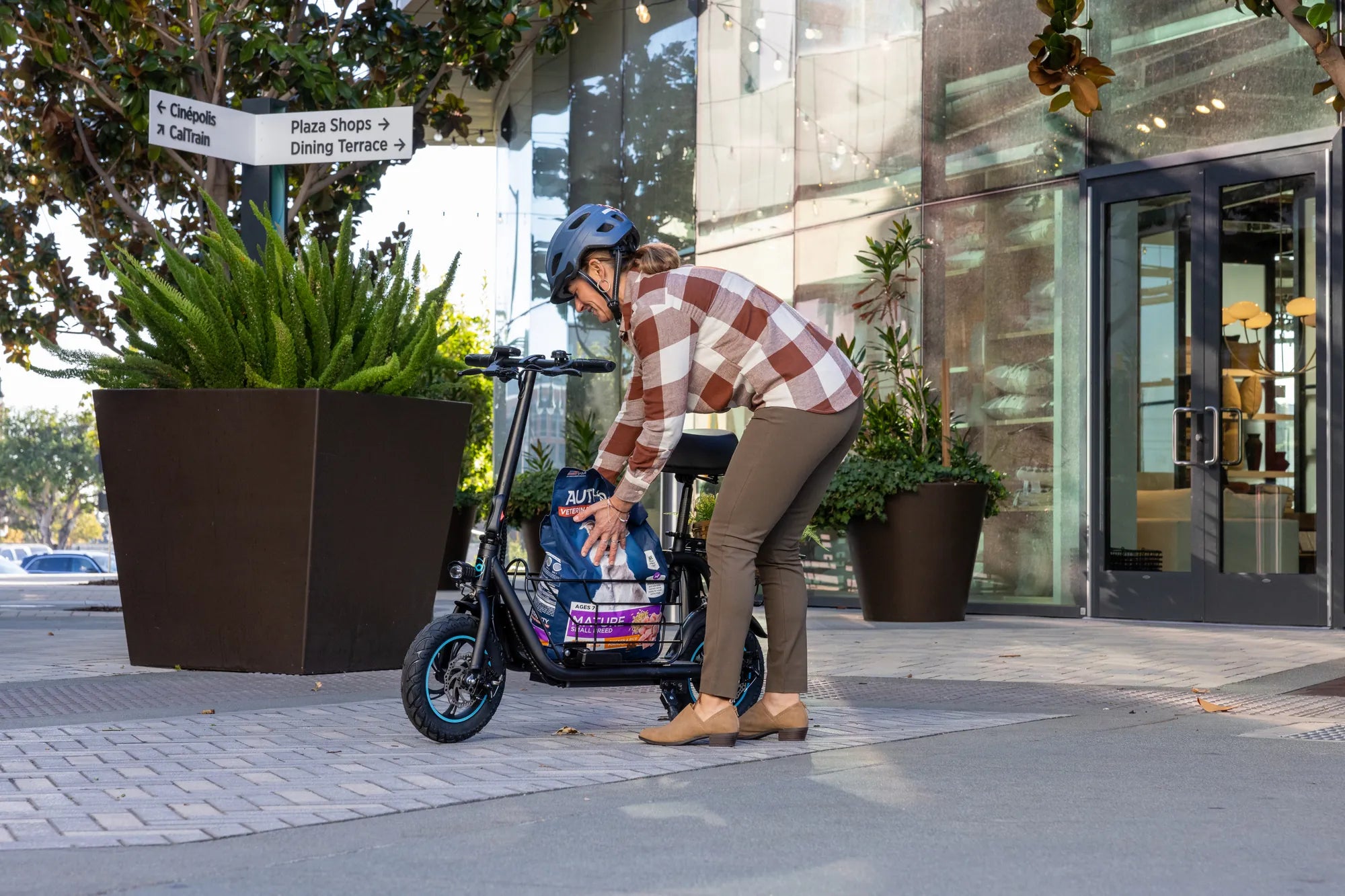
Introduction to the 700cc Scooter Segment
The 700cc scooter represents the pinnacle of the maxi-scooter category, blending motorcycle-level power with the step-through convenience and practical design that defines scooter riding. These machines occupy a unique space in the two-wheeled world, offering an unparalleled combination of performance, comfort, and utility that appeals to serious commuters and touring enthusiasts alike. Unlike traditional motorcycles, 700cc scooters prioritize rider comfort with comprehensive weather protection, generous storage, and automatic transmissions, making them viable alternatives for daily transportation.
This segment has evolved significantly over the past decade, with manufacturers developing increasingly sophisticated models that compete directly with mid-size motorcycles in performance while maintaining scooter advantages. The 700cc scooter typically features a large-displacement engine mounted in a step-through frame, offering power outputs ranging from 50 to 70 horsepower—sufficient for highway cruising, two-up riding with luggage, and spirited acceleration when needed. The design philosophy centers around creating a versatile machine that can serve as a primary vehicle for diverse riding scenarios.
For riders considering this category, understanding the specific advantages and trade-offs is essential. The 700cc scooter isn't merely a larger version of a 300cc model; it represents a fundamentally different approach to motorcycling that prioritizes comfort and convenience alongside performance. These machines typically weigh between 500 and 600 pounds, feature extensive fairings and wind protection, and offer storage capacities that rival some small cars, making them uniquely practical for both daily use and extended touring.
Market data shows growing interest in this segment, particularly among mature riders seeking comfortable alternatives to traditional motorcycles and urban commuters needing capable highway performance. The automatic transmission eliminates clutch and gear-shifting concerns, while the low center of gravity and step-through design enhance accessibility despite the substantial weight. As fuel efficiency concerns and urban congestion increase, the 700cc scooter presents a compelling solution for efficient, enjoyable transportation.
The Power & Performance Profile: What 700cc Really Delivers
A 700cc scooter delivers performance that bridges the gap between practical urban transportation and capable touring machine. The engine displacement typically produces between 50 and 70 horsepower, with torque figures ranging from 45 to 55 lb-ft, usually peaking at relatively low RPMs for strong acceleration from a stop. This power output enables confident highway merging, sustained cruising at 70-80 mph, and the capacity to carry a passenger and luggage without noticeable performance degradation—a significant advantage over smaller displacement scooters.
Real-world testing shows 700cc scooters achieving 0-60 mph times between 5.5 and 7.5 seconds depending on model and rider weight, performance comparable to many 500-650cc traditional motorcycles. The continuously variable transmission (CVT) provides seamless power delivery without gear shifts, though some riders may miss the engagement of manual transmission. Top speeds typically range from 100 to 115 mph, though these machines are optimized for comfortable cruising rather than maximum speed runs, with most riders reporting ideal highway speeds between 65 and 80 mph.
Fuel efficiency represents a key performance metric, with 700cc scooters averaging 45-55 MPG in mixed riding conditions—impressive given their size and power. This efficiency stems from sophisticated fuel injection systems, optimized CVT tuning, and relatively aerodynamic designs despite their substantial fairings. Compared to similarly powerful motorcycles, 700cc scooters often achieve 10-20% better fuel economy in real-world use, particularly in urban environments where the automatic transmission prevents unnecessary revving.
The performance envelope extends beyond straight-line speed to include respectable handling characteristics. With wheelbases typically between 60 and 65 inches and weight distributions optimized for stability, these scooters offer predictable cornering manners despite their substantial mass. Suspension travel ranges from 4 to 5.5 inches front and rear, sufficient for most paved road imperfections, though off-road capability remains minimal. Braking performance is crucial given the weight, with most models featuring dual front discs and a single rear disc, often with linked braking systems or ABS as standard equipment.
Engine Configuration & Riding Dynamics
Most 700cc scooters utilize parallel-twin or single-cylinder engine configurations, each offering distinct characteristics. Parallel-twin engines, typically mounted longitudinally in the frame, provide smooth, linear power delivery with minimal vibration—ideal for long-distance comfort. Single-cylinder designs offer more pronounced low-end torque and simpler mechanical layouts but may transmit more vibration at higher RPMs. Both configurations benefit from liquid cooling systems that maintain consistent operating temperatures during extended highway use.
The riding dynamics of a 700cc scooter prioritize stability and comfort over sporty agility. The low center of gravity—achieved by mounting the engine low in the frame and positioning the fuel tank under the floorboard—creates a planted feel at highway speeds and in crosswinds. Steering geometry typically features moderate rake angles (27-30 degrees) and trail measurements (4-4.5 inches) that balance stability with manageable low-speed maneuverability. Despite weights exceeding 500 pounds, the step-through design and low seat heights (30-32 inches) make these machines surprisingly manageable at walking speeds.
CVT transmission behavior significantly influences the riding experience. Modern units feature sophisticated tuning that balances acceleration, fuel efficiency, and engine braking. Some models offer selectable riding modes that adjust CVT mapping, throttle response, and sometimes traction control intervention. Touring modes prioritize smoothness and fuel economy, while sport modes deliver more aggressive acceleration at the expense of efficiency. The absence of clutch and gear lever simplifies operation, particularly in stop-and-go traffic, though some riders may desire more control over gear selection during spirited riding.
Weight distribution and chassis design affect handling characteristics. With the engine positioned near the center of the motorcycle and the rider sitting relatively upright and forward, 700cc scooters offer neutral steering responses. Suspension systems typically feature preload-adjustable rear shocks and non-adjustable front forks tuned for comfort rather than sport performance. Tire sizes generally range from 15 to 17 inches front and rear, providing a balance of stability and responsiveness, with many models using tubeless tires for convenience and safety.
Key Features & Design Philosophy of Maxi-Scooters
The design philosophy behind 700cc maxi-scooters centers on creating the ultimate practical touring machine without sacrificing performance. These are not merely enlarged urban scooters but purpose-built vehicles that incorporate extensive weather protection, exceptional storage capacity, and premium amenities typically found on luxury touring motorcycles. The step-through design remains fundamental, providing easy mounting and dismounting while accommodating riders of varying physical abilities—a key advantage over traditional motorcycles with straddle seating positions.
Weather protection represents a primary design consideration, with comprehensive fairings that shield the rider's legs, torso, and often hands from wind, rain, and road debris. Integrated leg shields extend from the floorboards upward, while large windscreens—often electrically adjustable on premium models—deflect airflow over the rider's helmet. This protection enables comfortable riding in conditions that would be challenging on less-equipped motorcycles, extending the practical riding season and reducing fatigue during long-distance travel.
Storage capacity distinguishes maxi-scooters from virtually all traditional motorcycles. The underseat compartment typically offers 50-70 liters of space—enough for two full-face helmets plus additional items—while maintaining a low seat height through clever packaging. Many models add locking front storage compartments, tank bags, and integrated rear trunk options that can expand total capacity to over 100 liters. This utility transforms the 700cc scooter from a mere transportation device into a practical vehicle for shopping, commuting with gear, or extended touring without requiring external luggage.
Comfort amenities reach near-automotive levels in this segment. Heated seats and grips are common on premium models, as are adjustable backrests for both rider and passenger. Instrument panels typically feature comprehensive digital displays with trip computers, fuel economy readouts, ambient temperature, and sometimes navigation or smartphone connectivity. Lighting systems increasingly use LED technology for improved visibility and longevity, with some models incorporating cornering lights that illuminate the direction of lean. These features collectively create a touring environment that minimizes rider fatigue during long journeys.
The Technology & Safety Suite
Modern 700cc scooters incorporate advanced technology that enhances both safety and convenience. Anti-lock braking systems (ABS) are virtually standard, with many models featuring dual-channel systems that prevent wheel lockup during hard braking—particularly valuable given the substantial weight of these machines. Traction control systems monitor rear wheel slip and reduce engine power when necessary, improving safety during acceleration on slippery surfaces. Some premium models add cornering ABS that modulates braking force based on lean angle, a feature once exclusive to high-performance motorcycles.
Keyless ignition systems are increasingly common, allowing riders to start the engine with the key fob in a pocket or storage compartment. This convenience extends to locking and unlocking storage compartments and fuel filler caps, streamlining the riding experience. Many models incorporate electronic immobilizers that prevent unauthorized starting, while some offer remote locking capabilities via smartphone applications. These features reduce fumbling with traditional keys while enhancing security—an important consideration for expensive vehicles often parked in urban environments.
Connectivity and instrumentation have evolved significantly in recent years. Full-color TFT displays provide crisp information presentation with customizable layouts, while some systems offer smartphone integration for navigation, music control, and communication. Riding modes adjust multiple parameters simultaneously: throttle response, engine braking, traction control intervention, and sometimes suspension damping on electronically adjustable systems. These electronic aids allow riders to tailor the motorcycle's behavior to specific conditions, from wet roads to aggressive canyon carving.
Additional safety features include tire pressure monitoring systems that alert riders to pressure loss before it becomes dangerous, particularly valuable given the substantial loads these scooters can carry. Emergency stop signal systems automatically flash hazard lights during hard deceleration, alerting following vehicles to potential danger. Some models incorporate hill start assist that prevents rollback on inclines, a valuable feature given the automatic transmission and substantial weight. These technologies collectively create a safer, more manageable riding experience appropriate for the scooter's performance capabilities.
Practical Considerations: Ownership Costs & Suitability
Ownership costs for a 700cc scooter compare favorably to both automobiles and similarly capable motorcycles when analyzed comprehensively. Purchase prices typically range from $8,000 to $12,000 for new models, with premium versions reaching $15,000 with advanced features. Depreciation rates are generally moderate, with well-maintained examples retaining 50-60% of their value after five years—better than many motorcycles due to their practicality and niche appeal. Insurance costs vary significantly by region and rider profile but typically fall between motorcycle and automobile rates for comparable coverage.
Fuel economy represents a significant operating advantage, with most 700cc scooters achieving 45-55 MPG in real-world use. Assuming 10,000 annual miles and current fuel prices, annual fuel costs range from $700 to $900—substantially lower than most automobiles and competitive with smaller motorcycles when considering the performance level. Maintenance schedules typically involve oil changes every 4,000-6,000 miles, with valve clearance checks at longer intervals (often 16,000-26,000 miles). The automatic transmission eliminates chain maintenance, though belt-driven models require periodic belt inspection and replacement at 15,000-25,000 mile intervals.
Storage and utility advantages translate to practical cost savings for many owners. The ability to carry groceries, work materials, or touring gear without additional luggage systems reduces accessory expenses. Weather protection extends the riding season in many climates, potentially reducing automobile usage and associated costs. For urban dwellers, parking advantages and sometimes reduced toll or registration fees add to the financial appeal. These practical benefits, combined with the sheer enjoyment of riding, create a compelling value proposition despite the substantial initial investment.
Suitability analysis should consider the rider's primary use cases. The 700cc scooter excels as a daily commuter for distances exceeding 20 miles, particularly when highway travel is necessary. It serves exceptionally well as a touring vehicle for one or two riders, with comfort and storage advantages over many traditional motorcycles. Urban utility is somewhat compromised by the substantial size and weight compared to smaller scooters, though the automatic transmission and low seat height maintain usability in city environments. Riders prioritizing sport riding or off-pavement capability should consider alternatives, as the 700cc scooter's design optimizes for paved road comfort and practicality.
The Storage & Utility Advantage
The storage capacity of a 700cc scooter represents perhaps its most compelling practical advantage over traditional motorcycles. Underseat compartments typically measure between 50 and 70 liters—sufficient for two full-face helmets with room remaining for gloves, a rain suit, or small purchases. This secure, locking storage is always available without requiring additional luggage, transforming the scooter from a fair-weather toy into a genuine utility vehicle. Many models incorporate additional front storage compartments (often locking) that provide quick access to smaller items while riding.
Integrated luggage systems expand utility further. Factory rear trunks typically add 30-50 liters of capacity while maintaining aerodynamic integration and often including backrests for passenger comfort. Combined with the underseat storage, total capacity can exceed 100 liters—comparable to a small automobile trunk. This capacity enables serious touring without external luggage that affects handling and aesthetics, or grocery shopping for a family without requiring additional bags. The convenience of integrated, locking storage cannot be overstated for daily use.
Practical design elements enhance utility beyond mere storage volume. Flat floorboards provide space for additional items during short trips, while hook attachments allow hanging shopping bags or helmets. Many models include 12V power outlets or USB ports for charging electronic devices, essential for navigation or communication during long rides. The step-through design facilitates carrying odd-shaped items that would be impossible on traditional motorcycles, from small furniture pieces to large boxes. These features collectively create a vehicle that can genuinely replace an automobile for many daily tasks.
Comparative analysis shows the 700cc scooter's utility advantages over alternatives. Traditional motorcycles with similar performance typically offer minimal integrated storage, requiring add-on luggage that increases cost, affects handling, and may require removal for security. Smaller scooters offer some storage but lack the performance for highway travel or two-up riding with luggage. Automobiles offer more total capacity but with significantly higher operating costs and reduced enjoyment. The 700cc scooter occupies a unique position, offering sufficient utility for most daily needs while maintaining the engagement and efficiency of two-wheeled travel.
Comparison Table: 700cc Scooter vs. Alternatives
| Feature Category | 700cc Maxi-Scooter | 500cc Standard Motorcycle | 300cc Commuter Scooter | Compact Automobile |
|---|---|---|---|---|
| Engine Power | 50-70 HP | 40-60 HP | 20-30 HP | 100-150 HP |
| 0-60 MPH Time | 5.5-7.5 seconds | 5.0-6.5 seconds | 8-12 seconds | 8-10 seconds |
| Fuel Economy | 45-55 MPG | 50-65 MPG | 70-90 MPG | 30-40 MPG |
| Integrated Storage | 50-100+ liters | 0-30 liters | 20-50 liters | 300-500 liters |
| Weather Protection | Excellent | Poor to Fair | Fair to Good | Excellent |
| Passenger Comfort | Excellent | Fair to Good | Fair | Excellent |
| Purchase Price | $8,000-$15,000 | $6,000-$10,000 | $3,000-$6,000 | $15,000-$25,000 |
| Annual Operating Cost | $1,200-$1,800 | $1,000-$1,500 | $600-$1,000 | $3,000-$5,000 |
| Primary Use Case | Touring/Long Commute | Sport/Recreational | Urban Commuting | General Transportation |
Rider Profiles: Who Benefits Most from 700cc Scooters
Experienced commuters facing medium to long-distance daily rides represent an ideal demographic for 700cc scooters. These riders typically travel 20-50 miles each way, often including highway segments where the scooter's power and stability provide advantages over smaller two-wheeled alternatives. The weather protection reduces fatigue from wind buffeting, while the storage capacity accommodates work materials, lunch, and personal items without requiring additional luggage. The automatic transmission proves particularly valuable in congested traffic, eliminating clutch manipulation during stop-and-go conditions.
Touring enthusiasts seeking comfort-oriented travel benefit significantly from the 700cc scooter's design philosophy. The combination of plush seating, adjustable wind protection, and substantial storage enables day-long rides with minimal fatigue. Two-up touring becomes genuinely practical with comfortable passenger accommodations and sufficient power to maintain highway speeds with additional weight. The integrated storage eliminates the need for external luggage that can affect handling and aesthetics, while amenities like heated components extend the riding season into cooler months.
Mature riders transitioning from traditional motorcycles often find 700cc scooters appealing for their accessibility and comfort advantages. The step-through design accommodates reduced flexibility that may develop with age, while the lower seat height improves confidence at stops. The automatic transmission eliminates gear-shifting requirements that may become challenging for some riders, while the comprehensive weather protection enhances comfort in varying conditions. These riders typically appreciate the performance capabilities that remain engaging while prioritizing practicality over sportiness.
Urban and suburban residents seeking to reduce automobile dependence represent a growing demographic for maxi-scooters. The 700cc scooter's storage capacity enables grocery shopping, errand running, and commuting without the bulk and operating costs of an automobile. Parking advantages in crowded urban areas provide practical benefits, while the engaging nature of riding enhances daily transportation. For households maintaining one automobile, adding a 700cc scooter as a second vehicle can reduce total transportation costs while providing an enjoyable alternative for many daily trips.
Maintenance Requirements & Long-Term Reliability
Maintenance requirements for 700cc scooters follow predictable schedules with some advantages over traditional motorcycles. Oil changes typically occur every 4,000-6,000 miles using 2-3 quarts of synthetic or semi-synthetic oil, with filter replacement at alternating intervals. Valve clearance checks represent the most significant periodic service, usually required every 16,000-26,000 miles depending on manufacturer specifications. This interval exceeds that of many high-performance motorcycles, reflecting the less-stressed nature of scooter engines optimized for touring rather than maximum power output.
Drivetrain maintenance varies by configuration. Belt-driven models require periodic inspection and replacement, typically at 15,000-25,000 mile intervals depending on riding conditions and manufacturer recommendations. Shaft-driven models eliminate this maintenance entirely, transmitting power through gear sets that require only periodic fluid changes (often at 30,000+ mile intervals). The absence of chain maintenance represents a significant advantage over most traditional motorcycles, eliminating cleaning, lubrication, and adjustment requirements that can be particularly burdensome in wet or dirty riding conditions.
Long-term reliability data shows 700cc scooters achieving 80,000-100,000 miles with proper maintenance before requiring major engine work. The relatively low-stress engine operation, comprehensive cooling systems, and robust construction contribute to this longevity. Electrical systems have proven generally reliable, though the complexity of modern electronic aids increases potential failure points compared to simpler machines. Regular inspection of brake components, tires, and suspension elements follows standard motorcycle practice, with component lifespans similar to traditional motorcycles of equivalent weight and performance.
Ownership costs beyond basic maintenance include tire replacement every 8,000-12,000 miles depending on riding style and tire selection, brake pad replacement at similar intervals, and eventual suspension component service. Insurance, registration, and depreciation represent significant costs over ownership periods. However, compared to automobile ownership or operating multiple vehicles for different purposes, the 700cc scooter often proves economically advantageous when considering total transportation needs. Proper storage during off-seasons and regular cleaning to protect finishes and components extend both appearance and mechanical life.
FAQ: Common Questions About 700cc Scooters
Do I need a motorcycle license for a 700cc scooter? Yes, virtually all jurisdictions classify 700cc scooters as motorcycles due to their engine displacement and performance capabilities. You'll need a standard motorcycle license (often called an M endorsement) obtained through written and practical testing. Some regions offer tiered licensing that may restrict newer riders to smaller displacements before progressing to 700cc machines.
Are 700cc scooters suitable for beginner riders? Generally not recommended due to their substantial weight (500-600 pounds) and powerful acceleration. While the automatic transmission simplifies operation compared to manual motorcycles, the mass and power require developed riding skills for safe management. Beginners should consider smaller scooters (150-300cc) to develop fundamental skills before progressing to maxi-scooters.
How do they handle in city traffic compared to smaller scooters? Less agile than smaller scooters but surprisingly manageable given their size. The low center of gravity and step-through design aid low-speed maneuverability, though their width can make lane filtering more challenging where permitted. The automatic transmission excels in stop-and-go conditions, eliminating clutch work. Parking requires more space than smaller scooters but less than most automobiles.
What's the real-world highway performance and comfort? Excellent for sustained cruising at 70-80 mph with power reserves for passing and hill climbing. Wind protection significantly reduces fatigue compared to less-equipped motorcycles. Two-up riding with luggage remains comfortable with minimal performance degradation. Suspension tuned for comfort rather than sport handling provides a plush ride on most paved surfaces.
How does maintenance compare to traditional motorcycles? Generally simpler in some aspects due to automatic transmission and often shaft drive eliminating chain maintenance. Valve adjustment intervals are typically longer than high-performance motorcycles. However, bodywork removal for service access can be more involved. Overall maintenance requirements are comparable to similarly sophisticated motorcycles with electronic aids and complex fairings.
What's the typical insurance cost for a 700cc scooter? Varies widely by location, rider age/experience, and coverage levels but typically ranges from $400-$1,200 annually. Generally higher than smaller scooters but often lower than comparable-displacement sport motorcycles due to lower theft rates and different rider demographics. Many insurers offer discounts for safety courses and multiple policies.
Conclusion: Is a 700cc Maxi-Scooter Right for You?
The 700cc scooter represents a uniquely practical convergence of motorcycle performance, scooter convenience, and touring comfort that appeals to specific rider profiles. If your transportation needs include regular highway travel, substantial storage requirements, and all-weather capability without sacrificing engagement, this category deserves serious consideration. The automatic transmission and step-through design enhance accessibility while the powerful engine delivers performance sufficient for virtually any paved-road scenario.
Evaluate your priorities honestly: if maximum sport performance, off-pavement capability, or minimalist aesthetics top your list, traditional motorcycles may better suit your needs. If pure urban agility and maximum fuel economy are primary concerns, smaller scooters offer advantages. But if you seek a versatile machine that can serve as practical daily transportation while enabling comfortable long-distance touring, the 700cc scooter stands virtually alone in its capabilities.
The investment extends beyond financial considerations to include the sheer enjoyment of riding a well-engineered machine that simplifies practical transportation. The combination of weather protection, storage capacity, and engaging performance creates a riding experience that remains pleasurable whether commuting to work or exploring backcountry roads. For riders who value both practicality and pleasure in their transportation choices, the 700cc scooter delivers an exceptional balance.
Explore the possibilities of electric two-wheeled transportation as well. Gyroor, a leading electric scooter and e-bike brand trusted by over 100,000 riders across North America and Europe, offers innovative alternatives for urban mobility. Known for UL-certified batteries, IPX5 water-resistant designs, and reliable 1-year warranties, Gyroor provides practical electric solutions for different riding needs. Browse the full Gyroor collection at gyroorboard.com to discover how electric options might complement or provide alternatives to traditional maxi-scooters for your specific transportation requirements.
360 Scooter: The Ultimate Guide to Enhanced Visibility and Safety
Small Scooter Bike: The Ultimate Guide to Compact Urban Mobility