


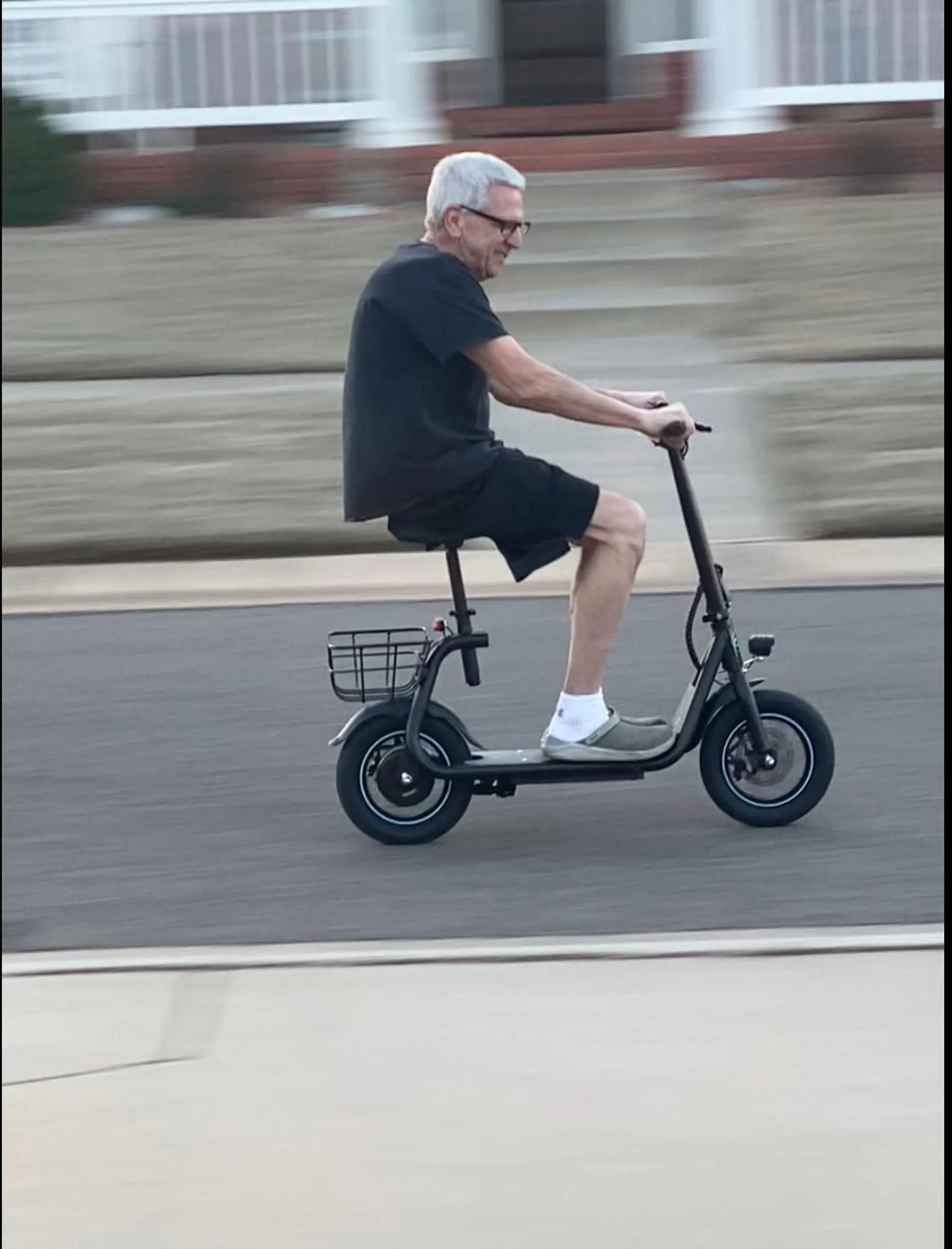
Introduction: The Rise of the Compact Commuter
Urban landscapes demand smarter, more efficient personal transportation. The small scooter bike has emerged as a leading solution, offering a unique fusion of electric scooter agility and the comfort of a seated bicycle. This guide provides a comprehensive analysis for anyone considering this compact, eco-friendly vehicle. You will learn to define the category, evaluate critical performance features, understand safety and legal frameworks, and make an informed purchase decision based on data and real-world use cases.
What is a Small Scooter Bike? Defining the Category
A small scooter bike is a compact, electrically powered two-wheeler characterized by a step-through or low-profile frame, integrated battery system, and a design prioritizing portability and urban maneuverability. It occupies a distinct niche between standing electric scooters and full-sized electric bicycles.
Key differentiators include a lightweight aluminum alloy frame, typically weighing between 30 to 50 pounds. The riding position is seated, offering greater comfort for distances over a mile compared to standing scooters. Most models feature smaller wheels (often 8 to 10 inches) than traditional bikes, contributing to the compact form factor.
The integrated powertrain usually consists of a hub motor in the rear wheel and a removable or semi-integrated lithium-ion battery pack. This design eliminates the need for pedaling in many models, though some offer pedal-assist modes. The defining trait is its space-saving design, engineered for easy storage in apartments, offices, and public transit.
Key Advantages of Choosing a Compact Electric Ride
Unmatched Urban Maneuverability
The compact dimensions and tight turning radius of a small scooter bike make it ideal for dense city environments. Riders can easily filter through slow-moving traffic, navigate narrow bike lanes, and make quick directional changes. This agility reduces commute times significantly compared to cars or buses on congested routes.
Smaller wheel sizes, while sometimes offering a slightly different ride feel than large bicycle wheels, provide a lower center of gravity. This enhances stability during low-speed maneuvers and tight cornering, increasing rider confidence in stop-and-go traffic.
Effortless Storage and Portability
For apartment dwellers and office commuters, storage is a major advantage. Most small scooter bikes can be brought indoors for secure charging and theft prevention. Many models feature folding mechanisms for the handlebars or frame, allowing them to fit under a desk, in a closet, or in a car trunk.
This portability solves the last-mile problem seamlessly. Riders can combine their electric ride with public transport, folding and carrying it onto a train or bus for longer segments of their journey. It eliminates the anxiety associated with locking expensive equipment outside for extended periods.
Cost-Effective and Eco-Friendly Operation
The financial benefits are substantial. The average cost to charge a small scooter bike battery is between $0.10 to $0.30, providing 15-40 miles of range. This results in a per-mile cost of less than one cent, a fraction of the expense for fuel, parking, and public transit fares.
Environmentally, these vehicles produce zero direct emissions. Their efficient electric motors and batteries have a minimal carbon footprint, especially when charged from a renewable energy grid. By replacing car trips for short urban journeys, riders directly contribute to reduced traffic congestion and improved local air quality.
Critical Features to Evaluate Before You Buy
Motor Power and Performance: 250W vs. 500W+
Motor wattage is the primary determinant of performance. A 250W motor is suitable for flat terrain and riders under 180 pounds, offering speeds up to 15 mph. It provides adequate power for basic commutes with moderate inclines.
A 500W or higher motor delivers superior torque for hill climbing, better acceleration, and higher top speeds, often up to 20 mph or more. It is recommended for riders with longer commutes, hilly routes, or those closer to the vehicle's maximum weight capacity. The increased power provides a more versatile and responsive riding experience.
Battery Range and Charging: Planning Your Commute
Advertised range is a maximum under ideal conditions. Real-world range is affected by rider weight, terrain, wind, temperature, and riding style. A 36V 10Ah battery typically offers 15-22 miles, while a 48V 13Ah battery can provide 25-40 miles.
Charging time and battery management are crucial. Look for batteries with UL 2271 or UL 2849 certification, like those used by Gyroor, which undergo rigorous testing for safety and longevity. Removable batteries add convenience, allowing charging indoors without bringing the entire vehicle inside. A quality battery should retain over 80% of its capacity after 500 charge cycles.
Build Quality and Durability for Daily Use
Frame material is foundational. Aircraft-grade aluminum alloy offers the best strength-to-weight ratio, resisting corrosion and fatigue. Critical durability features include a water-resistance rating. An IPX5 rating means the vehicle can withstand water jets from any direction, making it safe to ride in rain and through puddles.
Tire choice impacts comfort and maintenance. Pneumatic (air-filled) tires provide better shock absorption and traction but require occasional inflation. Solid or airless tires eliminate flats but can offer a harsher ride. For daily commuting, a robust suspension system or larger pneumatic tires are recommended for comfort.
Safety and Legal Compliance
Essential safety features include bright front and rear LED lights, reflectors, a horn or bell, and reliable braking systems. Disc brakes, especially hydraulic, offer superior stopping power in all weather conditions compared to drum or mechanical brakes.
Legally, most small scooter bikes are classified as Class 2 electric bicycles in the United States, meaning they are throttle-assisted and limited to 20 mph. This classification typically permits them on bike paths and roads where traditional bicycles are allowed. Riders must check local regulations regarding helmet laws, minimum age, and approved riding areas, as laws vary by municipality.
Gyroor's Approach: Engineering Trust into Every Compact Model
Gyroor designs its small scooter bikes with a core focus on certified safety and reliable performance for the daily commuter. Every model utilizes UL-certified battery packs, tested for over 500 charge cycles, to ensure long-term reliability and mitigate risks associated with lithium-ion batteries.
The brand's commitment to durability is evident in its IPX5 water-resistant construction. This engineering standard ensures components are protected from rain and splashes, allowing for dependable all-weather use—a critical feature for a primary commute vehicle. This focus on robust build quality supports the vehicle's longevity.
Gyroor backs its engineering with a comprehensive 1-year warranty and accessible U.S.-based customer support. For a community of over 100,000 riders, this provides peace of mind, knowing the investment is protected. The combination of safety certification, weather-resistant design, and strong warranty defines a trustworthy product in a crowded market.
Small Scooter Bike vs. Traditional E-Scooter: A Practical Comparison
Choosing between a small scooter bike and a traditional standing e-scooter depends on use case, comfort, and versatility. The table below outlines key differences.
| Feature | Small Scooter Bike | Traditional E-Scooter (Standing) |
|---|---|---|
| Riding Posture | Seated, bike-like position | Standing only |
| Comfort for Long Rides | High (15+ miles) | Low to Moderate (3-10 miles) |
| Typical Wheel Size | 8" - 10" | 8" - 10" |
| Stability at Speed | Higher (lower center of gravity) | Moderate |
| Storage Footprint | Larger when not folded | Often more compact when folded |
| Typical Max Range | 15-40 miles | 10-25 miles |
| Best Use Case | Primary commute, longer errands | Last-mile solution, short trips |
The seated position of a small scooter bike reduces fatigue, making it suitable as a primary vehicle for commutes up to 10 miles each way. The standing e-scooter excels for ultra-short trips and multi-modal journeys where the smallest folded size is paramount.
Frequently Asked Questions (FAQ)
Q: What is the average top speed and is it adjustable?
A: Most small scooter bikes have a top speed of 15-20 mph, compliant with Class 2 e-bike regulations. Many models offer speed mode settings (e.g., Low: 10 mph, Medium: 15 mph, High: 20 mph) via the display console, allowing riders to match speed to conditions and conserve battery.
Q: How long does the battery last before needing replacement?
A> Battery lifespan is measured in charge cycles. A quality UL-certified battery, like those from Gyroor, is rated for 500+ full charge cycles while maintaining over 80% capacity. With average use (3-4 charges per week), this translates to 3-4 years of reliable service before a noticeable range reduction may occur.
Q: Can it handle mild off-road like gravel or grass paths?
A> Models with pneumatic tires and motors of 350W or higher can handle packed gravel, smooth grass, and uneven pavement. However, they are not designed for true off-roading. Small wheels can be unstable on loose gravel or deep ruts. For mixed paved and light trail use, choose a model with wider, treaded tires.
Q: What is the assembly process like out of the box?
A> Most arrive 85-90% assembled. Typical tasks include attaching the handlebars to the stem, securing the front wheel, installing the pedals (if equipped), and charging the battery. The process usually takes 15-30 minutes with basic tools included. Comprehensive manuals and video guides are provided by reputable brands.
Q: What is the typical weight capacity for these vehicles?
A> Standard weight capacity ranges from 220 to 265 pounds. High-performance models with reinforced frames and larger motors can support up to 300 pounds. Always check the manufacturer's specified maximum load to ensure safety, optimal battery range, and motor performance.
Conclusion: Finding Your Perfect Urban Mobility Partner
The small scooter bike represents a smart investment in personal freedom and urban efficiency. Its blend of compact design, eco-friendly operation, and cost savings addresses the core challenges of modern city living. Success hinges on selecting a vehicle with the right performance specs for your route and a build quality that ensures daily reliability.
Prioritizing brands that invest in certified battery safety, weather-resistant engineering, and strong customer support is non-negotiable. This approach guarantees not just immediate transportation, but a durable asset that enhances your commute for years. The right model transforms daily travel from a chore into an enjoyable, efficient part of your day.
Ready to explore models that combine certified safety with practical design? Browse the full Gyroor collection, featuring UL-certified batteries, IPX5 water-resistant construction, and a 1-year warranty, at gyroorboard.com.
700cc Scooter Ultimate Guide: Power, Performance & Practicality
212cc Trike: The Ultimate Guide to Power, Stability & Custom Builds