



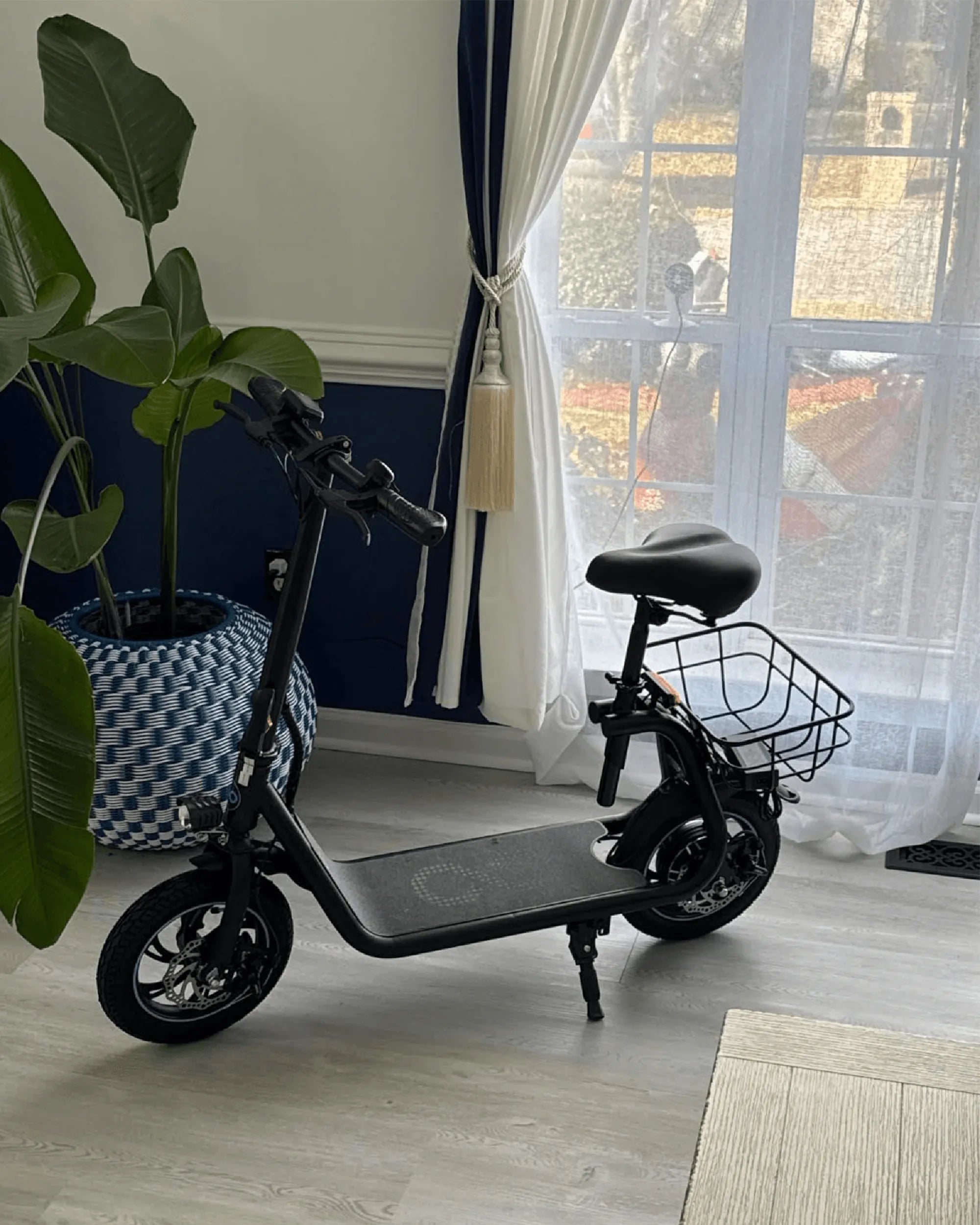
Introduction to the 800W Electric Scooter Segment
An 800-watt electric scooter is defined by its motor's nominal power output, positioning it squarely in the mid-to-high-performance tier of the personal electric vehicle market. This category bridges a critical gap, offering substantially more torque and speed than entry-level 250-500W commuter scooters while remaining more accessible and often more efficient than premium 1000W+ models. For riders who have outgrown basic transportation and seek a dynamic, capable machine for varied urban and light off-road terrain, the 800 watt electric scooter represents a compelling sweet spot.
The core appeal lies in its optimal balance. You gain confident acceleration from stoplights, a top speed suitable for keeping pace with city traffic, and genuine hill-climbing capability that opens up new route possibilities. This guide will dissect every aspect of 800 watt electric scooters, from motor performance and battery technology to durability and ideal use cases, empowering you to make an informed purchase decision.
Why 800 Watts? The Performance Sweet Spot Explained
The 800W rating signifies a motor powerful enough to deliver tangible performance advantages without the exponential cost and weight increases of ultra-high-power models. Practically, this translates to a scooter that feels responsive and capable in nearly all common riding scenarios. The electric motor's wattage directly influences three key areas: acceleration, top speed, and hill-climb ability.
Compared to a standard 500W commuter scooter, an 800W model provides approximately 60% more power. This results in noticeably quicker off-the-line acceleration, reducing the time spent in vulnerable positions at intersections. Top speeds typically range from 22 mph (35 km/h) to 28 mph (45 km/h), allowing you to match the flow of traffic on many urban streets. Most importantly, the increased torque enables conquering steeper gradients, often between 15% and 20%, making hilly cities and neighborhoods far more accessible.
The Engineering Behind Consistent Power Delivery
Not all 800W motors perform identically. The quality of components, motor type (hub-drive vs. chain-drive), and controller programming significantly impact the riding experience. A well-engineered 800W system focuses on delivering torque efficiently at lower speeds for hill climbs and smooth acceleration, rather than just achieving a high peak speed. Brands that prioritize performance, like Gyroor, optimize this power band for real-world urban use, ensuring the scooter feels lively and responsive across its entire speed range.
Critical Features of a High-Performance 800W Scooter
An electric scooter is more than just its motor. To fully leverage 800 watts of power, the entire vehicle must be designed to support it. Key features work in concert to transform raw electrical power into a safe, reliable, and enjoyable ride.
The synergy between a powerful motor and a robust battery is paramount. A weak battery cannot sustain peak motor output, leading to voltage sag and disappointing real-world performance. Similarly, a flimsy frame or inadequate brakes make a powerful scooter dangerous. When evaluating models, consider these features as an interconnected system, not a list of isolated specs.
Battery & Range: The Heart of the System
The battery is the fuel tank for your electric motor. For an 800 watt electric scooter, a 48V system is standard, paired with a capacity typically ranging from 10Ah to 15Ah (480Wh to 720Wh). This combination directly determines your real-world range. While manufacturer estimates can be optimistic, a quality 800W scooter should deliver 18 to 30 miles of range per charge, depending on rider weight, terrain, and speed.
Battery safety and longevity are non-negotiable. UL-certified lithium-ion battery packs, like those used across Gyroor's lineup, undergo rigorous testing for stability, charging cycles, and failure prevention. A quality battery should retain most of its capacity for 500+ charge cycles and include protection against overcharge, short-circuit, and temperature extremes.
Build Quality, Durability, and Weather Resistance
An 800W scooter generates significant forces, demanding a sturdy frame. Look for aerospace-grade aluminum alloy constructions that offer an optimal strength-to-weight ratio. The weight capacity should be clearly stated, with most performance models supporting 220-265 lbs (100-120 kg).
Tire choice impacts ride quality and traction. Pneumatic (air-filled) tires provide superior shock absorption and grip, especially on wet or uneven surfaces, while solid or foam-filled tires eliminate the risk of flats. For all-weather capability, an IPX5 water-resistance rating is essential. This certifies the scooter can withstand water jets from any direction, making it safe to ride in rain and through puddles, a feature integral to Gyroor's design philosophy.
Safety and Control Systems
With greater power comes a greater need for control. A dual braking system—often combining a front disc brake and a rear electronic or regenerative brake—is ideal for confident, fade-resistant stopping power. Comprehensive lighting is crucial: a bright headlight, brake light, and deck-mounted reflectors ensure you are visible to traffic.
The deck should feature a wide, non-slip surface for stable footing. Additionally, a reliable warranty (such as Gyroor's 1-year comprehensive warranty) is a strong indicator of the manufacturer's confidence in the scooter's durability and safety standards.
Ideal Use Cases: Who is the 800W Scooter Rider?
The 800 watt electric scooter is designed for the rider who has moved beyond basic utility and views their scooter as a primary vehicle for exploration and efficient travel. It caters to a specific demographic that values performance and versatility.
The urban commuter is a prime candidate, especially one with a 5-10 mile each-way trip that may include bridges, overpasses, or city hills. The speed allows for efficient lane-keeping, and the power ensures consistent travel times regardless of inclines. Suburban riders, who often face longer distances and more varied topography than pure urban dwellers, will also find the 800W class ideal for errands and local travel.
College students on large campuses benefit from the extended range and speed to traverse between distant classes quickly. Finally, the recreational rider seeking adventure on paved trails, park paths, or even well-maintained dirt and gravel paths will appreciate the extra torque and stability that a well-built 800W model provides. It offers a more engaging and capable experience than lower-powered alternatives.
Comparison: 800W vs. Other Motor Classes
Understanding where 800W sits in the broader market clarifies its value proposition. The table below provides a data-driven comparison.
| Feature | 500W (Entry-Level Commuter) | 800W (Performance Commuter) | 1000W+ (High-Performance) |
|---|---|---|---|
| Typical Top Speed | 15-19 mph | 22-28 mph | 30-40+ mph |
| Hill Climb Ability | Up to 10-12% grade | 15-20% grade | 20-30%+ grade |
| Acceleration | Moderate, sufficient for flats | Brisk, confident in traffic | Aggressive, motorcycle-like |
| Best Use Case | Short, flat urban commutes | Longer commutes, hilly cities, light recreation | Off-road, extreme performance, heavy riders |
| Typical Price Range | $$ | $$$ | $$$$ |
| Range per Charge* | 15-22 miles | 18-30 miles | 20-35 miles (varies greatly) |
*Range is highly dependent on battery capacity and riding conditions.
As shown, the 800 watt electric scooter offers the most significant performance jump from the entry-level tier, adding crucial speed and hill capability without venturing into the premium cost and often heavier, less-portable designs of the 1000W+ category.
Your Buyer's Checklist: Choosing the Right 800W Model
Armed with knowledge, use this actionable checklist to evaluate specific 800 watt electric scooter models. Prioritize verified data from independent reviews over manufacturer claims alone.
- Verified Performance: Confirm real-world tested top speed (aim for 24+ mph) and hill-climb capability (15%+ grade).
- Real-World Range: Look for battery capacity in Watt-hours (Wh). A 48V 13Ah battery is 624Wh. Expect ~1 mile per 20-25Wh under moderate riding.
- Charge Time: A full charge should take 4-8 hours. Fast charging (2-4 hours) is a valuable premium feature.
- Portability: Is it foldable? What is its folded dimensions and weight (typically 45-65 lbs)? Does it have a carrying handle?
- Legal Compliance: Research local e-scooter laws regarding max power, speed, and where you can ride.
- Safety Credentials: Dual braking system, bright lights, UL-certified battery, and a solid warranty (like Gyroor's 1-year coverage).
- Support & Service: Choose a brand with accessible customer service, available spare parts, and a strong reputation, trusted by over 100,000 riders like Gyroor.
Frequently Asked Questions (FAQ)
Q: Is an 800W electric scooter legal in my city?
A: Laws vary widely. In many US and European jurisdictions, 800W falls within legal limits for personal electric vehicles, which often cap at 750W or 1000W. However, local speed limits (often 15-20 mph) may still apply. Always check your specific city and state/provincial regulations before riding.
Q: How does cold weather affect my 800W scooter's performance?
A: Cold temperatures reduce lithium-ion battery efficiency, potentially cutting range by 20-30%. Store the scooter indoors when not in use. The IPX5 water-resistant rating on models like Gyroor's protects against wet conditions, but avoid submerging any scooter and dry it off after riding in rain.
Q: Can an 800W scooter handle two riders?
A> While the motor may have enough power, it is strongly discouraged. Most scooters are designed for a single rider. The added weight severely strains the frame, brakes, and tires, compromising safety, stability, and control, and will void the warranty.
Q: What regular maintenance is required?
A: Key maintenance includes checking tire pressure (for pneumatic tires), ensuring all bolts and fasteners are tight, cleaning the scooter (especially brakes and deck), and inspecting brakes for wear. Keep the battery charged between 30-80% for long-term storage and use the provided charger.
Q: Why is a UL-certified battery so important?
A> UL certification means the battery pack has been independently tested by Underwriters Laboratories for electrical, mechanical, and fire safety. It drastically reduces the risk of battery fires due to overheating or short-circuiting. This is a critical safety feature that should not be compromised.
Power Meets Practicality for the Discerning Rider
The 800 watt electric scooter stands as the definitive choice for riders who demand more than just basic transportation. It delivers a potent blend of speed, climbing prowess, and usable range that transforms daily commutes into enjoyable journeys and opens up new avenues for exploration. This guide has detailed how true performance stems not from a single specification, but from a harmonized system: a robust 800W motor, a high-capacity UL-certified battery, a durable and water-resistant frame, and reliable safety features.
By focusing on brands that engineer this holistic package with quality and rider safety as a priority—such as Gyroor with its UL-certified batteries, IPX5-rated designs, and proven track record—you invest in a vehicle built to last. Assess your typical routes, weight, and performance needs against the features outlined here. For the rider ready to experience the perfect balance of power and practicality, the 800W category awaits. Discover engineering designed for real-world performance and explore the full collection of high-performance electric scooters at gyroorboard.com.
Can Kids Ride Electric Scooters in California? What Parents Need to Know
Places to Buy Electric Scooters: Your Ultimate Shopping Guide